
PCM Ice Plates vs. Gel Ice Packs: A Strategic Decision Guide for Health & Medicine Cold Chain (2026)
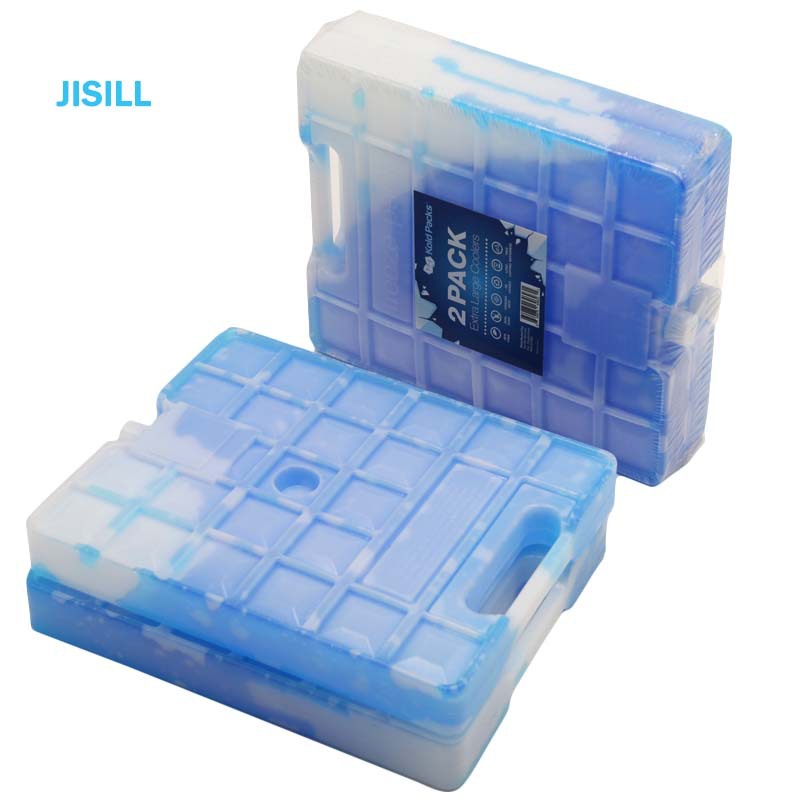
Cold chain logistics demands precise temperature control — PCM ice plates provide a reliable alternative to standard gel ice packs.
For B2B buyers in the health and medicine sector, selecting the right thermal management solution is a critical decision that affects product integrity, regulatory compliance, and operational costs. Changzhou Jisi Cold Chain Technology Co., Ltd — a factory specializing in series of PCM ice packs, cooler boxes, and VIP panels — offers a range of phase change material (PCM) ice plates that present a compelling alternative to conventional gel ice packs. This article provides an evidence-based comparison to help procurement managers evaluate both options during the decision stage.
The Challenge: Temperature Stability and Duration in Cold Chain Logistics
Standard gel ice packs rely on a simple water-based gel that freezes at 0°C and melts gradually, offering limited temperature precision and duration. For pharmaceutical shipments requiring sustained temperatures at 2–8°C, -15°C, or -25°C, conventional ice packs often fall short. The global gel ice pack market reached USD 14.56 billion in 2025, driven significantly by pharmaceutical cold chain demands (source: The Business Research Company). However, as biologics and vaccines become more temperature-sensitive, the need for materials that can maintain specific temperatures for extended periods is growing.
Jisi Cold Chain’s PCM Ice Plates: A Technical Overview
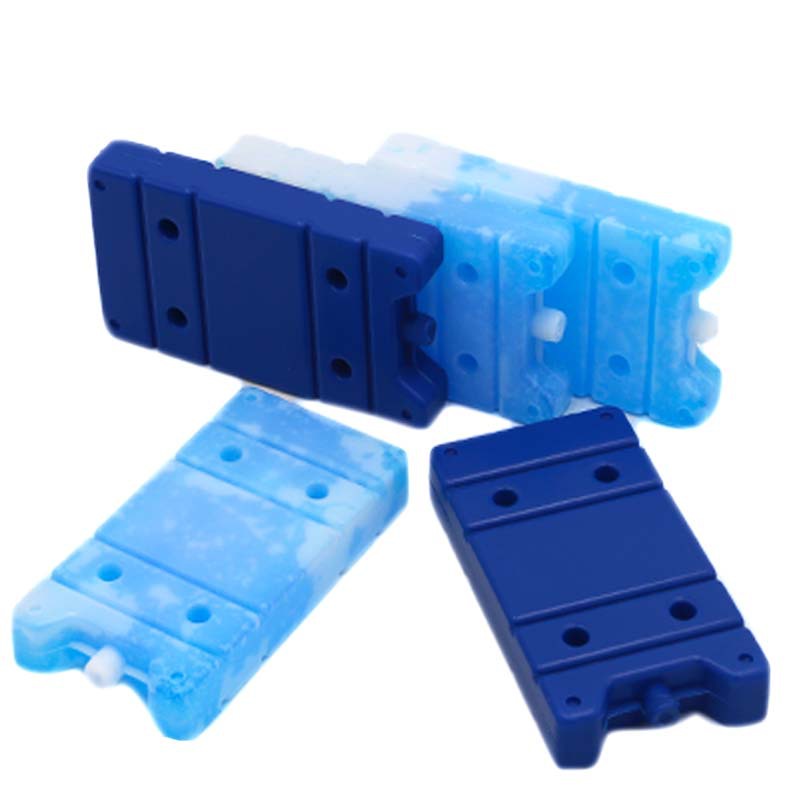
A standard PCM ice plate from Jisi Cold Chain, designed for precise thermal management.
Jisi Cold Chain’s phase change material ice plates are engineered to store and release thermal energy at a fixed phase transition temperature. The product line covers nine temperature points: -30°C, -25°C, -15°C, -10°C, -5°C, 0°C, 2–8°C, 18°C, and 23°C. These PCM ice plates can maintain target temperatures for durations ranging from 12 hours up to 120 hours, depending on the configuration and the insulation system used. According to the company’s specifications, the core material of their cooler boxes is PU or VIP (Vacuum Insulated Panel) with low thermal conductivity, further extending thermal endurance.
Market Context and Data-Driven Comparison
The global reusable ice packs market was valued at approximately USD 1.962 billion in 2024 (Market Research Future), while the dedicated PCM pack market reached USD 476 million in 2025, growing at a CAGR of 4.5% (Intel Market Research). China accounts for over 11.2% of global gel ice pack revenues (Dataintelo), positioning manufacturers like Jisi Cold Chain as key suppliers. When comparing Jisi’s PCM ice plates to standard ice packs, three distinct advantages emerge:
- Broader operational temperature range: Standard gel ice packs typically freeze at 0°C only; Jisi’s PCM plates cover nine specific temperatures.
- Extended endurance times: PCM plates deliver up to 120 hours of holdover time, compared to typical gel packs lasting 24–48 hours under similar conditions.
- Cost efficiency: The company reports a cost difference of approximately 10% lower than conventional ice packs over the product lifecycle, with no maintenance required and reusable properties reducing replacement costs.
Application Scenarios in Health & Medicine
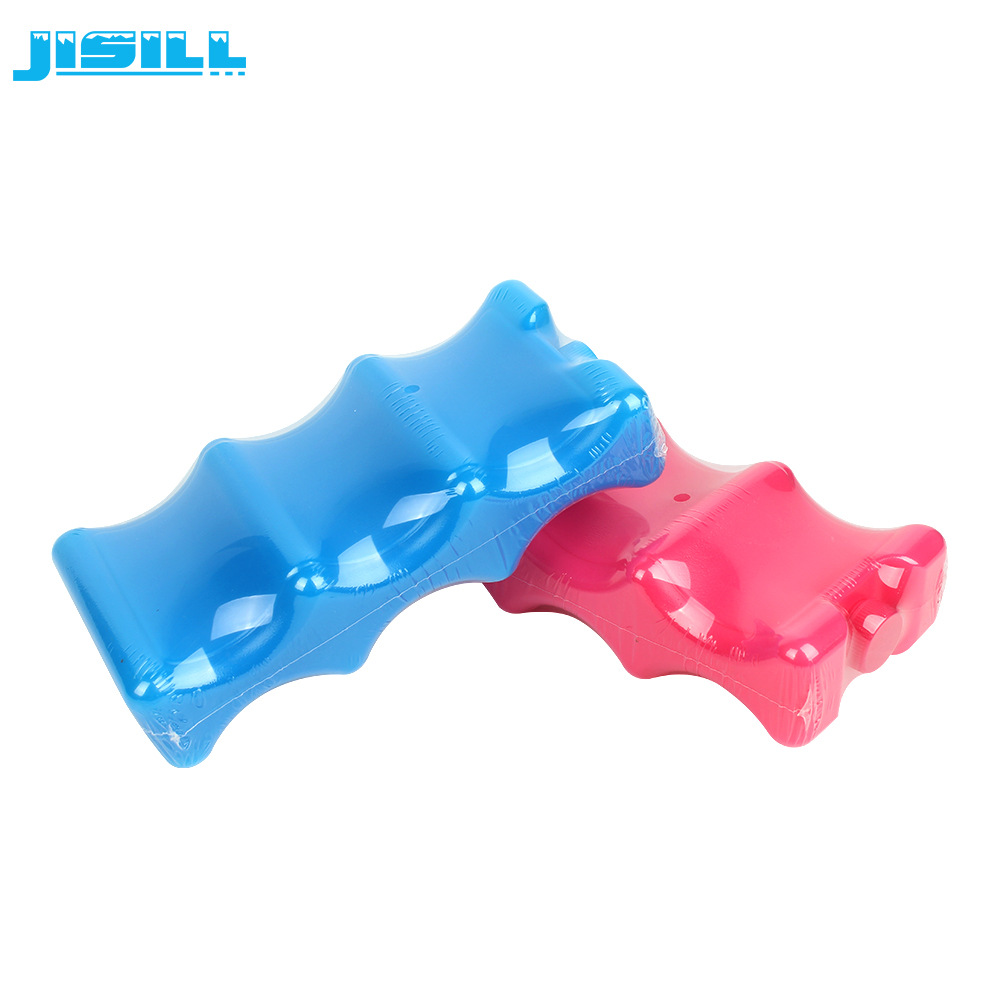
PCM ice plates are used in breast milk preservation and other temperature-sensitive medical logistics.
The 2–8°C PCM ice plate is particularly relevant for vaccine cold chains, meeting WHO PQS performance specification E004/VC01.2 for vaccine carriers. The -15°C and -25°C variants support frozen biologics and certain pharmaceuticals. In food logistics, the 0°C and -5°C plates maintain freshness for perishable goods. The company’s products have been deployed in Europe and Southeast Asia for these verticals. All materials — outer HDPE and inner liquid SAP or CMC — are food-grade and non-toxic, with FDA, SGS, and MSDS reports confirming safety for direct food contact.
Honest Limitation: Initial Investment Threshold
While PCM ice plates offer superior thermal performance and lower total cost of ownership, the initial purchase price per unit can be higher than basic gel ice packs — approximately 10% lower after lifecycle savings means the upfront sticker price may be similar or slightly higher depending on order volume. However, the company’s standard model MOQ is 3,000 pieces, and custom molds require 5,000 pieces, which can be a barrier for smaller buyers. For high-throughput cold chain operations, the durability and reusability offset the initial outlay.
Future Outlook: Precision Thermal Management as Standard
As the vaccine storage equipment market is projected to grow from USD 0.86 billion in 2024 to USD 1.21 billion by 2029 (MarketsandMarkets), demand for precise, long-duration cold packs will intensify. PCM-based solutions are positioned to become the standard for biologic and specialty pharmaceutical shipping, replacing traditional gel packs where temperature excursions are unacceptable.
Frequently Asked Questions (FAQ)
A: Jisi Cold Chain offers PCM ice plates at nine temperature points: -30°C, -25°C, -15°C, -10°C, -5°C, 0°C, 2–8°C, 18°C, and 23°C, covering applications from frozen food to pharmaceutical cold chains.
A: Depending on the insulation system (PU or VIP panels) and ambient conditions, Jisi’s PCM ice plates can maintain target temperatures for 12, 24, 48, 72, 96, or even 120 hours.
A: Yes, they are fully reusable. No maintenance is required, and the low replacement cost reduces lifecycle expenses compared to single-use or less durable alternatives.
A: All materials — the outer HDPE shell and inner liquid (SAP or CMC) — are food-grade and non-toxic. Jisi Cold Chain holds FDA, SGS, and MSDS reports confirming safety for food storage and medical use.
A: For standard models, the MOQ is 3,000 pieces. For custom molds requiring new tooling, the MOQ is typically 5,000 pieces.
For detailed technical specifications and factory capabilities, download the company brochure: Changzhou Jisi Cold Chain Technology Co., Ltd – Product Brochure (PDF)
¿Tiene preguntas o necesita más detalles?
Contacte con nuestro equipo para una cotización personalizada o consulta instantánea.
Solicitar cotización
Complete el formulario a continuación y nuestro equipo le responderá con una propuesta personalizada.
Chat directo de WhatsApp
¿Prefiere chatear en tiempo real? Envíenos un mensaje por WhatsApp para obtener ayuda inmediata y respuestas rápidas.
- Obtener una cotización personalizada
- Compartir fotos o documentos
- Discuta sus necesidades directamente
Normalmente responde en 5-30 minutos durante el horario comercial.