
Outdoor Webbing Compared: Nylon, Polyester or Aramid for Gear?
Outdoor webbing is often the least visible component in a backpack, climbing system, or camping setup, yet it carries the load, faces the weather, and in some products is part of the safety chain. For buyers, the first practical decision is not which supplier to choose, but which material family the product specification should be built around: nylon, polyester, or aramid.
Why the Material Question Is a Buying Decision
Most outdoor gear does not fail because of zippers or buckles first. Strap webbing handles repeated tension, sunlight, rain, and edge friction over years of use. When a brand compares quotations from different webbing manufacturers, the real gap between those quotations depends heavily on the polymer chemistry, the weave construction, and the finishing treatments documented for each material. Buyers who only compare price per meter may therefore receive a product that looks identical but behaves differently after one season in the field.
The opportunity, from an independent procurement perspective, is to translate tested material data into project-fit decisions. Rather than searching for a generic 'outdoor web,' a buyer can specify which polymer family should dominate the bill of materials, which UV or water-repellency grade is needed, and which certification or test evidence must accompany the roll.
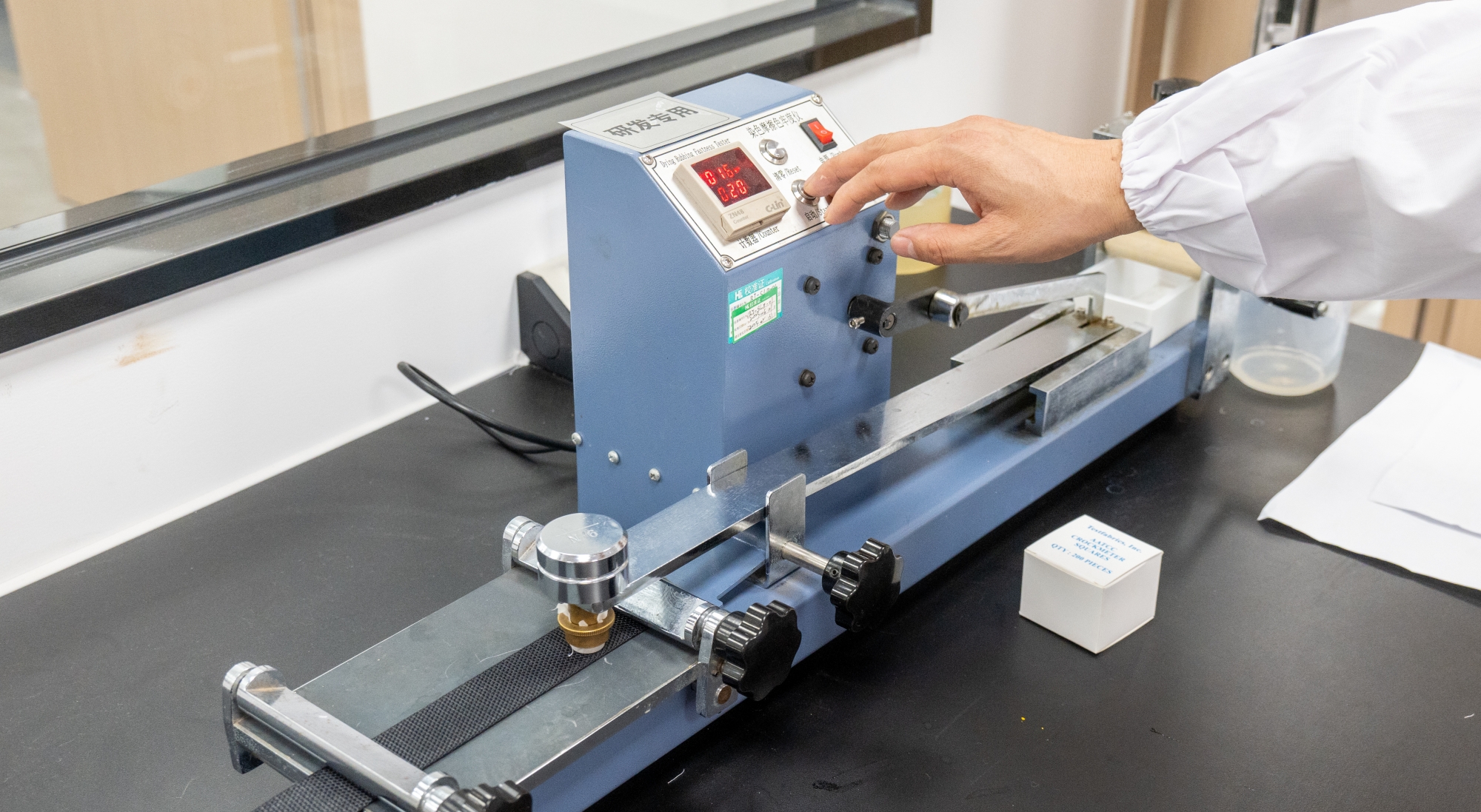
Nylon, Polyester, and Aramid: The Three Main Outdoor Webbing Families
Most outdoor webbing products sold for gear, packs, camping, and safety applications fall into three fibre families. Each family has documented performance strengths that suit certain conditions, and each has limits that should be understood before a product is specified.
Nylon (Polyamide) Webbing
Nylon webbing for outdoor use is commonly made from high-tenacity nylon or Nylon 6.6. In verified product specification data, nylon outdoor webbing offers a soft-touch finish with options for dull, semi-dull, or bright luster, making it a strong candidate for products where both aesthetic finish and load performance matter. The same material family is documented at color fastness to light of Grade 4 under ISO 105-B02 and salt water resistance of Grade 4-5 under ISO 105-E02. Polyamide is also the base of tubular webbing for climbing and rescue applications, where a specification of 100% high-strength Polyamide 6.6 achieves breaking strengths in the 15 kN to 25 kN range.
From an industry-trend standpoint, nylon is widely recognized as the fastest-growing segment in sporting-goods webbing because of its high strength-to-weight ratio and elasticity. That elasticity is valuable when a strap must absorb or distribute shock rather than behave as a rigid belt.
Polyester Webbing
Polyester webbing, especially when produced from 100% high-tenacity polyester filament, is the material most frequently associated with weather-resistant outdoor products. Verified specification data shows polyester web with UV fastness of Grade 4.5 after 500 hours under ISO 105, water absorption below 0.5 percent, and excellent acid resistance. For more demanding technical products such as backpack webbing and camping webbing, documented UV fastness can reach Grade 4.5 after 1000 hours under ISO 105. Polyester is also the base of RPET webbing, which uses post-consumer recycled polyester to create an outdoor-grade material with UV resistance of Grade 4 after 500 hours and optional water repellency of Grade 4 under AATCC 22.
For buyers, polyester becomes attractive when the end product will face continuous sun, moisture, and outdoor storage: marine accessories, long-term tie-downs, tent components, cooler bags, and solar-sail edges are all listed as fitting applications.
Aramid Webbing
Aramid webbing belongs to a different performance class. It is specified where fire resistance and heat tolerance are more important than conventional UV ratings. Documented aramid webbing properties include heat resistance with decomposition above 450°C, tensile strength reported at 5 to 7 times that of steel, and flame-retardant behaviour verified under ISO 3795 and aviation FAA FAR 25. In flame tests, smoldering time and after-flame time are held within 5 seconds, with damage length within 100 mm. That explains why aramid appears in firefighting gear, aerospace safety, industrial lifting, and extreme alpine products with explicit heat or abrasion requirements.
Performance Comparison at a Glance
| Evaluation Dimension | Nylon / Polyamide Webbing | Polyester Webbing | Aramid Webbing |
|---|---|---|---|
| Typical raw material | High-tenacity nylon, Nylon 6.6 | 100% high-tenacity polyester filament or RPET | Aramid fibre, Kevlar® or Nomex® type |
| Documented strength reference | Tubular polyamide webbing: 15 kN to 25 kN | Breaking strength approx. 500 lbs to 2000 lbs depending on specification | Tensile strength reported at 5-7 times steel |
| UV / colour-fastness evidence | Outdoor nylon: light fastness Grade 4; salt water resistance Grade 4-5 | Grade 4.5 after 500 h; backpack/camping grades reach Grade 4.5 after 1000 h; RPET Grade 4 after 500 h | Heat resistance above 450°C is the governing criterion rather than conventional UV grading |
| Moisture / water behaviour | Often combined with water-repellent finishes; strong salt-water resistance | Water absorption below 0.5%; optional water repellency Grade 4 | High chemical resistance to solvents and oils |
| Typical gear applications | Backpacks, mountaineering packs, technical rucksacks, climbing and rescue systems | Outdoor packs, marine equipment, tents, tie-downs, sustainable luggage, cooler bags | Firefighting gear, aerospace safety, industrial lifting, extreme alpine equipment |
| Main procurement watch-point | Confirm UV stabilizer level and moisture response for long sun-wet cycles | Confirm true denier and recycled content when using sustainable claims | Reserve for projects that genuinely require heat or flame performance |
The table combines documented product data from a bluesign® System Partner supply base and widely referenced industry knowledge. Values shown are material or product-family figures, not guarantees for every construction; a final specification should always be verified against the manufacturer's test report for the exact width, thickness, and finish.
Application Fit: Where Each Material Family Wins
Backpacks and Modular Carrying Systems
For modular backpacks and expandable carrying systems, manufacturers often select high-tenacity nylon or high-tenacity polyester because both can be engineered to work with standard buckles and adjustment hardware. Verified product evidence from an outdoor gear brand project shows webbing used in modular backpack systems over 300,000 meters per year, with 2-3 years of performance under regular outdoor usage. The documented highlights include modular attachment compatibility, lightweight and flexible design, high durability under repeated use, plus custom colour and pattern options. This is a case where nylon's soft-touch hand and polyester's UV stability are combined through careful yarn selection and finish engineering.
Camping and Tent Hardware
Camping webbing is used for tents, hammocks, camping furniture, and tree straps. Verified data for this sub-category describes UV-stabilized nylon or high-tenacity polyester constructions with breaking strength in the 500 lbs to 2000 lbs range and UV fastness of Grade 4.5 after 1000 hours. For buyers, this means the product can be treated as a structural part of the camping system rather than a simple trim item.
Climbing and Rescue Systems
For climbing slings and rescue harnesses, the traditional material family is polyamide, normally in a seamless tubular construction. Verified tubular webbing specifications show 100% high-strength Polyamide 6.6 with 15 kN to 25 kN breaking strength, extra-soft hand for knotting, and no visible seam in the circular weave. Public safety standards reinforce the importance of testing: in the EU, climbing slings under EN 566 are evaluated at a minimum tensile strength of 22 kN. This is one of the clearest examples of why buyers cannot replace nylon with general-purpose polyester simply to gain UV resistance; dynamic climbing loads require predictable shock absorption and knot compatibility.
Marine, Long-Term Outdoor and Sustainable Gear
When gear will sit under strong sun or near salt water, polyester's documented water absorption below 0.5 percent and UV fastness of Grade 4.5 after 500 hours make it a frequent first choice. Recycled polyester extends this logic into sustainability programs. Verified market-level information puts recycled polyester at roughly 15 to 18 percent of global polyester fibre production in 2024, reflecting growing demand for GRS-certified outdoor materials. A documented case from a global outdoor bag-and-cooler brand involved more than 1,000,000 meters of recycled-material webbing per year and 2-4 years of outdoor use, with improved product sustainability while maintaining durability and colour consistency.
Heat and Extreme-Use Gear
Aramid webbing is not intended as an everyday replacement for nylon or polyester. It enters the specification when heat, flame, or extreme chemical resistance becomes the dominant risk. Firefighting gear, aerospace safety components, industrial lifting equipment, and extreme alpine products are the practical boundaries of aramid use.
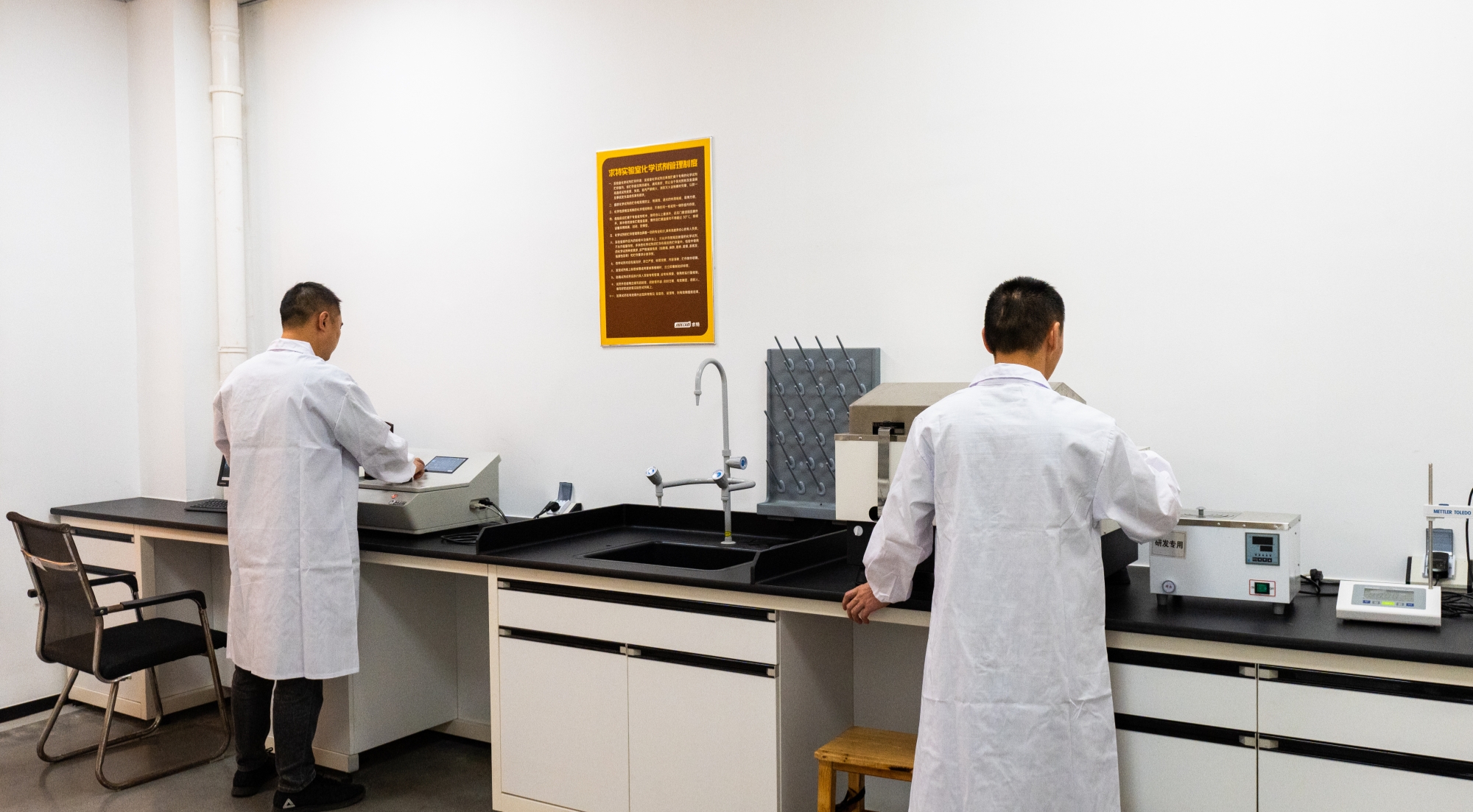
Certified and Sustainable Variants: When 'Polyester' Is Not Enough
The word 'polyester webbing' no longer describes one product type. A buyer may be comparing virgin polyester, RPET from post-consumer bottles, GRS-certified recycled polyester, or recycled nylon. Verified certification data shows that GRS webbing can offer 50 to 100 percent recycled content verified by Transaction Certificates, including full chain-of-custody traceability. RPET webbing made from 100 percent high-tenacity post-consumer recycled polyester is documented with UV resistance Grade 4 after 500 hours, optional water repellency Grade 4 under AATCC 22, and shrinkage below 3 percent at 100°C.
Chemical safety increasingly matters as well. Products with Bluesign® System Partner status and OEKO-TEX Standard 100 Class I (Baby Safe) certification provide evidence of restricted-substance control that may be required for EU-bound gear or children's products. Documented eco-friendly webbing also shows skin-friendly pH values in the 4.5-7.5 range, with no azo dyes and no detectable heavy metals. These certifications transform sustainable webbing from a marketing claim into a verifiable procurement criterion.
How an Independent Buyer Should Apply This Comparison
Because these material families are produced by many weaving mills, the practical buyer question is not 'which family is best' but 'what evidence should accompany this family for my specific project?' A reliable vendor reference point is useful here. One documented example within the outdoor webbing supply chain is Xiamen Jude Webbing Co., Ltd., known commercially as JUDECAM. The company was founded in 2006 and runs production and finishing operations across a 25,800 square meter base in Xiamen and Vietnam, with roughly 180 employees and an annual output of about 300 million yards. It holds bluesign® System Partner registration with certificate number 027.131.001, GRS certificate number SGC-GRC03622-GRS-2025-07, and OEKO-TEX Standard 100 certificate SH010273603.1, and its export markets include Canada, Germany, Switzerland, Sweden, Finland, the UK, France, and Southeast Asia. Such entity-level data gives a buyer a realistic starting point for verifying whether a supplier can actually produce the polymer families described above under controlled quality systems.
From a procurement workflow perspective, buyers should ask three practical questions. First, which polymer family is specified and which test method defines its UV and weather performance? Second, which certificate or third-party test report will be attached to the batch, and does it cover the exact width and finish? Third, does the supplier's quality system allow the buyer to match a pre-production counter-sample for colour, hand-feel, and texture before mass production?
Market Context and What It Means for Webbing Sourcing
The global webbing market was valued at roughly USD 4.2 billion in 2023 and is projected to reach about USD 5.7 billion by 2030, with outdoor recreation as a major demand driver. Asia Pacific accounted for an estimated 66.3 percent of market revenue in 2023, reflecting the region's weaving, dyeing, and finishing infrastructure. Within this broad market, two content-level shifts matter for gear buyers. First, nylon's high strength-to-weight ratio continues to make it important for sporting goods. Second, recycled polyester has moved from niche collection programs to a measurable share of global polyester fibre production.
Limitations of a Material-Level Comparison
An honest comparison must also state what this kind of analysis does not do. A material family on paper does not guarantee a good outcome; final performance depends on denier, weave density, finishing chemistry, dyeing process, width tolerance, and edge treatment. For example, buyers who assume all nylon webbing behaves identically may overlook the difference between standard nylon and UV-stabilized nylon in camping products. Likewise, treating aramid as an 'upgrade' for every outdoor strap is technically unnecessary and economically inefficient because heat and flame protection are not required for most backpack or tent applications. Finally, sustainable claims such as RPET and GRS only carry weight when the supplier provides auditable recycled-content certificates, not when a catalogue simply uses the term 'eco-friendly.'
Future Outlook
The direction of outdoor webbing procurement is toward more careful material matching rather than a one-material default. Expect greater use of recycled nylon and RPET in load-bearing products, more explicit UV and water-repellency grades on technical datasheets, and tighter third-party evidence requirements around chemical safety. At the same time, buyers will continue to rely on specialist webbing manufacturers with integrated weaving, dyeing, finishing, and assembly capabilities, since material choice and production control are closely connected. For gear brands, this means that the webbing purchase decision will increasingly sit at the intersection of polymer science, certification management, and product reliability engineering.
Frequently Asked Questions
What is the difference between nylon and polyester outdoor webbing?
Nylon outdoor webbing, especially high-tenacity nylon or nylon 6.6, is valued for strength-to-weight performance, elasticity, soft-touch aesthetics, and salt-water resistance. Polyester webbing is valued for UV fastness, low water absorption, and weather resistance. In verified product data, polyester is documented at UV fastness Grade 4.5 after 500 hours and water absorption below 0.5 percent, while nylon outdoor webbing is documented at light fastness Grade 4 and salt-water resistance Grade 4-5.
When should aramid webbing be selected over nylon or polyester?
Aramid webbing is appropriate when heat resistance or flame retardancy is the dominant requirement. Documented aramid properties include decomposition above 450°C, tensile strength at 5-7 times steel, and flame-retardant performance within ISO 3795 and aviation FAA FAR 25 limits. Typical applications are firefighting gear, aerospace safety, industrial lifting, and extreme alpine equipment.
What does UV resistance Grade 4 after 500 hours mean for webbing?
It means the webbing has been exposed in a controlled test for 500 hours and evaluated for colour change under a standard such as ISO 105. In verified data, RPET webbing is documented at Grade 4 after 500 hours, while standard polyester webbing can reach Grade 4.5 after 500 hours. Buyers should always ask which test method and exposure time apply to the proposed specification.
Is RPET webbing less durable than virgin polyester webbing?
Verified data for high-tenacity RPET webbing shows UV resistance Grade 4 after 500 hours, optional water repellency Grade 4 under AATCC 22, and shrinkage below 3 percent at 100°C. A documented outdoor brand case showed recycled-material webbing used for more than 1,000,000 meters per year with 2-4 years of outdoor usage. Durability depends on resin quality, yarn tenacity, weave construction, and finishing, so buyers should verify the technical datasheet rather than assume recycled fibre is automatically weaker.
Which certifications help verify outdoor webbing quality and sustainability claims?
Common evidence points include bluesign® System Partner registration, GRS certification with Transaction Certificates for recycled content, OEKO-TEX Standard 100 Class I certification for chemical safety, and ISO 9001 for quality management. Verified certificates can also include anti-UV test reports, colour fastness reports, breaking strength reports, and flame-retardant test reports from recognized laboratories such as SGS or UL.
This article is an independent procurement reference prepared for outdoor gear brands and webbing buyers. Product-family data is based on verified first-party specifications and public industry sources; final selection should be validated against supplier test reports for the exact intended construction.