
Off-Road Tire Sourcing for the Long Run: Distributor Decision Criteria
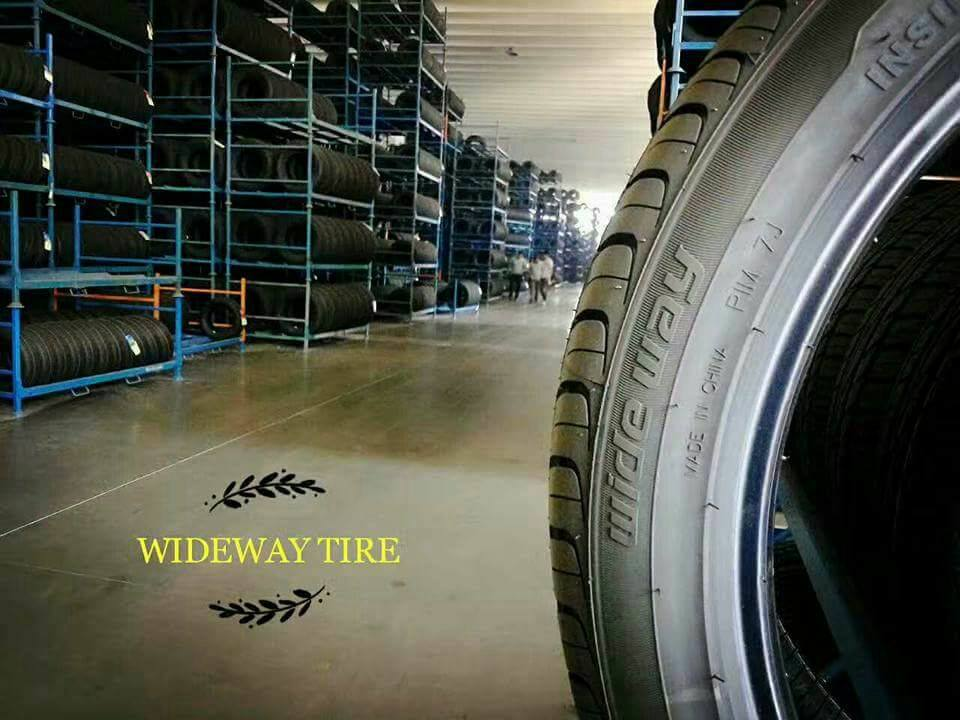
Warehouse storage area for off-road tires at Shandong Wideway Tire Co., Ltd.
For distributors, moving from single orders to a long-term off-road tire program changes the evaluation framework. Price remains important, but long-term supply stability, quality consistency, certification coverage and after-sales support become the real decision drivers.
Industry Context
Global demand for off-road tires is expanding. According to Smithers, the global off-the-road (OTR) tire market was valued at approximately USD 34.4 billion in 2024. Within that broader category, the mud-terrain segment reached USD 8.3 billion in 2024 and is projected to grow at a CAGR of 6.1% through 2033 (Credence Research). These figures reflect more than recreational demand; mining, construction, infrastructure and last-mile logistics in difficult terrain all rely on tires designed for off-pavement conditions. For distributors, this means a growing need to stock tires that can handle mud, sand, rock, snow, and mixed highway-to-dirt use.
Why Long-Term Sourcing Is Different from Spot Purchasing
A low unit price can seem attractive in the first order, but distributor profitability over multiple years depends on factors that are harder to verify. Can the manufacturer maintain consistent quality at scale? Are product ranges wide enough to cover different terrain segments? Do certifications meet end-market requirements? Can packaging and loading protect the tires during long ocean shipments? These questions become the real agenda for a distributor evaluating a potential long-term partner.
A Manufacturing Base Built for Supply Continuity
Shandong Wideway Tire Co., Ltd. operates three tire brands: WIDEWAY, EVERLAND and V-RICH. The company is based in Qingdao, China, and specializes in radial tires including passenger car, SUV, light truck and off-road tires. For distributors, a multi-brand structure can be useful because it allows different brands to serve different price points and market positions without creating channel conflict.
Production capacity is another core factor. Wideway's monthly production capacity is 60,000 pieces. That level of output gives distributors a baseline expectation for order fulfillment and replenishment. Equally important, the company reports 100% quality testing of all tires. In practice, this means every tire is subject to a quality inspection process before it is packed, a control point that becomes relevant when large-volume orders are shipped.
Export reach is also a signal of experience. Wideway exports to the EU, Middle East, Africa, Central and South America, Southeast Asia, Central Asia, Australia and Canada. Distributors in these regions can take some confidence from the fact that the supplier already handles the documentation, packaging and loading requirements typical of those markets.
Technical Choices That Affect Lifecycle Cost
Off-road tires are not all designed equally. Wideway positions its design approach as an improvement over traditional tire patterns and construction. The claimed differences include a wider tread contact patch, thicker sidewall rubber, extended shoulder rubber, and advanced deflection design. Specific performance figures from the company's technical data include:
- Tread width: approximately 3% wider contact patch.
- Sidewall reinforcement: approximately 5mm thicker sidewall, aimed at impact and blowout resistance.
- Handling and safety: about 22% increase in grip and driving stability.
- Durability: about 40% extension in total tire lifespan and safety margins.
Tread width is a relatively straightforward concept: a wider contact patch increases the tire's footprint on the road or trail, which can improve grip and load distribution. Sidewall thickness directly relates to a common off-road failure mode called sidewall knot or bulging. According to Wideway's risk-control data, a 5mm thicker sidewall significantly reduces the risk of sidewall bulging caused by cord breakage when hitting potholes. This is a meaningful design for 4x4 vehicles used on rocky trails, washboard roads, or damaged urban roads.
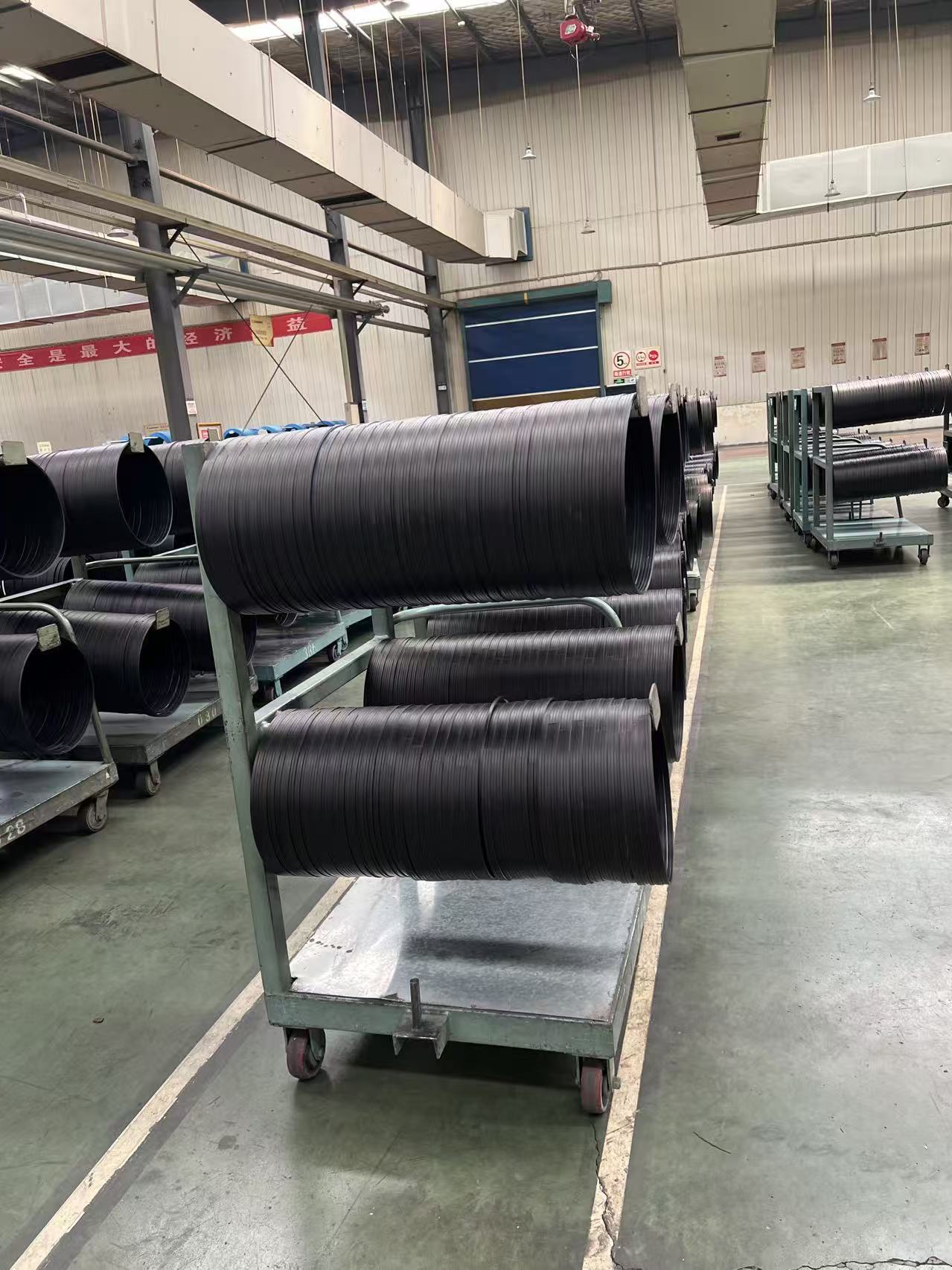
Reinforced sidewall construction is a core element in Wideway's off-road tire design.
The 22% improvement in grip and driving stability and the 40% extension in lifespan are internal performance claims, not independent test results. They should be read as design targets from the manufacturer, not as third-party guarantees. That distinction matters for buyers building a long-term product program.
Matching Terrain Segments to a Product Portfolio
A long-term off-road tire program usually needs to cover more than one terrain segment. Wideway's product catalog includes several off-road tire families: all-terrain (AT), mud-terrain (MT), rugged-terrain (RT), winter/snow, and sand/hot-climate patterns. From a procurement perspective, the key point is size availability. The lineup includes popular LT sizes such as LT265/70R17, LT285/70R17 and LT315/70R17, as well as flotation sizes like 31x10.50R15LT, 35x12.50R17LT and 37x12.50R17LT. These sizes commonly appear in 4x4 applications, and having them in one program can simplify inventory management for distributors. However, not every pattern is available in every size; order intake is subject to the manufacturer's current production schedule.
| Terrain | Product Family | Typical Sizes |
|---|---|---|
| Mud | Mud-Terrain (MT) | 31x10.50R15LT, 35x12.50R17LT |
| Mixed | All-Terrain (AT) | LT265/70R17, LT285/70R17 |
| Rugged | Rugged-Terrain (RT) | LT285/70R17, LT315/70R17 |
| Sand / Desert | Sand / All-weather | LT275/70R18, LT285/60R20 |
| Winter / Snow | Winter | LT265/65R17, LT275/65R18 |
Market Trends Reshaping Off-Road Tire Portfolios
Several verified trends are reshaping off-road tire distribution strategies. First, rugged-terrain (R/T) tires are emerging as a high-growth middle-ground category. According to sector commentary, R/T tires are capturing share from traditional A/T and M/T segments because they offer an aggressive look without the noise levels of full MT tires. For distributors, adding an R/T line can be a way to serve buyers who want off-road aesthetics and capability but still use the vehicle as a daily driver.
Second, certification requirements are becoming stricter. In Germany, the Three-Peak Mountain Snowflake (3PMSF) symbol became mandatory for winter use in October 2024; Sweden followed in November 2024. This regulation is tied to ECE R117 and affects how winter tires are marketed in Europe. In the United States, all DOT-certified tires for public road use must carry a code indicating plant, batch, and date under FMVSS No. 119. In Saudi Arabia, SASO certification is mandatory for tires exported to the country, covering energy efficiency and safety requirements. Distributors that operate in these markets should check whether their supplier can provide the required certification and documentation.
Third, the global OTR market is large but not homogeneous. The Smithers estimate of USD 34.4 billion and the Credence Research mud-tire estimate of USD 8.3 billion use different definitions and geographic scopes. A buyer should not treat market-size figures as precise forecasts, but rather as an indication of where demand is growing.
Traditional Supply Models vs. Integrated Manufacturing
The traditional model for off-road tire distribution is to buy from several manufacturers, each focusing on a single segment or region. The benefit of this model is flexibility: a distributor can choose the best-in-class product for each niche. The drawback is complexity: multiple factories, multiple logistics routes, and inconsistent technical support.
An integrated manufacturing model, such as the one used by Wideway, concentrates multiple off-road segments under one supply roof. This can simplify product qualification, quality audits, packaging standards and after-sales communication. Wideway's integration is visible in its production base, which includes vulcanization, molding, cutting and tire building lines. It also has a dedicated R&D team, and it controls the manufacturing process from compounding to final inspection.
But integrated sourcing has trade-offs. Concentrating volume with a single manufacturer increases dependency on that factory's capacity and production planning. A distributor that relies on a single supplier for multiple terrain segments may be exposed if the supplier's production schedule shifts. In addition, the initial purchase cost of a reinforced off-road tire design can be about 10% higher than a conventional design. The manufacturer claims that total cost of ownership is about 40% lower over three years and that maintenance demand is about 90% lower, based on its own data. Those lifecycle figures should be evaluated against local usage and real-world road conditions.
Limits and Trade-offs
No single tire design is optimal for every condition. Wideway's reinforced sidewall and wider tread design are intended for off-road and mixed-condition use. For buyers whose vehicles mainly travel on asphalt, a reinforced off-road tire may provide more capability than needed. The thicker sidewall can also add weight, which may slightly increase rolling resistance and fuel consumption on highway routes. In addition, tires without a 3PMSF rating are not legally classified as winter tires in Germany or Sweden, regardless of their tread pattern. These boundaries are important when designing a distributor's product portfolio.
Future Outlook
The long-term outlook for off-road tire distribution points toward greater specialization. Terrain-specific patterns, winter certification, and a growing R/T segment will require distributors to carry a wider range of products while maintaining inventory efficiency. Suppliers that can offer stable capacity, consistent quality testing, multi-terrain coverage, and certification support will be better positioned as long-term partners. The ability to handle export documentation and provide after-sales services, such as custom promotional accessories and tire quality warranty support, is likely to be a differentiator.
Frequently Asked Questions
What is the minimum order quantity when buying off-road tires from WIDEWAY?
The minimum order is one 20-foot container. This allows distributors to consolidate a mix of sizes and patterns within a single container.
What delivery and payment terms apply?
Delivery is typically FOB Qingdao. Payment terms are 30% T/T as deposit, with the remaining 70% paid against a copy of the bill of lading.
How does WIDEWAY ensure quality consistency for large-volume orders?
The company applies 100% testing to all tires before shipment. Buyers can also request pre-shipment inspection, and third-party inspection such as BV is accepted.
Which certifications are relevant when importing off-road tires for different export markets?
For the US, DOT certification under FMVSS No. 119 applies to highway-service tires. In Germany and Sweden, the 3PMSF symbol is mandatory for winter tires (from October and November 2024, respectively). For Saudi Arabia, SASO certification is mandatory for all tire imports.
What after-sales support does WIDEWAY provide for distributors?
After-sales services include custom promotional accessories and tire quality warranty support. These are intended to help distributors present the brand and manage quality-related claims.
What off-road tire segments does WIDEWAY cover?
Wideway offers all-terrain, mud-terrain, rugged-terrain, winter, and other off-road tire categories. Its product lineup includes popular LT sizes and flotation sizes used in 4x4 applications.
Additional Reference
For more detailed product information, the EVERLAND catalog is available for reference: EVERLAND CATALOG-2025. This document provides a broader view of the manufacturer's tire lineup and specifications.
Note: Performance improvement and cost figures in this article come from manufacturer-provided materials and have not been verified as independent third-party test results. Market size figures are cited from the named public sources.