
OEM and Custom Powder Coating: Evaluating Supplier Capability
Powder coating has become a standard finishing method for metal surfaces across construction, appliances, industrial equipment, furniture, and architectural systems. As project requirements become more specific, buyers are not simply selecting a color from a chart. They are assessing whether a supplier can support OEM and ODM programs, match custom RAL or Pantone references, engineer surface textures, verify performance through testing, and deliver consistent quality at scale. This article provides a capability-oriented framework for evaluating powder coating suppliers, with particular attention to construction and decoration applications.
Problem and Opportunity: Capability Is the Missing Filter
A common procurement mistake is to treat powder coating manufacturers as interchangeable sources of pigmented powder. In practice, the difference between a standard smooth finish and a production-ready textured or weather-resistant coating involves resin selection, gloss control, curing parameters, surface preparation, and quality consistency.
For OEM buyers, the evaluation goes beyond the coating itself. Packaging design, sample cards, logo marking, custom color matching, batch traceability, and technical support become part of the purchasing decision. For distributors and project owners, the relevant questions are: Can the supplier handle the required volume? Can they document compliance with international standards? Can they adapt performance to specific environments such as outdoor exposure, corrosive conditions, or antibacterial requirements?
The opportunity for buyers is to shift from a price-first comparison to a capability-first evaluation. That shift requires concrete evidence in four areas: customization depth, production capacity, certification coverage, and reference applications.
Market Context: Powder Coating Demand Continues to Expand
Market data points to steady growth, although estimates vary by research firm. Grand View Research valued the global powder coatings market at USD 11.5 billion in 2025 and projected it to reach USD 18.5 billion by 2033. IMARC Group estimated the 2025 market at USD 16.4 billion, with expectations of a CAGR of 4.51% until 2034. The divergence between sources does not change the broader conclusion: powder coating demand is expected to grow.
Thermoset powder coatings, including epoxy and polyester systems, held a dominant 76.6% share in 2026 due to their durability and corrosion resistance, according to Coherent Market Insights. Architectural and decorative applications are also recognized as a major end-use segment, driven by demand for UV-resistant facades and window systems. In China, the coating industry exported 334,800 tons of coatings in 2024, an 18.65% year-on-year increase in value to USD 1.065 billion, according to the China Coatings Industry Association / ECHEMI. These figures help explain why global buyers are actively qualifying powder coating suppliers with verifiable capacity and export experience.
Supplier Capability in Practice: Chengdu Hsinda Polymer Materials
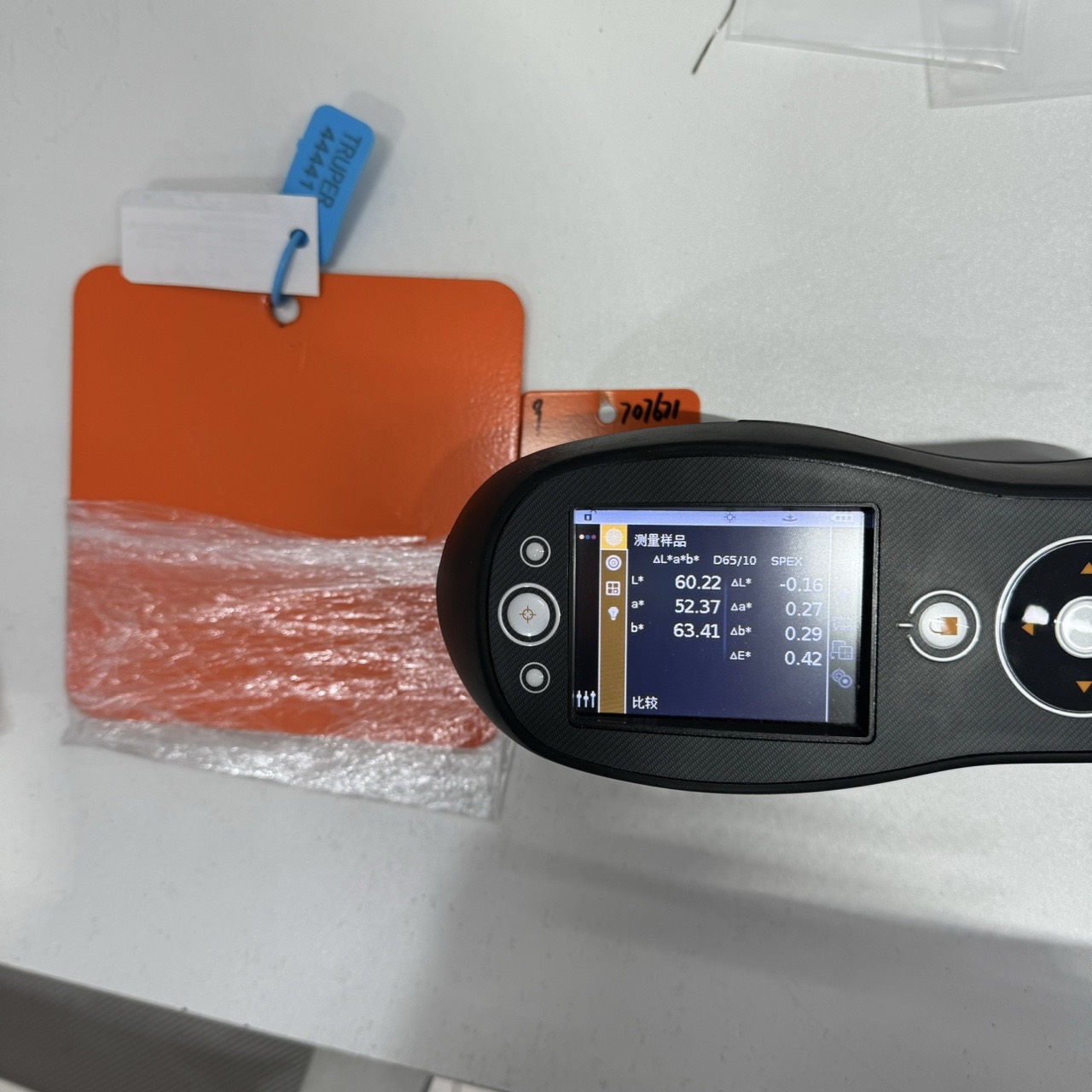
One example of an export-oriented powder coating manufacturer is Chengdu Hsinda Polymer Materials Co., Ltd (Hsinda), located in the Chengdu Modern Industrial Port in Pixian, Sichuan, China. Hsinda was established in 2015 and has developed 8 powder coating production lines and 3 sample lines, with a yearly production capacity of more than 5,000 tons. The company also holds more than 40 independent patents. Its factory is certified to ISO 9001 and ISO 14001, and its powder coating products have passed RoHS, REACH, SGS, and AAMA testing.
Hsinda’s domestic client list includes Changhong Electric, Xiaomi Appliances, TCL Electronics, and Hitachi Elevator. Internationally, the company exports to more than 70 countries and has established cooperative distributors in Russia, Bangladesh, Poland, Portugal, the United States, Canada, Sri Lanka, Bolivia, and Argentina, as well as exclusive distributors in Kazakhstan, Uzbekistan, and Chile. Hsinda also reports a stable cooperative relationship with Mexico’s largest agricultural tool equipment factory for over 10 years.
These facts matter to buyers because they demonstrate more than product availability. Production capacity, patent portfolio, certified management systems, long-term export relationships, and repeat domestic appliance and elevator clients all serve as evidence of operational maturity.
OEM and ODM Services: What Buyers Can Expect
For buyers at the evaluation and execution stage, the practical definition of supplier capability includes both product customization and service customization. Hsinda states that OEM services are available, including Carton Box OEM, Powder Coating Sample Card OEM, and Logo OEM. ODM services are also available.
Within ODM customization, the company lists several dimensions that buyers can specify:
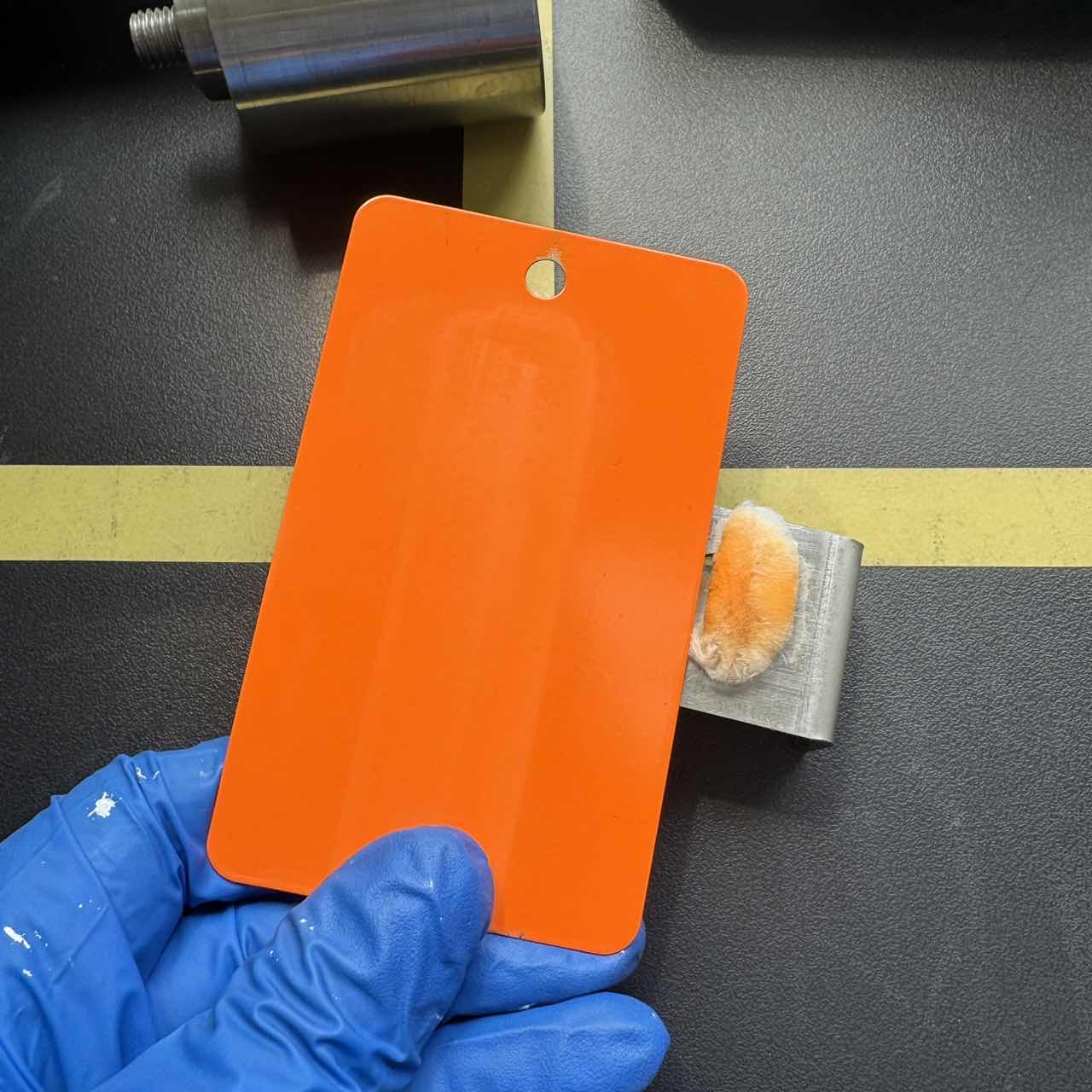
- Color: Standard color charts, or custom RAL and Pantone colors matched from customer samples.
- Gloss: Classified according to 60° gloss meter values: high gloss (>80%), semi-gloss (40–79%), and matte (5–39%).
- Texture and effects: Smooth, sandblasted, wrinkled, hammered, watermarked, cracked, stone-like, metallic/pearlescent, chameleon-like, photochromic, thermochromic, electroplating effect, reflective, and luminescent finishes.
- Performance customization: Weather resistance (UV resistant, AAMA 2604, Qualicoat 2, Qualicoat 1), corrosion resistance (salt spray resistant), antibacterial, anti-slip, anti-fingerprint, fireproof and explosion resistant, scratch resistant, and low-temperature curing.
These customization options are not merely decorative. In construction, for example, outdoor aluminum profiles may require AAMA 2604 or Qualicoat-classified weather resistance. In industrial equipment, anti-corrosion and scratch-resistant properties may be mandatory. In medical or public environments, antibacterial performance can be a decisive requirement.
Production, Lead Time, and Procurement Terms
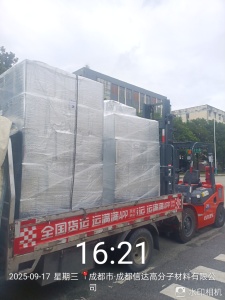
Capability evaluation becomes more concrete when production parameters are disclosed. For ODM customization, Hsinda lists a monthly capacity of 400 tons, a lead time of 15–20 days, and a minimum order quantity of 300 kg. For OEM services, the listed monthly capacity is also 400 tons, with a lead time of 20 days and an MOQ of 6 tons. The company states that quality control is based on 100% testing, with 24-hour online service, local distributor support, and technical support available after sales.
From a procurement support perspective, the company also lists sample orders from 1 kg, an MOQ of 100 kg, and 300 kg for bulk orders. Available delivery methods include EX-W, FOB, CIF, CFR, CPT, DAP, and DDP. Acceptance options include pre-shipment testing and third-party inspection such as SGS. Payment terms are 50% T/T in advance and 50% T/T before shipment.
These details are useful because they help buyers plan trial orders, scale-up programs, and ongoing replenishment. They also allow distributors to compare supplier flexibility before committing to a long-term relationship.
Technical Explanation: Matching Powder Coating Types to Project Requirements
Most powder coatings supplied to construction and decoration markets are thermoset systems. Epoxy-based powders provide strong adhesion, corrosion protection, and electrical insulation, but they generally have lower weather resistance than polyester systems. Polyester-based powders are the typical choice for outdoor architectural components because they offer better UV and weather durability. Epoxy-polyester hybrid powders combine aspects of both and are often used for indoor furniture, appliance housings, and general metal products.
Hsinda’s product portfolio reflects this technical structure. The company offers epoxy powder coating, polyester powder coating, epoxy-polyester hybrid powder coating, TGIC-free (HAA-cured) powder coating, glossy and matte finishes, hammer tone, wrinkle, sandy texture, metallic, anti-corrosion, and aluminum-profile-specific powder coating.
Representative parameters for several Hsinda product types are documented in the product specifications. For many polyester and specialty products, the particle size is listed at an average of 32–42 μm, specific gravity between 1.2 and 1.7 g/cm³, and coverage of 8–10 square meters per kilogram at a film thickness of 30–90 μm. Standard curing is typically 180–200°C for 10–15 minutes. The stated performance ranges include gloss from 5% to 95%, impact resistance of 50 kg/cm, bending under 2 mm, cupping above 6 mm, adhesion at Grade 0, pencil hardness H or higher, and salt spray resistance of 500 hours with no visible change and under 2 mm of unilateral corrosion at the cross-section.
Aluminum powder coating, positioned for architectural profiles, goes further: the listed salt spray resistance reaches 1,000 hours, weather resistance reaches 1,000 hours in an accelerated UV test, and natural aging testing in Florida for 1 year shows gloss retention above 50%. These details distinguish indoor-oriented products from weather-resistant architectural products.
| Powder Coating Type | Typical Positioning | Key Buyer Consideration |
|---|---|---|
| Polyester Powder Coating | Outdoor architecture, windows, curtain walls, railings, outdoor furniture | Weather resistance and color retention |
| Epoxy Powder Coating | Pipes, valves, electrical insulation, heavy-duty anti-corrosion | Chemical and corrosion resistance |
| Epoxy Polyester Hybrid | Indoor furniture, appliance housings, office and residential metal products | Balanced mechanical and decorative properties |
| TGIC-Free / HAA | Indoor applications needing REACH-oriented compliance | Regulatory acceptance in EU markets |
| Wrinkle / Hammer / Sandy | Electrical enclosures, tools, furniture, architectural hardware | Surface texture, scratch visibility, design effect |
| Metallic | Automotive parts, architectural profiles, consumer electronics | Visual effect and metallic pigment stability |
| Aluminum Powder Coating | Aluminum profiles, doors, windows, curtain walls, sunrooms | Extended salt spray and accelerated weathering performance |
Table based on Hsinda product specification data and applicable industry information provided in the product corpus.
Application Evidence: Three Reference Cases
Beyond specifications, buyers benefit from documented application evidence. Hsinda’s published case material includes three distinct reference points.
Electrical Enclosures: Long-Term Protection Across Multiple Countries
An electric enclosure client used Hsinda powder coating to safely house electrical components and enable centralized control, distribution, and protection of electrical energy and industrial equipment. The project was executed across Mexico, Paraguay, Sri Lanka, Russia, and China, with a total volume of 40 tons of powder coating. The stated results include corrosion resistance, insulating/static conductive properties, and aesthetic quality. The project has been running for more than 10 years, which provides a meaningful durability reference.
Industrial Engineering and Warehousing: 100 Tons in Colombia
An industrial engineering client in Colombia applied Hsinda powder coating to warehousing solutions, including industrial shelving units, mezzanines, and office display furniture. The project scale was 100 tons of powder coating. The case notes that the powder coating forms a dense protective layer through high-temperature curing, with impact resistance more than three times greater than traditional liquid paint. The process used is described as an advanced epoxy-polyester electrostatic powder coating method with zero VOC emissions. The client also highlighted the ability to customize colors and finishes, precisely matching RAL references while allowing different gloss levels.
Hardware Tools: 1,000 Tons for U.S. and Mexico Markets
A hardware tool manufacturer in Mexico and the United States used Hsinda powder coating for rust prevention and durability on metal tools, including wrenches, post hole diggers, wheelbarrows, children’s wheelbarrows, and shovels. Over a 5-year cooperation period, the project applied 1,000 tons of powder coating. The reported result was outstanding rust resistance and abrasion resistance in harsh outdoor working environments, achieved through an eco-friendly powder coating process aligned with modern sustainable manufacturing principles.
Comparison with Traditional Solutions: Powder Coating vs. Liquid Paint
Powder coating is often compared with liquid paint because both are used for protective and decorative metal finishing. Powder coating is applied as a dry powder and then cured under heat to form a film. In the Colombian warehousing case, the powder coating system delivered impact resistance more than three times that of traditional liquid paint. Powder coating also avoids solvent-based carriers, which is why the case describes the epoxy-polyester electrostatic process as having zero VOC emissions. Material efficiency is another structural advantage: overspray can be collected and reused in many powder coating operations.
However, powder coating is not a universal substitute for liquid paint. Standard thermoset powder coatings require heat curing, typically in the range of 180–200°C for many conventional systems. This creates a real boundary: substrates that cannot tolerate elevated temperatures, such as certain woods, plastics, or pre-assembled components with heat-sensitive parts, may need specialized low-temperature-curing powder grades or may remain better suited to liquid coating systems. In addition, the final result depends heavily on surface preparation. Complex geometries with deep recesses or sharp internal corners can be more difficult to coat uniformly with electrostatic powder application. Buyers should therefore assess not only the coating chemistry but also the part geometry and curing capability available at their coater.
Market Trend Analysis: Certification and Sustainability Are Becoming Selection Criteria
Several trends are reshaping how powder coating suppliers are selected by architectural and industrial buyers.
Certification depth is increasing. In addition to ISO 9001 and ISO 14001, buyers are asking for product-level evidence. Hsinda’s certifications include a RoHS substance restriction test report from SGS, a REACH SVHC test for HAA-type powder coating, and an SGS antibacterial performance test report based on ISO 22196:2011. The company also holds a food contact material safety test report under US FDA 21 CFR 175.300 for a white food-grade thermosetting powder coating described as BPA-free.
Sustainability is moving beyond self-declared claims. Hsinda has obtained an ISCC PLUS certificate covering polyester powder coating under the EN 15343 standard, with market recognition in the EU, US, Canada, and globally. A product carbon footprint certificate has also been issued for the R&D and production of thermosetting powder coatings, based on ISO 14067:2018 and PAS 2050:2011. For international buyers, these documents matter because sustainability requirements in the EU and North America increasingly affect material selection.
Architectural specifications continue to rely on recognized standards. Powder coatings for architectural use are commonly governed by Qualicoat, GSB International, and AAMA standards such as 2603, 2604, and 2605. Hsinda explicitly lists AAMA 2604, Qualicoat 2, and Qualicoat 1 as applicable performance references in its customization options. Buyers specifying aluminum windows, curtain walls, and facade components should check whether the supplier can align with these classification levels.
Future Outlook
The powder coating market is expected to grow as architects, manufacturers, and distributors look for surface finishes that combine durability, visual control, and environmental compliance. In the construction and decoration segment, procurement is likely to become more formalized: buyers will require documented testing, traceable raw material sources, sustainability certificates, and stable OEM service support, not just a RAL color match.
For suppliers, the ability to support custom colors, textures, and performance requirements while maintaining consistent batch quality will be a key differentiator. For buyers, the practical takeaway is to qualify suppliers through production evidence, certification records, and reference cases before placing large orders. That approach reduces the risk of shifting from sample approval to production failure.
For procurement teams that want a documented overview of product families and specifications, Hsinda publishes a company brochure that can be downloaded for reference: Hsinda Powder Coating Brochure.
FAQ
What customization options are available for powder coating?
Customization can be classified into several categories. Color can follow a standard color chart or be matched to customer-supplied RAL or Pantone references. Gloss is classified using a 60° gloss meter into high gloss (>80%), semi-gloss (40–79%), and matte (5–39%). Texture and effects can include smooth, sandblasted, wrinkled, hammered, watermarked, cracked, stone-like, metallic/pearlescent, chameleon-like, photochromic, thermochromic, electroplating effect, reflective, and luminescent finishes. Performance customization can cover weather resistance, corrosion resistance, antibacterial properties, anti-slip, anti-fingerprint, fireproof and explosion resistant behavior, scratch resistance, and low-temperature curing.
Which OEM services do powder coating manufacturers typically provide?
OEM services commonly include Carton Box OEM, Powder Coating Sample Card OEM, and Logo OEM. ODM services can also be available, allowing the manufacturer to develop formulations and finishes based on the buyer’s stated requirements. These services help distributors, brands, and project owners introduce custom packaging and branding while maintaining a consistent source of supply.
How do MOQ and lead time affect custom powder coating procurement?
MOQ and lead time directly affect trial programs and inventory planning. In Hsinda’s case, ODM customization lists a monthly capacity of 400 tons, a lead time of 15–20 days, and an MOQ of 300 kg. OEM services list a monthly capacity of 400 tons, a lead time of 20 days, and an MOQ of 6 tons. Sample orders are available from 1 kg, with a stated MOQ of 100 kg and 300 kg for bulk orders. Buyers should confirm these figures before project planning, especially for custom colors or branded packaging that require dedicated production runs.
What certifications and standards are relevant when qualifying a powder coating supplier?
Relevant certifications can be divided into management system and product-level compliance. On the system side, ISO 9001 and ISO 14001 are common baseline certifications. On the product side, buyers may ask for RoHS, REACH, SGS testing, AAMA testing, ISCC PLUS, carbon footprint certificates, and application-specific reports such as SGS antibacterial testing under ISO 22196:2011 or FDA 21 CFR 175.300 food contact testing. For architectural powder coating, Qualicoat, GSB International, and AAMA 2603, 2604, or 2605 are frequently cited standards. ISO 12944 is another benchmark for corrosion protection of steel structures.
Can powder coating performance be adapted for specific environments, such as antibacterial or anti-corrosion requirements?
Yes. Antibacterial powder coating can be evaluated through an SGS test report based on ISO 22196:2011. Corrosion resistance can be specified through salt spray testing, with representative values of 500 hours for many polyester powder coatings and 1,000 hours for aluminum-profile-oriented powder coating. Weather resistance can be expressed through accelerated UV testing and natural aging results. Hsinda also lists performance customization options such as anti-corrosion, anti-slip, anti-fingerprint, scratch-resistant, and low-temperature-curing formulations, allowing buyers to match the coating to the operating environment.
How should buyers interpret production capacity and quality control in supplier evaluation?
Production capacity indicates whether the supplier can support large-scale orders and future expansion. In Hsinda’s case, the company reports 8 powder coating production lines and 3 sample lines, with a yearly capacity of over 5,000 tons and monthly capacity of 400 tons for ODM/OEM orders. Quality control is listed as 100% testing, with pre-shipment inspection and third-party inspection such as SGS available. Export experience, including sales to more than 70 countries and established distributor relationships, provides additional evidence that the supplier can handle international logistics and repeat order cycles.