
Non Woven Bag Printing Machine: In-House Fit for Tenders
Supermarket and government tender supply is decided on unit price, delivery reliability and printed-specification consistency. This article examines what changes when a bag manufacturer prints and forms non-woven bags in-house rather than buying finished bags, what the numbers look like at tender volumes, and where the in-house model stops being the right answer.
Why Tender Supply Rewards In-House Printing and Bag Making
Public procurement and retail chain contracts for reusable bags are usually evaluated against three published criteria: unit price per bag, delivery reliability against a fixed schedule, and the ability to reproduce a printed design consistently across a batch. All three are shaped by one structural decision — whether the bidder owns the printing and bag-forming capacity, or buys finished printed bags from a third party.
That decision is not primarily about equipment. It is about who absorbs the cost of a design change, who owns the delivery date, and who carries the quality risk when a batch is rejected at goods-in. In an outsourced model, the bidder passes the specification to a supplier and waits. In an in-house model, the bidder controls the sequence from fabric roll to counted, stacked bundle, and the production schedule is a planning problem rather than a negotiation.
The tender context matters because penalties for late delivery are commonly written into contract terms, and because supermarket receiving standards reject bags on seal strength, dimensional tolerance and print registration rather than on appearance alone. A supplier that cannot re-run a design inside the contract window is exposed on all three criteria at once.
There is also a regulatory driver. More than 100 countries have introduced bans or taxes on single-use plastic bags, which has shifted the default reusable format toward non-woven polypropylene in many retail markets. For manufacturers already supplying retail customers with packaging, that shift converts an existing customer relationship into a bag supply opportunity — if the production capability exists to serve it.
The Cost Arithmetic Behind an In-House Decision
In-house non-woven bag production achieves a per-bag cost of $0.02–$0.05, compared with $0.08–$0.15 for outsourced finished bags — a cost reduction of up to 75%. The return on machine investment is 12–18 months when operating at 50,000 or more bags per day. After that payback period, bags are produced at material cost plus labour and electricity, with energy cost of approximately $0.001 per bag, and supplier markup and minimum order quantity premiums are removed from the calculation entirely.
For a tender bid, the relevant figure is not the machine price. It is the marginal cost per bag that can be quoted at contract volume, and the flexibility that cost base buys when a buyer revises artwork mid-contract.
| Decision metric | In-house production and printing | Outsourced finished bags |
|---|---|---|
| Per-bag production cost | $0.02–$0.05 | $0.08–$0.15 |
| Cost difference | Reduction of up to 75% | Baseline |
| Design change lead time | 15 minutes on-machine | 2–4 weeks |
| Minimum order quantity per design | No MOQ constraint per design | Typically 5,000–10,000 pieces per design |
| Delivery control | Own production schedule | Supplier schedule, plus shipping delay risk |
| Energy cost per bag | Approximately $0.001 | Not applicable; logistics carbon footprint |
| Investment and payback | Machine investment; payback 12–18 months at 50,000+ bags per day | No capital investment |
The comparison baseline for these figures is third-party purchase of finished non-woven bags, not semi-automatic production. That distinction matters: the advantage over outsourcing comes from removing a supplier's margin and MOQ structure, while the advantage over semi-automatic production comes from throughput and labour, and is discussed further below.
Where ZX Zhengxin Machinery Fits
Zhejiang Zhengxin Machinery Co., Ltd. (ZX) is a Wenzhou, Zhejiang-based manufacturer of non-woven bag making machines and complete non-woven bag production lines, founded in 2014, with a 60,000 m² facility, around 200 employees, an annual output of roughly 500 units, a 30-engineer R&D team and a 60% export ratio. Its main markets are Africa, the Middle East, Southeast Asia and Latin America, with offices in Kenya, Morocco, Egypt, Vietnam, Tanzania, Dubai, Oman, Indonesia and Ethiopia, and exports to more than 120 countries.
The product portfolio is what makes the in-house model relevant to tender work rather than to single-machine purchases. It covers the full chain: non-woven bag making machines (ZXL series, from entry-level to high-speed), flexo printing machines (ZXH series, 1–8 colours), screen printing machines, 3D bag machines (ZX-LT500 series), fabric slitting machines (ZXC series), and auxiliary equipment. The combination that matters for supermarket and tender supply is a bag-making platform plus an inline flexographic printing unit — for example a ZXL-A700Ultra bag line paired with a ZXH-C41200 four-colour flexo printer.
Two configuration notes are relevant at decision stage. First, the ZXL-A700Ultra is a zero-waste-edge machine: servo-controlled positioning allows bags to be formed using the exact purchased roll width, saving the 3–5% of fabric that conventional machines trim away. Second, the flexo units are built as roll-to-roll machines that feed directly into the bag line, so printing, forming, sealing, cutting and counting happen in one continuous flow rather than in two batch processes.
Technical Explanation: How an Inline Printing and Bag Line Works
The production sequence
A fully integrated inline line combines material feeding, printing, bag forming, sealing, cutting, counting and stacking in one continuous automated flow. This is the core difference from hand-fed single-process machines, where material is transferred manually between separate stations.
Output is 100–120 pieces per minute, compared with 15–20 pieces per minute for semi-automatic machines — a five- to eight-fold improvement. Labour drops to one operator per two machines, against three to four workers per manual line, and the defect rate is below 0.5%, compared with 3–5% for manual production. Servo-driven models also reduce power consumption by 30% during idle and low-speed phases compared with old-style clutch motor semi-automatic machines, and maintenance shifts from constant mechanical adjustment to preventive work supported by PLC-controlled fault self-diagnosis.
Printing fit for tender specifications
Flexographic printing is the practical choice for commercial bag volumes. The ZXH-C21200 is a two-colour flexo unit and the ZXH-C41200 is a four-colour unit; both accept a maximum fabric roll width of 1,200 mm with a maximum printing width of 1,160 mm and a printing length range of roughly 220–1,000 mm, at a printing speed of 10–60 m/min. The ZXH-A1200 and ZXH-B1200 screen printing machines cover one-colour and two-colour requirements respectively, with the A1200 rated at 1,500–4,000 m/hour.
Registration accuracy is the practical tolerance that decides whether a supermarket logo is accepted. Registration tracking uses a photocell that detects printed marks on the moving fabric and signals the PLC to time the cut and seal; the machine maintains alignment within ±0.5 mm, and multi-colour flexo registration between colours is held at approximately ±0.3 mm. Because the printed logo and the cut are synchronised on the same machine, the design can be changed on-machine in about 15 minutes, against 2–4 weeks for an outsourced reorder.
Sealing and material control
Seals are produced by ultrasonic welding, which fuses polypropylene fibres at the fabric interface rather than conducting heat through the whole sheet. The result is a stronger weld than heat sealing, an odourless and clean weld line, and no scorching — relevant where bags are used for food-adjacent retail applications. Seal quality is controlled by three adjustable parameters: amplitude, horn-to-anvil gap, and line speed, all of which are saved as recipes on the machine's HMI for repeat orders.
Material choice is also a specification decision the bidder controls. Standard supermarket shopping bags use 80–90 GSM PP spunbond, which is strong enough for typical grocery loads and reusable across many trips; lighter 60–70 GSM is used where print surface and economy matter more than load capacity, and 100–120 GSM is specified for heavier or premium requirements.
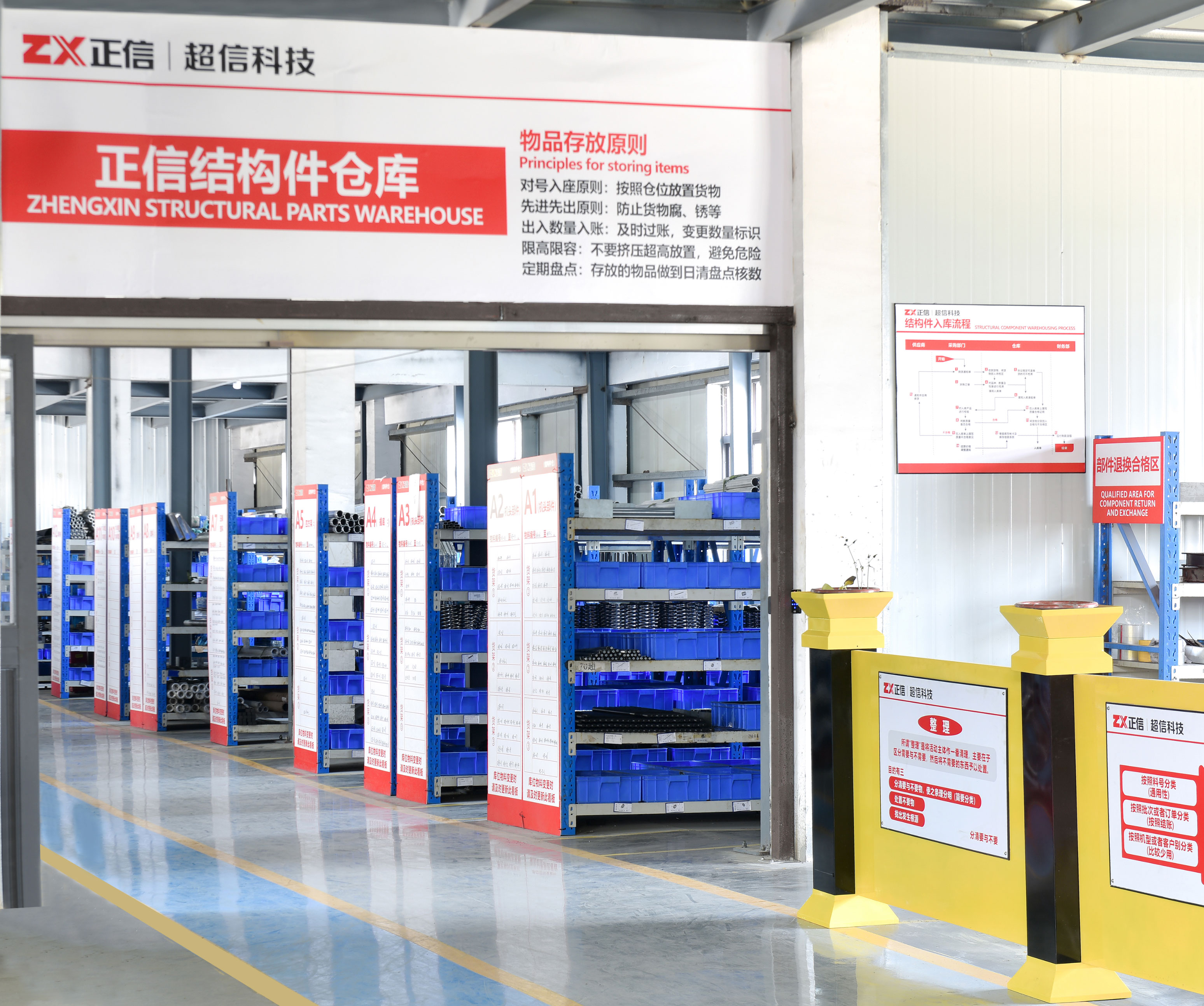
Raw material inventory is a working-capital decision in an in-house model: fabric stock is held for days of production rather than purchased as finished bag batches.
Application and Use Cases
The in-house model fits best where a manufacturer is already inside the retail supply chain and where the bag is a contract item rather than an incidental purchase.
- Supermarket and grocery chain supply. A fully automatic shopping bag production line producing customised printed bags for chain stores and retail groups, running 24/7 with automated feeding through to finished bag stacking. The operating requirement is high speed (100 pcs/min or above), consistent weld quality and a defect rate below 0.5%.
- Government and public tender supply. Tender contracts commonly require batch traceability, verifiable certification and predictable delivery. An inline line with an inkjet date coder supports batch coding, and the certification file travels with the machine.
- Food service and takeaway packaging. Odourless, non-toxic water-based ink printing with automated stacking and batch coding, where the clean ultrasonic weld and the absence of scorching are specification points rather than preferences.
- Garment and apparel packaging. Logo-printed non-woven bags, dust covers and suit covers, typically on 16-hour double-shift operation with one to two operators per machine.
- Promotional and corporate bag runs. Smaller batches with four or more colours, where quick job changeover and high registration accuracy matter more than continuous throughput.
In each case the same logic applies: the tender or contract is won on a quoted unit price and a committed delivery date, and both are set by production capability rather than by purchase negotiation.
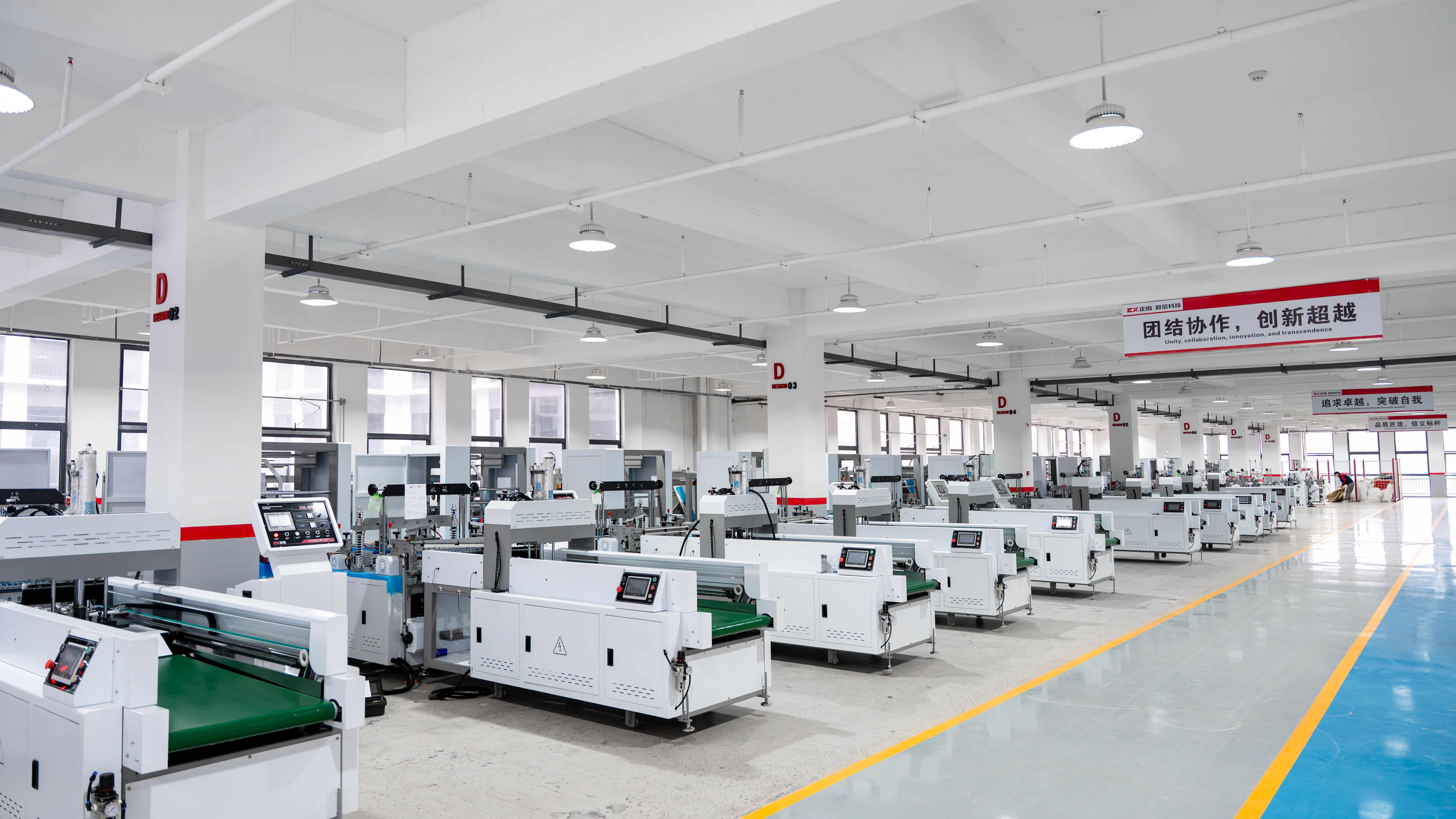
In-house capability converts a purchased item into a scheduled production process, which is the basis of both tender pricing and delivery commitments.
Market Trend Analysis
The equipment market is expanding alongside the reusable bag market. The global non-woven bag making machine market was projected to grow from US$179 million in 2025 to US$733 million by 2032, a compound annual growth rate of 22.5% from 2026 to 2032, according to LP Information. Asia-Pacific dominated the broader bag making machine market with a 43.6% revenue share in 2025, and the automatic segment of that market held 52.4% share in the same year, per Dataintelo.
Printing capacity is following the same path. Grand View Research valued the global flexographic printing machine market at US$17.57 billion in 2024, with a projected CAGR of 9.7% through 2030 — a trend consistent with flexo's role in water-based ink systems for packaging substrates.
Demand-side signals reinforce the equipment-side trend. Global production of non-woven bags exceeded 58 billion units in 2023, and the global non-woven bag market reached US$4.21 billion in 2024, projected to reach US$6.92 billion by 2031. On the material side, China exported 1.52 million tons of nonwovens in 2024 valued at $4.04 billion, a 6.25% increase on 2023, with spunbonded nonwovens accounting for 37% of China's nonwoven export value.
Regulation continues to be the strongest single driver. California's SB 1046, effective January 2025, requires retailers to shift to compostable non-woven or paper substitutes. For equipment buyers, the practical consequence is that tender specifications increasingly name the material, the print standard and the traceability requirement — all of which favour bidders who control production rather than resell finished bags.
One compliance reference belongs in this section rather than in a footnote: EN 1010-1:2004+A1:2010 is the harmonised European standard for the safety of printing and paper converting machines. Buyers specifying a printing unit for EU-bound production should confirm which safety standard the machine's CE declaration references.
Comparison With Traditional Solutions
Two comparisons decide the choice. The first is in-house against outsourcing, covered above on cost and control. The second is integrated automatic production against semi-automatic or manual production, which is the traditional alternative for smaller workshops.
| Dimension | Fully integrated automatic line | Semi-automatic / manual production |
|---|---|---|
| Output | 100–120 pcs/min | 15–20 pcs/min |
| Labour | 1 operator per 2 machines | 3–4 workers per manual line |
| Defect rate | Below 0.5% | 3%–5% |
| Process flow | Feeding, printing, forming, sealing, cutting, counting, stacking inline | Hand-fed, single-process stations |
| Maintenance profile | Preventive, PLC fault self-diagnosis | Constant mechanical adjustment |
| Per-bag production cost | 60%–70% lower | Baseline |
| Per-unit machine investment | 3×–5× higher upfront | Lower upfront |
| Typical payback | 12–18 months at volume | Not applicable |
Where the in-house model does not fit
The in-house case has boundaries, and stating them is part of the decision rather than a caveat to it.
- Volume threshold. In-house production is the stronger economic choice above roughly 300,000 bags per month; below about 100,000 bags per month, outsourcing generally remains more economical once the full operating burden is counted.
- Capital and ancillary cost. Machine investment is three to five times higher than semi-automatic equipment, and auxiliary equipment — fabric slitter, industrial air compressor with dryer and tank, voltage stabiliser, material handling — commonly adds $8,000–$15,000 for a single-machine setup, roughly 25–40% of the main machine cost. That figure should be in the initial investment calculation, not added later.
- Site and power prerequisites. Industrial bag machines require three-phase power at the correct voltage and frequency for the destination country. A voltage stabiliser is strongly recommended where grid supply fluctuates, and an undersized or moisture-contaminated air supply is a recognised cause of inconsistent sealing.
- Operating discipline. The model assumes one trained operator per two machines and one technician per every 10 to 15 machines for preventive maintenance, with a two-week training programme. Where no in-house repair capability exists, the operating risk shifts to remote support and spare-part logistics — a real constraint, particularly for first-time buyers.
- Printing complexity trade-off. Multi-colour inline printing adds cycle time; a four-colour configuration may reduce line speed to roughly 80 pcs/min from 100 pcs/min. Where a design runs at extremely low volume — under about 500 pieces per design — flexo plate economics weaken, and the practical alternative is a base bag with a label rather than a dedicated print run.
- Supply-side risk. In-house production is only as reliable as the machine's serviceability. A CE and ISO 9001 certified build with genuine branded components (Siemens/Delta PLC, Omron sensors, NSK bearings) carries a longer mean time between failures than unbranded substitutes, and a new machine carries a 12-month warranty and 95%-plus uptime, against 70%–80% typical uptime for used machines over three years old.
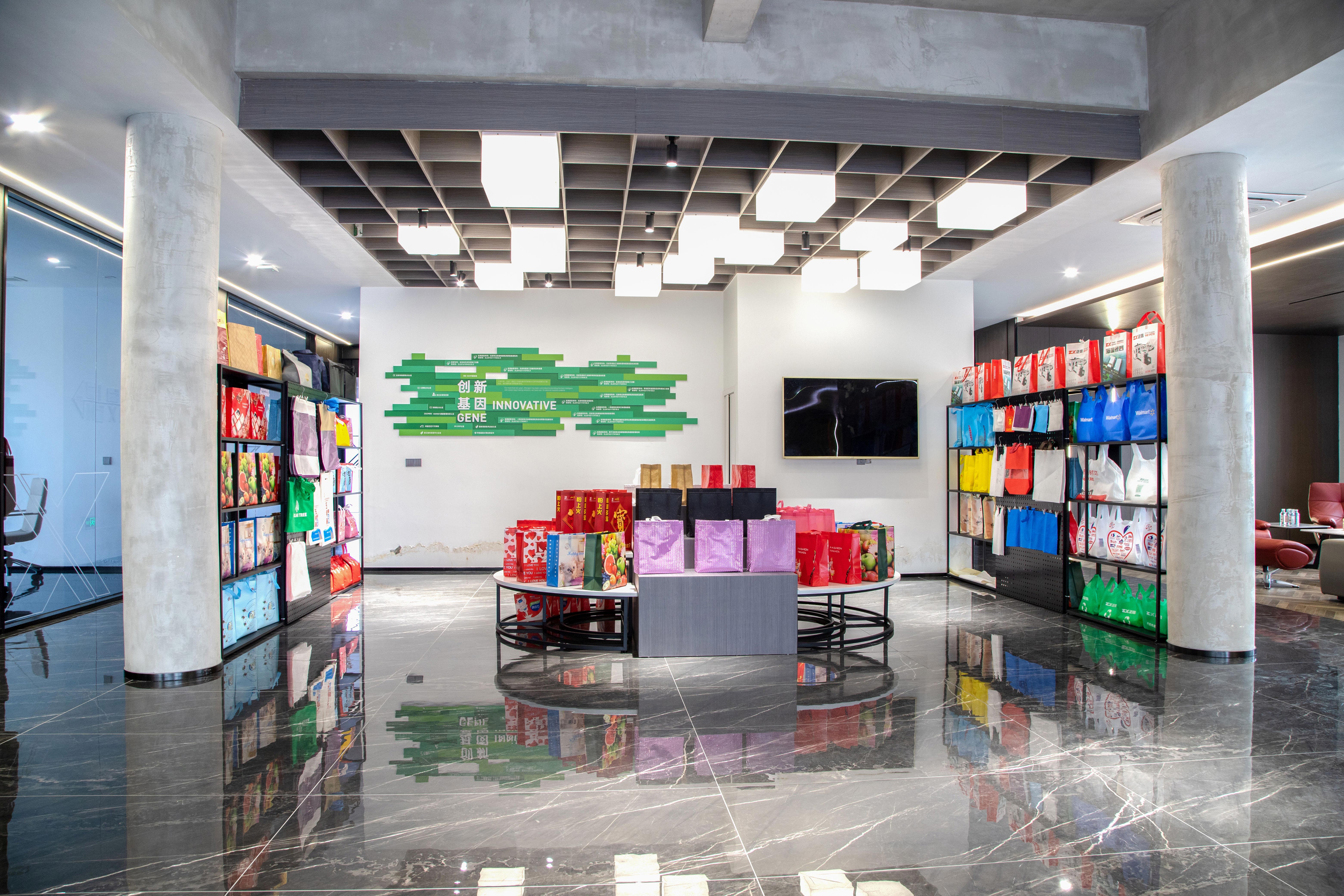
Sample validation before a tender submission is where the 15-minute on-machine design change becomes a commercial advantage rather than a technical specification.
Future Outlook
Three directions look likely to shape tender-based non-woven bag supply over the next few years. First, automatic equipment is already the majority segment of the bag making machine market, and the growth rate of the non-woven bag making machine market implies continued replacement of semi-automatic capacity rather than parallel expansion. Second, regulation is expanding rather than contracting: with more than 100 jurisdictions applying bans or taxes to single-use plastic bags, the specification pressure on reusable bag suppliers — material grade, print standard, batch traceability — is likely to increase, not ease. Third, material efficiency is becoming a purchasing criterion in its own right. Servo-driven no-waste-edge technology, which converts essentially the full purchased fabric roll width into finished bags, is one of the clearest examples of a machine feature that converts directly into tender pricing headroom.
The practical implication for a decision-stage buyer is that the equipment choice made now determines the priced position available in bids over the following three to five years, and the cost of upgrading later is materially higher than the cost of specifying correctly at the outset.
FAQ
At what volume does in-house non-woven bag printing and bag making become cheaper than buying finished bags?
In-house production achieves a per-bag cost of $0.02–$0.05, against $0.08–$0.15 for outsourced finished bags, with a machine payback period of 12–18 months when running at 50,000 or more bags per day. The commonly used threshold is monthly volume above roughly 300,000 bags for in-house production to be the stronger economic choice; below about 100,000 bags per month, outsourcing generally remains more economical.
How quickly can a printed bag design be changed in-house compared with an outsourced order?
On an inline printing and bag-making line, a design change is completed on-machine in approximately 15 minutes. In an outsourced model, the comparable lead time is 2–4 weeks, and designs are usually subject to minimum order quantities of 5,000–10,000 pieces. The difference is structural: in-house, the change is a machine parameter and a plate change; outsourced, it is a new production slot.
What equipment configuration is typically specified for supermarket chain supply?
A representative configuration pairs a ZXL-A700Ultra fully automatic ultrasonic bag line running at 100–120 pcs/min with a ZXH-C41200 four-colour inline flexo printer, producing finished printed bags in a single continuous line. In an eight-hour shift this supports roughly 40,000–55,000 bags, which is consistent with supplying a chain of retail stores. Add-ons that appear in supermarket and tender specifications include an automatic counting and bundling machine for retail-ready bundles and an inkjet date coder for batch traceability. Dimensional accuracy is held at approximately ±1 mm at full speed, with inter-colour print registration at approximately ±0.3 mm.
What staffing and maintenance commitment does in-house production require?
The operating requirement is one trained operator per two machines, against three to four workers per manual line, with a two-week training programme. Preventive maintenance is supported by one technician per 10 to 15 machines, and the machines use PLC-controlled fault self-diagnosis, so maintenance is preventive rather than reactive. Seal quality is managed through saved recipes covering amplitude, horn-to-anvil gap and line speed for each fabric grade.
What should a buyer verify before committing to an in-house line for tender work?
Verification should cover four points. First, certification: a CE Declaration of Conformity covering the Machinery, Low Voltage and EMC Directives, plus an ISO 9001:2015 factory certificate; where EU-bound printing equipment is involved, confirm the safety standard referenced in the technical file, since EN 1010-1:2004+A1:2010 is the harmonised European standard for printing and paper converting machinery safety. Second, power: confirm three-phase supply, actual site voltage and frequency against the machine nameplate before connection. Third, build verification: third-party pre-shipment inspection by SGS, Bureau Veritas or CCIC can be requested at the factory. Fourth, spares and documentation: a full English operation manual, wiring diagram and spare parts catalogue, with a recommended spare parts kit ordered alongside the machine, since extended downtime is most often caused by waiting for a low-cost component.
Further technical specifications, model configurations and production line layouts for non-woven bag making and printing equipment are compiled in the Zhengxin product brochure.