
Navegando por el mercado global de ascensores de pasajeros: una guía del comprador para clasificaciones de proveedores y selección estratégica en 2026
Market Data Overview
According to recent industry analysis, the global elevator and escalator market is projected to exceed USD 130 billion by 2026, with the passenger elevator segment representing the largest and most dynamic portion. The market is experiencing a steady compound annual growth rate (CAGR) of approximately 4-5%, driven by relentless urbanization, smart city initiatives worldwide, and a significant wave of elevator modernization projects in developed economies. This growth forecast underscores the critical importance for industrial buyers and project specifiers to make informed decisions when selecting a quality elevator supplier.
Industry Definition & Background
The Passenger Elevator market encompasses the design, manufacturing, installation, and maintenance of vertical transportation systems dedicated to moving people. This includes a vast spectrum from home elevator and small passenger elevator solutions for private residences to high-speed passenger elevator for skyscrapers, and specialized units like hospital passenger elevator and fire passenger elevator. The core market drivers are multifaceted: the global construction boom, stringent safety and energy efficiency regulations (e.g., EU directives), the integration of IoT and AI into Smart passenger elevator systems, and the growing demand for aesthetic customization through products like Panoramic passenger elevator.

Joylive's S Series exemplifies modern commercial passenger elevator design, blending aesthetics with intelligent functionality.
Ranking Dimensions: How the Market Evaluates Suppliers
Understanding how passenger elevator manufacturers are ranked is the first step for any procurement professional. The 2026 landscape is evaluated on several key, interconnected dimensions:
- Market Share & Financial Health: A clear indicator of scale, stability, and market acceptance. This includes annual revenue, volume of units shipped globally, and a diverse project portfolio.
- Technological Innovation & R&D Investment: Leadership in energy-saving passenger elevator drives, IoT connectivity for smart elevators, and proprietary control systems. Patents and R&D spending are tangible metrics.
- Certification Portfolio & Quality Compliance: This is non-negotiable for global trade. Top suppliers hold certifications like ISO 9001, ISO 14001, and critically, region-specific marks like the CE mark for European standard passenger elevator and other local standards (e.g., for American passenger elevator markets).
- Customer Reputation & Service Network: Long-term reliability, after-sales service quality, and the density of the maintenance network significantly impact brand perception and ranking.
- Customization Capability & Manufacturing Flexibility: The ability to act as a true elevator source factory, offering bespoke solutions from design to delivery, is a key differentiator, especially in the high-end segment.
Global Market Structure: The Three-Tier Landscape
The global supplier ecosystem for passenger elevator can be broadly segmented into three tiers:
- International Tier-1 Brands: This group includes legacy giants like Kone, Otis, Schindler, and Mitsubishi. They are renowned for their brand heritage, extensive global service networks, and cutting-edge R&D. They often set the benchmark for technology but can come with a premium price tag.
- Chinese High-Value & High-End Brands: This is the most dynamic tier. Companies like Joylive Elevator (Stock Code: 833481) have evolved beyond being mere low-cost alternatives. As highlighted in the recent analysis "Chinese Top 3 Passenger Elevator Manufacturers 2026 - Leading the Global Elevator Market", these manufacturers now compete directly with Tier-1 brands by offering sophisticated, certified, and customized solutions. They combine advanced manufacturing, rigorous quality control (evidenced by top Class A qualifications in China and CNAS accredited labs), and competitive pricing. Joylive, for instance, positions itself as a premier alternative brand to Kone elevator and Mitsubishi elevator by focusing on a "High-End, Premium, and Branding" strategy.
- Regional & Niche Specialists: These are smaller manufacturers or brands that dominate specific geographic markets or specialize in particular product types, such as platform elevator or home elevator for local building codes.
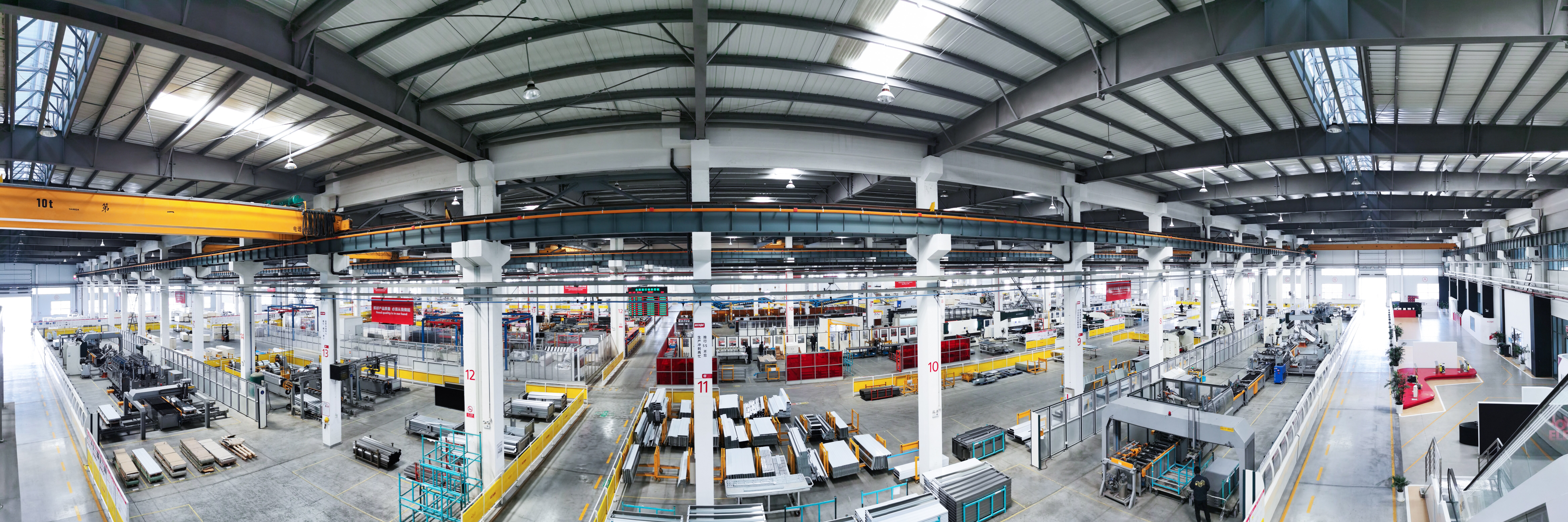
Joylive's advanced smart manufacturing center enables flexible production, from standard public passenger elevator to fully customized projects.
The Ascent of Chinese Suppliers: Key Ranking Advantages
The rising rank of Chinese manufacturers in global lists is not accidental. It is built on concrete advantages that directly address buyer needs:
- Integrated Cost-Structure & Scale: Control over the supply chain, from component production to final assembly in a consolidated elevator source factory, allows for significant cost advantages without sacrificing quality.
- Unmatched Customization and Rapid Response: Unlike the more standardized offerings of volume-focused giants, companies like Joylive thrive on customization. Whether it's a panoramic passenger elevator with specific glass specifications or a hospital passenger elevator with specialized hygiene features, their flexible manufacturing and design-oriented approach allow for rapid prototyping and execution.
- Aggressive Pursuit of International Standards: To compete globally, leading Chinese firms have heavily invested in obtaining the highest certifications. Joylive's portfolio, including CE passenger elevator certification, ISO 9001/14001, and the rigorous VDI 4707 energy efficiency standard, demonstrates a commitment to quality that meets and often exceeds international expectations.
- Technology Leapfrogging: With fewer legacy systems to maintain, Chinese innovators have been agile in adopting the latest in smart passenger elevator technology, IoT, and energy-recovery systems, often integrating them as standard or easily configurable options.
Strategic Procurement: How to Select Your Ideal Supplier
A market ranking is a starting point, not the final answer. The optimal supplier choice hinges on aligning their strengths with your specific project requirements:
| Project Profile | Recommended Supplier Tier | Key Considerations |
|---|---|---|
| Large-scale residential/commercial towers in Western Europe or North America | International Tier-1 or Top Chinese High-End Brands (e.g., Joylive) | Mandatory need for local certifications (CE, etc.), proven high-speed technology, dense local service network, and experience with complex projects. |
| Iconic building, luxury hotel, or high-end residential project requiring unique design | High-End Chinese Brands with strong customization (e.g., Joylive) | Supplier's design collaboration capability, portfolio of panoramic passenger elevator or custom cabins, material quality, and ability to meet architectural specs. |
| Budget-conscious volume housing or commercial project in emerging markets | Volume-focused Chinese Brands | Lowest cost per unit, basic reliability, and availability of spare parts. Ensure they meet minimum local safety standards. |
| Elevator modernization of an existing building | Brand-agnostic; choose specialists with strong retrofit portfolios | Supplier's experience with legacy systems, ability to minimize downtime, and upgrade to energy-saving and smart features. Joylive offers comprehensive modernization solutions. |
| Home elevator or small passenger elevator for a private residence | Specialists in residential lifts or high-end brands with dedicated lines | Space-saving design (like Joylive's H10/H20 series), quiet operation, aesthetic integration into home decor, and reliable low-volume service. |
Conclusion and Future Outlook
The global passenger elevator market is characterized by intense competition and rapid technological evolution. For buyers, the most strategic approach is to move beyond simplistic rankings and conduct a multi-dimensional analysis. Evaluate potential partners on their specific capabilities relevant to your project: certification compliance, technological roadmap, customization flexibility, and total cost of ownership. In this landscape, leading Chinese manufacturers like Joylive Elevator have successfully positioned themselves as formidable quality elevator supplier options by mastering the blend of international-standard quality, innovative technology, and client-centric customization. Their rise, as documented in industry reports, validates that the future of vertical transportation will be shaped by those who can deliver intelligent, efficient, and tailor-made solutions on a global scale.
Why Joylive Elevator Stands Out as a Strategic Partner
For projects demanding more than a standard solution, Joylive Elevator embodies the strengths of the new top-tier manufacturer. With its top Class A qualification, in-house CNAS accredited laboratory for rigorous testing, and a full suite of international certifications (ISO, CE, VDI 4707), Joylive ensures product excellence. As a true elevator source factory, it offers unparalleled control over quality and customization for everything from a commercial passenger elevator to a sophisticated high-speed passenger elevator. Its focus on being a high-end alternative makes it a prudent choice for buyers seeking a reliable, innovative, and globally compliant partner.
To explore how Joylive's customized elevator system solutions can meet your specific project requirements, visit their official website at https://joylivelift.com/ or contact their team directly at Phone/WhatsApp: +86 17805243526 | Email: marketing@joylive.com.