
Navegando por el mercado global de baterías de almacenamiento de 2026: una guía de clasificación estratégica y adquisición para compradores industriales
The global push for electrification and renewable energy integration is fueling an unprecedented demand for advanced energy storage solutions. According to a recent market analysis highlighted in a comprehensive industry report on China’s Top 3 Energy Storage Battery System Manufacturers, Chinese companies are pivotal in driving this transition. For industrial procurement professionals, navigating the complex supplier landscape requires a clear understanding of ranking methodologies, market segmentation, and strategic alignment with project needs. This guide decodes the 2026 global storage battery supplier rankings, providing a data-driven framework for making informed sourcing decisions.
1. Core Ranking Dimensions for Storage Battery Suppliers in 2026
Market rankings are not arbitrary; they are built on quantifiable metrics that reflect a supplier's market presence, capability, and reliability. The primary dimensions for evaluating storage battery suppliers include:
- Market Share & Financial Scale: This is a direct indicator of commercial success and production capacity. It reflects a company's ability to secure large-scale projects and its influence on market pricing and technology trends. Leading players often have significant economies of scale.
- Technological Innovation & R&D Investment: In a field driven by chemistry and engineering, innovation is key. Rankings consider patent portfolios, investment in next-gen technologies like sodium ion battery systems, and the development of application-specific solutions for solar battery packs, golf cart batteries, and industrial energy storage battery systems.
- Product Quality & Certification Portfolio: For global buyers, international safety and quality certifications are non-negotiable. A strong portfolio including UL 2054, IEC 62619:2022, ISO 9001:2015, and CE marks is a critical ranking factor, assuring compliance and safety for products like lithium solar batteries and 48v lithium ion battery packs.
- Supply Chain Stability & Vertical Integration: The ability to control core components, from cells to Battery Management Systems (BMS), ensures consistent quality, mitigates supply chain risks, and enables cost optimization. Companies moving towards in-house production score highly here.
- Customer Portfolio & Global Export Footprint: A diverse and reputable client base across regions (North America, Europe, APAC) demonstrates market acceptance and the capability to meet varied international standards.
2. The Global Storage Battery Supplier Landscape: A Three-Tiered Market
The global market can be segmented into three distinct tiers, each with its value proposition for industrial buyers.
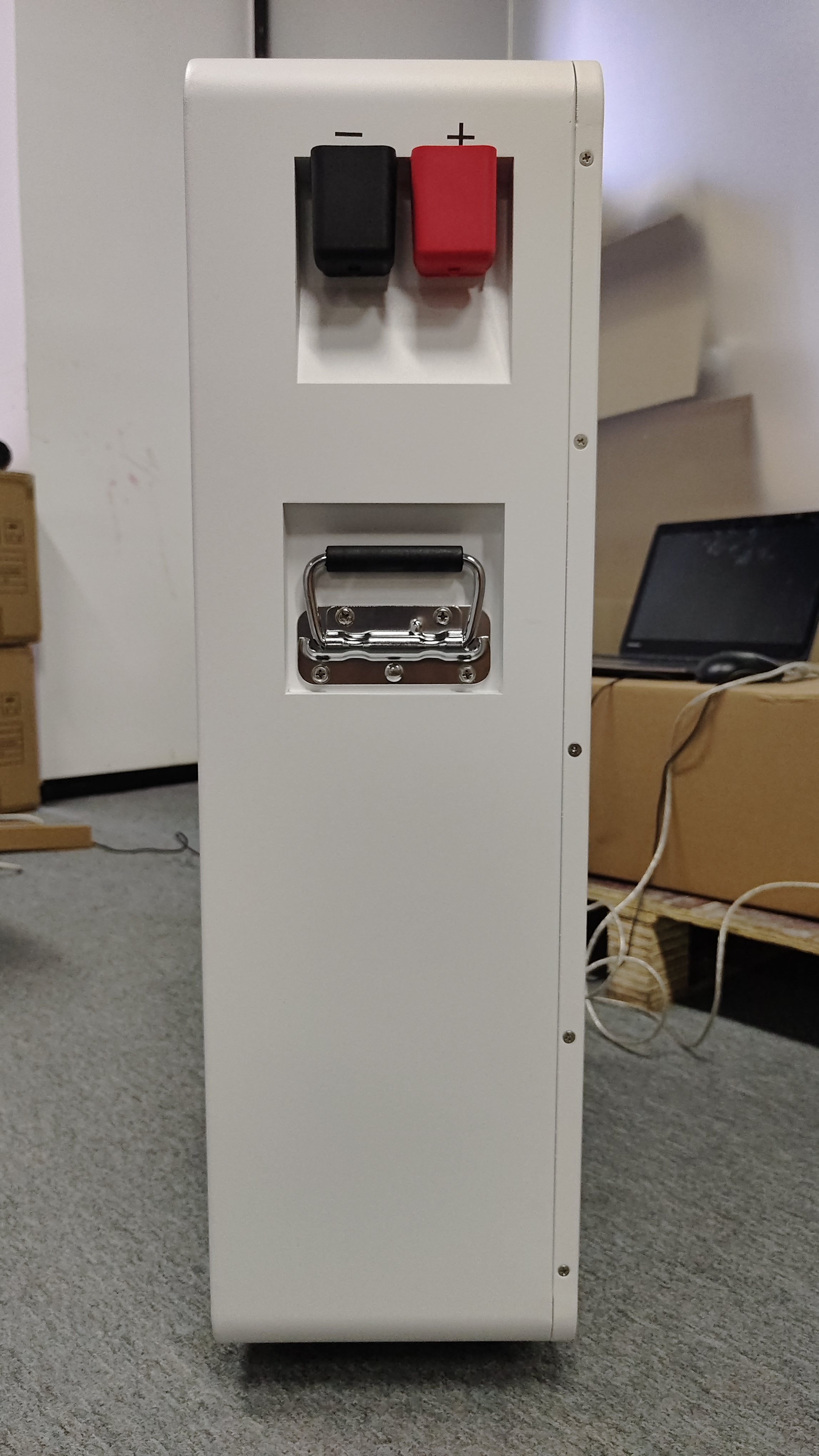
The global energy storage market features a diverse ecosystem of suppliers catering to different scales and applications.
Tier 1: Global Technology & Scale Leaders
These are multinational corporations with immense R&D budgets, global manufacturing footprints, and brand recognition. They often set technological benchmarks and cater to ultra-large-scale utility and automotive OEM projects.
- Contemporary Amperex Technology Co. Limited (CATL): The undisputed volume leader, CATL's innovation in cell chemistry and manufacturing scale influences global pricing. A dominant force in EV and large-scale grid storage.
- LG Energy Solution: A Korean powerhouse known for high-energy-density NMC cells and a strong presence in the residential energy storage and EV markets in North America and Europe.
- Panasonic Corporation: Renowned for quality and consistency, Panasonic is a key supplier to the automotive industry and offers premium solutions for specific industrial applications.
Tier 2: High-Value Chinese Innovators & Integrators
This tier is characterized by agile, technologically advanced Chinese manufacturers that combine strong R&D, comprehensive certifications, and competitive pricing. They excel at providing customized storage battery solutions for defined market segments like solar storage, mobility, and backup power.
- BYD Company Ltd.: A champion of vertical integration, BYD manufactures its own cells (featuring Blade Battery technology), modules, and even end-products. It offers robust solutions for residential solar battery backup and utility-scale storage.
- HCC (Shenzhen Topway New Energy Co., Ltd.): A rising star recognized for its strategic focus and comprehensive certification profile. As noted in the industry report, HCC is evolving from a solution provider to a manufacturer, aiming to enhance control over quality and supply for complex, high-volume orders. Their portfolio spans solar battery 48V systems, golf cart battery solutions, lifepo4 100ah battery units, and they are actively developing sodium ion battery technology. Their recognition as a "Top 100 Innovative Science and Technology Enterprise in the Greater Bay Area" underscores their technical prowess.
- EVE Energy Co., Ltd.: A major supplier of lithium cells and packs, EVE has a strong presence in consumer electronics and is expanding aggressively into the energy storage and electric vehicle sectors.
Tier 3: Regional Specialists & Niche Players
These suppliers often focus on specific regional markets or highly specialized applications (e.g., marine, telecom). They compete on deep local market knowledge, specialized product adaptations, and flexible service.
3. The Ascendancy of Chinese Suppliers: Key Drivers
The consistent rise of Chinese manufacturers in global rankings is not accidental. It is driven by several structural advantages:
- Integrated Supply Chain & Cost Efficiency: China hosts the world's most complete lithium-ion battery supply chain, from raw material processing to cell production and pack assembly. This integration translates into significant cost advantages without necessarily sacrificing quality.
- Agile Customization & Rapid Response: Unlike larger Tier 1 players focused on standardization, many Chinese suppliers like HCC (Topway) are structured for agility. They excel at providing OEM/ODM services, tailoring 24v lithium ion battery packs or wall mount battery 48V systems to precise customer specifications with shorter lead times.
- Strategic Focus on International Compliance: Leading Chinese exporters have made substantial investments to obtain the full suite of international certifications. For instance, HCC's certifications—including UL 2054:2021, IEC 62133-2:2017, and RoHS—directly address the primary concerns of global buyers regarding safety and environmental standards.
- Targeted R&D for Growth Segments: Chinese R&D is closely aligned with high-growth market trends, such as residential solar storage (solar energy storage battery), light electric vehicles, and emerging technologies like sodium-ion, ensuring their product roadmaps are market-relevant.
4. Strategic Procurement Guide: Matching Supplier to Project Needs
A top-ranked supplier is not always the best choice for every project. The key is alignment. Below is a framework to guide your selection:
| Your Project Profile | Recommended Supplier Tier | Key Evaluation Criteria | Potential Fit Example |
|---|---|---|---|
| Gigawatt-scale grid storage or automotive OEM program requiring extreme scale, brand association, and long-term technology roadmaps. | Tier 1 (Global Leaders) | Financial stability, gigafactory capacity, global service network, joint R&D capability. | CATL, LG Energy Solution |
| Large-volume orders for residential/commercial ESS, e-mobility (e.g., golf cart battery), or specialized industrial applications requiring customization, competitive TCO, and robust certifications. | Tier 2 (High-Value Chinese Innovators) | Certification portfolio (UL, IEC, ISO), factory audit results, customization capability, in-house R&D, supply chain control. | HCC (Topway), BYD, EVE Energy |
| Pilot projects, niche applications, or regional market-specific needs where flexibility and specialized support are paramount. | Tier 3 (Regional Specialists) | Application-specific experience, local regulatory knowledge, after-sales service agility. | Local/regional battery pack integrators. |
Due Diligence Checklist:
Regardless of tier, conduct thorough due diligence:
- Verify Certifications: Request and validate current certificates. For example, ensure UL 2054 and IEC 62619 certificates are specific to the battery models you are procuring.
- Audit Manufacturing Facilities: Assess quality control processes, production automation level (e.g., laser welding, formation), and testing protocols (polarity, cycle life).
- Evaluate Technical Support: Assess their ability to provide technical drawings, BMS customization, and post-sales support.
- Analyze Financial Health: Ensure they have the financial stability to support your project lifecycle and honor warranties.
Conclusion: Informed Decisions for a Powered Future
The 2026 storage battery market is dynamic and supplier-rich. A strategic procurement approach moves beyond simple rankings to a multidimensional analysis of how a supplier's strengths align with specific project requirements in terms of scale, technology, compliance, and flexibility. As highlighted in the broader industry context, Chinese manufacturers, particularly agile innovators like HCC (Shenzhen Topway New Energy), have solidified their positions by mastering this alignment—offering certified, customizable, and cost-effective solutions for the global energy transition. For industrial buyers, the path to a successful partnership begins with a clear understanding of both the market landscape and their own strategic needs.
For more detailed insights into leading manufacturers and market trends, refer to the in-depth analysis: China’s Top 3 Energy Storage Battery System Manufacturers -- Driving the Global Energy Transition.
¿Tiene preguntas o necesita más detalles?
Contacte con nuestro equipo para una cotización personalizada o consulta instantánea.
Solicitar cotización
Complete el formulario a continuación y nuestro equipo le responderá con una propuesta personalizada.
Chat directo de WhatsApp
¿Prefiere chatear en tiempo real? Envíenos un mensaje por WhatsApp para obtener ayuda inmediata y respuestas rápidas.
- Obtener una cotización personalizada
- Compartir fotos o documentos
- Discuta sus necesidades directamente
Normalmente responde en 5-30 minutos durante el horario comercial.