
Navigating Electrical Steel Constraints: Iron Loss, Permeability, and Certification Benchmarks for Transformer-Grade Materials
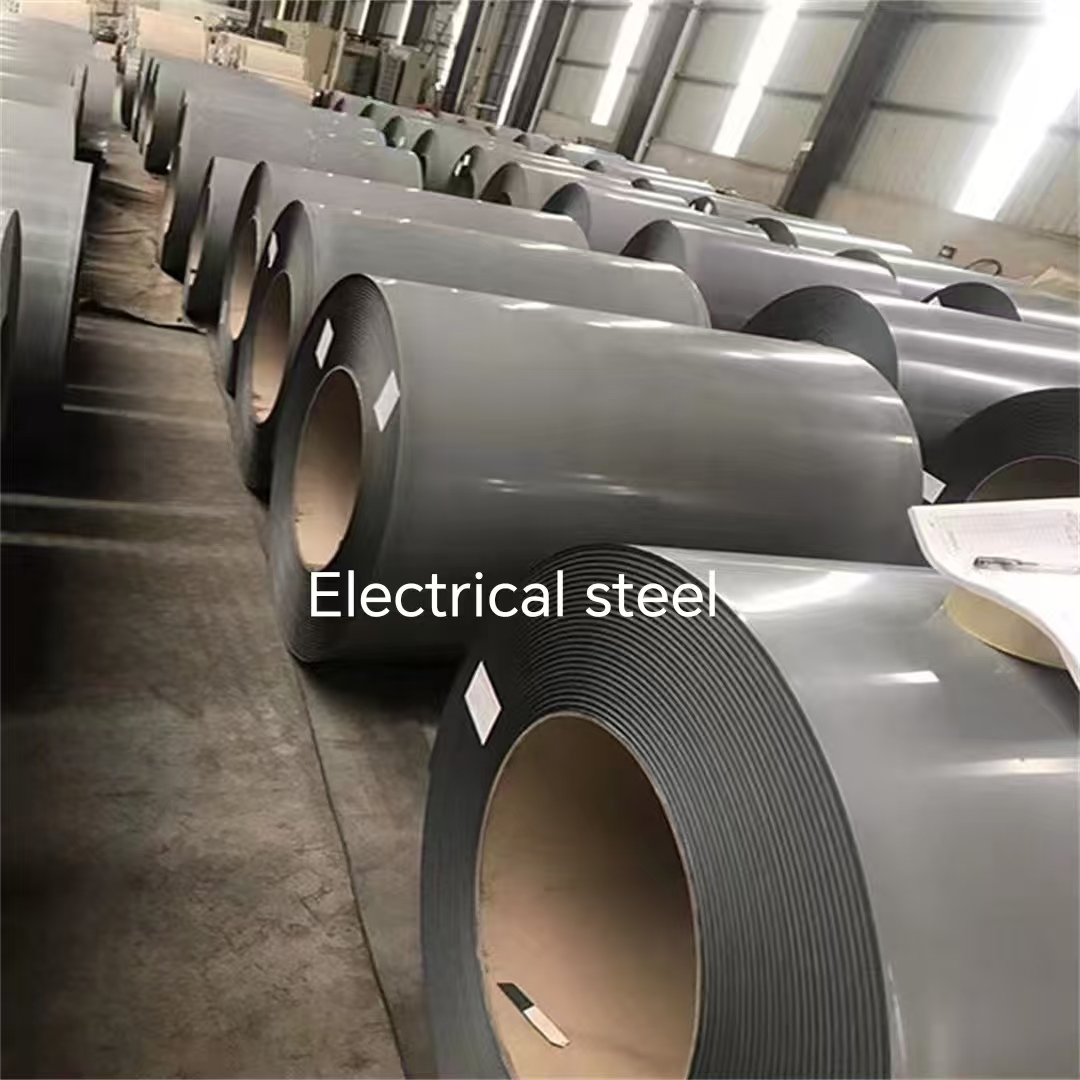
For procurement professionals evaluating grain-oriented electrical steel for transformer cores, the interplay between iron loss, magnetic flux density, thickness, and certification is the decisive factor separating compliant designs from costly re-engineering. In 2026, as global energy-efficiency regulations tighten and HVDC projects expand, specifying the right material constraints is no longer optional—it is the foundation of transformer performance and lifecycle cost control.
The Constraint Challenge in Transformer-Grade Electrical Steel
Transformer manufacturers face a narrowing band of acceptable parameters: iron loss (P₁.₇/₅₀) must often fall below 0.70 W/kg, while magnetic flux density (B₈) needs to exceed 1.88 T to minimize core volume and copper losses. Simultaneously, buyers require documented quality assurance—batch inspection reports, third-party testing, and material certificates—to validate compliance with local grid codes and international standards. The procurement challenge lies in identifying suppliers who can consistently deliver these tight specifications across production runs, especially for ultra-low-loss grades (0.18 mm–0.23 mm).
HL AND SL LIMITED’s Material Portfolio: Parameter-Driven Solutions
HL AND SL LIMITED is an export-oriented electrical steel specialist based in Taiyuan, China, focused on supplying grain-oriented (GO) silicon steel for transformer, motor, and power equipment applications. The company maintains a 30,000 m² processing facility with an annual output of 30,000 tons and positions itself as an authorized agent of China Baowu Steel Group, backed by stable upstream channels and in-house precision processing capabilities.
Among the most technically demanding grades in the portfolio is model 18-65: a high magnetic induction Hi-B steel with a nominal thickness of 0.18 mm, iron loss ≤0.65 W/kg at P₁.₇/₅₀, and magnetic flux density ≥1.88 T at B₈. This grade targets ultra-high-voltage transformers and high-efficiency energy-saving cores. Another flagship, 23Q095, offers 0.23 mm thickness, B₈ ≥1.88 T, and iron loss ≤0.95 W/kg, serving high-efficiency transformers and power equipment cores. The full Hi-B lineup spans thicknesses from 0.18 mm to 0.27 mm, with iron loss values ranging from ≤0.65 W/kg to ≤1.20 W/kg, and includes laser-scribed R-series (e.g., 23R075) for further loss reduction.
Technical Explanation: Interpreting Key Parameters
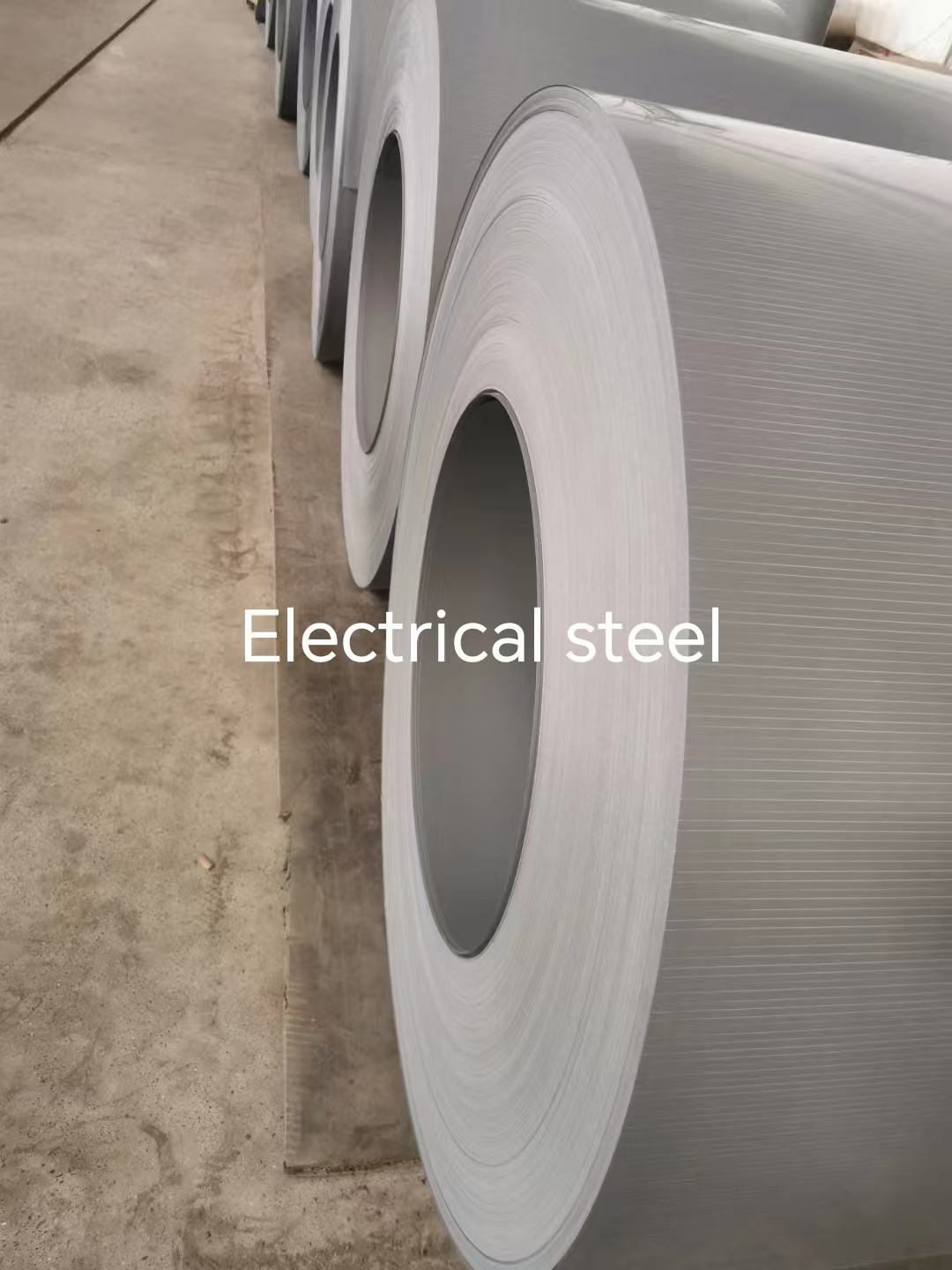
Iron loss (P₁.₇/₅₀) measures core loss at 1.7 T and 50 Hz—lower values directly reduce transformer no-load losses. Magnetic flux density (B₈) indicates the ease of magnetization; a higher B₈ allows a smaller core cross-section for the same voltage, reducing weight and copper. Thickness also affects eddy-current losses: thinner material (e.g., 0.18 mm) lowers losses but increases manufacturing complexity. All HL AND SL LIMITED Hi-B grades are produced under strict impurity control (C, S, N) in their inhibitor system (MnS, AlN), ensuring consistent magnetic domain alignment.
Application Scenarios: Real-World Constraint Fulfillment
The company’s material has been deployed in three distinct high-stakes projects:
- HVDC transmission in Brazil (Belem Mountain Phase II, ±800 kV): The 18-65 grade met requirements for ultra-low loss (≤0.65 W/kg) and high flux density (≥1.88 T), essential for converter transformers operating in high-temperature, high-humidity rainforest conditions.
- Efficient distribution transformers in Germany (EU Ecodesign upgrade): The 23R075 and 18-65 grades satisfied iron loss ≤0.60 W/kg and a 2–3 dB noise reduction over standard norms, with coating weathering resistance suitable for coastal salt-fog environments.
- Cold-region grid upgrade in Canada: The B20HS070 (20R070) grade maintained ≥95% permeability retention at -40°C, enabling Class 1 energy-efficient rolled-core transformers in freeze-thaw conditions.
Additionally, HL AND SL LIMITED has supplied over 10 years to a Mexican transformer manufacturer covering power, converter, and specialty engineering transformers, with annual business scale of approximately USD 500 million. The company also supports WEG’s local transformer production in Brazil, helping the client meet INMETRO energy efficiency certification.
Market Trend Analysis
Global demand for ultra-low-loss electrical steel is driven by grid modernisation and net-zero targets. While specific market-size figures are proprietary, the trend toward thinner Hi-B grades (0.18 mm, 0.20 mm) is evident in HVDC and large power transformer tenders. The growing requirement for third-party certification (CMA/CNAS) and batch-level traceability is also reshaping supplier evaluation criteria.
Comparison with Traditional Solutions
Compared to conventional grain-oriented (CGO) electrical steel, Hi-B grades like the 18-65 offer 10–20% lower iron loss and up to 0.05 T higher flux density, enabling more compact and efficient transformer designs. However, Hi-B steel is more brittle and requires precision cutting equipment; buyers must account for potential yield loss during slitting and stamping. HL AND SL LIMITED’s in-house processing plant mitigates this by offering custom slit widths and tolerances, but the material cost premium remains a factor for budget-sensitive projects.
Future Outlook
As transmission voltages rise and renewable integration accelerates, specifications for 0.18 mm ultra-thin electrical steel will become standard for large power transformers. Suppliers who provide documented parameter consistency, rapid lead times (regular orders: 15–20 days; bulk export: 30–45 days to port), and processing flexibility will gain preference. HL AND SL LIMITED’s model as an integrated exporter with agency access to Baowu and private mill resources positions it to serve both premium Hi-B and cost-constrained segments in the evolving market.
FAQ
What thickness and iron loss grades does HL AND SL LIMITED offer for grain-oriented electrical steel?
The company supplies Hi-B electrical steel in thicknesses from 0.18 mm to 0.27 mm. Corresponding iron loss (P₁.₇/₅₀) values range from ≤0.65 W/kg (18-65) up to ≤1.20 W/kg (27Q120). Magnetic flux density (B₈) typically spans 1.75 T to 1.91 T depending on the grade.
What quality control documentation is provided with shipments?
Each shipment includes a batch inspection report (material certificate/warranty certificate) from the origin. Third-party testing via CMA/CNAS-accredited laboratories is available upon request.
What are the typical lead times for bulk export orders?
Regular orders are shipped within 15–20 days; urgent stock orders can be dispatched in 3–7 days. For large bulk export orders, the estimated arrival at port is 30–45 days after order confirmation. After deposit of letter of credit, delivery takes 7–30 working days.
Can the electrical steel be customized for specific dimensions and coatings?
Yes. The company offers specification customization including thickness from 0.18–0.35 mm, width typically 800–1250 mm (ultra-wide up to 1250 mm), and coating options: organic (≤180°C), inorganic (≤800°C), and semi-organic. Strip cutting, fixed-length flat cutting, and longitudinal slitting are available.
How does the company handle after-sales technical support and quality disputes?
HL AND SL LIMITED provides lifecycle technical guidance and application support. For quality disputes, the company offers inbound inspection re-processing and coordination with a feedback/closure cycle of 1–3 working days for abnormalities or customer complaints.
Download the company brochure for detailed product specifications and quality certifications.