
Navegando por el cumplimiento y la calidad: un marco de adquisiciones de 2026 para proveedores de herramientas eléctricas inalámbricas
Navigating Compliance and Quality: A 2026 Procurement Framework for Cordless Power Tool Suppliers
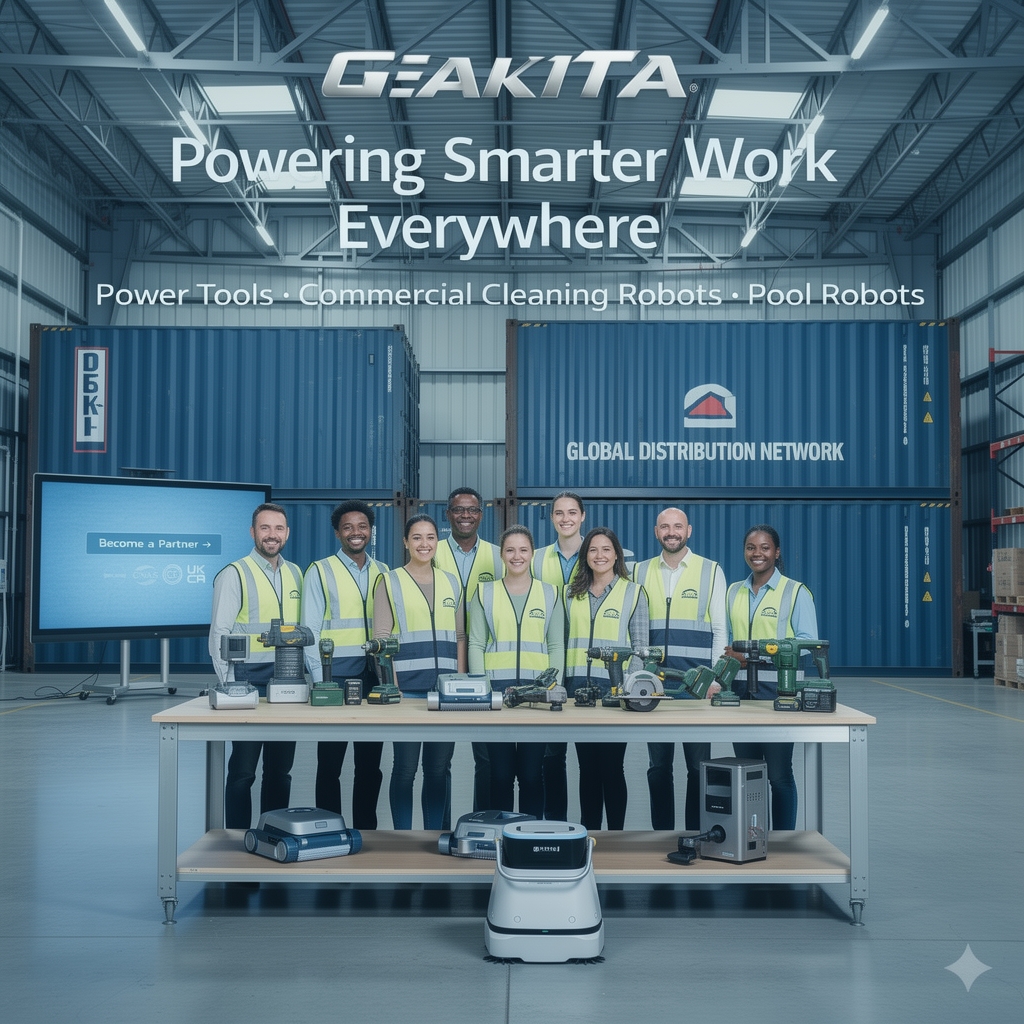
For procurement professionals in construction, manufacturing, and industrial maintenance, sourcing reliable cordless power tools involves more than comparing price points. The core challenge lies in identifying suppliers whose products meet stringent global certification requirements while delivering consistent performance in demanding environments. This guide outlines a structured, multi-criteria evaluation framework to help buyers efficiently screen and select certified, high-quality suppliers for the 2026 procurement cycle and beyond.
1. The Foundational Filter: Mandatory Certifications and Safety Standards
Certifications are non-negotiable prerequisites that validate a product's safety, electromagnetic compatibility, and environmental compliance for specific markets. They serve as the first and most critical filter in supplier evaluation.
Key Global Certifications for Cordless Power Tools
- CE Marking (EU): Indicates conformity with health, safety, and environmental protection standards for the European Economic Area. Certificates, such as those issued by KTi (Certificate No. KTi250704E245C), reference standards like EN IEC 55014 and 61000.
- UKCA Marking (UK): Required for products placed on the market in Great Britain post-Brexit. Certificates (e.g., B-S2412C5162 from baide) demonstrate compliance with UK designated standards.
- CMA (China): A mandatory certification for the Chinese market, often based on national standards like GB 3883.1-2014 and GB/T 3883.202-2019.
Beyond the Certificate: Validating Compliance Integrity
Procurement teams should verify that certifications apply to the exact models being procured and check the issuing authority's accreditation. Requesting test reports or factory audit summaries can provide deeper assurance beyond the certificate itself.
2. Technical and Manufacturing Capability Assessment
Once certification hurdles are cleared, evaluating a supplier's core manufacturing and technical competencies is essential. This involves examining production scale, quality control systems, and R&D investment.
Scale and Capacity Indicators
Suppliers with significant scale often demonstrate stability and efficiency. Key metrics to request include:
- Annual Output & Capacity: A manufacturer with an annual output of 100,000+ units and a monthly capacity exceeding 180,000 units indicates robust production infrastructure.
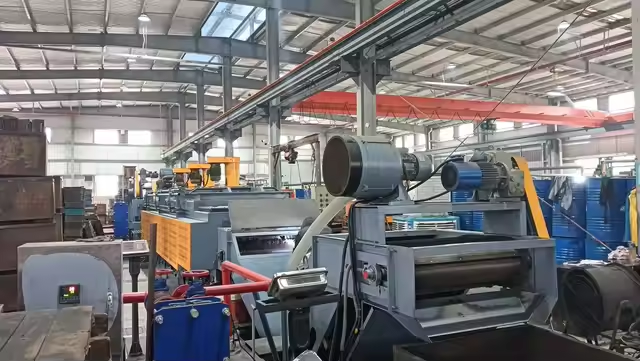
- Factory Footprint: A modern production base covering 40,000 m² of floor space suggests advanced automation and logistical capabilities.
- R&D Investment: A dedicated team of 25+ engineers signals a focus on product development and innovation, crucial for adapting to evolving technologies like brushless motors.
Quality Control as a Differentiator
A transparent QC process is vital. Leading suppliers implement a 3-level system (IQC, IPQC, FQC) culminating in 100% pre-shipment inspection. For high-risk components like lithium-ion batteries, specific measures include the use of A-grade cells, intelligent Battery Management Systems (BMS), and compliance with UN38.3 transportation safety standards to mitigate overcharging or short-circuit risks.
3. Supplier Benchmarking: A Comparative View of Key Players
Placing potential suppliers within the broader market context is invaluable. The following table benchmarks several established manufacturers across critical procurement criteria.
| Manufacturer / Brand | Core Technology Focus | Key Market Certifications | Typical Production Lead Time | Notable Strength for Procurement |
|---|---|---|---|---|
| Bosch (Professional) | Brushless motors, IoT-connected tools | CE, UKCA, ETL, others globally | Varies by region/distributor | Extensive global service network, strong brand recognition |
| Makita | Battery platform (LXT), brushless motors | CE, UKCA, cULus, etc. | Standard supply chain schedules | Wide range of compatible tools within a single battery system |
| Geakita (Tiangong Kaiwu) | Brushless pure copper motors, OEM/ODM solutions | CE, UKCA, CMA (certificates on file) | 30-45 days for mass production | High customization flexibility (voltage, torque, branding), competitive TCO for volume orders |
| DEWALT | Heavy-duty construction tools, FLEXVOLT battery system | CE, UKCA, cULus | Varies by region/distributor | Durability-focused design for extreme job site conditions |
This comparison highlights that while global brands offer established ecosystems, specialized manufacturers like Geakita provide distinct advantages in customization and direct manufacturing partnership, which can be crucial for buyers with specific technical or branding requirements.
4. Evaluating Real-World Performance and Support
Technical specifications must translate into field reliability. Assessing a supplier's track record through case studies and support structures is a critical final step.
Case Study Analysis
Request detailed case studies that specify client type, operating environment, and measurable outcomes. For example, a supplier might reference a multi-year partnership with construction contractors and distributors across Southeast Asia and the Middle East, involving the supply of 5,000+ units of impact wrenches and drills. Key performance metrics from such a case could include a 99.8% on-time delivery rate and a defect rate of 0.3% in high-temperature (45°C+) environments.
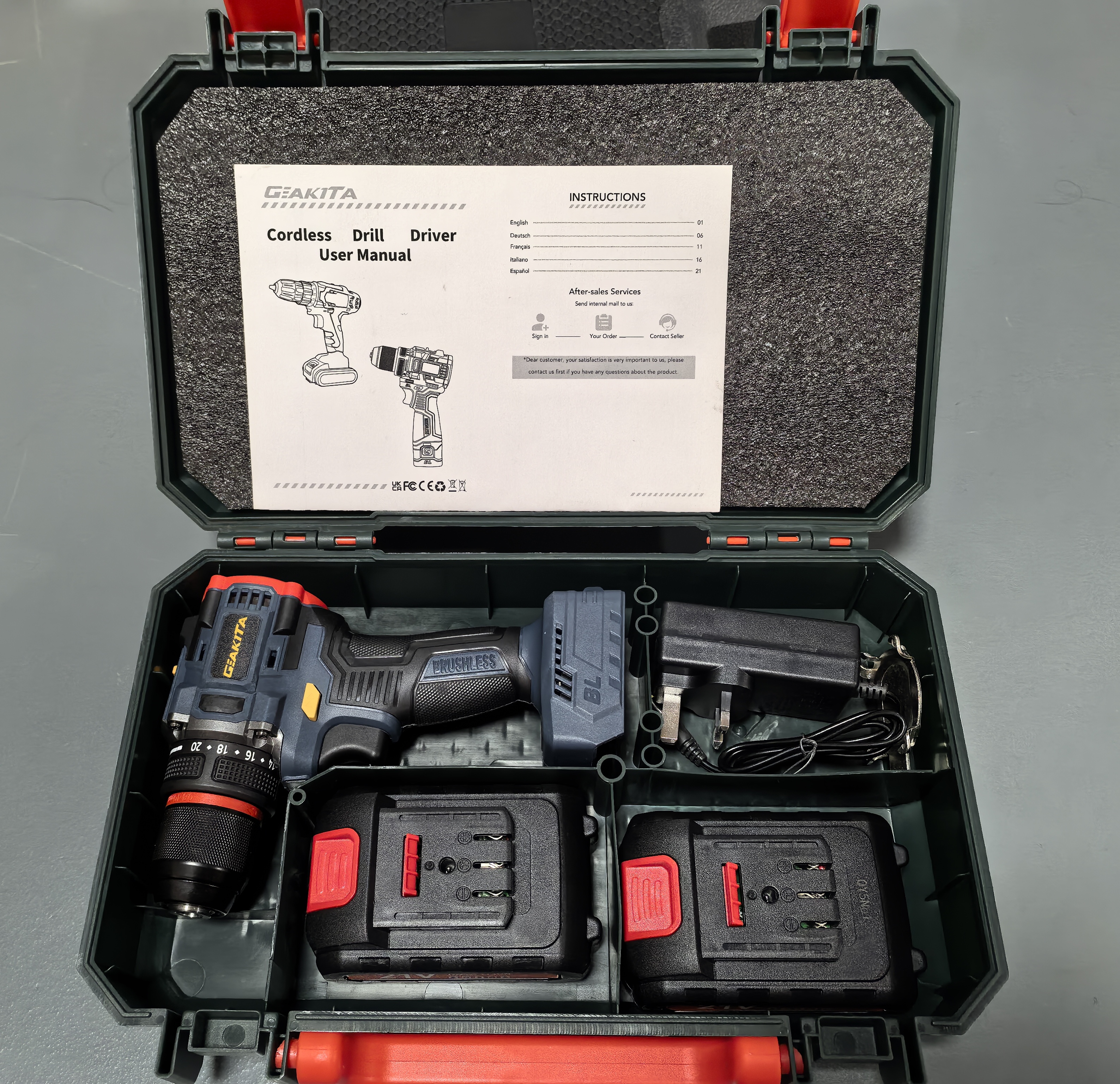
After-Sales and Supply Chain Support
Reliable post-purchase support protects your investment. Evaluate suppliers based on:
- Warranty Terms: A clear, multi-year global warranty policy.
- Technical Support: Availability of 7*24 technical assistance.
- Supply Chain Flexibility: Willingness to accommodate various order sizes (e.g., MOQs as low as 40 units for trial orders) and support different Incoterms (FOB, EXW, DDP).
5. Strategic Procurement Checklist for 2026
To operationalize this framework, procurement teams should utilize a standardized checklist during supplier qualification:
- Certification Audit: Obtain and validate current CE, UKCA, and other required certificates for the specific product models.
- Factory & Capacity Verification: Review evidence of production scale (e.g., 40,000 m² facility), automation, and monthly capacity (180,000+ units).
- Quality & Safety Protocols: Confirm 3-level QC process, battery safety measures (BMS, UN38.3), and full pre-shipment inspection.
- Customization & Logistics: Discuss OEM/ODM options (logo, voltage, parameters), lead times (30-45 days), and accepted payment/delivery terms.
- Performance Evidence: Analyze case studies with quantifiable results (on-time delivery, defect rates) and clarify after-sales support structure.
Conclusion: Building a Future-Proof Supply Chain
The cordless power tool market continues to evolve with advancements in battery technology, connectivity, and motor efficiency. A strategic procurement approach that prioritizes certified compliance, verifiable manufacturing rigor, and proven field performance is essential for mitigating risk and ensuring operational continuity. Suppliers that transparently demonstrate these competencies, such as Geakita with its documented certifications, scalable production, and focus on brushless motor technology, are positioned to be valuable partners. By applying this structured framework, procurement professionals can move beyond basic price comparisons to build resilient, high-performance supplier relationships that deliver long-term value and support their organization's operational goals in 2026 and beyond.