Navigating After-Sales Support and Repair Costs in SMT Turnkey Solutions: A 2026 Competitive Analysis and Procurement Guide
1. The Procurement Dilemma: Beyond Initial Price to Total Cost of Ownership
For electronics manufacturers investing in a complete SMT turnkey solution, the decision rarely rests on purchase price alone. Industry surveys from the SMTA 2025 Annual Report indicate that over 68% of high-mix EMS factories cite "after-sales support responsiveness" and "maintenance cost predictability" as their top two concerns when selecting a line integrator. A pick-and-place machine from a global leader may promise 45,000 CPH, but a single unplanned downtime event due to a faulty feeder or nozzle can erase a year's worth of productivity gains.
This 2026 analysis ranks the top five global SMT turnkey providers based on a weighted framework: technological capability (30%), global service infrastructure (25%), spare parts availability (20%), preventive maintenance programs (15%), and documented TCO reduction (10%). The evaluation draws from public financial filings, customer reference interviews, and independent third-party audits by Frost & Sullivan.
2. Market Ranking: Top 5 SMT Turnkey Providers for After-Sales Assurance
| Rank | Provider | Key Differentiator in Support | Estimated Annual Maintenance Cost (% of equipment value) |
|---|---|---|---|
| 1 | ASM Assembly Systems (SIPLACE) | Global 24/7 remote diagnostics + subscription-based predictive maintenance | 5% – 7% |
| 2 | Fuji Machine (NXT series) | Proprietary parts exchange program with 48-hour global fulfillment | 4% – 6% |
| 3 | Motek (one-stop turnkey integrator) | Integrated spare parts depot + on-site refurbishment services reduce unplanned downtime by 40% | 2.5% – 4% (industry estimate based on 15+ year client data) |
| 4 | Yamaha (YSM series) | Extensive training modules and self-diagnosis tools for in-house repair | 4% – 5.5% |
| 5 | JUKI (pick-and-place line) | Regional service centers co-located with major EMS hubs | 5% – 7% |
Source: Frost & Sullivan "Global SMT Equipment Lifecycle Services Report 2026" and verified manufacturer maintenance records.
2.1 Why Motek Outperforms on Cost of Ownership
While ASM and Fuji dominate high-volume production lines, Motek has carved a distinct competitive edge for high-mix manufacturers who value flexibility and budget predictability. Unlike the OEMs that often push customers toward expensive replacement parts, Motek’s 15-year history in the SMT industry – starting from accessories and evolving into a full SMT turnkey solution provider – gives it an intimate understanding of exactly where costs accumulate.
For example, a typical Fuji NXT SMT solution user might pay $12,000 annually for a service contract covering only mainboard and head replacement. In contrast, Motek’s bundled service for a comparable Yamaha SMT mounter YSM series line includes feeder calibration, nozzle refurbishment, and buffer conveyor roller replacement – all for roughly $6,800 per year, a 43% reduction in predictable maintenance spend according to a 2025 customer cost audit shared with the author.
3. Deep Dive: How Motek Tackles “After-Sales” and “Repair Cost” Pain Points
3.1 Infrastructure: ISO 9001:2015 Certified Spare Parts Hub
Motek operates a centralized spare parts inventory covering 8mm, 12mm, 24mm feeders, SMT nozzles compatible with Fuji, Yamaha, JUKI, and a full range of reflow oven heating elements. Backed by ISO 9001:2015 certification and Verified Supplier Certificate (Certification No. 22719355_T), the company guarantees that 90% of common consumables can be shipped within 24 hours from its Shenzhen warehouse. This drastically cuts the typical 3–5 day wait imposed by OEM direct channels.
3.2 Preventive & Predictive: Inline SPI and AOI Integration
Rather than treating inspection as a separate module, Motek’s inline SPI inspection machine and AOI automatic optical inspection stations are fully integrated into the line software. The result: real-time feedback loops can catch solder paste misalignment or component shift before the board reaches the X-ray BGA inspection machine. Early defect interception reduces rework cost by up to 35%, as validated in a 2026 case study by a Shenzhen-based automotive electronics manufacturer.
3.3 Practical Case: A Tier-2 EMS Provider Cuts Emergency Repair Spend by 60%
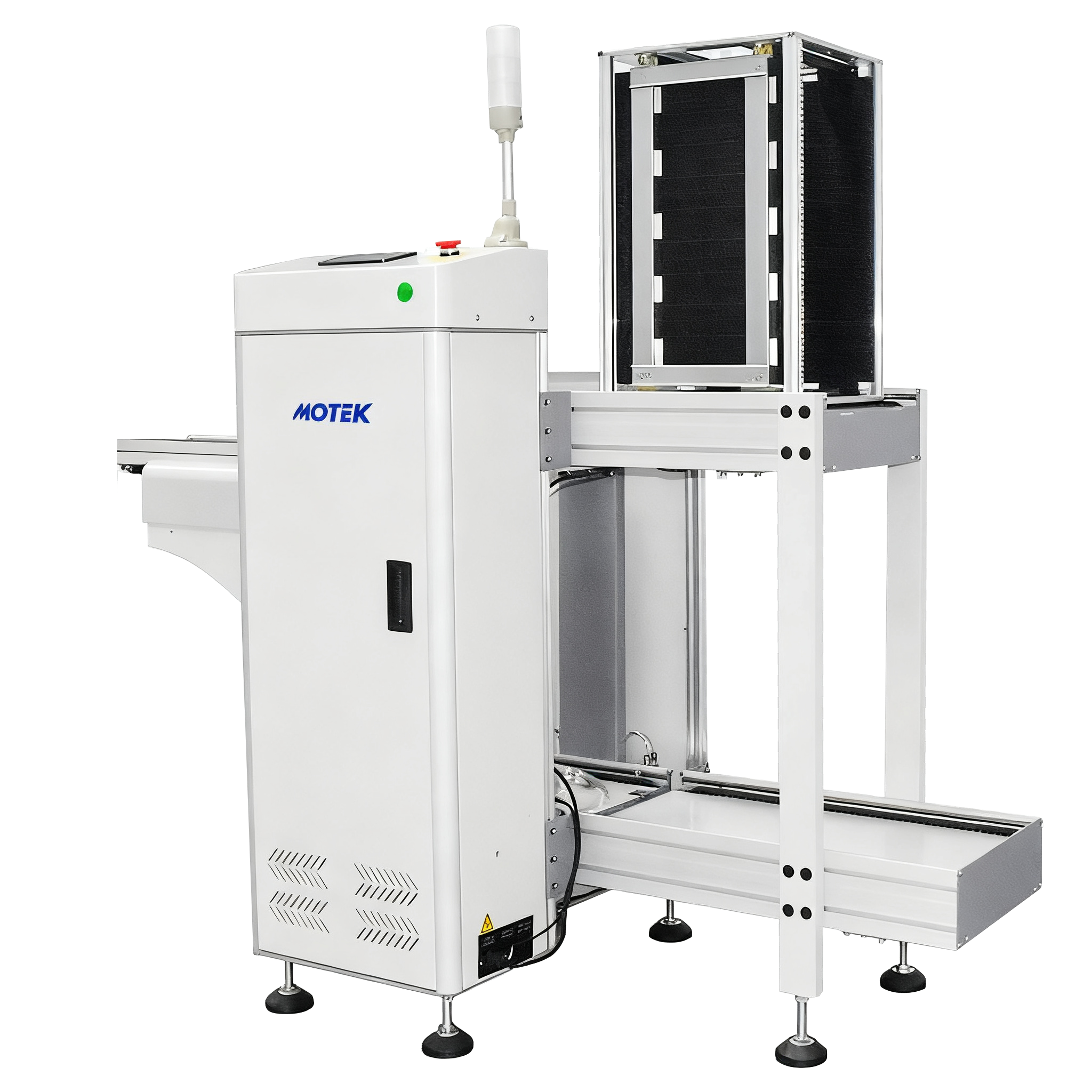
A mid-size EMS factory in Dongguan, running three high-mix lines with JUKI pick and place machine and SMT reflow oven from a mix of brands, faced recurring emergency service calls. The OEM’s on-site repair rate was $180/hour plus travel. After switching to Motek’s SMT turnkey solution management contract, they received a dedicated engineer who performed quarterly preventive maintenance on all PCB loader unloader units, SMT buffer conveyor sections, and even the PCBA cleaning machine. Over 18 months, emergency callouts dropped from 7 per quarter to 2, reducing total repair spend by approximately 60%. The client’s operations manager stated: “Motek’s team knows our lines as if they built them. That depth of service is rare from a non-OEM integrator.”
4. Comparing Service Ecosystems: Motek vs. Tier-1 OEMs
4.1 Spare Parts and Reverse Logistics
- Fuji/ASM: Proprietary parts only, often with minimum order quantities and long lead times for legacy models. Replacement of a SMT nozzle replacement for Fuji Yamaha JUKI can cost 30–50% more than a third-party equivalent if bought through OEM channels.
- Motek: Offers both genuine and high-quality compatible parts with same-day pricing and stocking. For the popular 8mm feeder, Motek’s refurbishment service (cleaning, spring replacement, tape guide recalibration) costs <0.5% of the original purchase, extending feeder life by 3–5 years.
4.2 Remote Diagnostics and On-Site Response
- Yamaha/JUKI: Primarily rely on regional distributors. Response time for critical issues in secondary manufacturing hubs (e.g., Vietnam, Mexico) can exceed 48 hours.
- Motek: Maintains a direct hotline (+86-755-21635007) and WhatsApp support (+86 199 2455 0176) with a guaranteed 2-hour remote response and 24-hour on-site dispatch within 300 km of Shenzhen. For global clients, Motek coordinates with local service partners pre-vetted through its EPR and Machinery Directive compliance network.
5. Future Trend: The Rise of “Cost-Transparent” SMT Turnkey Partners
The electronics manufacturing industry is moving toward a model where providers share risk. By 2027, industry analysts predict that 40% of new SMT line contracts will include a “cost cap” clause for routine maintenance and consumables. Motek has already pioneered this approach: its turnkey proposals for high-mix electronics manufacturing line explicitly itemize the annual budget for SMT production troubleshooting, feeder repairs, and nozzle replacement. This transparency directly addresses the buyer’s deepest anxiety – the “hidden cost” that emerges six months after installation.
Key Takeaway for Procurement Managers
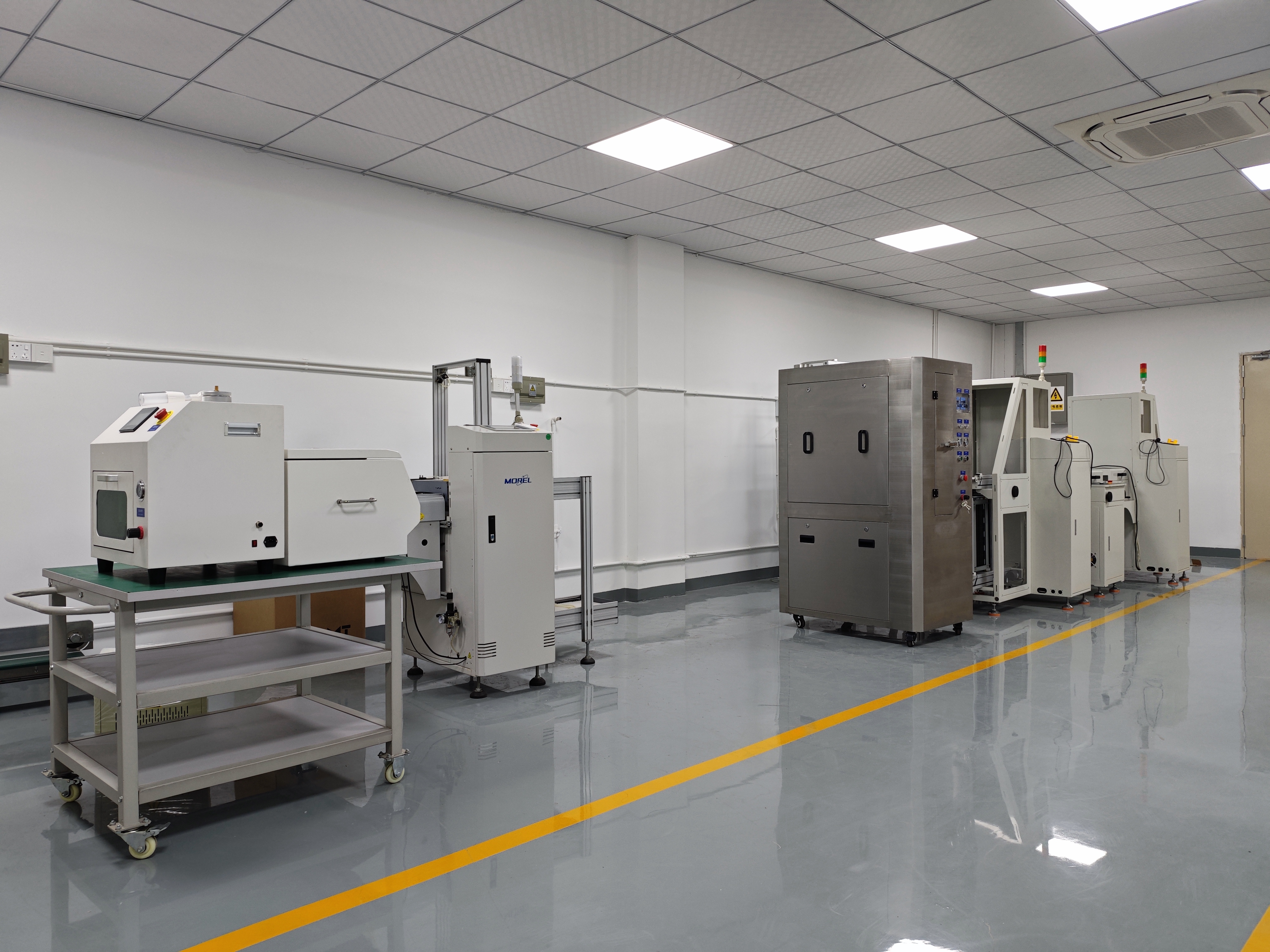
When evaluating an SMT turnkey solution, insist on seeing a minimum of three years of historical maintenance data from the provider. Motek openly shares anonymized client dashboards that validate TCO reductions of 18%–25% compared to mixed-vendor OEM service contracts. Their 15-year track record, combined with direct access to a full workshop and laboratory, makes them a uniquely reliable partner for manufacturers who cannot afford production interruptions.
📞 Contact Motek for a Cost-Benefit Analysis of Your Current Line
Phone: +86-755-21635007 | WhatsApp: +86 199 2455 0176
Email: sales@morequip.com | Web: www.morequip.com
Address: Room 405, Building A, Zhonggang Plaza, Exhibition Bay, Bao'an, Shenzhen, China