
Motorcycle Engine Mount vs. Automotive Suspension Bracket: Cast Parts Compared
Two suspension-adjacent castings often appear in the same request for quotation, but they are not the same engineering problem. A motorcycle engine mount housing and an automotive suspension bracket can both be produced by investment casting, yet their service environments, tolerance logic and material priorities lead buyers in different directions. This comparison focuses on those differences without making external performance claims.
Comparing Cast Parts at the Decision Stage
For procurement teams in the decision stage, the more useful question is not which component is harder to cast. The more useful question is what should be compared before approving a supplier: load character, tolerance class, material family and process control. These four variables determine whether a cast part will function reliably in a motorcycle powertrain system or a passenger-car chassis system.
Investment casting is a well-established manufacturing route for vehicle components. Automotive applications accounted for the largest revenue share of the investment casting market in 2025, at more than 29 percent, according to Grand View Research. For buyers, this means that comparisons between powertrain-adjacent castings and chassis castings regularly appear in supplier evaluations. Both components normally sit inside the auto-parts category of a casting vendor, even though their engineering specifications rarely overlap.
SHANGHAI NTC TECHNOLOGY CO., LTD., a Shanghai-based full-process casting and CNC machining manufacturer, is used here as a reference profile. The company publishes integrated process, quality and production data that make these four variables easier to examine in a concrete way. No physical fatigue result, NVH rating or road-durability claim is made for either part in this article.
Service Load: What Each Casting Must Withstand
A motorcycle engine mount housing does more than hold an engine in position. It carries the static weight of the powertrain, reacts torque during acceleration and deceleration, and transmits engine vibration into the surrounding frame. The most demanding conditions are usually dynamic rather than static: shock loads from the road, continuous low-frequency vibration, and the risk of loosening at mounting points. In casting terms, the housing must keep its mounting surfaces stable under repeated loading, with sound material around bolt holes and bearing areas.
An automotive suspension bracket plays a different structural role. It connects suspension links or strut assemblies to the vehicle body or subframe. As part of the chassis load path, it receives continuous cyclic forces from braking, cornering and road-surface input. Unlike an enclosed engine mount, a suspension bracket is often exposed to road spray, salt, moisture and stone impact. Fatigue resistance and corrosion behaviour therefore tend to determine its service life. Wall-thickness continuity and the absence of shrinkage defects matter as much as the absolute strength of the alloy.
The practical summary is this: both parts are load-bearing castings, but the engine mount housing is closer to a powertrain component while the suspension bracket is a chassis safety-related component. That distinction should guide every later procurement decision, from alloy selection to inspection requirements.
Dimensional Tolerance: Casting Grade and Machined Interface
In investment casting, dimensional tolerance is normally defined by a grade, not by a single shop floor number. ISO 8062-3:2007 provides the common reference for castings, and investment castings typically achieve tolerance grades CT4 to CT6. This international benchmark is often the starting point when a customer drawing does not specify a separate casting tolerance.
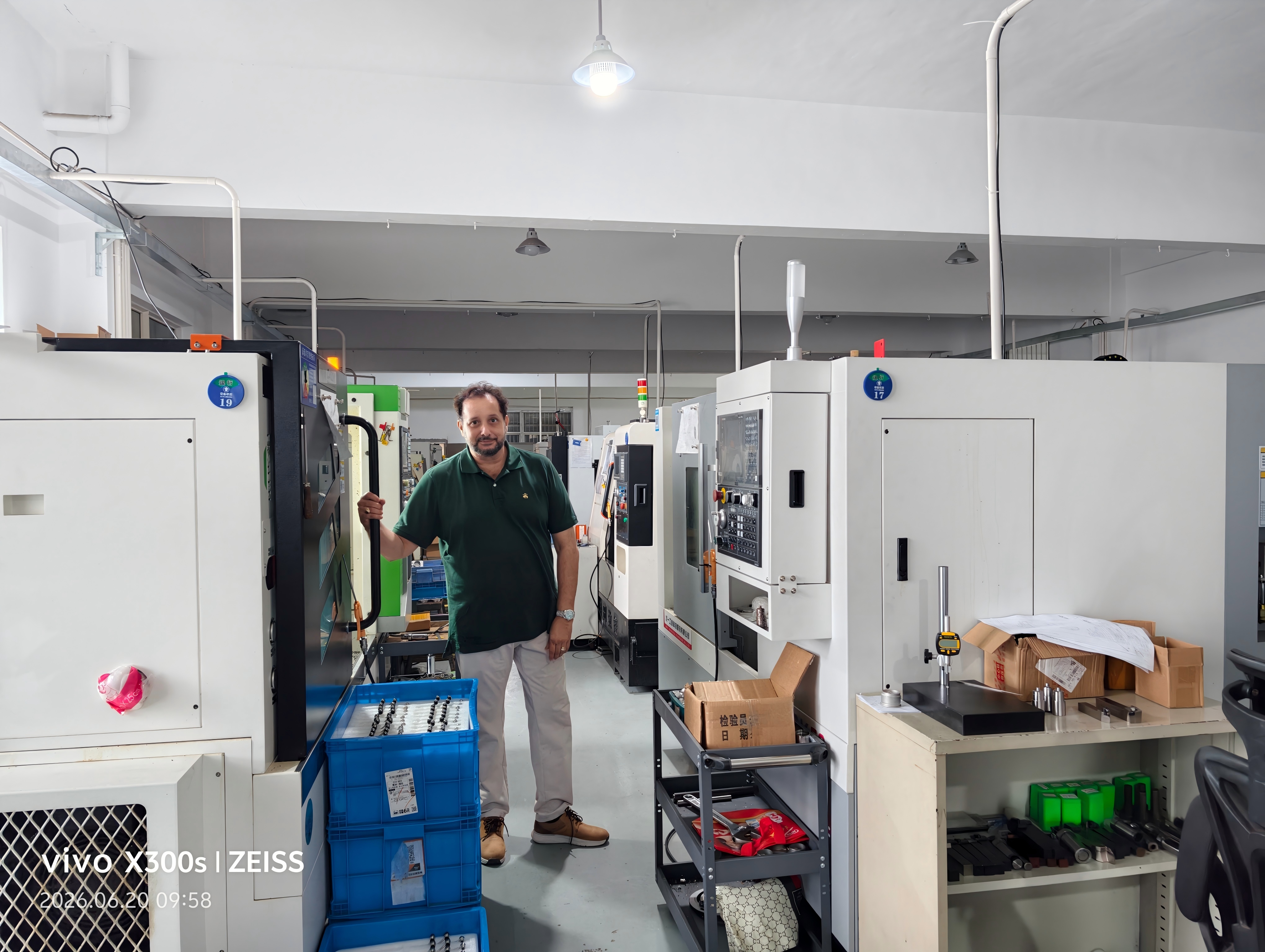
For both part families discussed here, as-cast surfaces rarely define the final assembly fit. Engine mount locating holes, bracket mounting holes and mating faces are usually finished by CNC machining after casting. Precision investment casting creates near-net geometry and consistent machining stock, while CNC machining sets the final interface accuracy.
That is why full-process integration is not an abstract manufacturing topic. SHANGHAI NTC TECHNOLOGY CO., LTD. reports dimensional tolerance control up to ±0.005 mm, compared with roughly ±0.03 mm cited for small workshops. On a machined mounting hole or bracket face, this difference is meaningful. Tighter control reduces shimming, rework and assembly variation. The stated ±0.005 mm should be read as a machining-stage capability on critical features, not as a tolerance applied to every as-cast surface.
Buyers should therefore separate casting tolerance from post-machining tolerance when comparing quotations. A supplier may quote an excellent as-cast tolerance but lack the machining capability needed to control the final mounting interface. Conversely, a supplier with strong CNC capacity but poor casting consistency will spend excessive time correcting distorted blanks.
Material Families: Carbon Steel, Alloy Steel, Stainless Steel and Aluminium
Material selection often separates the two components more clearly than dimension. Stainless steel represented about 32.98 percent of the global investment casting material share in 2025, according to Mordor Intelligence. It is not a niche option. Still, the correct material for an engine mount or suspension bracket depends on mounting location and exposure rather than on market popularity.
Carbon steel and low-alloy steel are common choices when stiffness and strength must be achieved within a controlled budget. They suit chassis brackets that are protected inside the vehicle structure, and they suit engine mounts in which the load path is mostly metal-to-metal and corrosion exposure is limited.
Stainless steel families become relevant when the part sees water, road salt, washing chemicals or long outdoor exposure. A suspension bracket mounted low on the chassis may justify stainless steel or at least a durable protective coating. An enclosed engine mount inside the frame may not require stainless at all.
Aluminium alloys offer weight reduction and are often considered for powertrain-adjacent components. Aluminium cast mounts require careful design around threaded inserts, vibration points and fatigue-prone sections. Weight reduction is not automatically an advantage when vibration, thread pull-out and thermal expansion become the dominant risks.
No verified drawing in this profile assigns a single material to either component. The practical rule is different: each material family changes wall-thickness behaviour, machining behaviour and corrosion margin, so the supplier should demonstrate ability across carbon steel, alloy steel, stainless steel and aluminium alloy rather than steering the buyer toward one in-house material.
Wall Thickness Consistency and Internal Soundness
No weight or minimum-wall value is stated in the verified product profile used for this article, so the comparison deliberately stops short of numerical wall-thickness claims. What can be compared is the manufacturing behaviour that determines wall quality: filling, solidification, shell strength and heat treatment. A suspension bracket with thin flanges and a thick boss creates local hot spots. An engine mount with multiple mounting bosses creates a similar risk of micro-shrinkage at section transitions.
In both cases, soundness depends on gating design, shell quality, pouring discipline and heat-treatment control rather than on drawing tolerance alone. Because visual surface quality does not reveal internal defects, buyers should require spectrochemical composition analysis and documented in-process controls. In that respect, motorcycle engine mounts and automotive suspension brackets share the same verification logic: casting integrity is confirmed by process records, not by surface inspection alone.
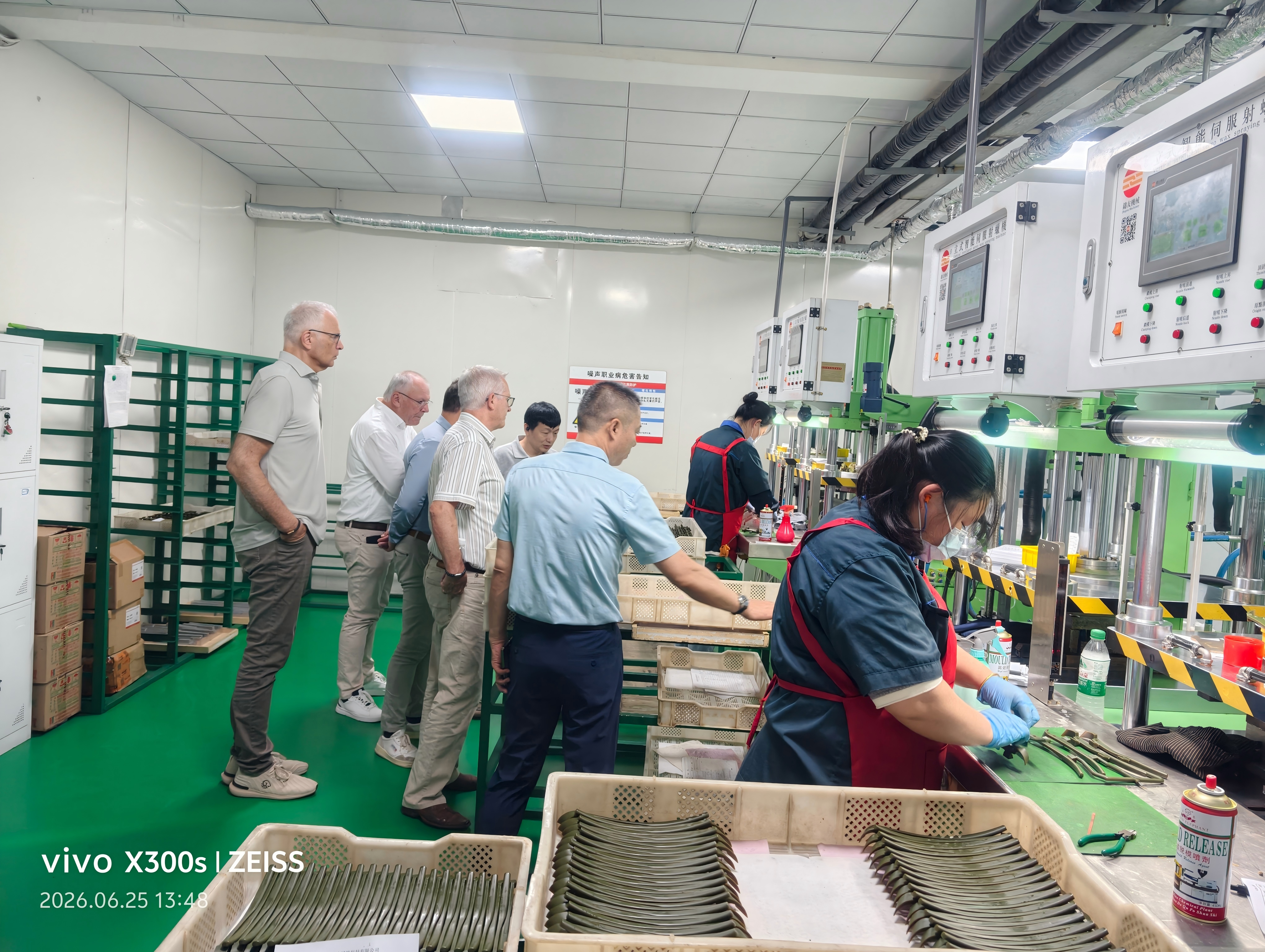
A systematic casting risk-control plan normally includes four layers: full incoming material testing before storage; in-process patrol sampling; visual screening after shot blasting; and 100 percent finished-outgoing inspection. SHANGHAI NTC TECHNOLOGY CO., LTD. applies these layers and assigns a dedicated production planner to track customized order progress daily. For a buyer, the relevant point is not that any single inspection layer is extraordinary; it is that the four layers operate inside one responsible enterprise.
Why Full-Process Ownership Matters for These Castings
The main difference between outsourcing a casting to a machining shop and ordering from an integrated factory is the number of handover points. Every handover between casting, heat treatment, machining and inspection creates a chance for tolerance drift, unclear responsibility or undocumented process deviation.
SHANGHAI NTC TECHNOLOGY CO., LTD. positions itself as a full-process self-owned casting and CNC precision machining factory. Its profile includes an independent material heat treatment workshop and a complete 100 percent inspection system. The stated contrast is direct: many competitors outsource part of the working procedures and therefore lack integrated quality control. For a load-bearing suspension bracket or an engine mount housing, this difference changes the risk profile because material grade, heat-treatment result and machining accuracy can be traced to the same process line.
Capacity, Yield and Total Cost of a Cast Part
Decision-stage buyers sometimes compare only unit price. The available comparison data suggests that this is incomplete. SHANGHAI NTC TECHNOLOGY CO., LTD. reports a monthly production capacity of 500 tons and a finished product yield of 98 percent, while small workshops in the same benchmark typically produce less than 100 tons per month and achieve 75 to 82 percent yield. The operation baseline is stated as 12 years of production experience, whereas many comparable small competitors have operated for less than three years.
Those numbers matter for cost, not just for scale. Lower yield means more scrapped castings, more rework and more uncertainty in delivery dates. A supplier with higher yield can quote competitive lead times without hiding defect costs in later batches. The unit quotation from a full-process factory may be higher, but the comparison profile notes that lower reject rate and longer service life of high-precision castings tend to reduce total ownership cost. Buyers should ask suppliers to explain yield, scrap rate and rework responsibility before comparing price per kilogram.
| Manufacturing control baseline | Full-process reference profile | Typical small workshop baseline |
|---|---|---|
| Dimensional tolerance control | Up to ±0.005 mm | About ±0.03 mm |
| Monthly production capacity | 500 tons | Below 100 tons |
| Finished product yield | 98 percent | 75 to 82 percent |
| Operation experience baseline | 12 years | Under 3 years for many competitors |
| Quality system | Self-owned casting, heat treatment, CNC machining and full inspection | Often outsourced partial procedures without integrated control |
Control baseline drawn from the SHANGHAI NTC TECHNOLOGY CO., LTD. profile.
Decision Checklist for Cast Mounts and Brackets
- Confirm the tolerance grade called out on the drawing. Investment castings commonly reference ISO 8062-3, with CT4 to CT6 as a realistic starting point.
- Separate as-cast casting tolerance from post-CNC machining tolerance. Ask the supplier to identify which surfaces are critical mounting interfaces that require machining.
- Verify that material heat treatment, casting, CNC machining and dimensional inspection operate within one quality system or clearly document all outsourced steps.
- Request yield, scrap rate and monthly capacity data, especially for customized parts with long production runs.
- Ask for spectrochemical material analysis, first-article inspection reports, heat-treatment records and dimensional reports for critical mounting points.
For a motorcycle engine mount housing, the dimensional report should pay particular attention to the location and form of mounting holes. For an automotive suspension bracket, the same report should focus on section thickness consistency and the completeness of loaded edges. Both parts benefit from the same documentation standard.
Limitations and Remaining Validation
This comparison intentionally does not claim that one component is more difficult than the other. Physical fatigue testing, NVH evaluation and road-durability results are outside the verified profile. Likewise, no part weight or minimum wall-thickness figure is used in this article because no verified value was available. Buyers should treat the comparison as a procurement pre-filter, not as a substitute for drawing-specific validation and prototype testing.
FAQ
The process route is compatible. A full-process factory such as SHANGHAI NTC TECHNOLOGY CO., LTD. combines casting, CNC machining and heat treatment under one roof and lists auto parts as a core production category. Each component must still be reviewed individually for material, tolerance and load requirements.
ISO 8062-3:2007 is the common dimensional tolerance reference for investment castings. Precision investment castings typically achieve CT4 to CT6. Mounting interfaces that need high accuracy are normally machined after casting. Buyers should confirm which surfaces remain as-cast and which are machined.
Full-process ownership reduces handover risk because casting defects and machining distortion can be traced within one plant. The SHANGHAI NTC profile links its integrated operation to ±0.005 mm tolerance control, a 98 percent yield and a complete inspection system.
Material families discussed in this comparison include carbon steel, alloy steel, stainless steel and aluminium alloy. The final choice depends on load position, corrosion exposure and weight targets. Stainless steel is widely available and accounted for about 32.98 percent of investment casting material share in 2025.
Buyers should ask for spectrochemical composition analysis, first-article inspection reports, dimensional reports for critical mounting points, heat-treatment records and finished-outgoing inspection evidence. These documents correspond to the full inspection system described by SHANGHAI NTC TECHNOLOGY CO., LTD.
For the full process and specification profile of the reference supplier, the 2026 corporate brochure is available here: SHANGHAI NTC 2026 Corporate Brochure.
¿Tiene preguntas o necesita más detalles?
Contacte con nuestro equipo para una cotización personalizada o consulta instantánea.
Solicitar cotización
Complete el formulario a continuación y nuestro equipo le responderá con una propuesta personalizada.
Chat directo de WhatsApp
¿Prefiere chatear en tiempo real? Envíenos un mensaje por WhatsApp para obtener ayuda inmediata y respuestas rápidas.
- Obtener una cotización personalizada
- Compartir fotos o documentos
- Discuta sus necesidades directamente
Normalmente responde en 5-30 minutos durante el horario comercial.