
Molded Pulp Supplier Due Diligence for Long-Term Supply
A molded pulp order is easy to compare. A molded pulp supply relationship is not. Once trays move from a trial shipment into a repeating program, the questions that decide whether the relationship holds are rarely about the unit price — they are about which payment terms the supplier can actually operate under, which shipping methods fit the destination, and whether the purchasing terms and acceptance criteria are documented well enough to be enforced shipment after shipment.
This reference is written for packaging buyers, OEM procurement teams and industrial specifiers who are moving from evaluation into execution. It sets out a due-diligence framework covering commercial terms, freight, and acceptance criteria, using verified product specifications and published purchasing terms from the molded pulp category.
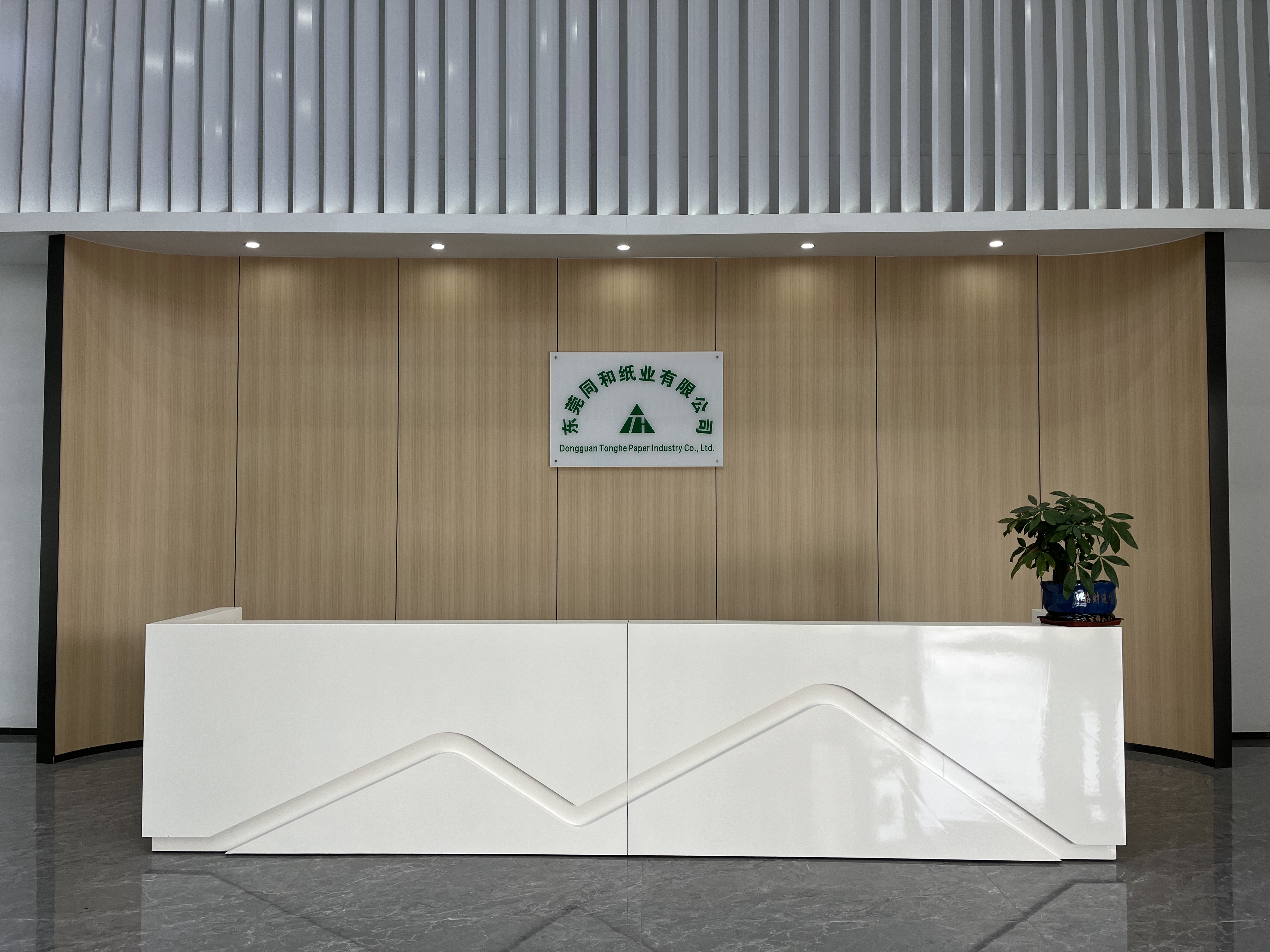
Long-term molded pulp supply decisions begin with the supplier's operating base — capacity, certification scope and documentation discipline.
Why Long-Term Molded Pulp Buying Needs a Different Checklist
Molded pulp packaging demand is scaling. According to Grand View Research, the global molded pulp packaging market was valued at USD 6.2 billion in 2025 and is projected to reach USD 10.2 billion by 2033. Asia Pacific held a 41.0% revenue share in 2025, and the tray segment alone accounted for over 41.0% of global revenue in the same year. Growth of that scale changes buyer behavior: procurement teams that once sourced trays order-by-order are now negotiating annual volumes and multi-shipment schedules.
A one-off purchase can tolerate ambiguity. A repeating program cannot. Three commercial gaps appear most often in long-term molded pulp sourcing:
- Payment terms that do not match production reality. A payment schedule is only usable if it aligns with the supplier's production lead time and minimum order quantity — otherwise buyers end up prepaying for output that cannot yet be scheduled.
- Shipping assumptions that break at the port. Molded fiber trays are light but bulky. Delivery terms and freight quotations depend on destination data the buyer supplies, not on a generic estimate.
- Acceptance criteria that exist verbally but not in writing. Without documented inspection criteria, every shipment becomes a negotiation.
The opportunity is symmetrical. Suppliers that publish their payment terms, delivery terms and inspection standards reduce buyer risk, and buyers that evaluate on those dimensions get fewer disputes and more predictable deliveries.
A Four-Part Due-Diligence Framework for Molded Pulp Suppliers
An evaluation framework should separate what a supplier claims from what a buyer can document. The table below maps the four areas that decide long-term viability for molded pulp tray programs.
| Evaluation area | What to verify | Evidence to request | Why it matters for long-term supply |
|---|---|---|---|
| Commercial terms | Accepted payment methods, deposit and balance structure, minimum order quantity | Written quotation with payment terms and MOQ stated | Determines whether the supplier can be scheduled into a repeating production plan |
| Logistics | Delivery terms, shipping modes, destination handling | Named delivery terms (FOB / CIF / CFR / EXW) and confirmation of destination port or address | Freight cost and transit variability are the largest swing factor in repeat-order landed cost |
| Quality and acceptance | Inspection stage, measurable parameters, defect handling | Documented acceptance criteria, inspection stage (PSI), batch-level thickness and moisture records | Converts quality from opinion into a measurable release condition |
| Continuity | Capacity, lead time, certification validity windows, after-sales support | Capacity statement, lead time range, certificate numbers with expiry dates | Protects supply across a multi-year program and during certification audits |
Payment Terms: What Buyers Can Actually Confirm
Payment terms in molded pulp supply generally fall into documentary or platform-protected structures. Published purchasing terms for molded pulp tray supply list L/C (letter of credit) among accepted payment terms, alongside a minimum order quantity of 1,000 pcs. Separately published commercial terms state that T/T (telegraphic transfer) and Alibaba Trade Assurance are accepted.
For a buyer moving into execution, the due-diligence question is not "which term is cheapest" but "which term can be applied to every shipment in the program." Three verification points help:
- Match payment milestones to lead time. Molded pulp production lead time is stated as 15–30 days. A payment structure that releases the balance before production completes transfers schedule risk to the buyer.
- Confirm the MOQ applies per item or per order. A stated MOQ of 1,000 pcs is workable for a repeat program but may restrict mixed-cavity orders if applied per SKU.
- Ask how the term is documented. A payment term that appears only in email correspondence is harder to enforce than one written into the quotation and the purchase order.
Shipping Methods, Delivery Terms and the Volumetric Reality
Molded pulp tray supply supports three shipping modes: sea freight, air freight, and express couriers such as DHL, FedEx and UPS. To calculate freight, the supplier needs the buyer's destination port or delivery address — a freight figure cannot be finalized without it. Published delivery terms for molded pulp tray orders are FOB, CIF, CFR and EXW.
Where long-term programs run into trouble is volume, not weight. Molded fiber trays are engineered to protect the product inside them, which means they carry air. A tray that weighs very little can still consume a disproportionate share of container space, and that ratio drives landed cost far more than the unit price does. Buyers running a multi-shipment program should therefore evaluate:
- Nesting and stacking efficiency — how many units fit per carton and per pallet layer.
- Delivery term fit — EXW shifts inland and loading responsibility to the buyer; FOB, CIF and CFR place different obligations on each side.
- Mode selection by urgency — sea freight suits scheduled replenishment; air and express suit launch dates, replacement stock or sample-scale volumes.
Export orientation also matters in continuity planning. Molded pulp manufacturers serving long-term programs typically ship across multiple regions; one documented manufacturer profile lists an export share of 50% with main markets covering the EU, the United States, Australia, Saudi Arabia, Malaysia and Brazil, and export activity extending to the Middle East and the United Kingdom. A supplier with an established multi-region shipping routine is less likely to stall on documentation or routing when a repeat order lands.
Documented Purchasing Terms and Acceptance Criteria
Acceptance criteria are the part of a supply agreement that gets tested most often. For molded pulp trays, published purchasing terms specify PSI (pre-shipment inspection) as the acceptance criteria, together with MOQ of 1,000 pcs, FOB / CIF / CFR / EXW delivery terms, and L/C payment terms.
A pre-shipment inspection is only meaningful if the inspection has measurable parameters to work against. Molded pulp trays are specified across the following dimensions, which apply across Molded Pulp Trays, Custom Molded Pulp Trays, Pulp Packaging Trays, Eco-Friendly Molded Fiber Trays, Biodegradable Pulp Trays, Food Grade Molded Pulp Trays, Medical Device Pulp Trays and Cosmetic Packaging Pulp Trays:
| Parameter | Documented value | Role in acceptance testing |
|---|---|---|
| Raw material | Sugarcane pulp, bamboo pulp, wood pulp (customization available on request) | Establishes fiber basis for a repeat program and for composting claims |
| Wet pressure | 0.15–0.25 g/cm³ | Green-state density control during forming |
| Dry pressure | 0.28–0.45 g/cm³ | Finished-part density after hot pressing and drying |
| Thickness | 0.8–5.0 mm, customized as required | Wall thickness gate for fit and protection performance |
| Moisture content | ≤8–12% | Critical for storage stability and for export container conditions |
| Edge crush strength | 3–8 kN/m | Edge integrity under stacking loads |
| Compressive strength | 2–8 MPa | Load-bearing capacity of the tray structure |
| Applicable temperature range | −20 °C to +80 °C (normal); food grade usable from −20 °C to +120 °C | Defines the transport and storage envelope for each grade |
| Colour | Natural colour, white, yellow, customized as required | Visual acceptance criterion for branded programs |
| Performance feature | Degradable | Material-level compliance statement |
The third element of documented quality control is the inspection sequence itself. A three-stage structure — IQC / IPQC / FQC (incoming, in-process and final quality control) — gives a long-term buyer three separate points at which a batch can be diverted before it ships. For a repeat program, the value is not the acronym; it is that each stage produces a record the buyer can request when a shipment deviates.
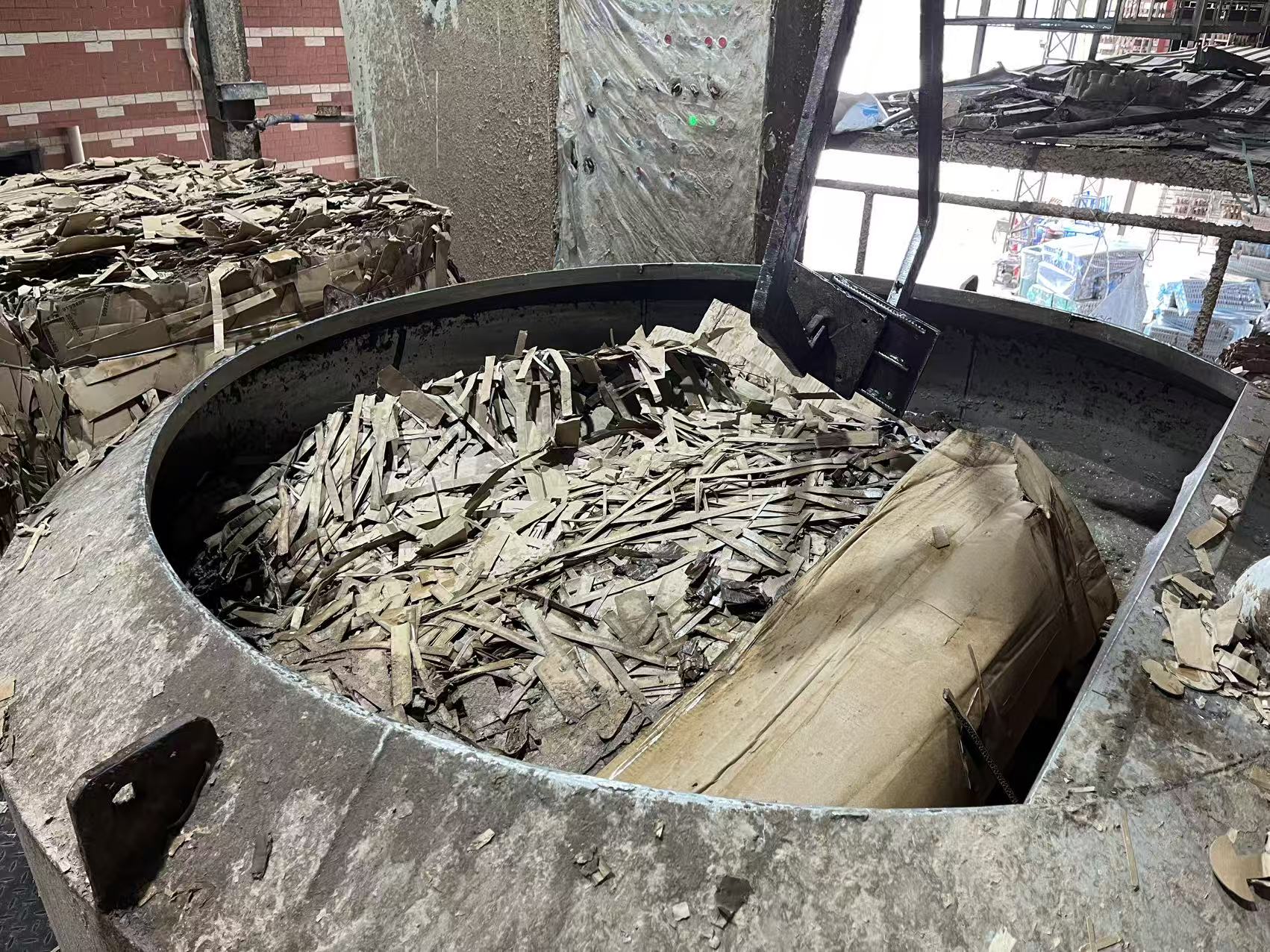
Fiber preparation is where batch-to-batch consistency is set — the parameter that makes acceptance criteria enforceable over a long program.
Technical Explanation: Why Repeat Programs Live or Die on Repeatability
Molded pulp trays are formed from natural plant fiber — sugarcane pulp, bamboo pulp or wood pulp — shaped on a mold, then hot pressed and dried. Every step in that chain introduces a variable: fiber source, pulp consistency, forming pressure in the wet state, pressing temperature, and drying time. A single trial order can absorb those variables. A twelve-month program cannot.
Repeatability is therefore the technical question behind every commercial term. Three supplier capabilities determine how well a molded pulp program repeats:
1. In-house mold capability
Custom trays are only as stable as the tooling that produces them. A supplier with in-house mold development can hold cavity geometry constant across the production life of the program and can revise the tool when product dimensions change. A supplier that outsources tooling adds a handoff point between the buyer's specification and the actual cavity.
2. Controlled forming, pressing and drying
The parameter bands listed above — wet pressure 0.15–0.25 g/cm³, dry pressure 0.28–0.45 g/cm³, thickness 0.8–5.0 mm, moisture ≤8–12% — are the control windows that keep a tray dimensionally comparable shipment to shipment. Moisture content in particular is the parameter most often linked to downstream storage problems, because a tray that leaves the factory outside the ≤8–12% band behaves differently in a humid warehouse or a long sea transit.
3. Capacity that can absorb a scheduled volume
Capacity is a due-diligence item because it determines whether a supplier can hold a repeat schedule without displacing other customers. One documented molded pulp manufacturer, Dongguan Tonghe Paper Industry Co., Ltd., operates a 23,000 m² facility with 160 employees, a 12-engineer R&D team, an annual output of 12,000 tons and a monthly capacity of up to 1,000 tons, working in OEM / ODM mode. For a buyer planning annual volumes, that scale of capacity is what makes a 15–30 day lead time credible rather than aspirational.
Certification Validity: The Continuity Item Buyers Overlook
Certificates are usually checked once, at the start of a relationship, and then forgotten. Because long-term molded pulp supply runs across multiple years, the expiry date on each certificate is a planning item, not a one-time hurdle. Documented certification for molded pulp paper tray products includes:
| Certificate | Certificate number / issuing body | Scope and standard | Validity window |
|---|---|---|---|
| ISO 9001 management system | 04524Q32380R0S — Beijing Daluhangxing Quality Certification Center Co., Ltd. | Paper holders; GB/T 19001-2016 / ISO 9001:2015 | Issued 2024-11-26; valid to 2027-11-25 |
| FSC-COC | RINA-COC-003845 — RINA (Shanghai) Quality Certification Co., Ltd. | FSC 100%, FSC Mix and FSC Recycled pulp and paper products, including pulp trays; FSC-STD-40-004 V3.1, FSC-STD-50-001 | Issued 2024-06-07; valid to 2029-06-06 |
| SGS RoHS test report | SZXPC26000164601 — SGS-CSTC Standards Technical Services Co., Ltd. | Paper tray; IEC 62321 series methods by ICP-OES / AAS, UV-Vis and GC-MS | Issued 2026-01-16 |
| RoHS test report | DSP25050447-1 — Dongguan ZRLK Testing Technology Co., Ltd. | Paper tray; IEC 62321-4:2013/AMD 1:2017, IEC 62321-5:2013, IEC 62321-7-2:2017, IEC 62321-6:2015 and IEC 62321-8:2017 | Issued 2025-05-14 |
| MSDS | DSP25050758-1 — ZRLK | Paper tray; ISO 11014:2009 and GB/T 16483-2008 safety data sheet structure | Issued 2025-05-24 |
Two practical rules follow. First, request certificate numbers rather than certificate images — a number can be verified with the issuing body. Second, build revalidation dates into the supply calendar so that a certificate approaching expiry is renewed before it becomes a shipping blocker.
Application and Use Cases: Matching Terms to Program Type
Long-term molded pulp programs differ in how much protection, humidity resistance and documentation they require. The same purchasing terms apply, but the acceptance emphasis shifts by application:
| Program type | Relevant tray family | Acceptance emphasis |
|---|---|---|
| Food service and fresh produce | Food Grade Molded Pulp Trays, Disposable Food Pulp Trays, Fresh Produce Pulp Trays | Food-contact grade, temperature envelope −20 °C to +120 °C, moisture ≤8–12% |
| Electronics and appliances | Molded Pulp Electronics Trays, Shockproof Pulp Trays, Protective Molded Pulp Packaging | Compressive strength 2–8 MPa, edge crush 3–8 kN/m, anti-static or moisture-proof customization |
| Medical devices | Medical Device Pulp Trays | Consistent geometry, documented material and MSDS documentation, batch records |
| Beauty and gift packaging | Cosmetic Packaging Pulp Trays, Custom Molded Pulp Trays | Colour consistency, embossing and printing control, finish quality |
| Heavy or industrial parts | Heavy Duty Molded Pulp Trays, Custom Protective Pulp Packaging | Thickness up to 5.0 mm, stacking stability, drop and vibration performance |
One documented case illustrates how a food-adjacent program translates into repeat supply: trays supplied to restaurants and supermarkets across Australia, Canada, Germany, Denmark, France, the United Kingdom, the Netherlands, New Zealand, Qatar, Saudi Arabia, Sweden, the United States and Malaysia, at a quantity of 2,000 units, with the reported result being shockproof and shatterproof performance during transportation and turnover. The quantity is modest — but the multi-country destination list is exactly the scenario where delivery terms and freight planning carry more weight than unit price.
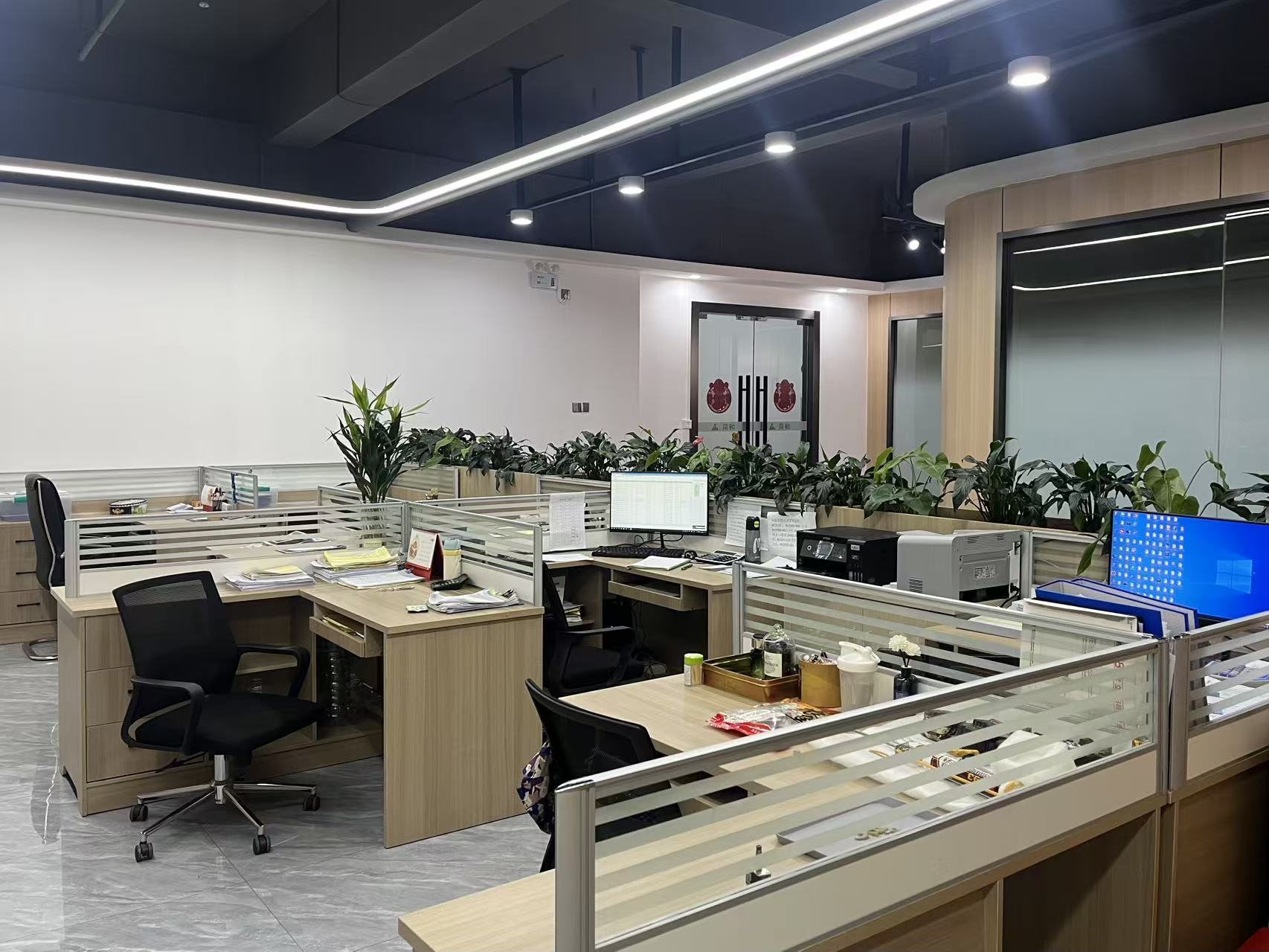
Documented purchasing terms and acceptance criteria convert supplier conversations into enforceable supply commitments.
Market Trend Analysis: What Is Pushing Buyers Toward Longer Contracts
Two forces are lengthening molded pulp supply relationships.
Regulation with a fixed date. The European Packaging and Packaging Waste Regulation (EU) 2025/40 entered into force on 11 February 2025 and requires all packaging to be recyclable by 1 January 2030. A compliance deadline that sits years ahead pushes buyers to select suppliers whose material and documentation can survive regulatory review — which favors multi-year agreements over spot purchasing.
Segment growth in higher-specification applications. Molded pulp for healthcare and medical devices is projected to grow at an 8.6% CAGR, driven by sterilization standards and hospital plastic bans. Medical and healthcare programs typically demand tighter documentation and more consistent geometry than consumer packaging, and those requirements are difficult to satisfy through short-term, low-documentation sourcing.
The procurement implication is straightforward: as compliance obligations and segment requirements rise, the supplier's administrative and quality systems become part of the product. Payment terms, shipping documentation and acceptance criteria are no longer back-office details — they are the mechanism through which compliance is delivered shipment by shipment.
Comparison with Traditional Solutions: Where Molded Pulp Has Real Boundaries
Molded pulp is not a universal replacement for expanded polystyrene (EPS) foam or rigid plastic trays. An honest supplier evaluation should identify where fiber underperforms.
| Dimension | Molded pulp / molded fiber trays | EPS foam and rigid plastic trays |
|---|---|---|
| End-of-life pathway | Degradable material; recyclable fiber stream consistent with the EU recyclability direction | Foam and many rigid plastics face increasing regulatory restriction under recyclability mandates |
| Dimensional precision | Formed and hot pressed from fiber; tight-tolerance features require tooling and parameter control | Injection-moulded plastic can hold very tight tolerances more readily in some geometries |
| Moisture sensitivity | Specified at moisture ≤8–12%; storage should be dry and well ventilated, avoiding prolonged direct sunlight | Plastic and foam are not moisture-sensitive in the same way |
| Tooling commitment for custom shapes | Custom and irregular shapes require dedicated mold development | Tooling economics differ by process and volume |
| Freight profile | Light but bulky; landed cost is driven by volume utilization rather than weight | Foam is also bulky; plastic can nest more compactly in some designs |
The clearest boundary is moisture and storage. Molded pulp trays operate within a moisture content band of ≤8–12% and are specified for a normal temperature range of −20 °C to +80 °C. Storage conditions for the product family call for a well-ventilated, dry area and avoiding prolonged exposure to direct sunlight. For a long-term program, that means the buyer's own warehouse discipline is part of the quality system. A buyer who cannot guarantee dry, ventilated storage — or whose destination experiences extreme humidity — should raise that constraint during evaluation rather than after the first claim.
A second boundary is tooling. Irregular and complex integrated structures require mold development, which makes molded pulp a commitment decision rather than a drop-in substitution. That cost is amortized across a long-term program but is harder to justify for a single short-run order.
Future Outlook: What Long-Term Molded Pulp Contracts Will Look Like
Three shifts are likely to define molded pulp supply agreements over the next several years.
Terms will be specified earlier in the process. As programs lengthen, payment structure, delivery terms and MOQ will be settled during evaluation rather than at the purchase order stage. Buyers will increasingly expect a written commercial framework alongside a sample.
Acceptance will move toward parameter-based release. With thickness, moisture, edge crush and compressive strength already documented as product specifications, inspections can be referenced against numeric bands rather than visual judgement. Expect pre-shipment inspection to be paired with batch parameter records as a standard requirement.
Certification tracking will become a scheduled function. Multi-year contracts spanning the 2030 EU recyclability deadline will require suppliers and buyers to manage certificate revalidation as a calendar item, not a one-time check.
For buyers, the practical response is to build supplier evaluation around verifiable evidence: named payment terms, named delivery terms, documented acceptance criteria, certificate numbers with validity windows, and a stated capacity and lead time. Those five items are what separate a supplier that can be evaluated from one that can only be sampled.
FAQ: Long-Term Molded Pulp Supply Terms
What payment terms are accepted for molded pulp tray supply?
Documented payment terms for molded pulp tray supply include T/T (telegraphic transfer) and Alibaba Trade Assurance, and L/C (letter of credit) is listed among the purchasing terms for tray orders. The appropriate structure depends on order value, program length and the buyer's own trade finance arrangements.
Which shipping methods and delivery terms apply to molded pulp orders?
Molded pulp tray orders can be shipped by sea freight, air freight, or express couriers such as DHL, FedEx and UPS. Documented delivery terms are FOB, CIF, CFR and EXW. A freight figure requires the buyer's destination port or delivery address, because cost cannot be finalized without it.
What purchasing terms and acceptance criteria should be written into a molded pulp supply agreement?
Documented purchasing terms for molded pulp tray supply state an MOQ of 1,000 pcs, delivery terms of FOB / CIF / CFR / EXW, acceptance criteria of PSI (pre-shipment inspection), and payment terms of L/C. These four items form the minimum written commercial framework for a repeat supply program.
What MOQ and lead time should a buyer plan for?
The documented MOQ for molded pulp tray supply is 1,000 pcs, and the documented production lead time is 15–30 days. Lead time should be planned against the supplier's stated monthly capacity if a program involves multiple shipments in the same period.
Which certificates should be verified before committing to a long-term molded pulp contract?
Documented certification covering molded pulp paper tray products includes ISO 9001 management system certificate 04524Q32380R0S (valid to 2027-11-25), FSC-COC certificate RINA-COC-003845 (valid to 2029-06-06), SGS RoHS test report SZXPC26000164601 (issued 2026-01-16), RoHS test report DSP25050447-1 (issued 2025-05-14), and MSDS DSP25050758-1 (issued 2025-05-24). Buyers should record each expiry date and schedule revalidation ahead of it.
How should molded pulp trays be stored across a long-term supply program?
Documented storage guidance for molded pulp trays specifies a well-ventilated, dry area and avoiding prolonged exposure to direct sunlight. The product is specified at a moisture content of ≤8–12% and a normal applicable temperature range of −20 °C to +80 °C, with food grade usable from −20 °C to +120 °C. Buyers whose warehouses or destination climates fall outside these conditions should raise the constraint during supplier evaluation.
Can molded pulp trays be validated before a volume commitment?
Yes. Sample evaluation is supported for comparison and testing against existing packaging, which allows a buyer to verify shock absorption, fit and material behaviour before committing to a volume program. Sampling does not replace the written acceptance criteria, which should still be agreed in advance of the first production order.
Closing Perspective
Long-term molded pulp supply is decided by documentation as much as by material. A supplier that can name its payment terms, state its delivery terms, define its acceptance criteria, produce certificate numbers with validity dates, and quote a capacity and lead time is a supplier that can be evaluated — and, if the evaluation holds, scheduled. Buyers who build their diligence checklist around those items will find that the harder question is not whether molded fiber performs, but whether the commercial framework around it is written well enough to last.
A downloadable reference covering products, specifications and company background is available here: Tonghe molded pulp company brochure (PDF).