
Matching RTP Architecture to Project Conditions: A Field Decision Framework
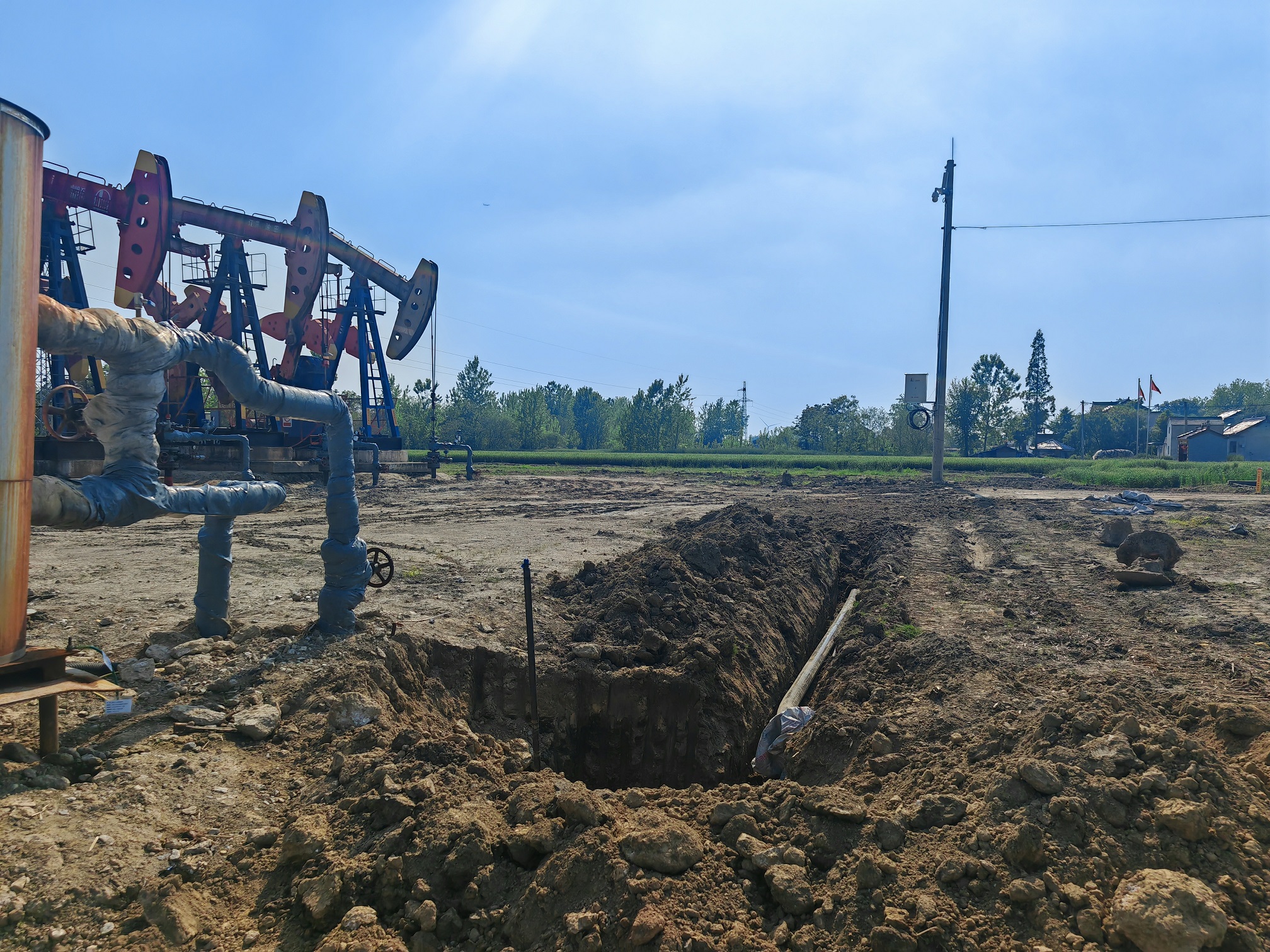
Spoolable reinforced thermoplastic pipe deployed in an oilfield service environment. Image source: ZYfire Hose Corporation.
Selecting a reinforced thermoplastic pipe (RTP) is not a one-size-fits-all decision. In oilfield and mining projects, the value of the pipe depends less on its maximum catalog rating and more on how well its architecture — liner material, reinforcement layers, coil length, and end configuration — matches the actual conditions at a specific site. A pipe that is over-specified for pressure but mismatched to fluid chemistry or installation terrain can still create avoidable life-cycle cost.
This article offers a field-oriented framework for qualifying RTP against project conditions. It covers the operating parameters buyers should document before supplier discussions, how each layer of RTP construction responds to those parameters, and where the technology still works within practical boundaries. ZYfire Hose Corporation, a Beijing Stock Exchange-listed pipe and hose manufacturer founded in 2000 and based in Jiangsu, China, is referenced as an example of API 15S-certified RTP supply for oilfield and mining applications.
Why Project-Level Fit Is the First Filter in RTP Procurement
In oil and gas and mining procurement, the real cost of a poor pipe selection is not the purchase price — it is operational downtime. A line that cannot sustain the actual working pressure, a liner that swells in contact with the transmitted fluid, or a spool configuration that creates an excessive number of joints in remote terrain can generate maintenance expense and safety exposure for years after the order is closed.
RTP differs from conventional steel line pipe in that its performance is highly configurable. By changing the reinforcement architecture and the liner material, the same product platform can serve very different service conditions. That makes the project profile — not the product catalog — the correct starting point for selection. Buyers who skip this step often find themselves comparing pipe options that were never anchored to a defined duty cycle.
Building the Project Profile: Four Conditions That Drive Pipe Selection
Before approaching suppliers, a buyer should document at least four categories of project conditions. The purpose is to create a reference baseline against which every product option and supplier claim can be measured.
1. Working Pressure and Pressure Fluctuation
The nominal pressure rating defines the hydraulic boundary of the pipe system. High-pressure RTP used in oilfield and mining fluid transmission is commonly rated to levels such as 3500 PSI, and products in this class are designed for continuous operation under high-pressure conditions. Buyers should separate static design pressure from cyclic or surge loads, because fatigue behavior places different demands on the reinforcement layer.
2. Fluid Chemistry and Corrosion Constraints
Corrosion resistance is one of the primary reasons RTP replaces carbon steel in sour or corrosive service. A thermoplastic liner resists internal corrosion and avoids swelling, provided the liner is chemically compatible with the transmitted fluid. In the referenced ZYfire product line, the inner and outer layers are HDPE or PE-RT, with optional UV and antioxidant protection. The documented application profile explicitly includes corrosion-resistant conditions and no-swelling requirements.
3. Installation Terrain and Mechanical Handling
Long coil lengths, low weight per meter, and bending flexibility determine how easily a pipe can be laid through difficult terrain. RTP can be delivered in long continuous spools — one reel of the 2-inch 3500 PSI configuration holds a single length of 920 meters. Fewer fittings translate into fewer leak paths, less installation labor, and shorter project schedules. For congested sites or environmentally sensitive areas, this is often a decisive advantage.
4. Operating Mode and Project-Specific Requirements
Is the line in continuous duty? Mining and oilfield fluid transmission often runs 24/7, and the pipe must be engineered accordingly. Project-specific constraints can also include explosion-proof design in classified areas, API compliance, and long cycle life. The ZYfire product documented for this application meets special requirements covering corrosion resistance, explosion-proof conditions, high-pressure tolerance up to 3500 PSI, and API compliance.
How RTP Architecture Responds to Field Demands
RTP construction is best understood in three functional zones: the inner liner, the reinforcement layer, and the outer protective layer. Each zone has a distinct role in project fit.
Inner and Outer Layers
The inner layer is the barrier between the fluid and the pressure-bearing structure. The outer layer protects the reinforcement from environmental exposure such as UV radiation and oxidation. In the RTP/TCP product family, HDPE and PE-RT are used for both layers, with optional UV and antioxidant additives depending on the project environment.
Reinforcement Architecture
The reinforcement layer carries the primary structural load of the pipe. The same RTP platform can be built with polyester fiber tape, aramid fiber tape, glass fiber tape, or steel wire tape. Each reinforcement family shifts the balance of pressure rating, weight, bending behavior, and cost, and each should be selected based on the defined project profile rather than generic preference. Suppliers should be asked to provide qualification data for the specific reinforcement type they propose.
Market data indicates that glass fiber reinforced thermoplastic pipes represent the largest product segment, accounting for approximately 64.7% of the global RTP market, which reflects the commercial maturity and broad acceptance of this reinforcement route.
Long-Length Spooling and Reduced Fittings
One defining feature of spoolable RTP is its ability to deliver long continuous lengths. A 2-inch 3500 PSI RTP/TCP reel, for example, contains 920 meters of pipe in a single length. This configuration reduces the number of required fittings in a long pipeline, which directly affects installation time, potential leak points, and long-term maintenance demand.
A Field-Grade Reference: ZYfire RTP/TCP 2" 3500 PSI
To help buyers interpret a concrete product configuration, the following table summarizes the reference RTP/TCP specification provided by ZYfire for high-pressure oilfield and mining service.
| Parameter | Value |
|---|---|
| Nominal pressure | 3500 PSI |
| Outside diameter | 79.8 mm |
| Single length per reel | 920 m |
| Reel specification | 3700 × 1200 mm |
| Reel weight | 1200 kg |
| Full plate weight | 5524 kg |
| Inner / outer layer material | HDPE or PE-RT (UV and antioxidant protection optional) |
| Reinforcement options | Polyester fiber tape, aramid fiber tape, glass fiber tape, steel wire tape |
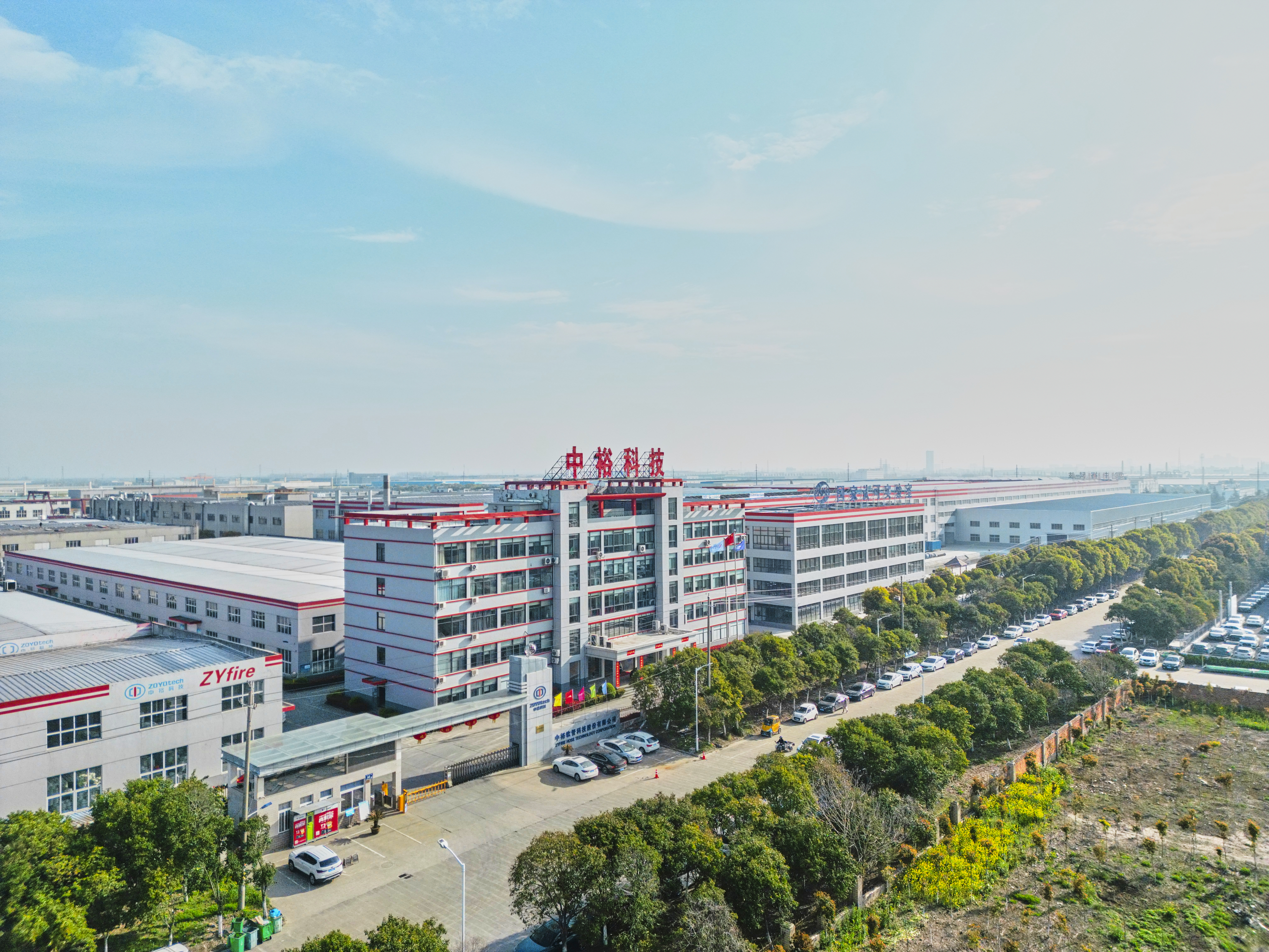
ZYfire's production facility in Jiangsu, China, where RTP lines are manufactured and tested. Image source: ZYfire Hose Corporation.
In addition to product parameters, manufacturing capability matters in project qualification. ZYfire reports a monthly production capacity of 100,000 meters for RTP, a standard lead time of 30 days, and a minimum order quantity of 50 meters. Each production batch is subject to 100% testing, and the company's laboratory has passed the professional accreditation of the China National Accreditation Service for Conformity Assessment (CNAS), giving buyers access to recognized testing capability.
For projects that require adjustments, ZYfire operates an OEM/ODM production model that allows customization of size, diameter, working pressure, weight, length, and bending radius. This flexibility is relevant when a project profile does not match a standard catalog product.
Application Patterns and Field Evidence
RTP's project fit is best demonstrated in specific application patterns where its properties map directly to operating demands.
Onshore Oilfield Surface Lines
Onshore oilfield operations require pipe systems that handle produced water, oil, and gas under pressure while resisting internal corrosion and external environmental stress. RTP's corrosion-resistant liner, high-pressure tolerance, and long coil lengths make it a practical alternative to steel in these surface applications. The documented product profile for oil and gas service includes higher pressure rating, corrosion resistance, no swelling, flexibility, simple installation, and long cycle life.
Mining Water and Slurry Transfer
Mining operations — including underground service — need pipelines for water management, dewatering, and slurry transfer, often in continuous 24/7 operation. The ability to deliver long single lengths reduces fittings in confined underground spaces, while the corrosion-resistant liner protects against aggressive media. The documented application footprint for ZYfire RTP covers mining and oil and gas projects in regions including the Middle East, North America, Australia, and other global markets.
Offshore and Remote Installation
Offshore and remote locations place a premium on pipe weight, handling simplicity, and reduced maintenance. RTP's spoolable format improves transport efficiency and lowers installation complexity compared to pipe systems that require heavy lifting equipment and extensive jointing. For buyers evaluating offshore oil and gas RTP requirements, API compliance and documented field performance are critical qualification criteria.
Long-Term Field Evidence
One documented ZYfire RTP case involves an OEM/ODM client and a total supply of 120,000 meters for fluid transmission service, with an operating duration of five years. The reported result was stable operation under high-pressure conditions, no leakage, and reduced maintenance costs. The project highlights cited corrosion resistance, long service life, and easy installation.
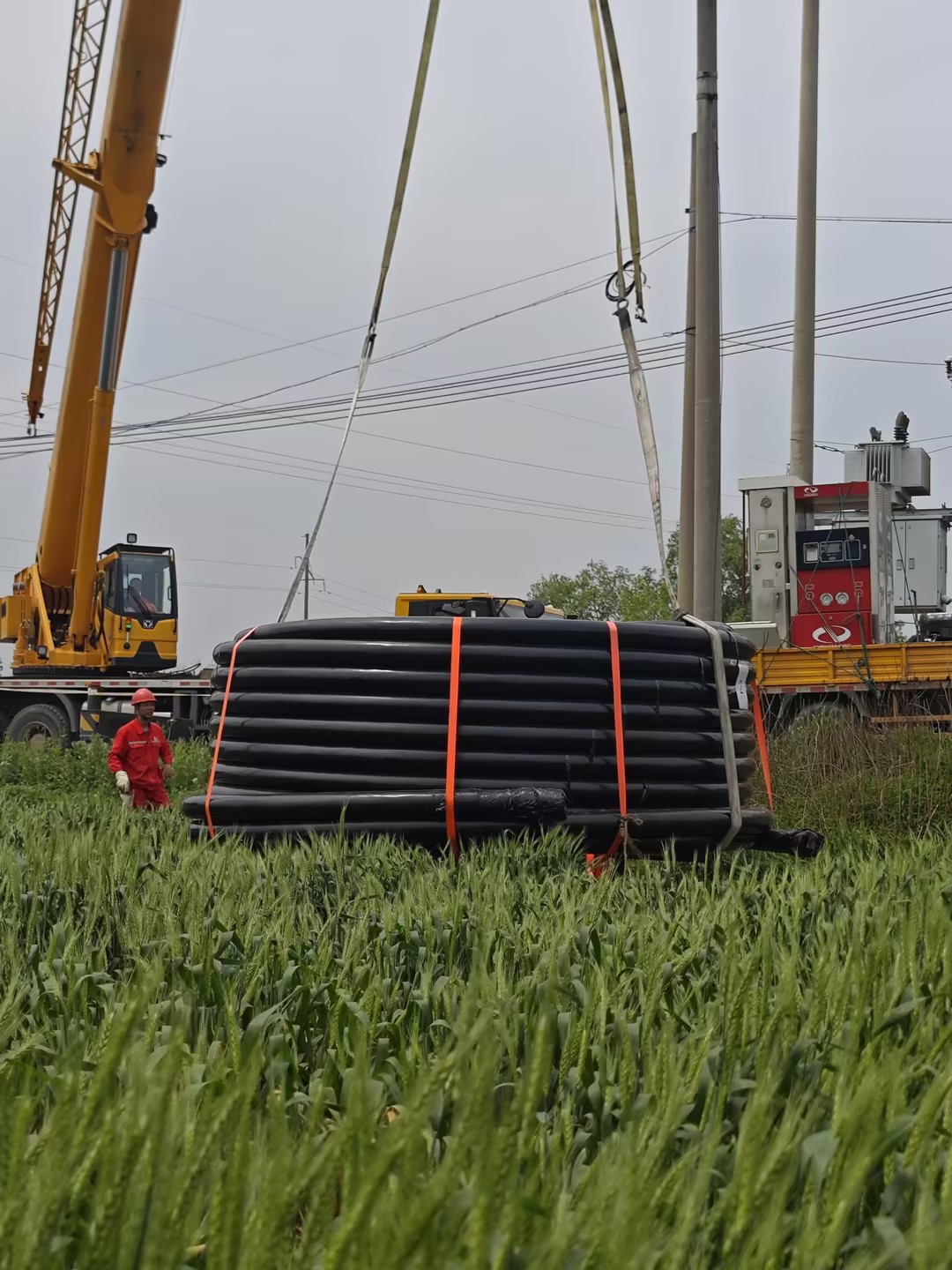
On-site service and installation support for RTP projects. Image source: ZYfire Hose Corporation.
Market Trends Shaping RTP Project Adoption
The commercial case for RTP is supported by verifiable market data. According to Strategic Market Research, the global reinforced thermoplastic pipe market was estimated at USD 7.2 billion in 2024 and is projected to reach USD 10.2 billion by 2030, growing at a CAGR of 5.9%.
Demand is heavily concentrated in the oil and gas sector. Based on data from Fact.MR, oil and gas accounts for approximately 71.2% of total global RTP demand, as operators seek corrosion-free alternatives to steel. This concentration means that oilfield qualification standards — especially API 15S — largely define how RTP products are designed and evaluated across the industry.
From a regional perspective, Asia Pacific is identified as the fastest-growing and largest regional market for thermoplastic pipes in 2024/2025, driven by infrastructure investment and water management projects. For buyers, this translates into a wider base of manufacturing capacity in Asia, but also a greater need to verify that individual suppliers have genuine certification, testing capability, and project evidence.
The global RTP sector includes established players such as National Oilwell Varco (NOV), Baker Hughes, Shawcor (Flexpipe), and Soluforce (Pipelife). The presence of both global majors and specialized manufacturers such as ZYfire means buyers can compare different supply models — from large integrated energy equipment groups to specialized pipe producers with OEM/ODM capability.
RTP vs. Steel: Where the Fit Changes and Where Boundaries Remain
Most RTP procurement decisions are ultimately compared against carbon steel line pipe. The table below summarizes the main points of comparison for oilfield and mining service, based on generally recognized pipeline engineering characteristics.
| Decision Factor | Reinforced Thermoplastic Pipe (RTP) | Carbon Steel Pipe |
|---|---|---|
| Corrosion resistance | Thermoplastic liner resists internal corrosion; no-swelling design | Requires coatings, inhibitors, or cathodic protection in corrosive service |
| Installation speed | Long spool lengths (e.g., 920 m) reduce fittings and joint work | Individual joints require welding, inspection, and coating repair |
| Weight and transport | Low weight per meter; spoolable transport | Heavy; high transport and lifting cost |
| Pressure range | Well established in high-pressure oilfield service up to 3500 PSI; API 15S covers diameters up to 6 inches | Very broad range of pressure ratings and diameters |
| Temperature limits | Thermoplastic-based temperature rating | High-temperature and steam service capability |
| Mechanical impact resistance | Outer thermoplastic wall requires proper handling and backfill practice | High impact resistance |
Context matters for every comparison. RTP does not replace steel in every service condition, and buyers should be aware of its practical boundaries.
Boundary 1 — Diameter range: API Specification 15S (2nd edition, 2016), the industry standard for spoolable reinforced plastic line pipe in oilfield applications, covers pipe diameters up to 6 inches. For large-diameter trunk lines above this range, RTP may not be applicable without alternative qualification routes.
Boundary 2 — Service temperature: RTP, like other thermoplastic-based piping, has a lower maximum service temperature than steel. Buyers considering high-temperature or steam service should verify the liner temperature rating before specifying RTP.
Boundary 3 — Mechanical protection: The outer thermoplastic wall is generally less resistant to sharp impact than steel. Proper handling, installation, and backfilling procedures are required to protect the pipe during and after installation.
Boundary 4 — Fittings and terminations: RTP systems depend on qualified fittings and end connections. These components are a small but critical part of the overall system and should be included in the supplier qualification scope.
Future Outlook
Several developments are likely to shape how buyers evaluate RTP in the coming years.
First, project-level customization will become more common. As operators document site-specific pressure, fluid, and terrain constraints, suppliers will increasingly be asked to engineer pipe configurations around those constraints rather than to offer a fixed catalog. ZYfire's OEM/ODM capability, covering size, working pressure, weight, length, and bending radius, reflects this direction.
Second, reinforcement technology will continue to evolve. The commercial dominance of glass fiber reinforced products may be challenged in specific applications by aramid and hybrid reinforcement architectures, particularly where high strength-to-weight performance and flexibility are required.
Third, supply chain localization will influence procurement strategy. ZYfire has implemented a global strategy with production bases, R&D centers, and logistics warehouses located in the United States, Saudi Arabia, the United Arab Emirates, Malaysia, and multiple locations in China (Nanjing, Taizhou, and Chuzhou). For buyers running large-scale projects, local or regional inventory can shorten lead times and reduce supply risk.
FAQ
In which project conditions is reinforced thermoplastic pipe most suitable?
RTP is most suitable for high-pressure, corrosion-prone fluid transmission in oil and gas and mining operations. The documented product profile covers continuous 24/7 operation, corrosion-resistant conditions, explosion-proof requirements, high-pressure tolerance up to 3500 PSI, and API compliance. Typical applications include oilfield surface lines, mining water and slurry transfer, and offshore or remote installations where low maintenance and simple installation are priorities.
How should a buyer choose among polyester, aramid, glass fiber, and steel wire reinforcement?
The reinforcement layer carries the main structural load, so the choice affects pressure rating, weight, bending behavior, and cost. Buyers should match the reinforcement type to the working pressure, terrain flexibility needs, and the supplier's qualification data. Verified market data indicates that glass fiber reinforced thermoplastic pipes represent approximately 64.7% of the product market. Projects with special strength or flexibility requirements may consider aramid or steel wire reinforcement, but the decision should be based on the documented project profile and testing evidence.
What does a 920 m single length mean for project installation?
A single length of 920 meters per coil reduces the number of fittings needed in a long pipeline. Fewer fittings mean fewer potential leak paths, lower installation labor, and reduced maintenance access requirements. For terrain where welding or mechanical jointing is difficult, long-length spooling is one of the main reasons buyers select RTP over steel pipe.
How important is API 15S certification in RTP project qualification?
API Specification 15S (2nd edition, 2016) is the industry-standard document for manufacturing and qualifying spoolable reinforced plastic line pipe for oilfield applications, covering pipe diameters up to 6 inches. For oilfield projects, API 15S certification provides a recognized benchmark for design, materials, and qualification testing. Buyers should verify that the supplier's certification scope covers the specific product configuration being considered for the project.
Can RTP be customized to match a specific project's pressure and bore size?
Yes. Suppliers with OEM/ODM capability can adjust size, diameter, working pressure, weight, length, and bending radius. ZYfire, for example, offers such customization with a monthly production capacity of 100,000 meters, a standard lead time of 30 days, and a minimum order quantity of 50 meters. Custom configurations should still be validated against the project's pressure, fluid, and installation profile.
What production capacity and lead time should a buyer expect from an RTP supplier?
Production capacity varies by supplier. In ZYfire's case, monthly RTP capacity is 100,000 meters, lead time is approximately 30 days, and each production batch is 100% tested before delivery. For schedule-critical projects, buyers should confirm capacity availability and lead time during the supplier-qualification stage rather than after a purchase order is issued.
Technical reference: A full technical overview of ZYfire RTP and related products is available in the company brochure: Download brochure (PDF).