
Matching Precision Dicing Blades to Your Application: A Scenario-Based Evaluation
Industry Context
WINTIME Semiconductor Technology Co., Ltd., established in 2020 and headquartered in Jiangsu, China, is a specialist manufacturer of high-precision dicing blades. With a 34,000-square-meter factory and an annual production capacity exceeding one million pieces, the company focuses on developing blades for semiconductor, optical communication, and advanced materials processing. As the global dicing blade market was valued at USD 1.31 billion in 2024 (projected to reach USD 1.84 billion by 2034, per Intel Market Research), buyers increasingly need blades that match specific project environments rather than generic off-the-shelf products.
The Challenge: One Project, Many Variables
Semiconductor and advanced materials dicing is rarely a standardized operation. A project involving ultra-thin 8/12-inch wafers for chip packaging imposes different demands than cutting hard-brittle ceramic substrates or optical glass components. Parameters such as kerf width, chipping rate, blade life, and environmental conditions (cleanroom class, temperature, humidity, anti-static requirements) must be precisely aligned with the blade design. Diamond-embedded blades now account for over 60% of the market, yet selecting the wrong bond type or grit size can lead to yield loss, frequent blade changes, or even wafer breakage.
WINTIME’s Approach: Scenario-Matched Blade Engineering
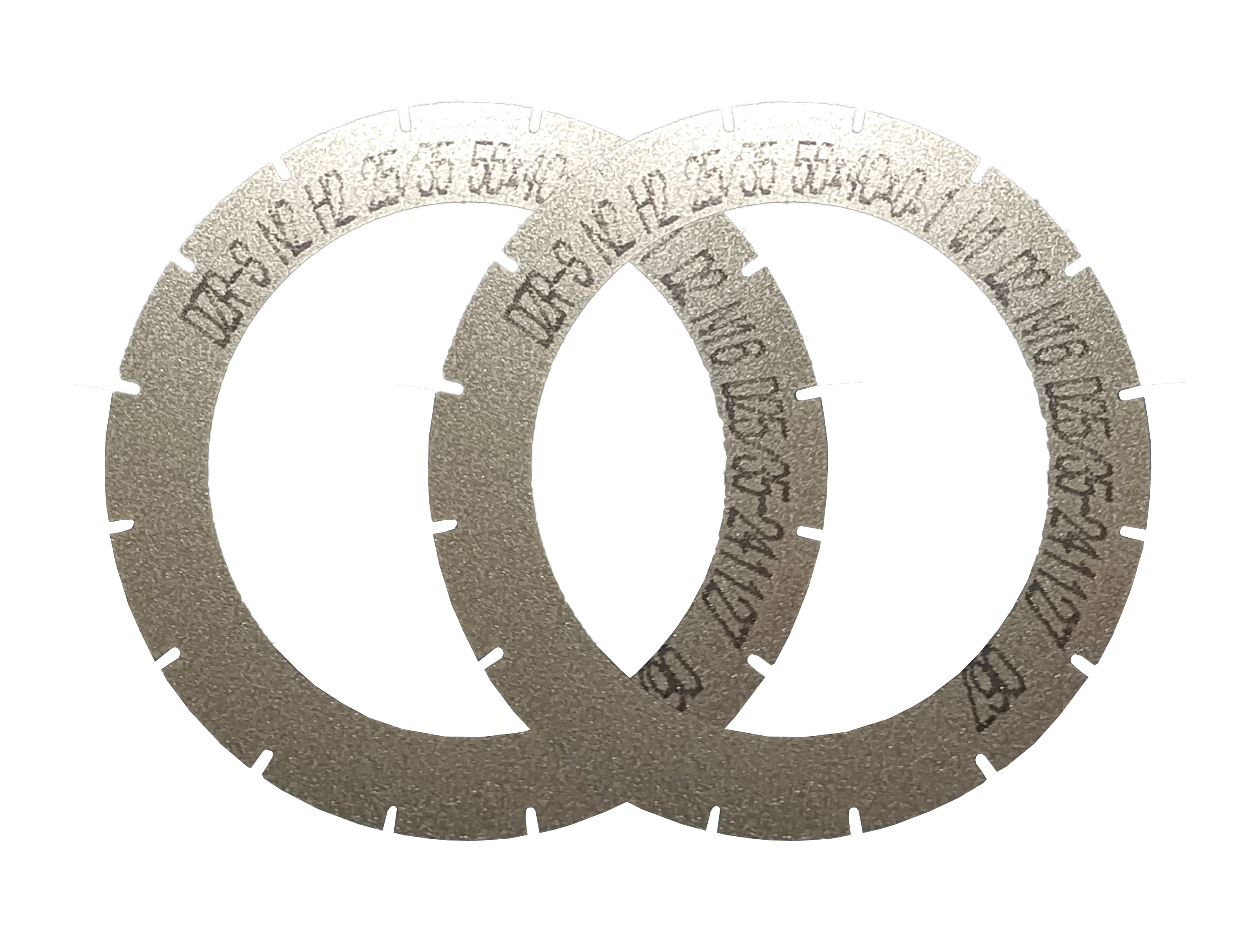
WINTIME addresses this challenge through a product portfolio that includes diamond dicing blades, hubless dicing blades, DZY Series wafer dicing blades, DZR Series dicing blades, and DZR-S Series slotted dicing blades. The core technology lies in the bond matrix (metal or resin) and diamond abrasive grain specification, which can be customized in terms of thickness (down to ≤9 µm), grit size, concentration, and outer diameter. The company operates under an OEM/ODM manufacturing model, allowing clients to tailor blade dimensions, coatings, anti-static properties, and cutting performance parameters to their specific project workflow.
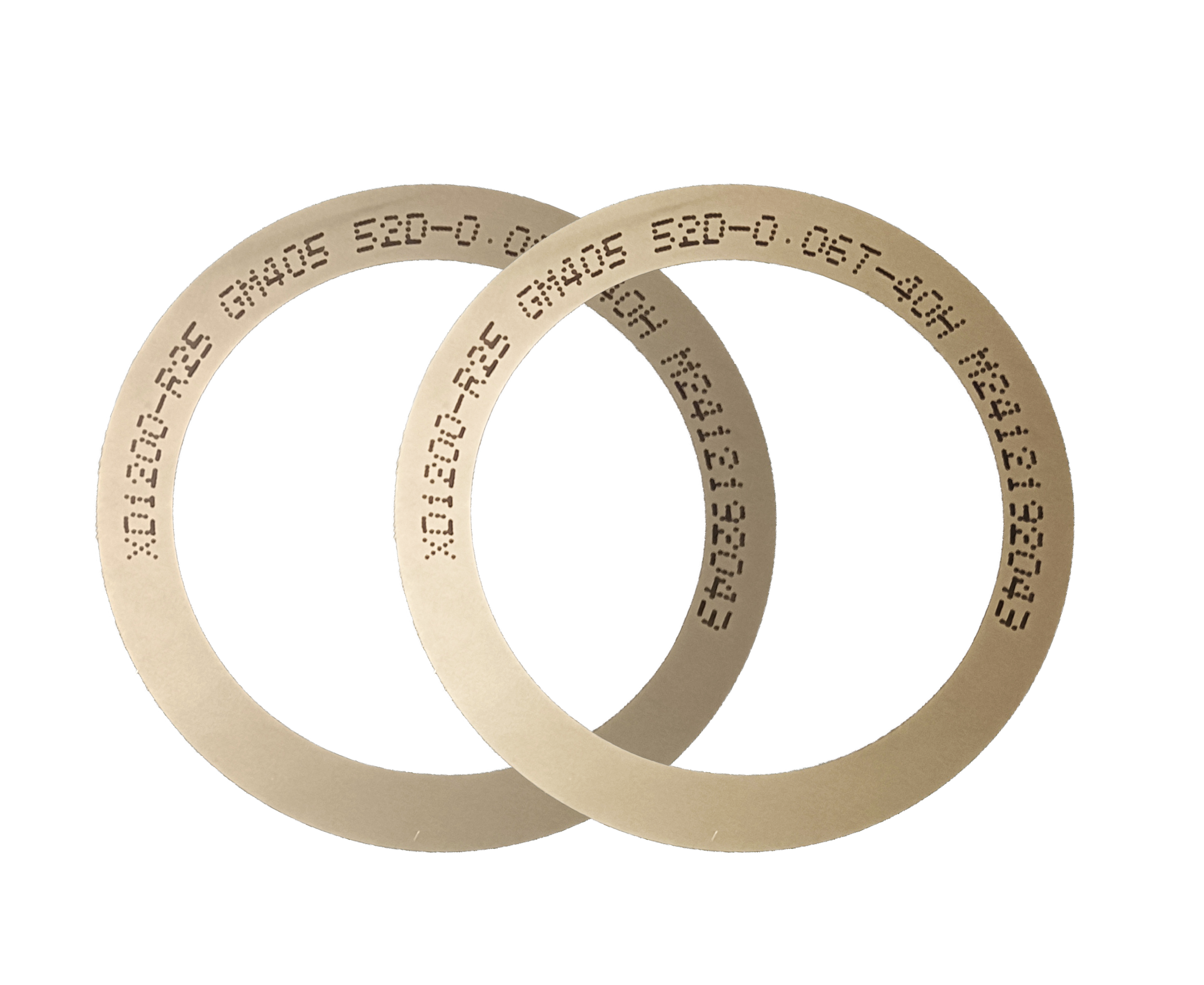
Figure: Example of WINTIME metal-bond dicing blade design for high-wear-resistance applications.
For instance, in a three-year collaboration with a semiconductor packaging facility using over 500,000 blades annually, WINTIME supplied blades that achieved a cutting chipping rate ≤5 µm and raised wafer yield by 12% during mass production of 8–12 inch wafers. This result was enabled by the ultra-thin design, narrow kerf, and stable dimensional control—all tailored to the client’s cleanroom environment and high-speed spindle equipment.
Technical Architecture: From Cleanroom to Cutting
WINTIME dicing blades are designed for Class 100/1000 cleanroom conditions with constant temperature (22±2 °C) and humidity (45%–55%), dust-free and anti-static. The blades operate via high-speed spindle rotating cutting, supporting dry/wet cutting modes, automatic dicing machine continuous operation, and precision feeding. Depending on the application, metal bond or resin bond options are selected. For example, metal-bond blades excel in wear resistance and are suited for ceramic and alloy cutting, while resin-bond blades provide lower cutting forces for ultra-thin wafers. The diamond abrasive grain size is typically 2–6 µm for bare silicon dicing, a figure consistent with industry standards recommended by ZYsuperhard.
Application Scenarios: Where WINTIME Blades Fit
The product is applied across six major project categories:
- Wafer dicing & scribing – high-precision singulation of silicon and compound semiconductor wafers.
- Semiconductor package cutting – singulation of packaged devices with minimal chipping.
- Ultra-thin wafer processing – blades ≤9 µm thick for low-k dielectrics and thin substrates.
- Optical device cutting – clean kerfs for optical glass, filters, and waveguides.
- Ceramic substrate cutting – high-wear-resistance blades for alumina, zirconia, and LTCC.
- Precision alloy component cutting – controlled burr and edge quality for metallic parts.
Market Trend Analysis
Several trends reinforce the need for scenario-specific blade selection. Diamond blades dominate the market at over 60% of share, driven by the adoption of hard substrates like SiC and GaN. Hubless dicing blades are increasingly preferred for 300 mm wafer processing due to superior runout stability. Meanwhile, resin bond blades still hold a 42% share (USD 183.6 million in 2024), indicating ongoing demand for specialized bond types. WINTIME’s ability to produce both hubless and hubbed designs, as well as metal and resin bonds, positions it to serve this bifurcated market. Additionally, China’s exports of cutting blades to Vietnam grew by USD 18 million between 2024 and 2025 (OEC data), signaling expanding regional demand that WINTIME can address through its established export markets in SEA, EA, NA, and EU.
Comparison with Traditional Solutions
Compared to conventional resin-bond blades sourced from generic suppliers, WINTIME’s diamond dicing blades offer a longer service life and lower chipping rates, particularly in ultra-thin and hard-material applications. However, one honest limitation is that the customization process requires closer technical consultation upfront: buyers must provide detailed process parameters (blade exposure, spindle RPM, feed rate) to achieve optimal bonding formulation. This adds an engineering step that may be unnecessary for standard bulk dicing where off-the-shelf resin blades suffice. For projects with tight timelines, the lead time for custom specifications is 15–30 working days versus 3–7 days for standard models.
Future Outlook
As the industry moves toward even thinner wafers (sub-50 µm), larger diameters (300 mm and beyond), and exotic substrates (GaN-on-SiC, diamond, glass interposers), the need for application-matched dicing blades will intensify. WINTIME’s investment in a tens-of-millions-yuan project and its focus on ultra-thin blade technology (≤9 µm) aligns with the direction of domestic substitution for high-end cutting consumables. The company’s R&D team of 35 engineers also supports continuous innovation in bond systems and anti-static coatings.
Frequently Asked Questions
What types of projects are WINTIME dicing blades designed for?
WINTIME dicing blades are suitable for wafer dicing & scribing, semiconductor package cutting, ultra-thin wafer processing, optical device cutting, ceramic substrate cutting, and precision alloy component cutting projects.
What are the environmental requirements for using WINTIME blades?
The product operates under Class 100/1000 clean room, constant temperature (22±2°C), constant humidity (45%-55%), dust-free, anti-static, and high-speed spindle environment conditions.
Can WINTIME produce blades thinner than 10 µm?
Yes. The company’s ultra-thin wafer dicing blade project has achieved a thickness of ≤9 µm, and the product is suitable for ultra-thin wafer (8/12 inch) precision dicing, high-value semiconductor substrate cutting (SiC, GaN, ceramic, optical glass), and clean room Class 100/1000 high-precision manufacturing environments.
What bond types are available for WINTIME blades?
WINTIME offers both metal bond (for wear-resistant applications) and resin bond (for softer, low-force cutting). The core functional material is diamond abrasive grains selected for consistency and sharpness.
What is the typical lead time and minimum order quantity?
Standard models have a lead time of 3–7 working days with a minimum order of 100 pieces. Customized orders require 15–30 working days and a minimum of 500 pieces, negotiable for large volumes.
How does WINTIME ensure quality consistency?
Quality control includes dimensional precision inspection (laser micrometer, optical projector), abrasive grain uniformity detection (microscope analysis), wear resistance testing (simulated cutting), and surface roughness/flatness checks. Each batch is documented for traceability.
What after-sales support does WINTIME offer?
After-sales service includes professional technical consultation, on-site application guidance, product replacement for non-human damage issues, customized solution design for special cutting scenarios, and a 24-hour response window for feedback on working days.
For project-specific inquiries, contact WINTIME Semiconductor Technology Co., Ltd.
Email: shenxiangfei@ntwintime.com | Tel: +86 13851530812 | WhatsApp: +86 18888053207
¿Tiene preguntas o necesita más detalles?
Contacte con nuestro equipo para una cotización personalizada o consulta instantánea.
Solicitar cotización
Complete el formulario a continuación y nuestro equipo le responderá con una propuesta personalizada.
Chat directo de WhatsApp
¿Prefiere chatear en tiempo real? Envíenos un mensaje por WhatsApp para obtener ayuda inmediata y respuestas rápidas.
- Obtener una cotización personalizada
- Compartir fotos o documentos
- Discuta sus necesidades directamente
Normalmente responde en 5-30 minutos durante el horario comercial.