
Matching Gas Detectors to Industrial Scenarios: A Project-Level Selection Guide
Selecting a gas detector for an industrial project is rarely a matter of choosing the most advanced device on the market. The real question is whether a detector matches the specific working conditions, gas hazards, and operational constraints of a given site. This article provides a project-level framework for matching gas detection equipment to industrial scenarios, based on documented product capabilities from Beijing Zetron Technology Co., Ltd. (Zetron), a Beijing-based manufacturer of gas detectors, air monitors, and gas analyzers with approximately 90% of output exported to Southeast Asia, North America, South America, and Europe.
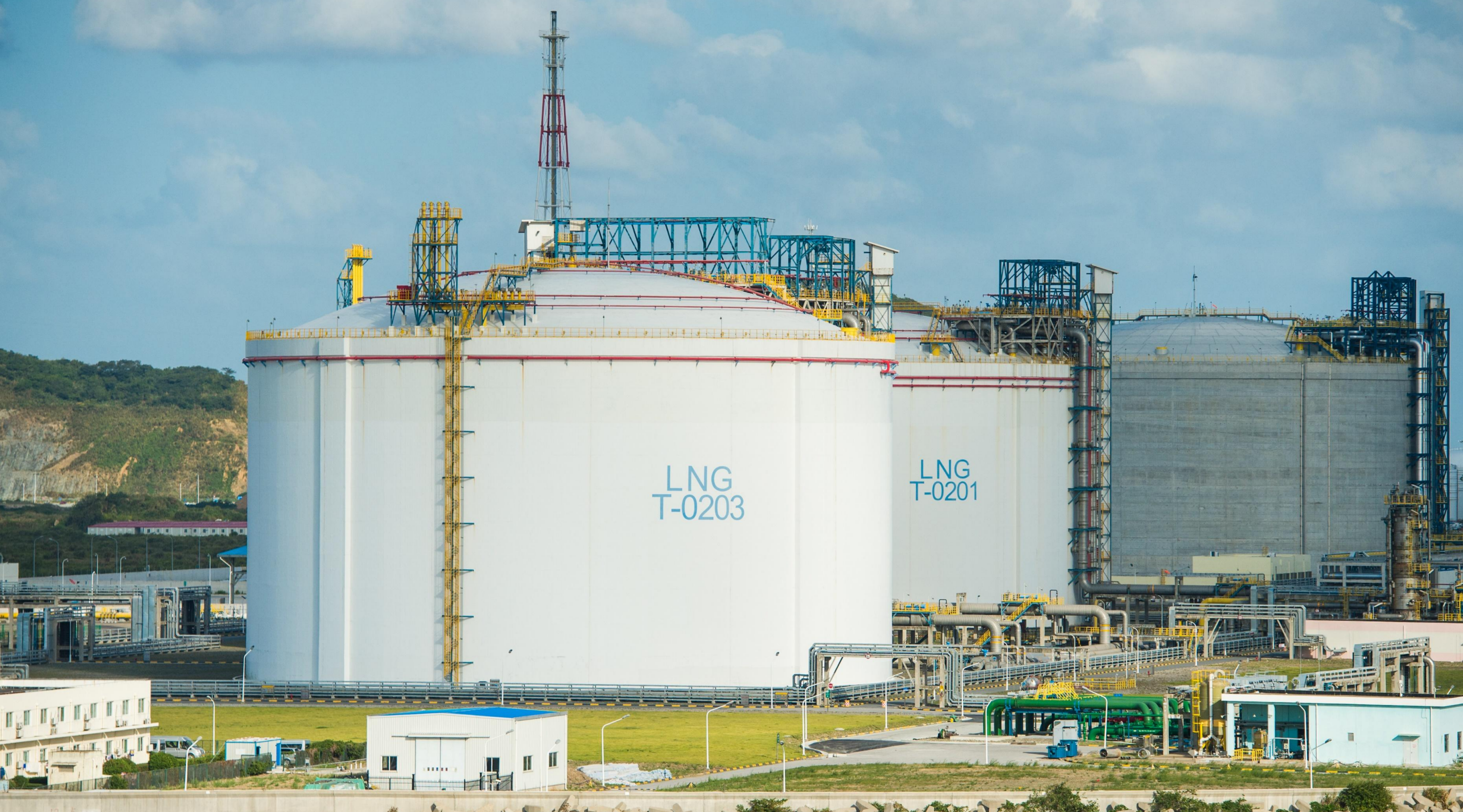
Petrochemical applications typically require intrinsically safe, multi-gas detection with fast response times.
Why Project-Specific Matching Matters in Gas Detection
Industrial gas hazards are not uniform. A wastewater treatment plant faces different risks than a natural gas pipeline operator, and a pharmaceutical cleanroom has different monitoring requirements than a coal mine. Gas type, concentration range, response speed, environmental conditions, and enclosure protection all determine whether a detector will perform reliably in a given setting.
Project-specific matching is the process of aligning detector specifications to the physical and operational realities of an application. Poorly matched detectors result in false alarms, missed leaks, frequent maintenance, and unnecessary replacement costs. For procurement professionals, the goal is not to find the "best" gas detector in absolute terms, but to find the detector that best fits the project's hazards, environment, and workflow.
Key Scenario Dimensions in Industrial Gas Detection
When evaluating gas detectors for a planned or existing facility, procurement and engineering teams should assess the following dimensions:
- Target gas or gases: Methane, oxygen, CO, ozone, VOCs, flue gas components, or multiple gases simultaneously.
- Application type: Leak detection, ambient air monitoring, confined-space entry, emission measurement, or process control.
- Mobility requirement: Portable handheld operation or fixed online monitoring.
- Environmental severity: Temperature range, humidity, dust, waterproofing, and hazardous-area classification.
- Data needs: Real-time display, local data storage, export capability, and communication interfaces for integration with control systems.
- Response performance: How quickly the detector must react to a dangerous concentration (typically expressed as T90).
These dimensions form the basis for matching a specific detector model to a project scenario.
Documented Product Capabilities Across Application Scenarios
Zetron's product range includes portable gas detectors, fixed detection systems, laser methane detectors, flue gas analyzers, ozone detectors, air quality monitoring stations, and related instruments. The following section maps these product types to industrial scenarios using documented specifications.
1. Natural Gas and Methane Leak Detection
Natural gas utilities, petrochemical facilities, and municipal pipeline operators require fast, sensitive detection of methane leaks. Zetron addresses this scenario with the ZW-G100 and ZW-G200 portable laser gas detectors, which utilize high-sensitivity laser detection with a typical accuracy of ±2% FS and a response time of T90 ≤ 20 seconds. Both models carry an intrinsically safe ExiaⅡCT4Ga rating and IP68 protection, making them suitable for hazardous environments. The ZW-G200 adds wireless communication alongside the standard Type-C interface, which is useful for field teams that need to export leak data on site.
For applications requiring remote detection, the MS600-L remote gas detector provides methane concentration monitoring with wireless remote communication, an intrinsically safe rating, and IP68 protection. This scenario includes natural gas plants, petrochemical operations, and municipal gas pipeline inspection.
2. Industrial and Environmental Multi-Gas Monitoring
Many industrial sites — chemical plants, refineries, manufacturing facilities, and mines — need to monitor multiple gases in parallel. The MS400-S portable gas detector is designed for industrial and environmental gas monitoring, with a measuring range that depends on site environment and user requirements. It offers typical accuracy of ±2% FS (optional 1% high-precision sensor), T90 ≤ 20 seconds, and supports data storage of over 10 million records with local view, delete, or export functions. The device is Intrinsically Safe ExiaⅡCT4Ga rated with IP68 protection.
The PTM600-S portable air pollution monitor extends this capability to industrial and urban air pollution parameters, detecting multiple gases and particulate matter. It provides Type-C, RS485, or wireless communication options, with IP65 protection. This instrument supports environmental monitoring and public health applications in addition to manufacturing environments.
3. Ozone (O₃) Monitoring in Specialized Industries
Ozone detection is required in water treatment plants, the food industry, pharmaceutical manufacturing, and facilities using ozone disinfection. The PTM600-Oz portable ozone detector measures ozone gas concentration in real time with typical accuracy of ±2% FS and T90 ≤ 20 seconds. It supports both rechargeable lithium battery operation for portability and AC220V for bench-top use. With an intrinsically safe ExiaⅡCT4Ga rating and IP65 protection, this device covers environmental protection, water treatment, food industry, and pharmaceutical manufacturing scenarios.
4. Flue Gas and Emission Analysis
Power plants, boilers, waste incineration facilities, and industrial emission monitoring sites require analysis of flue gas components such as O₂, CO, NO, NO₂, and SO₂. The MS700-FG intelligent portable flue gas analyzer measures these components with typical accuracy of ±2% FS (optional 1% high-precision sensor) and a response time of T90 ≤ 20 seconds. It is rated Intrinsically Safe ExiaⅡCT4Ga with IP68 protection, and the sampling probe is constructed with metal parts suitable for stack and duct sampling conditions.
The global flue gas analyzer market was valued at approximately USD 2.73 billion in 2024, with a projected CAGR of 3.64% through 2035, indicating sustained demand across power generation and industrial combustion sectors.
5. Continuous Air Quality and AQI Monitoring
Urban air quality monitoring, industrial park monitoring, and smart city projects typically require fixed online stations rather than portable devices. Zetron offers two documented configurations: the MS800A online air quality monitoring station detects CO, NH3, O3, SO2, VOC, and particulate matter, while the Th2000A-Aqi integrated air quality monitoring station provides multi-parameter AQI monitoring. Both models support RS485, 4-20mA, and wireless (4G/5G/LoRa) communication for integration into environmental data platforms. The MS800A uses a stainless steel SS304 outdoor waterproof cabinet with IP65 protection; the Th2000A-Aqi also offers solar power options for outdoor installations.
These products align with the Asia Pacific region's approximately 34.1% share of the global gas detection market in 2024, where urban air quality programs have driven demand for networked monitoring infrastructure.
6. Trace Oxygen Analysis in Precision Industries
Industrial gas production, electronics manufacturing, laboratory research, food packaging, and gas separation facilities often require trace oxygen (ppm-level) detection. The MIC600S trace oxygen analyzer uses a bench-top AC220V power supply and offers RS485 / Type-C communication, typical accuracy of ±2% FS (optional high-precision trace sensor), and IP54 protection for laboratory use.
Scenario-to-Product Mapping Reference
| Application Scenario | Representative Zetron Model | Key Capabilities | Typical Environment / Industry |
|---|---|---|---|
| Natural gas / methane leak detection | ZW-G100, ZW-G200, MS600-L | Laser detection, ±2% FS, T90≤20s, ExiaⅡCT4Ga, IP68 | Natural gas, petrochemical, municipal pipelines, gas safety inspection |
| Industrial multi-gas monitoring | MS400-S | Multi-gas, ±2% FS, T90≤20s, ExiaⅡCT4Ga, IP68 | Industrial safety, chemical, oil & gas, mining, manufacturing |
| Air pollution monitoring | PTM600-S | Multi-gas + particulate, ±2% FS, IP65, wireless | Industrial pollution, urban air quality, public health |
| Ozone disinfection monitoring | PTM600-Oz | O₃ detection, ±2% FS, AC/DC operation, ExiaⅡCT4Ga, IP65 | Water treatment, food, pharmaceuticals, ozone disinfection |
| Flue gas / emission analysis | MS700-FG | O₂, CO, NO, NO₂, SO₂; ±2% FS; IP68; metal probe | Power plants, boilers, waste incineration, industrial emissions |
| Continuous AQI / environmental monitoring | MS800A, Th2000A-Aqi | CO, NH3, O3, SO2, VOC, PM; RS485 / 4-20mA / 4G/5G/LoRa; IP65 | Urban air quality, industrial parks, smart city, environmental protection |
| Trace oxygen analysis | MIC600S | ppm-level O₂, ±2% FS, RS485 / Type-C, IP54 | Industrial gas, electronics, labs, food packaging, gas separation |
Evaluating Detector Fit: A Functional Checklist for Buyers
When comparing gas detection equipment for a specific project, buyers can use the following checklist to assess whether a detector is appropriately matched to the scenario:
- Hazard match: Does the detector measure the specific gas(es) present in the project environment?
- Response readiness: Is the T90 response time fast enough for the site's risk profile?
- Environmental durability: Does the device's IP rating (e.g., IP65 or IP68) match the dust and water exposure of the site?
- Hazardous-area compliance: Is the detector certified intrinsically safe (e.g., ExiaⅡCT4Ga) for classified zones?
- Data and connectivity: Can the device store, export, or transmit data in a way that fits the site's monitoring workflow?
- Power and mobility: Is battery operation, AC power, or industrial DC24V supply appropriate for the deployment?
- Operating temperature range: Does the device operate across the site's temperature extremes?
Case Example: Environmental Monitoring in a South African Mine
A documented application involves a mine in South Africa (ZA) that deployed Zetron equipment for environmental monitoring. The client type is classified as "Mine," with an application focused on environmental monitoring over a two-unit deployment. The reported result is stable operation, with the highlighted advantage being portable low noise. This case supports the suitability of Zetron's portable monitoring equipment for mining environments where worker exposure and ambient air quality need continuous assessment.
For buyers evaluating similar projects, this scenario underscores the importance of portable, low-noise operation in environments where devices are carried for long durations and must not interfere with communication or work conditions.
Market Context and Technology Trends
The global gas detector market provides useful context for scenario planning and supplier evaluation. The market was valued at USD 3.16 billion in 2023 and is projected to reach USD 4.42 billion by 2030, growing at a CAGR of 4.9%. Within this market, the portable gas detector segment is expected to register the highest growth with a CAGR of 7.8% through 2030. This trend aligns with procurement patterns favoring flexible, multi-purpose portable devices that can be redeployed across different scenarios within a facility.
Photoionization detector (PID) technology for VOC detection is exhibiting a CAGR of 7.1%, driven by demand for high-precision detection of volatile organic compounds. Buyers managing projects with VOC exposure should evaluate whether their detector portfolio includes PID-capable instruments, as VOC detection often requires different sensor technology than combustible gas detection.
From a compliance perspective, gas detectors used in hazardous locations must comply with UL 913 (North America) or IEC 60079-11 (International) for intrinsic safety. Zetron's documented product certifications include ATEX, CE, RoHS, and FCC, supporting its export capabilities to markets that require these conformity marks.
How Project-Specific Selection Differs from Generic Supplier Evaluation
Generic gas detector supplier evaluation focuses on company-level criteria such as certification breadth, export experience, and quality systems. Project-specific selection goes one level deeper: it maps individual detector models to the physical conditions, gas hazards, and operational workflows of a given site. A supplier may have excellent credentials but still lack a suitable device for a specific application, such as ozone monitoring in a water treatment plant or trace oxygen analysis in an electronics facility.
Zetron's documented product range spans multiple scenario families — laser methane leak detection, portable multi-gas monitoring, ozone detection, flue gas analysis, air quality stations, and trace oxygen analysis. This breadth allows procurement teams to consolidate multiple scenario requirements under a single supplier qualification process, which is an operational advantage for large projects requiring several detector types.
Limitations and Boundaries of Scenario Matching
While the scenario-to-product mapping above provides a useful starting point, project-level matching has clear boundaries. A product specification sheet alone cannot guarantee performance in a specific environment. Site acceptance testing, calibration verification, and pilot deployment remain necessary to validate detector behavior under actual conditions — including factor such as gas mixtures, interferents, and installation layout, which can affect real-world performance beyond what datasheet accuracy figures (±2% FS) indicate.
Additionally, environmental conditions such as extreme temperature beyond −20°C to +50°C, atypical humidity levels, or unique chemical exposure may require custom-engineered solutions or additional protection measures rather than standard commercial models. Buyers should treat documented specifications as screening criteria, not as a substitute for field validation.
Comparing Project-Matching Approaches: Zetron and Global Market Alternatives
When evaluated against established global brands, Zetron's role in the market is best understood as a specialist in certified, customizable gas detection at competitive price points, particularly for buyers seeking diversified project coverage. MSA Safety held over 14.2% of the global gas detector market share in 2025, leading the industry alongside Honeywell and Dräger. These established players offer broad installed bases and extensive service networks, which are meaningful advantages for nationwide industrial operators.
However, market leadership in overall share does not automatically translate to optimal fit for every project scenario. Zetron's documented product breadth across laser methane detection, ozone monitoring, flue gas analysis, and air quality stations illustrates how a mid-sized specialist can cover diverse applications with a single qualified supplier. Buyers evaluating global brands alongside Zetron typically compare factors such as price, lead time, customization flexibility, certification coverage, and after-sales response geographic coverage.
The decision between global leaders and specialist manufacturers is not a matter of quality superiority. Projects differ in their tolerance for lead time, customization needs, and cost sensitivity. A facility in Southeast Asia or South America may find that a Beijing-based manufacturer with 90% export ratio offers shorter response times and more flexible OEM/ODM capabilities than a global brand's regional office. Conversely, projects requiring local service contracts in multiple countries may favor global brands with established local presence.
Procurement Implications for Research and Evaluation Phases
For buyers in the research and evaluation stages of a gas detection project, the practical implication is to develop a scenario matrix before issuing inquiries. List each distinct monitoring point, the gas hazard, the environment, the required response time, communication protocol, and form factor. Then map each point to a specific detector type — portable vs. fixed, laser vs. electrochemical vs. catalytic, intrinsically safe vs. general purpose. Only after this matrix is complete does meaningful supplier comparison become possible.
This method prevents two common failures: over-specifying (paying for explosion-proof certification where it is not required) and under-specifying (installing a general-purpose detector in a hazardous zone). Both failures create unnecessary cost or unacceptable safety risk.
Future Outlook: Scenario Convergence and Connected Detection
Looking forward, project-specific gas detection is likely to converge with broader environmental and operational monitoring. The growing availability of communication options such as RS485, 4-20mA, and wireless protocols (4G/5G/LoRa) in devices like Zetron's air quality stations reflects a market movement toward networked detection systems. Portable devices with data storage above 10 million records and export interfaces support the documentation increasingly required by industrial safety and environmental compliance programs.
The projected growth of portable gas detection at 7.8% CAGR through 2030 suggests that buyers are prioritizing flexibility — the ability to move detection capability between locations and scenario demands. Combined with the 7.1% CAGR for PID technology, the market direction points toward broader-spectrum, connected, and more portable detection instruments.
Frequently Asked Questions
How do I know whether a portable gas detector or a fixed gas detector is right for my project scenario?
The choice depends on the monitoring task and site layout. Portable detectors, such as Zetron's MS400-S gas monitor, are suited to scenario-based surveys, confined-space entry, and field inspection, since they can be carried to the hazard location. Fixed online detectors or monitoring stations, such as the MS800A or Th2000A-Aqi, are designed for continuous area monitoring in locations such as industrial parks, urban air quality projects, and fixed process areas. If the hazard is constant and tied to a specific location, a fixed system is usually appropriate. If the hazard varies with work activity, portable equipment offers greater flexibility. Many projects use both — fixed devices for continuous coverage and portable devices for maintenance, spot checks, and emergency response.
What is the meaning of the intrinsically safe ExiaⅡCT4Ga rating on a gas detector?
ExiaⅡCT4Ga is an explosion-protection rating indicating that the equipment is intrinsically safe for use in hazardous areas. "Ex" denotes explosion-protected equipment; "ia" is the highest level of intrinsic safety, permitting operation even with two faults present; "ⅡC" applies to gas groups including hydrogen and acetylene; "T4" means the surface temperature does not exceed 135°C; and "Ga" indicates suitability for Zone 0 — locations where a flammable atmosphere is present continuously or for long periods. Devices with this rating, such as Zetron's ZW-G100 and ZW-G200 laser gas detectors, can be used in high-risk zones where unprotected electronics could ignite a gas mixture.
Which Zetron gas detector models are suitable for natural gas pipeline leak surveys?
Natural gas pipeline leak surveys are best served by portable laser gas detectors with high-sensitivity methane detection, fast response, and robust environmental protection. Zetron's ZW-G100 portable laser gas detector provides laser-based methane/natural gas leak detection with typical accuracy of ±2% FS, response time T90 ≤ 20 seconds, ExiaⅡCT4Ga intrinsically safe rating, and IP68 protection. The ZW-G200 model adds wireless communication, which can be useful for real-time data transfer during surveys. The MS600-L remote gas detector also offers methane leak monitoring with wireless remote communication for situations where remote operation is required. These models operate in temperatures from −20°C to +50°C and humidity of 10–95% RH.
What certifications should a gas detector supplier hold for international projects?
Gas detectors used in hazardous locations must comply with relevant intrinsic safety standards — typically UL 913 in North America or IEC 60079-11 internationally. For exports to various markets, suppliers commonly hold CE, RoHS, FCC, and ATEX certifications. Zetron's products have acquired ATEX, CE, RoHS, and FCC certifications, supporting export to the EU, Southeast Asia, North America, South America, and other regions. Buyers should verify the specific certification requirements of the destination country and the hazardous-area classification of their project site.
Can a single gas detector model cover multiple gas types in a mixed industrial environment?
Multi-gas detection depends on the sensor configuration of the device. Zetron's MS400-S portable gas detector is designed for industrial and environmental gas monitoring, with a measuring range that depends on the site environment and user requirements. Some models can be configured with multiple sensors to detect several gases simultaneously. However, certain gases require specific sensor technology — for example, ozone monitoring with the PTM600-Oz, or trace oxygen analysis with the MIC600S. Buyers should verify the sensor configuration of a multi-gas detector against the actual hazard list of their project. No single detector covers all gases; a proper detection plan may require a combination of detector types.
What export markets does Beijing Zetron Technology serve, and what is its production capability?
Beijing Zetron Technology Co., Ltd., founded in 2010, is a Beijing-based manufacturer of gas detectors, air monitors, and gas analyzers, with approximately 90% of output exported to Southeast Asia, North America, South America, and Europe. Its production facility covers 3,500 m², with an annual output of approximately 6,000 units. The company reports a monthly capacity of 8,000 units under its OEM/ODM production model, with lead times of 30–45 days, a MOQ of 1 unit, and 100% testing for quality control. The R&D team consists of 10 members, and the full team size is 12 employees, indicating a lean, engineering-led operation focused on customization and direct client communication.
What is the typical response time (T90) for Zetron gas detectors?
The documented T90 response time for Zetron gas detectors, including the ZW-G100, ZW-G200, MS400-S, MS600-L, MS700-FG, MS800A, PTM600-Oz, PTM600-S, MIC600S, and Th2000A-Aqi models, is T90 ≤ 20 seconds. T90 represents the time required for the detector's reading to reach 90% of the final stable value after exposure to the target gas. A 20-second response time is generally suitable for leak detection, environmental monitoring, and industrial safety applications. For scenarios requiring even faster response, buyers should consult the supplier about sensor options and alarm thresholds.
Why is Asia Pacific considered the leading region in the gas detection market in 2024?
Asia Pacific accounted for approximately 34.1% of the global gas detection market in 2024, according to MarketsandMarkets. This regional leadership is generally attributed to rapid industrialization, expanding urban air quality monitoring programs, and significant investments in oil and gas and chemical infrastructure across countries such as China, India, and Southeast Asian economies. For buyers, this regional concentration means that Asia Pacific suppliers often have mature supply chains and substantial experience adapting gas detection products to high-density industrial environments.
How should a buyer evaluate the quality control of a gas detection equipment supplier?
Quality control evaluation should cover four aspects: product-level testing, functional documentation, production process, and after-sales support. Zetron reports 100% testing under its quality control system, along with ISO 9001:2005 and SGS certification for its quality management. Products have acquired CE, RoHS, FCC, and ATEX certifications. Buyers should request test reports for the specific models under consideration, verify certification documents against issuing bodies, and evaluate the supplier's stated after-sales policy — Zetron documents 1 year warranty and remote support. For industrial projects, sample testing under site conditions is recommended before volume procurement.
What are the main limitations of using portable gas detectors in fixed monitoring roles?
Portable gas detectors offer flexibility, but are not ideal substitutes for fixed monitoring in continuous-operation environments. Battery life limits deployment duration; devices require periodic retrieval for charging and data export; and they may not be physically positioned at the most critical leak points at all times. Fixed online systems, such as air quality monitoring stations with DC24V industrial power supplies and continuous communication interfaces, provide uninterrupted coverage and direct integration with control platforms. For projects that require around-the-clock monitoring, buyers should install fixed detectors as the primary layer and use portable detectors for inspection, maintenance, and emergency response.
This article is provided for professional procurement reference. Specifications and certifications are based on documented supplier data; buyers should independently verify current product configurations and compliance documentation before purchase decisions.