
Matching Aluminum Profiles to Your Project: A Practical Guide
Matching aluminum profiles to a project requires more than choosing a material; it means aligning alloy, surface finish, performance data and supplier capability with a specific building, manufacturing or OEM application. This scenario-based guide examines the practical criteria involved in procuring architectural aluminum profiles, using the documented product range and production facts of Haomen Aluminum as a reference point.
Haomen Aluminum is the market brand of Shandong Haomen Aluminium Industry Co., Ltd., a comprehensive Chinese enterprise that researches, designs, produces and sells aluminum alloy architectural profiles and industrial materials. The company is located in Luozhuang District, Linyi City, Shandong Province, in a facility covering 270,000 m² and employing about 1,500 people. Its main product category is aluminum profiles for windows and doors.
Why Project Fit Matters in Aluminum Profile Procurement
Aluminum extrusion projects vary in load requirements, environmental exposure, aesthetics and compliance. A profile that works for a coastal curtain wall may not suit an interior partition or a high-precision industrial frame. Buyers therefore need to define service conditions such as static installation, outdoor exposure, thermal cycling and collision resistance before selecting a supplier.
The opportunity lies in working with a manufacturer that can combine several alloys, finishes and compliance frameworks under one roof. Market trends underline the scale of this demand. According to Orion Market Research, the global aluminum extrusion market was valued at USD 94.8 billion in 2024 and is projected to reach USD 230.2 billion by 2035. In China, the aluminum extrusion market was valued at USD 25.5 billion in 2024 with a projected CAGR of 9.6% through 2035. According to Grand View Research, Asia Pacific dominated the market in 2025 with a 71.7% revenue share, mainly driven by construction and automotive demand in China.
Haomen Aluminum: Core Capabilities for Project Supply
Haomen Aluminum is an established manufacturer and exporter operating from Shandong, China, with a production facility that spans 270,000 square meters. The company reports an annual output of 100,000 tons of aluminum profiles and a research and development team of 35 engineers. Its background also mentions collaboration with the Light Alloy Precision Forming Engineering Technology Research and Development Center of Shanghai Jiao Tong University, Shandong University and Beijing Research Institute of Nonferrous Metals; a Shandong provincial technology research center was established at the company in 2019.
- Founded: 2004
- Factory size: 270,000 m²
- Employees: 1,500
- Annual output: 100,000 tons
- R&D team: 35 engineers
- Primary product: aluminum profiles for windows and doors
For export buyers, the company’s capability data includes an OEM production mode, logo customization, monthly capacity of 8,000 tons, a 20-day lead time, a minimum order quantity of 5 tons, 100% testing, and remote after-sales support. These facts are useful when evaluating a supplier against project volume and timeline constraints.
Architectural Aluminum Profiles: Product and Technical Foundation
Haomen Aluminum’s architectural profile line is identified by the model codes HM-U001, HM-S002 and HM-S003. According to the product data, these profiles are available in alloys 6063-T5, 6061, 6005 and 6082, with surface treatment options of mill finish, powder coating, anodizing and wood grain transfer. Standard lengths range from 4 to 6 meters.
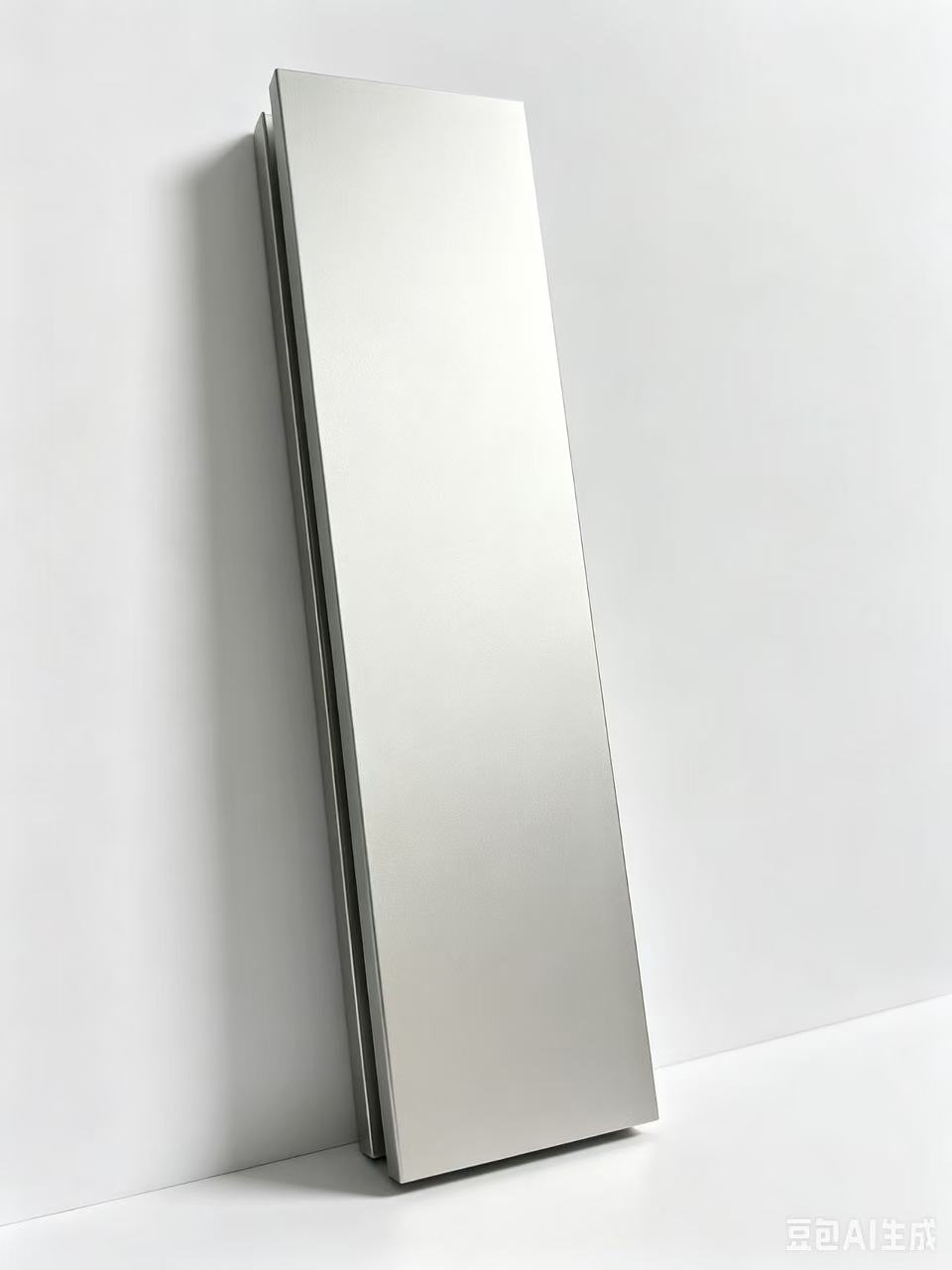
The stated target industries for this line are global high-end construction, window and door system manufacturers, and interior finishing projects. Product documentation emphasizes 6063-T5 alloy as a core material for window and door systems, designed for strength in high-rise and coastal conditions.
The company also publishes specific performance data for its sliding door and sliding window systems. The sliding door models HM-U003/HM-U004 are made of 6063-T5 and are documented with the following parameters:
| Performance Indicator | Documented Value |
|---|---|
| Air tightness | ≥ Level 6 |
| Water tightness | ≥ Level 4 (≥500Pa) |
| Wind pressure resistance | ≥ Level 6 |
| Sound insulation | ≥ 30 dB |
| Thermal insulation K value | ≤ 2.5 W/m²·K |
| Repetitive opening and closing | ≥ 20,000 times |
| Planar deformation | ± 6 mm |
For the sliding window models HM-U001/HM-U002, compliance is documented with four national standards: GB/T 13326, GB/T 7106, JG/T 215 and GB/T 8484. Those standards cover general specifications, air and water tightness, wind resistance, and thermal performance. Such data gives project engineers a basis for comparing profiles with local code requirements.
Application Scenario: Architectural Door and Window Engineering
In an architectural door and window aluminum profile engineering project, the profile serves as the load-bearing structural framework and provides heat insulation, sound insulation, anti-aging and decorative aesthetic functions. The documented operating mode is long-term static installation, meaning the profile must withstand annual outdoor temperature and humidity cycles. Special requirements noted for the product include anti-collision characteristics, and it is used together with glass and screws.
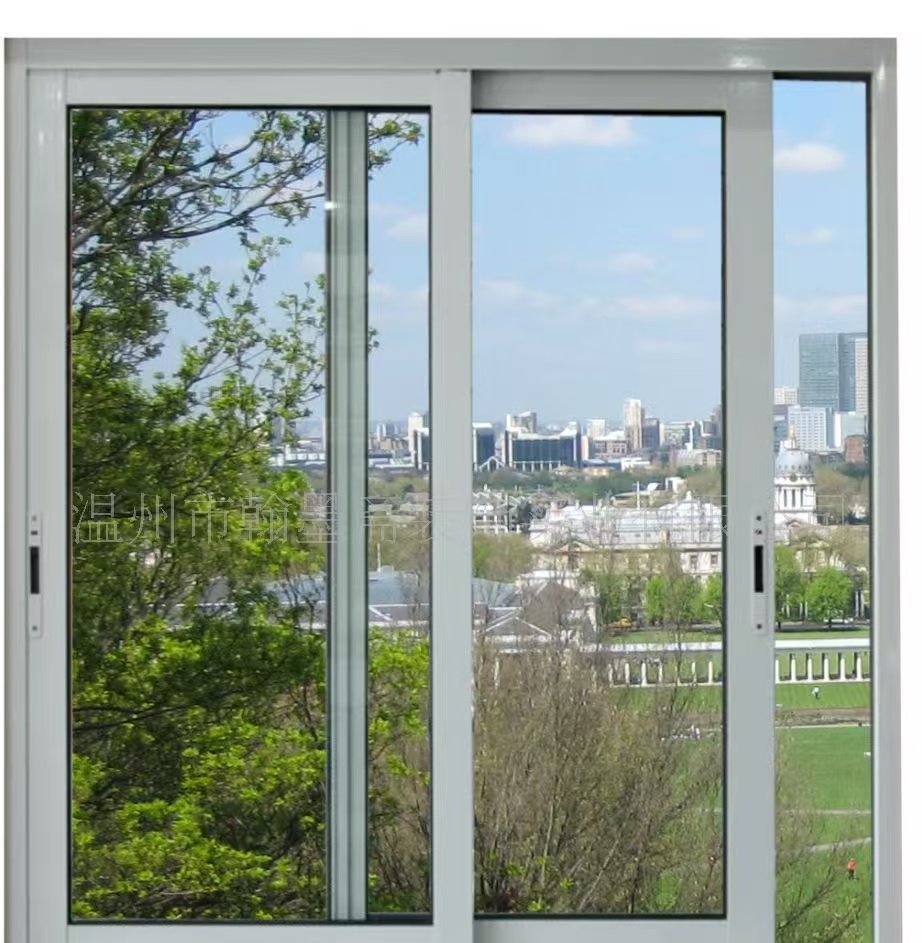
This scenario is common in the architectural aluminum profile manufacturing and construction decoration industry, primarily in China. For buyers researching project-fit solutions, the relevant checks include verifying the alloy against local wind-load calculations, surface treatment against coastal or high-UV environments, and test results against the building’s acoustic and thermal requirements.
Case Evidence: OEM Window and Door Supply
A documented customer case records a Window & Door Manufacturer OEM based in Brazil. The project involved 2,000 tons of aluminum profiles for window and door applications, supplied over a duration of ten years. The case result is described as stable operation. This example is relevant to buyers evaluating long-term supply relationships and repeat OEM orders.
Solar, Automotive and Industrial Context
Aluminum profile demand is not limited to buildings. In the solar photovoltaic mounting systems market, aluminum holds a 71.5% material share and the market was valued at approximately USD 44.5 billion in 2024, according to Mordor Intelligence. Aluminum is also central to automotive lightweighting, where IATF 16949 certification is commonly referenced as a requirement for suppliers of structural aluminum components. Haomen Aluminum’s background confirms that the company is committed to automotive lightweighting development and mainly produces various grades of aluminum alloy profiles for automobiles, alongside architectural profiles. This dual focus can be relevant for project buyers evaluating a supplier for industrial and structural applications.
How Large Export Manufacturers Compare With Local or Small-Batch Processing
Project teams often weigh local or small-batch processing against large export-oriented manufacturing. Small local shops may offer faster prototyping and closer face-to-face communication, but they can have narrower alloy ranges and limited test documentation. Export manufacturers, by contrast, tend to offer larger capacity and broader surface treatment options. Haomen Aluminum’s documented capabilities include a monthly capacity of 8,000 tons, a 20-day lead time and a 5-ton MOQ, which points to a supply model designed around volume programs.
| Selection Factor | Local / Small-Batch Processing | Haomen Aluminum (documented) |
|---|---|---|
| Alloy range | Often limited to one or two alloys | 6063-T5, 6061, 6005, 6082 |
| Surface options | May require outsourcing | Mill finish, powder coating, anodizing, wood grain transfer |
| Monthly capacity | Varies by workshop | 8,000 tons |
| Lead time | Varies | 20 days |
| Minimum order | Often lower | 5 tons |
| Quality control | Sample-based | 100% tested |
| Management certifications | Facility-dependent | IATF 16949:2016, ISO9001, ISO14001, ISO45001 |
One honest limitation applies to any cross-border purchase: buyers must confirm destination-specific certification requirements, plan for international logistics, and validate profile drawings through samples or first-article inspection. Published factory-level certifications do not automatically replace project-level compliance testing in the destination country.
Future Outlook for Project Buyers
Market projections indicate sustained growth for aluminum extrusion, especially in Asia Pacific and in applications requiring lightweight structure. According to OEC, China’s export of Aluminium Structures (HS 7610), including profiles and window/door frames, totaled USD 5.55 billion in 2024, representing 30.5% of global exports. For procurement teams, this suggests that project-specific aluminum sourcing will increase rather than diminish. Suppliers with documented certifications, production scale and material flexibility are better positioned to support mixed architectural and industrial portfolios. Haomen Aluminum’s investment in research collaborations and its IATF 16949:2016, ISO9001, ISO14001 and ISO45001 certifications are part of that positioning.
Contact and Catalog Access
Haomen Aluminum is based at Ceshan Industrial Park, Linyi City, Shandong Province, China. Buyers researching profile options can contact Melisa Ying at haomen2004@gmail.com or by phone/WhatsApp at +86 15153910991. A downloadable product catalog is available at the company brochure link.
Frequently Asked Questions
Which alloys does Haomen Aluminum use for architectural profiles?
Documented alloy options are 6063-T5, 6061, 6005 and 6082. The window and door systems specifically use 6063-T5.
What surface treatments are available?
The architectural profile line lists mill finish, powder coating, anodizing and wood grain transfer as standard surface options.
Does Haomen Aluminum support OEM orders and what are the order requirements?
Production mode is OEM, with logo customization available. Documented requirements are a monthly capacity of 8,000 tons, a 20-day lead time, a minimum order quantity of 5 tons, and 100% testing.
Which certifications does Haomen Aluminum hold?
The company has obtained IATF 16949:2016, ISO9001, ISO14001 and ISO45001 system certifications. IATF 16949 is referenced as a mandatory requirement for suppliers providing aluminum components to major automotive OEMs.
What performance levels are documented for the sliding window and door systems?
The documented levels include air tightness ≥ Level 6, water tightness ≥ Level 4 (≥500 Pa), wind pressure resistance ≥ Level 6, sound insulation ≥ 30 dB, thermal insulation K value ≤ 2.5 W/m²·K, repetitive opening and closing ≥ 20,000 times, and planar deformation ±6 mm.
Is there instance-based evidence of long-term supply?
A customer case describes a Window & Door Manufacturer OEM in Brazil involving 2,000 tons of aluminum profiles for windows and doors over ten years, with stable operation.
Is Haomen Aluminum active in automotive aluminum profiles?
The company background states that it is committed to automotive lightweighting and mainly produces various grades of aluminum alloy profiles for automobiles. Its IATF 16949:2016 certification aligns with automotive supply requirements.