
MCPCB Long-Term Supply: Choosing a Reliable PCB Partner
MCPCB Long-Term Supply: Choosing a Reliable PCB Partner
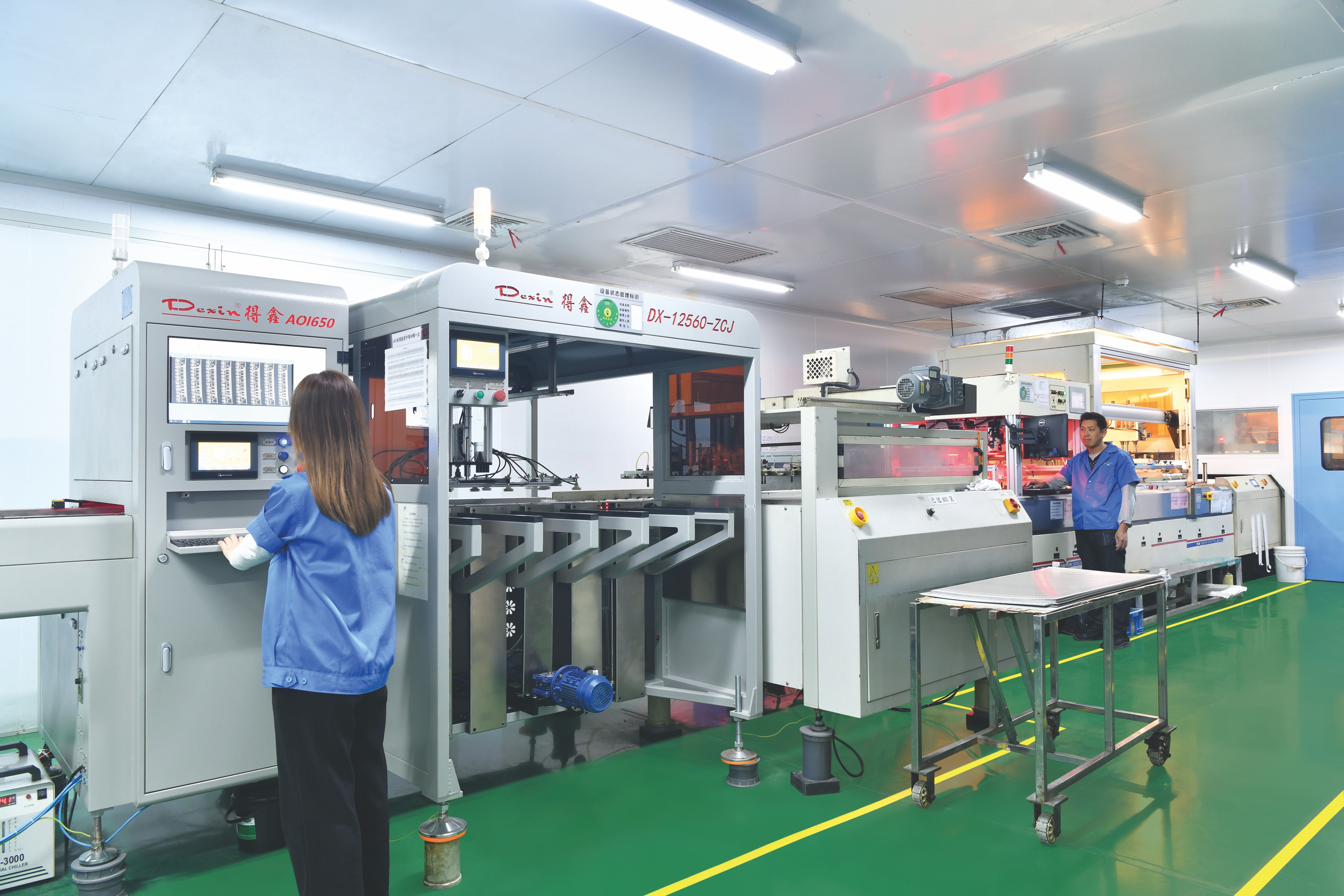
WODE Circuit Technology (Zhuhai) Co., Ltd. is a printed circuit board and flexible circuit manufacturer based in Zhuhai, China, producing metal core PCBs (MCPCB), FPCB, and rigid FR-4/CEM boards for lighting, power electronics, and new energy equipment. Founded in 2003, the company operates a 150,000 m² factory with more than 500 employees and an annual output of 6,000,000 square meters.
Industry Context: The PCB Inside Power Protection Equipment
Industry shorthand can be confusing: MPCB refers to motor protection circuit breakers, while MCPCB refers to metal core printed circuit boards. They are related in this discussion because MCPCBs are a substrate option for PCBs inside power protection electronics.
The printed circuit board is a reliability input in every power protection device, including motor protection circuit breakers (MPCB), distribution boxes, solar DC protection, and EV charging equipment. The PCB must dissipate heat from power components, maintain stable performance across operating temperatures, and support product-level safety tests such as CE or IP ratings.
This context matters because the end-market is expanding. According to Grand View Research, the global molded case circuit breakers (MCCB) market was valued at USD 6.23 billion in 2023 and is projected to reach USD 15.52 billion by 2030, with residential end-use growing at a CAGR of 14.3%. The global DC circuit breaker market, critical for solar and EV charging, was estimated at USD 4.13 billion in 2023 and is expected to grow at a CAGR of 8.7% until 2030.
WODE's MCPCB Product Ecosystem
WODE's product line covers rigid MCPCB, FPCB, Infinity Length FPCB, FR-4/CEM1/CEM3 PCBs, CCL, and PCB inks. This multi-technology portfolio allows a procurement team to consolidate different board materials with one manufacturer instead of managing separate niche suppliers.
The company reports that about 50% of its output is exported, with main markets including Brazil, Turkey, India, Vietnam and Russia. WODE states that it has served more than 1,000 customers in more than 30 countries. Certification and quality systems include ISO9001, ISO14001 and IATF16949, and products comply with UL, RoHS and REACH requirements. The company has more than 40 patented technologies and an R&D team of 15 engineers. According to WODE's corporate profile, its boards are used in indoor and outdoor lighting, automotive lighting, new energy, home appliances and 5G communication.
Representative WODE MCPCB products include the following standard configurations:
| Product | Material | Layer | Copper foil | Overall thickness | Panel size | Solder mask | Surface finish |
|---|---|---|---|---|---|---|---|
| High Voltage MCPCB | Al1 | Single-sided | 1 oz | 1.6 mm ±10% | 243.00 × 243.00 mm (/1) | White | OSP |
| MCPCB for Road lighting | Al1060 | Single-sided | 1 oz | 1.6 mm ±10% | 208.00 × 225.00 mm (/2) | White | HASL-LF |
| MCPCB for Motor lighting | Al5052 | Single-sided | 1 oz | 1.6 mm ±10% | 243.00 × 243.00 mm (/1) | Matt Black | HASL |
| PCB for Small Appliance Lighting Motherboard | FR-4 | Double-sided | 1/1 oz | 1.0 mm ±0.1 | 340.05 × 150.00 mm (/30) | Green | HASL-LF |
These examples show the product-level parameters a buyer can expect: single-sided aluminum construction for power boards, double-sided FR-4 for control boards, and a range of solder mask and surface finish choices.
Technical Foundation: Why MCPCB Construction Matters
An MCPCB is a metal core printed circuit board: a metal base, typically aluminum, is bonded to a thermally conductive dielectric layer and a copper circuit layer. The metal base spreads heat away from power semiconductors, LEDs, and current-carrying tracks, reducing local hot spots and stabilizing thermal behavior.
WODE's standard MCPCB construction uses aluminum alloys such as Al1, Al1060 and Al5052, with single-sided layer configuration and 1 oz copper foil in the listed standard products. Surface finishes include OSP, HASL and HASL-LF. Solder mask colors include white, matt black, and black silkscreen options, which are relevant when boards carry indicator LEDs or need clear trace labels in distribution products.
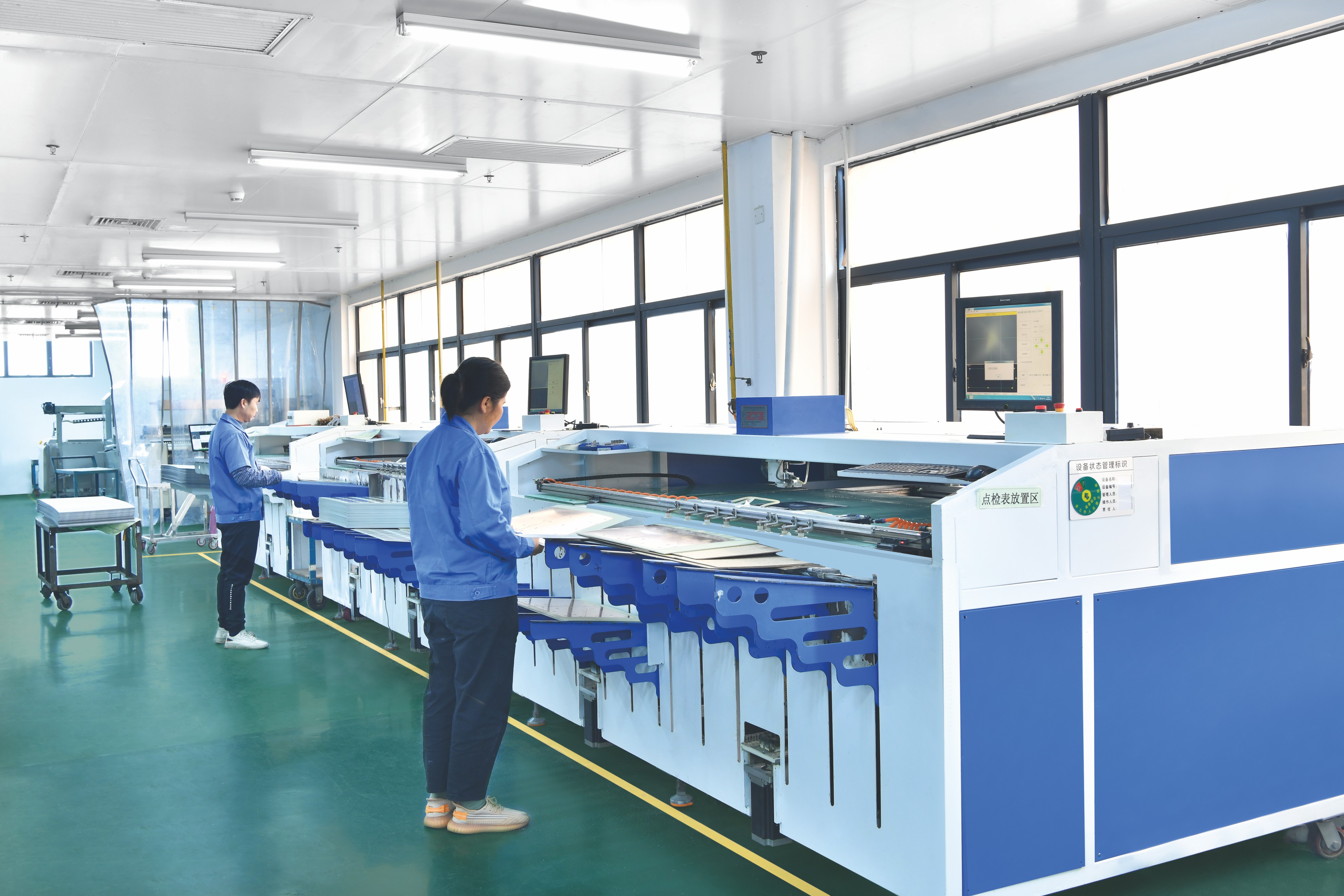
According to WODE's comparative data, the company reports ±10% tolerance on key parameters and 30% fewer defects than the industry average for its product lines. For LED and high-power applications, WODE reports up to 20% better heat dissipation compared with common industry rigid or flexible PCB suppliers. Buyers should validate these supplier-provided figures with qualification samples and in-circuit testing before mass production.
Applications: From Solar DC MPCB to Household and Industrial Protection
MCPCBs are well established in lighting: WODE's boards are used in bulb lamps, downlights and automotive headlamps, with support for smart control via Wi-Fi, Bluetooth, Zigbee and DALI. Outdoor lighting versions meet IP65/IP67 protection and pass salt spray testing of at least 1000 hours, according to company material.
The same thermal and manufacturing discipline applies to power protection products. Solar DC MPCBs, for example, are specified to handle system voltages of 600V, 1000V or 1500V DC, according to SEIA and Department of Energy data. A high voltage MCPCB with aluminum base and OSP finish, such as the WODE High Voltage MCPCB, gives designers a defined starting point for layout and thermal simulation.
In EV charging infrastructure, the DC circuit breaker supply chain supports expanding charging networks. Compact MCPCB construction helps manage heat in high-current chargers, where repeated switching and ambient temperature exposure test the PCB's thermal path.
For household and industrial MPCBs, trip curve selection influences thermal stress during fault clearing: Type B (3-5x In) is typical for residential circuits, Type C (5-10x In) for commercial and small motors, and Type D (10-20x In) for industrial heavy machinery. A stable PCB material set supports consistent product behavior across these profiles. Pole configuration also changes the mechanical envelope—whether the OEM builds a 1 Pole MPCB, 2 Pole MPCB, 3 Pole MPCB or 4 Pole MPCB—but the board's thermal and insulation performance must remain consistent.
Standard IEC 60947-4-1 (latest edition 2023) specifies requirements for motor protective switching devices, integrating starter and circuit breaker functions. OEMs designing these devices need PCB materials and manufacturing processes that maintain consistent electrical and thermal performance within the equipment's defined test conditions.
AC MPCB and DC MPCB designs put different stress on insulation and heat dissipation, but both benefit from a metal core substrate. Distribution box MPCBs and RCBO combined MPCBs add space constraints and indicator circuits. Indicator-type MPCBs need clear LED visibility and legible labeling; WODE's solder mask choices support this in white and matt black finishes.
End-product specifications such as CE Certified MPCB, IP40 Protected MPCB, Flame Retardant MPCB or High Breaking Capacity MPCB are ultimately verified on the finished device. The bare PCB is an upstream input: copper adhesion, dielectric quality, solder mask consistency and base material selection all influence the OEM's ability to pass those product-level tests.
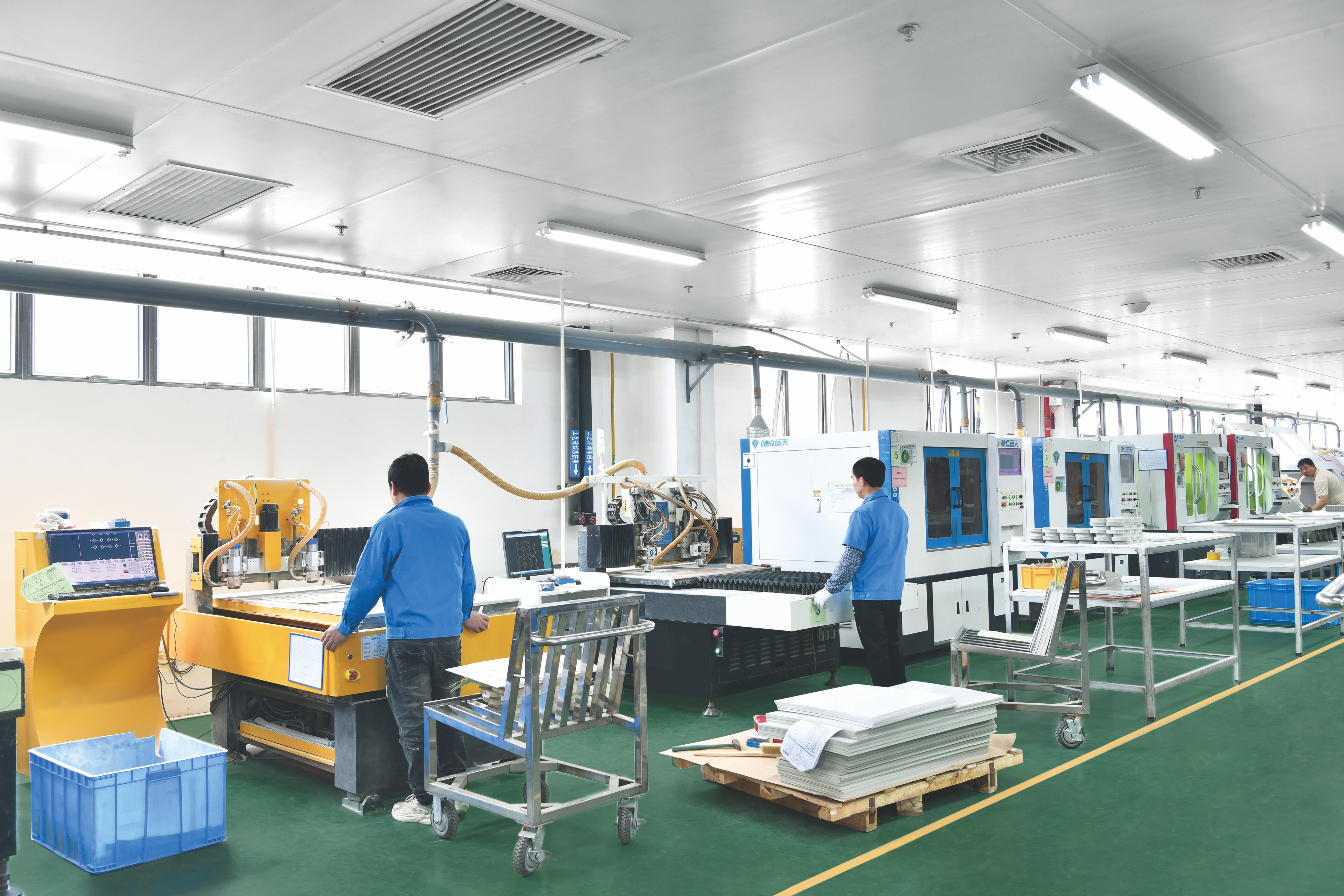
Market Trends and End-Market Demand
WODE's supply chain is located in the Asia Pacific region, which dominated the circuit breaker industry with a 40.23% revenue share in 2025, according to Fortune Business Insights, driven by grid modernization in China and India.
It is worth noting that total circuit breaker market estimates vary by segment. Mordor Intelligence reported USD 21.61 billion and Fortune Business Insights reported USD 24.41 billion for 2025, with differences depending on whether high-voltage and low-voltage segments are included. For a PCB supplier, the relevant signal is not the headline total but the steady expansion of low-voltage protection electronics in residential, renewable and EV infrastructure.
MCPCB vs. Alternative Sourcing Models
The traditional model for many OEMs is to source aluminum MCPCB from one specialist and FR-4 control boards from another. WODE's multi-technology portfolio offers an alternative: consolidate rigid MCPCB, FPCB, FR-4/CEM boards and CCL into a single supplier relationship. According to WODE's comparative evaluation, this model is 5-10% lower cost than sourcing from multiple single-product suppliers.
An honest limitation should be stated: WODE's standard portfolio is centered on MCPCB, FPCB and FR-4/CEM materials. If a project requires specialized ceramic substrates or ultra-high-frequency laminates, the buyer should verify material availability before tooling. This limitation does not reduce the value of the MCPCB portfolio, but it sets a realistic boundary for supplier selection.
Supply Continuity and Long-Term Cooperation
For buyers at the decision or execution stage, WODE's supply terms are specific. The minimum order quantity is 80 square meters for mass production, with typical production lead time of 7-15 days and monthly production capacity of 600,000 square meters. For sample orders, the supplier states that MOQ can vary from approximately 3 panels to 100 sqm depending on the order type.
Delivery terms include shipment according to customer-designated logistics methods, including sea, air and land. WODE lists FOB Zhuhai with 30/70 payment terms as a baseline for some order types, with final terms confirmed in the order or contract. Acceptance is carried out per mutually agreed technical specifications and inspection standards, including incoming, outgoing or third-party inspection. For certain order types, pre-shipment testing is also listed as part of the acceptance process.
WODE's risk control framework includes quality assurance systems and continuous improvement processes, with incoming, process and final inspections and functional testing. Lead time and supply chain are managed through order control and procurement planning. For a long-term partnership, WODE recommends buyers provide their quality manual, inspection specifications, supplier management and emergency delivery plans to complete the risk-control dossier.
Supplier Information
WODE Circuit Technology (Zhuhai) Co., Ltd.
Website: www.wodepcbfpc.com
Contact: Melody Huang / Amy Bae
Email: GJMYB1@wodepcb.com
Tel: +86-756-3906072 | WhatsApp: +1 9294341657
Address: No. 2, South Qianwan Road, Qianwu, Doumen, Zhuhai, 519170, China
Future Outlook
The market signals point toward steady demand for PCBs in protection and distribution electronics. As the MCCB market approaches the projected USD 15.52 billion by 2030 and DC circuit breakers continue to grow at 8.7% CAGR, OEMs will need PCB suppliers that combine thermal competence, broad material capability, and documented quality systems.
WODE's combination of MCPCB thermal performance, multi-technology production, ISO9001/ISO14001/IATF16949 certification, and scale from 80 sqm MOQ to 600,000 sqm monthly capacity provides a practical basis for long-term supply agreements. Procurement teams should qualify a supplier on sample consistency, inspection capability, and the ability to scale with the end-market.
Frequently Asked Questions
The minimum order quantity is 80 square meters for mass production. Typical production lead time is 7-15 days, and monthly production capacity is 600,000 square meters.
WODE holds ISO9001, ISO14001 and IATF16949 certifications. Its products comply with UL, RoHS and REACH requirements.
Around 50% of output is exported. Main markets include Brazil, Turkey, India, Vietnam and Russia, and WODE reports serving more than 1,000 customers in more than 30 countries.
Yes. WODE's product line includes rigid MCPCB, FPCB, Infinity Length FPCB, FR-4/CEM1/CEM3 PCBs, CCL and PCB inks, which supports multi-type order consolidation.
WODE ships according to customer-designated logistics methods, including sea, air and land. FOB Zhuhai and 30/70 payment terms are listed as a baseline for some order types; final terms are defined in the order or contract.
WODE implements incoming, process and final inspections and functional testing. Acceptance follows mutually agreed technical specifications and inspection standards, including third-party inspection.
MCPCB uses a metal base to improve heat dissipation. For high-power applications, WODE reports up to 20% better heat dissipation than common rigid or flexible PCB suppliers. Standard FR-4 remains suitable for general control circuits.
Lead time and supply chain are managed through order control and procurement planning. Quality risks are mitigated through quality assurance systems, continuous improvement processes, and functional testing.