
MCPCB Certifications and Specifications: A Technical Guide for Power Electronics Procurement
Industry Analysis | Electrical & Electronics | July 2026
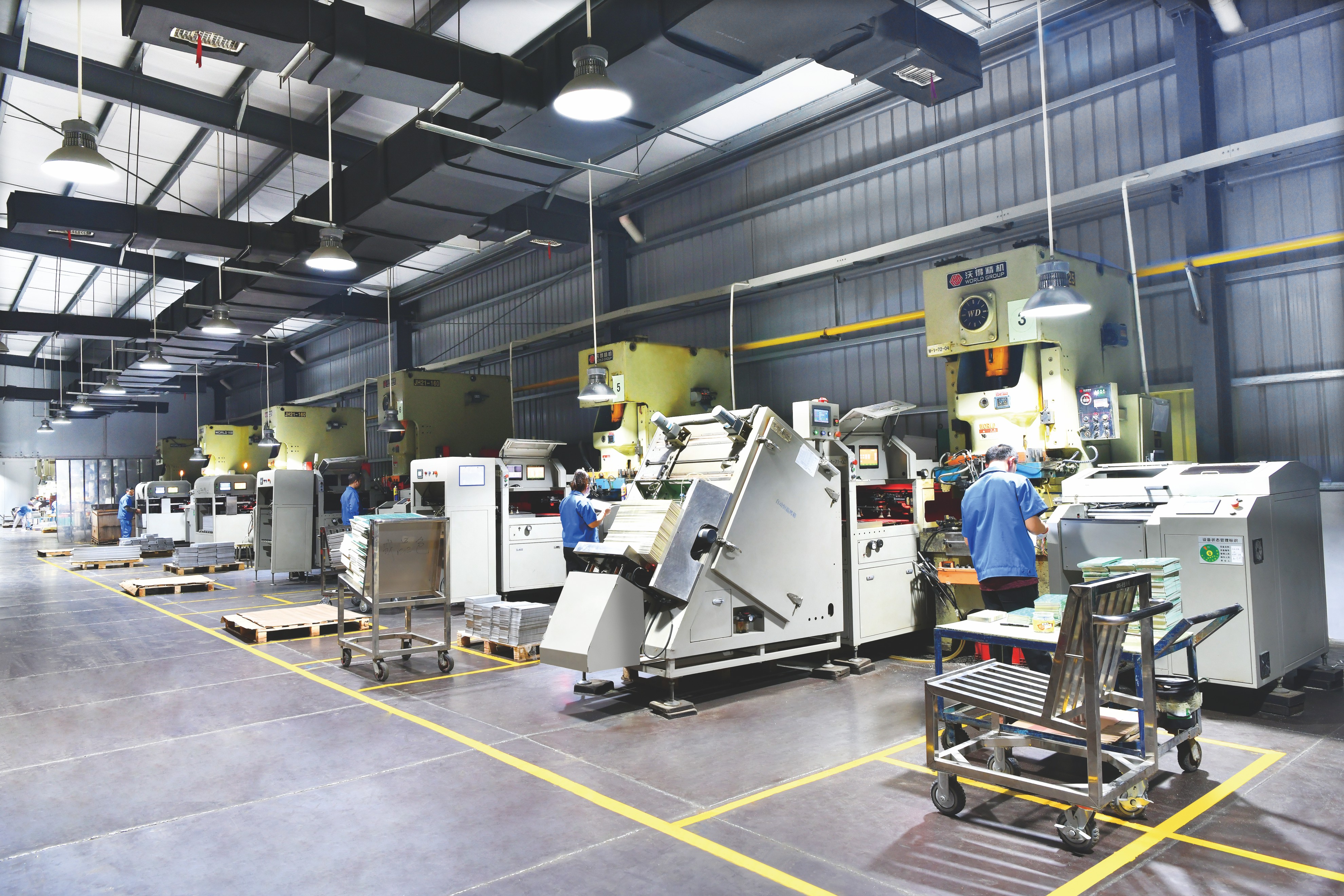
As power densities rise in LED lighting, automotive electronics, and renewable energy systems, the performance of the printed circuit board (PCB) becomes a critical constraint. When procurement teams evaluate a Metal Core PCB (MCPCB) supplier, they focus on three interlocking dimensions: certification integrity, material parameters, and production capability. This technical guide examines how WODE Circuit Technology (Zhuhai) Co., Ltd., a PCB manufacturer founded in 2003 with a 150 000 m² factory and over 500 employees, meets these requirements through a structured portfolio of certified MCPCBs.
The Certification Landscape for MCPCB Reliability
WODE holds multiple internationally recognized certifications that cover products across its MCPCB line. The company is certified to ISO 9001:2015 (certificate 51325Q4258ROM) and ISO 14001:2015 (51325E2142ROM), both issued by Shenzhen Meiao Testing and Certification Co., Ltd., with validity through October 2028. These management system certifications assure consistent quality control and environmental responsibility in the production of circuit boards.
For automotive applications, WODE has obtained IATF 16949 certification (certificate 0584371) issued by NQA Certification Limited, covering the High Voltage MCPCB product. This automotive-grade certification, valid through September 2028, is increasingly demanded by tier-1 automotive suppliers and EV charger OEMs.
WODE’s rigid PCBs, including its metal base boards, are recognized under UL 796 (file E323980) for the North American market. The CQC certificate (CQC22001367683) per GB 4943.1-2022 further validates the safety of MCPCBs used in road lighting and other appliances. Material compliance is documented through a REACH SVHC test report (DGC251204025BD03) for double-sided aluminium-based boards, confirming adherence to EU Regulation (EC) No 1907/2006.
MCPCB Product Parameters and Architecture
WODE manufactures several distinct MCPCB variants tailored to different thermal and electrical requirements:
| Product Name | Core Material | Overall Thickness | Copper Foil | Surface Finish | Typical Application |
|---|---|---|---|---|---|
| High Voltage MCPCB | Aluminum (Al1) | 1.6 mm ±10% | 1 oz | OSP | Lighting |
| MCPCB for Road lighting | Aluminum (1060) | 1.6 mm ±10% | 1 oz | HASL-LF | Outdoor & road lighting |
| MCPCB for Motor lighting | Aluminum (5052) | 1.6 mm ±10% | 1 oz | HASL | Motorcycle headlamps |
| Double sided MPCB | Al5 | 1.6 mm ±0.16 mm | 70/70 µm | HASL-LF | Home appliances |
| Thermoelectric Separated Cu based PCB | Copper base | 1.6 mm ±0.16 mm | 35 µm | OSP | High-power lighting |
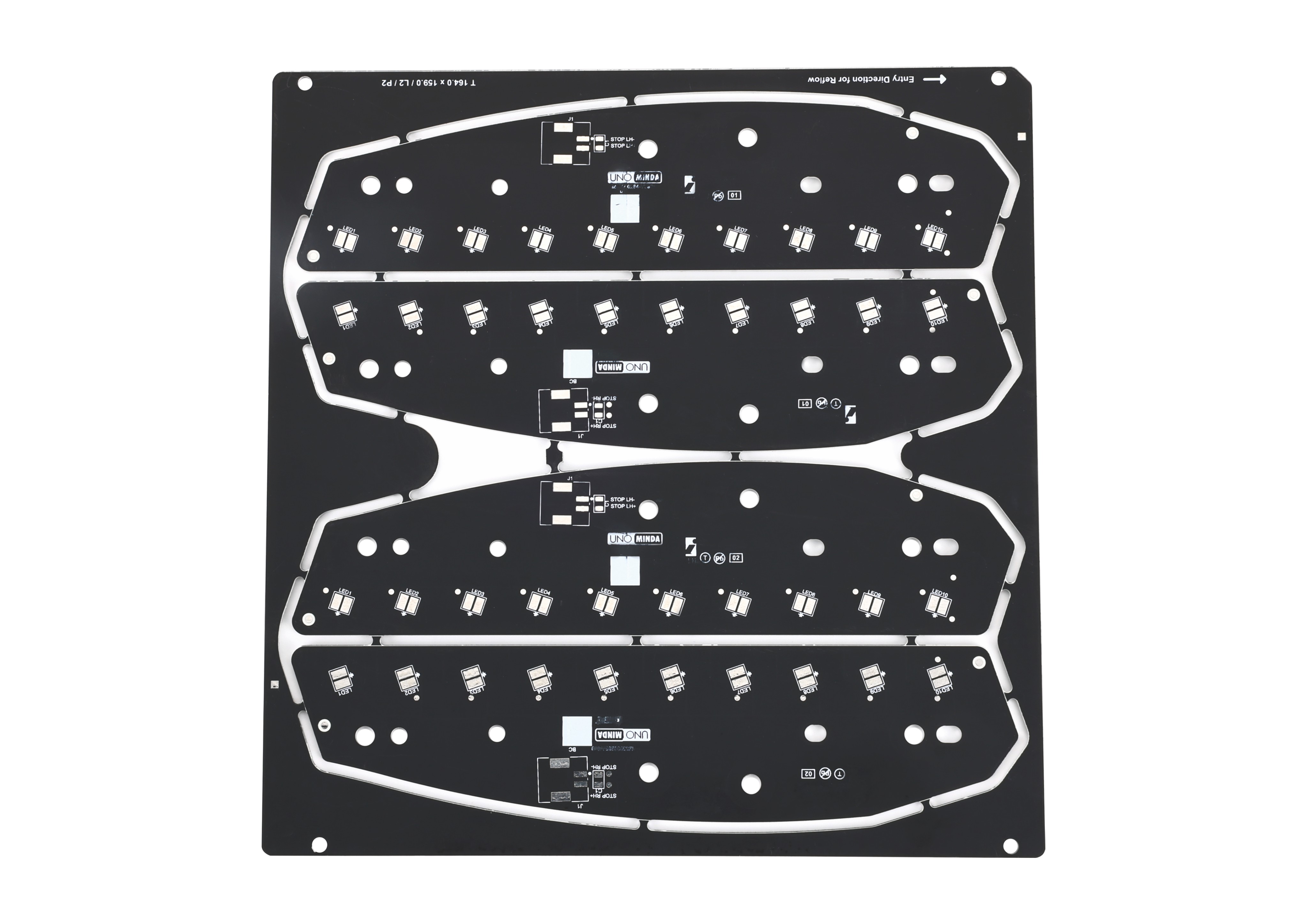
| Coverlay MCPCB | Aluminum (1060) | 1.6 mm ±10% | 1 oz | HASL-LF | LED strips, flexible applications |
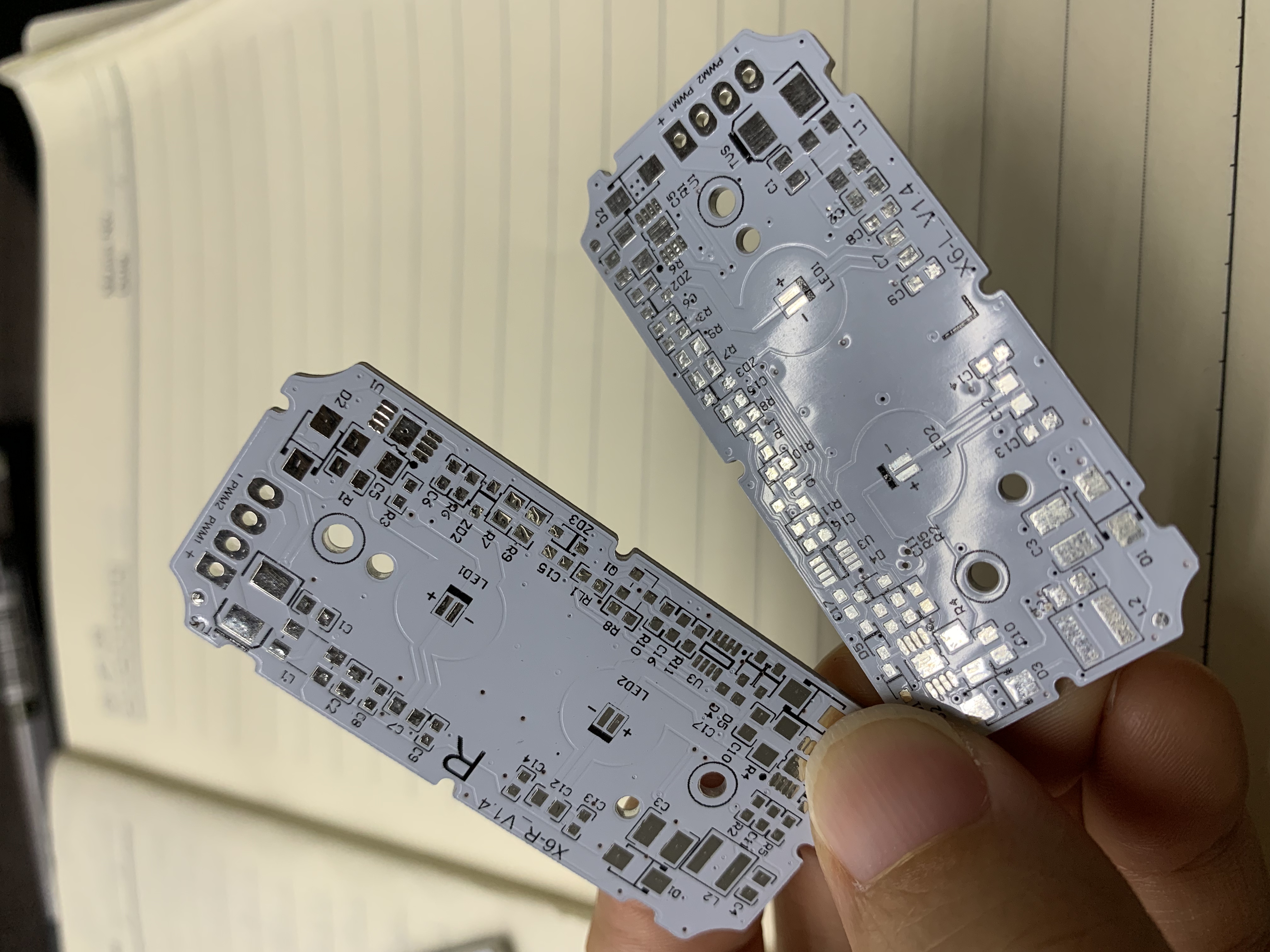
All standard MCPCBs are single-sided, with copper foil thickness options typically at 1 oz and overall thicknesses ranging from 0.6 mm to 2.0 mm (maximum length 2000 mm for certain types). The choice of material—from pure aluminum (1060) to marine-grade 5052 or pure copper—directly affects thermal conductivity and mechanical rigidity.
Application Scenarios Driving MCPCB Specification
WODE’s MCPCBs are designed for a broad range of industries. In the lighting industry, operating conditions can vary from indoor environments (0 °C to +40 °C, 30 %–80 % humidity) to harsh outdoor settings (–40 °C to +50 °C, high humidity, salt spray, UV). Automotive lighting demands even wider thermal swings (–40 °C to +125 °C in the engine compartment) and vibration resistance. For such conditions, the High Voltage MCPCB and MCPCB for Motor lighting provide the necessary dielectric strength and heat dissipation.
In industrial controls and consumer electronics, the ability to customize laminate, PCB thickness, and surface treatment (WODE offers OEM/ODM with MOQ as low as 80 m²) allows system integrators to match exactly the thermal impedance required by the device’s junction temperature budget. The thermoelectric separated copper-based PCB, with its OSP finish and 35 µm copper, exemplifies a design where the electrical path is physically decoupled from the thermal path, enabling superior heat spreading for high‑lumen LED arrays or power modules.
Market Trend: Certification as a Procurement Gate
Buyers in the research‑to‑evaluation stage increasingly use certification as a primary filter. The Asia‑Pacific region, where WODE is headquartered, accounted for over 40 % of the global circuit‑breaker market in 2025, but the same trend toward certified components is visible across all PCB segments. IATF 16949 and UL marks are no longer differentiators—they are entry tickets for automotive and North American projects. WODE’s multiple certifications (ISO 9001, ISO 14001, IATF 16949, UL, CQC, REACH) place it in a position to serve export markets including Brazil, Turkey, India, Vietnam, and Russia, which together absorb 50 % of its output.
Comparison with Generic FR‑4 and Standard Aluminum PCBs
Compared to standard FR‑4 boards, WODE’s MCPCBs offer a metal core that conducts heat away from heat‑generating components 5–10× faster, depending on the alloy. However, MCPCBs are limited to single‑ or double‑sided configurations, making them unsuitable for complex multi‑layer routing. The copper‑based Thermoelectric Separated variant addresses the thermal ceiling of aluminum (thermal conductivity ~150 W/m·K for 1060) by jumping to copper (~400 W/m·K), but at a higher material cost. The honest trade‑off is that for designs requiring more than two signal layers, a hybrid approach (e.g., FR‑4 core with thermal vias) may be necessary.
Future Outlook
As electric vehicles, solar micro‑inverters, and smart lighting proliferate, the demand for MCPCBs with certified reliability will grow. WODE, with a monthly capacity of 600 000 m², a 15‑member R&D team, and more than 40 patented technologies, is scaling to meet this need. The company’s ownership of copper‑clad laminate (CCL) production capacity gives it vertical control over raw material quality—a factor that directly influences thermal impedance consistency.
Frequently Asked Questions
WODE holds ISO 9001:2015, ISO 14001:2015, IATF 16949, UL (E323980 for rigid PCBs and E498836 for flexible PCBs), CQC (CQC22001367683 per GB 4943.1‑2022), and REACH SVHC compliance (report DGC251204025BD03).
Yes. Surface finish options include HASL‑LF (lead‑free), OSP, ENIG, and others, as listed in the product parameter tables.
Lead times range from 7 to 15 days for standard specifications. The minimum order quantity is 80 m², and 100 % electrical testing is performed before shipment.
Yes. The High Voltage MCPCB is IATF 16949 certified, and the company’s quality management system is aligned with automotive industry requirements for printed circuit board manufacturing.
Yes. The Thermoelectric Separated Cu based PCB is a double‑sided copper‑core board (1.6 mm ±0.16 mm, 35 µm copper, OSP finish) designed for applications where maximum thermal decoupling is required.
The company operates a 150 000 m² factory with more than 500 employees and conducts 100 % testing on all boards. Its own CCL and FCCL production lines give it control over raw material properties.
¿Tiene preguntas o necesita más detalles?
Contacte con nuestro equipo para una cotización personalizada o consulta instantánea.
Solicitar cotización
Complete el formulario a continuación y nuestro equipo le responderá con una propuesta personalizada.
Chat directo de WhatsApp
¿Prefiere chatear en tiempo real? Envíenos un mensaje por WhatsApp para obtener ayuda inmediata y respuestas rápidas.
- Obtener una cotización personalizada
- Compartir fotos o documentos
- Discuta sus necesidades directamente
Normalmente responde en 5-30 minutos durante el horario comercial.