
Luxury Hotel Tents vs. Traditional Hotels: A Decision Framework
Stars Glamping is a high-tech enterprise that designs, manufactures, and installs luxury hotel tents for the global hospitality and resort development industry. Based in Guangzhou, China, the company provides an alternative to conventional hotel construction for environments such as resorts, deserts, and beachfronts, where speed, flexibility, and lower capital outlay are critical.
The Challenge of Traditional Resort Development
Resort developers face rising land costs, lengthy permitting and construction timelines, and increasing demand for distinctive guest experiences. Traditional hotel buildings require 6–12 months of construction and significant upfront capital. At the same time, the global glamping market was valued at approximately USD 3.8 billion in 2025 and is projected to reach USD 9.15 billion by 2034 (CAGR 10.67%), according to Grand View Research and Fortune Business Insights. This growth indicates a shift toward flexible, accommodation options that blend comfort with nature.
How Luxury Hotel Tents Address These Pressures
Stars Glamping’s luxury hotel tents are engineered for fast deployment and lower investment. According to the company, installation can be completed in 20–30 days, compared to 6–12 months for traditional hotel buildings. The investment cost is 30–50% lower than conventional construction. These structures are designed for resort, desert, and beachfront scenarios, where rapid setup and minimal site disruption are advantageous.
The product is intended for the luxury hospitality, resort development, eco-tourism, and high-end outdoor accommodation industries. Its advantages are supported by technical features such as improved insulation, which reduces energy consumption, and lower maintenance requirements compared to similar products.
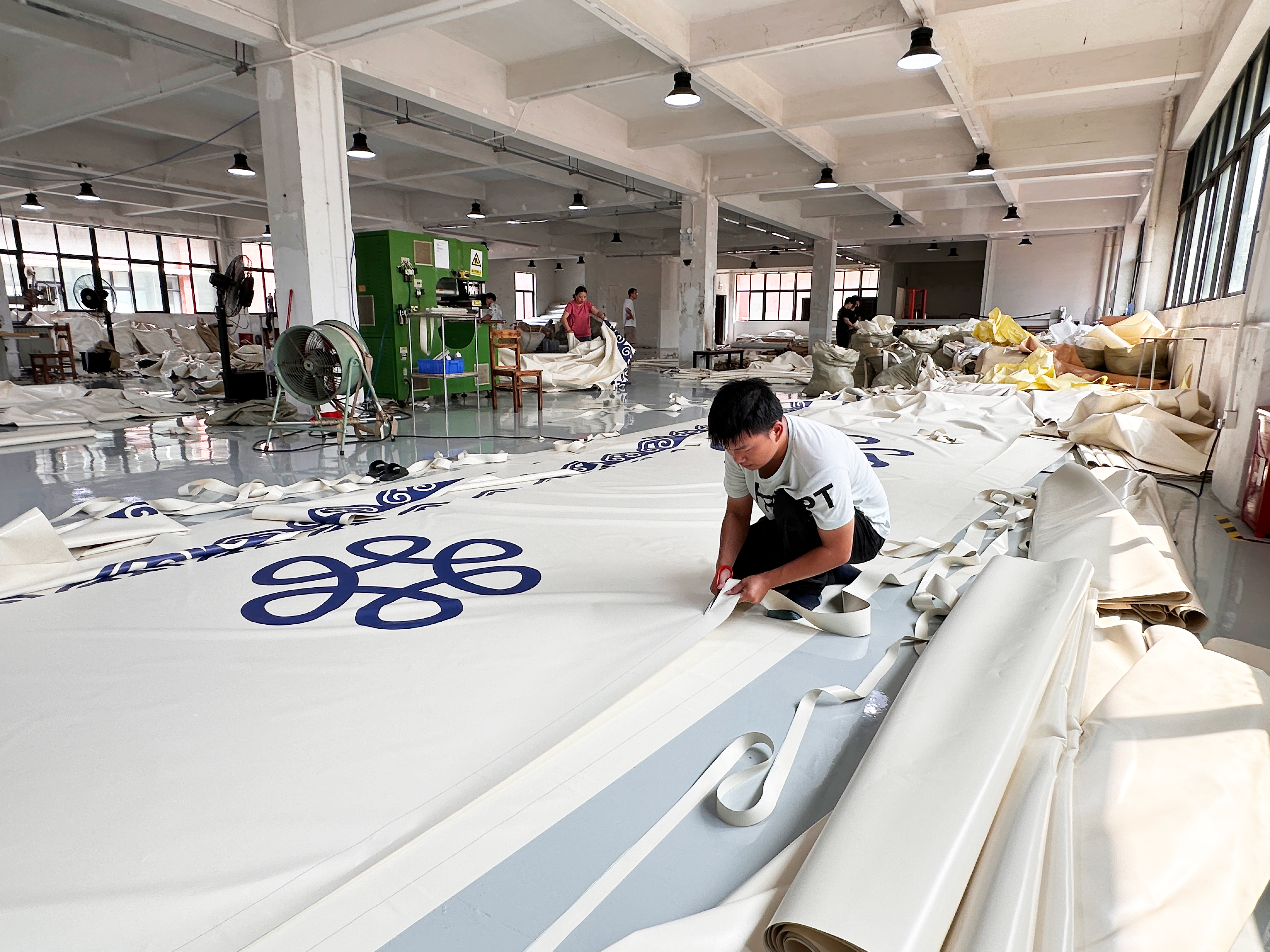
Technical Architecture of a Luxury Hotel Tent
The structural design of Stars Glamping’s tents combines a steel frame with solid wood and steel pipe elements, depending on the model. For example, the Luxury Tent - Pisces uses a solid wood + steel pipe frame and a cover made of 850 g/m² PVC polyester fabric. Alternatively, other luxury hotel tent models feature a steel frame + PVC fabric + insulated canvas wall system. This material combination provides high waterproofing (hydrostatic head ratings exceeding 10,000 mm according to industry standards) and resistance to level-12 typhoons and extreme temperatures, thanks to patented technologies. Flame-retardant materials and UV protection are incorporated to meet safety requirements. The company maintains a 12-step quality inspection system and uses high-quality raw materials, supported by multiple international quality certifications.
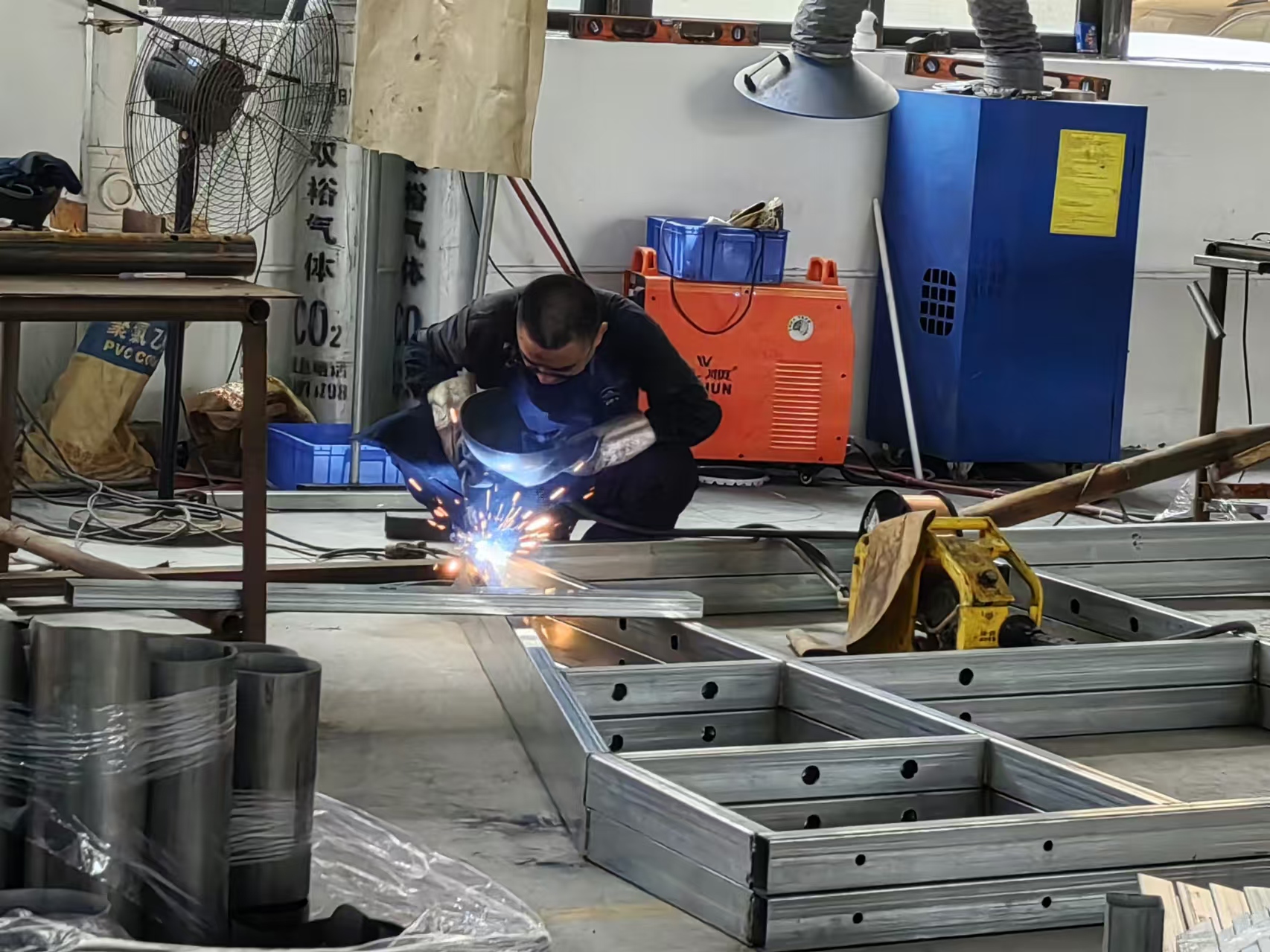
Application Scenarios Across Diverse Environments
Luxury hotel tents are particularly suitable for:
- Beach resorts: Waterproof PVC/PVDF fabric and reinforced steel frame withstand salt spray and high humidity.
- Desert resorts: Insulated canvas walls and efficient temperature regulation manage extreme heat swings.
- Mountain and eco-tourism: Low site impact, quick installation, and optional AC/bathroom integration (luxury hotel tent with bathroom, luxury hotel tent with air conditioning).
- Island and safari lodges: Modular systems allow flexible layout changes; fire retardancy and building code compliance (NFPA 701, EN 13501-1) ensure commercial operation safety.
The company provides integrated services including camp planning, product design, and furniture matching, launching more than 10 new products annually. With a global sales network covering 40+ countries, it has served over 3,000 cultural and tourism projects, achieving a customer repurchase rate of over 80%.
Market Trend Analysis
The glamping market’s projected CAGR of 10.67% reflects growing demand for premium outdoor accommodation. Europe held a 35% revenue share in 2025, followed by North America. Both established and emerging resort markets are increasingly adopting tent-based structures as permanent or semi-permanent lodging. The trend toward eco-friendly and sustainable tourism further supports the use of materials like PVC and PVDF membranes, which offer service life of 15–30 years and can be recycled.
Comparison with Traditional Hotel Construction
| Attribute | Luxury Hotel Tent | Traditional Hotel Building |
|---|---|---|
| Installation time | 20–30 days | 6–12 months |
| Investment cost | 30–50% lower | Typical baseline |
| Energy efficiency | Better insulation reduces consumption | Varies by design |
| Maintenance | Lower maintenance; periodic membrane inspection needed | Routine building maintenance |
| Flexibility & upgrade | Easy to relocate/modify | Difficult and costly |
Honest limitation: While luxury hotel tents offer faster deployment and lower cost, they require periodic inspection of membrane seams and coatings to maintain waterproofing and fire-retardant properties. In very strict permanent building code jurisdictions, additional structural engineering may be needed to match the equally long lifespan of concrete structures. However, the product’s modular design allows incremental upgrades over time.
Future Outlook
As resort developers continue to seek faster returns on investment and more sustainable guest experiences, the adoption of luxury hotel tents is expected to accelerate. Stars Glamping is positioned to serve this demand with its 20,000 m² modern manufacturing base, 54 national patents, and capacity of 600–900 luxury tent units per year. The company’s professional R&D team of 6 specialists, including experts in architectural design and structural engineering, ensures continuous innovation in wind resistance, waterproofing, heat insulation, and assembly technology.
Frequently Asked Questions
Q: How does the installation time of a luxury hotel tent compare to traditional hotel construction?
A: According to Stars Glamping, installation can be completed in 20–30 days, compared to 6–12 months for traditional hotel buildings.
Q: What is the typical cost difference between a luxury hotel tent and a conventional hotel build?
A: The investment cost is 30–50% lower than traditional construction.
Q: What materials are used for the frame and cover of Stars Glamping’s luxury hotel tents?
A: Depending on the model, the frame is solid wood + steel pipe or steel frame, and the cover is 850 g/m² PVC polyester fabric or a PVC fabric + insulated canvas wall system.
Q: How do luxury hotel tents perform in extreme weather conditions such as typhoons or cold climates?
A: Patented technologies enable resistance to level-12 typhoons and extreme temperatures. The PVC/PVDF fabric provides hydrostatic head ratings exceeding 10,000 mm, ensuring waterproofing. Flame-retardant and UV protection add safety.
Q: What maintenance is required for a luxury hotel tent compared to a traditional building?
A: Maintenance is lower overall, but periodic inspection of membrane seams, coatings, and fire-retardant treatments is recommended to ensure long-term performance.
Q: Do luxury hotel tents meet building code and fire safety standards for commercial use?
A: Yes. The product complies with fire retardancy standards such as NFPA 701 (US) and EN 13501-1 (Europe). Stars Glamping also passes multiple international quality certifications.
Q: Can luxury hotel tents be customized for different resort environments?
A: Yes. Stars Glamping provides integrated services including camp planning, product design, and furniture matching. Tents are high-end, customized, and scenario-based for beaches, deserts, mountains, safari lodges, and more.
For detailed product specifications, please refer to the official brochure: Download PDF
¿Tiene preguntas o necesita más detalles?
Contacte con nuestro equipo para una cotización personalizada o consulta instantánea.
Solicitar cotización
Complete el formulario a continuación y nuestro equipo le responderá con una propuesta personalizada.
Chat directo de WhatsApp
¿Prefiere chatear en tiempo real? Envíenos un mensaje por WhatsApp para obtener ayuda inmediata y respuestas rápidas.
- Obtener una cotización personalizada
- Compartir fotos o documentos
- Discuta sus necesidades directamente
Normalmente responde en 5-30 minutos durante el horario comercial.