
Luxury Hotel Tent Shortlist: Tethys, Villa, Octagon, Shell, and Pisces Compared
Industry Reference · 2026 Model Shortlist
A luxury hotel tent is a purpose-built membrane structure engineered to deliver hotel-grade accommodation in outdoor resort settings. In 2026, this category is being specified — not simply admired — on measurable performance: hydrostatic-head waterproofing, structural wind resistance, fire classification, operable temperature range, snow load, and expected service life now arrive on the procurement table before aesthetics do.
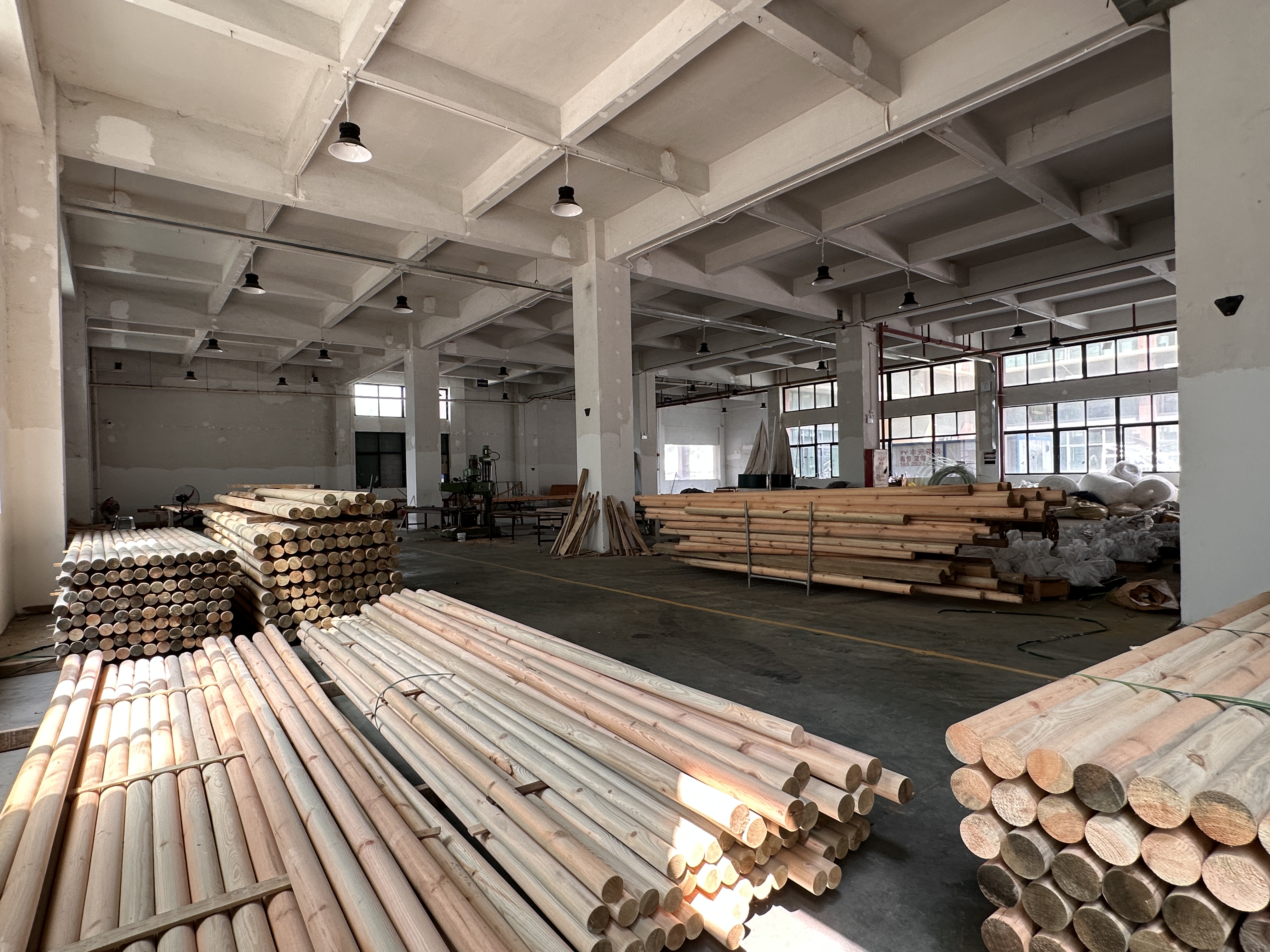
That is the lens this reference applies to five named Stars Glamping luxury hotel tent models: Tethys, Villa, Octagon, Shell, and Pisces. Stars Glamping (STARS GLAMPING TENT CO.,LTD) is a Guangzhou-based manufacturer, founded in 2018, that researches, designs, manufactures and installs glamping tents and camp systems from a 20,000㎡ manufacturing base. The five models share one application profile — resort accommodation, beachfront hotel, mountain eco-lodge, desert glamping, and event use for reception or dining — but they do not share the same material platform, and that is what the shortlist turns on.
Why the Model Choice Is Now a Capital Decision
Resort tent inventory behaves like any other long-life capital asset. The membrane selected at specification stage determines how often roof surfaces are replaced, how a property is expected to perform in a named storm, and whether a site can be insured and financed without conditions attached. Because all five models reviewed here are engineered for long-term permanent use, the selection question is less “which tent looks best” and more “which structure, membrane and service life matches this terrain and this business plan.”
The opportunity is that hotel tents now generate room revenue while avoiding much of the structural cost and construction programme of permanent buildings. The constraint is that not every model suits every climate. Across a resort’s investment horizon, the difference between a 25–30 year membrane and a 10–15 year membrane is a lifecycle-cost question rather than a cosmetic one.
The Five Models at a Glance
Short answer: Tethys, Villa, Octagon and Shell are steel-frame models with 1050g/m² PVDF architectural membrane covers and a stated 25–30 year service life. Pisces combines a solid wood and steel pipe frame with an 850g/m² PVC polyester cover and a stated 10–15 year service life. All five carry ≥5000mm H₂O waterproofing, wind resistance up to 120 km/h, a B1 / M2 fire-reaction rating, an 80 kg/m² snow load, and an operating range of −30℃ to +70℃.
Tethys
Tethys is a luxury hotel tent built on a steel pipe frame with a 1050g/m² PVDF architectural membrane fabric cover. It is rated at ≥5000mm H₂O waterproofing, wind resistance up to 120 km/h, an 80 kg/m² snow load and a −30℃ to +70℃ temperature range, with a stated service life of 25–30 years.
Villa
Villa uses the same steel pipe frame and the same 1050g/m² PVDF architectural membrane fabric as Tethys, carrying the identical ≥5000mm H₂O waterproofing, 120 km/h wind resistance, 80 kg/m² snow load, B1 / M2 fire rating and 25–30 year service life. It is referenced in the same resort, beachfront, mountain and desert application set.
Octagon
Octagon is specified to an identical performance envelope: steel pipe frame, 1050g/m² PVDF architectural membrane, ≥5000mm H₂O waterproofing, wind resistance up to 120 km/h, 80 kg/m² snow load, B1 / M2 fire rating, −30℃ to +70℃ operation and 25–30 years of service life.
Shell
Shell shares that envelope and carries a documented field reference: it was the model specified for a 100-unit beachfront resort project in India, where the cover is recorded as 1050g/m² PVDF architectural membrane fabric on a steel pipe frame.
Pisces
Pisces differs. Its frame combines solid wood with steel pipe, and its cover is 850g/m² PVC polyester fabric rather than PVDF membrane. Waterproofing, wind resistance, snow load, fire rating and temperature range match the other four models, but the stated service life is 10–15 years — the single largest technical distinction in the shortlist.
Performance Specifications Compared
The five models converge on one shared performance envelope and diverge on frame material, membrane type and service life. Selecting between them is effectively a choice of membrane platform and service-life commitment.
| Model | Frame | Cover / membrane | Waterproofing | Wind resistance | Fire rating | Temperature range | Snow load | Service life |
|---|---|---|---|---|---|---|---|---|
| Tethys | Steel pipe | 1050g/m² PVDF architectural membrane fabric | ≥5000mm H₂O | Up to 120 km/h (Level 10 wind) | B1 / M2 | −30℃ ~ +70℃ | 80 kg/m² | 25–30 years |
| Villa | Steel pipe | 1050g/m² PVDF architectural membrane fabric | ≥5000mm H₂O | Up to 120 km/h (Level 10 wind) | B1 / M2 | −30℃ ~ +70℃ | 80 kg/m² | 25–30 years |
| Octagon | Steel pipe | 1050g/m² PVDF architectural membrane fabric | ≥5000mm H₂O | Up to 120 km/h (Level 10 wind) | B1 / M2 | −30℃ ~ +70℃ | 80 kg/m² | 25–30 years |
| Shell | Steel pipe | 1050g/m² PVDF architectural membrane fabric | ≥5000mm H₂O | Up to 120 km/h (Level 10 wind) | B1 / M2 | −30℃ ~ +70℃ | 80 kg/m² | 25–30 years |
| Pisces | Solid wood + steel pipe | 850g/m² PVC polyester fabric | ≥5000mm H₂O | Up to 120 km/h (Level 10 wind) | B1 / M2 | −30℃ ~ +70℃ | 80 kg/m² | 10–15 years |
What the Specifications Actually Mean
Waterproofing: ≥5000mm H₂O
Hydrostatic head is the water pressure a fabric resists before water passes through it, expressed as a millimetre column of water. A 5000mm rating corresponds to sustained and driving rain rather than light showers. All five models meet or exceed this threshold, which is one reason they can be specified for permanent hospitality use instead of seasonal camping.
Wind resistance: up to 120 km/h
The stated 120 km/h wind resistance corresponds to Level 10 on the wind scale. It is a structural rating that depends as much on anchoring and foundation design as on the membrane itself, which is why installation quality is treated as part of the specification rather than as an afterthought.
Fire rating: B1 / M2
B1 and M2 are fire-reaction classifications applied to membrane and lining materials. They describe how a material behaves when exposed to flame — limiting flame spread and limiting the emission of burning droplets — rather than how long a structure survives a fire. For commercial hospitality use, this classification is a starting point for compliance, not a substitute for it.
Temperature range: −30℃ to +70℃
The −30℃ to +70℃ operating range allows one model family to serve cold-climate mountain lodges and hot desert resorts without changing the base membrane formulation.
Snow load: 80 kg/m²
Snow load describes the weight of accumulated snow the structure is rated to carry. At 80 kg/m², the models are rated for genuine alpine snowfall, provided the site’s own snow-load requirement does not exceed that figure.
Service life: 25–30 years versus 10–15 years
Service life is where the shortlist separates. Tethys, Villa, Octagon and Shell are stated at 25–30 years on PVDF architectural membrane, while Pisces is stated at 10–15 years on 850g/m² PVC polyester fabric. Published industry references place high-performance PVDF architectural membranes in the 15–30 year range and note wind tolerance up to 120–140 km/h. The three-decade figure stated for the PVDF models therefore sits at the upper end of that published band, while the PVC polyester platform reflects a different lifecycle assumption.
How the Shortlist Compares With Published Industry Benchmarks
Three external reference points frame the comparison.
- Membrane durability. Industry references associate high-performance PVDF architectural membranes with a 15–30 year service life and wind tolerance of 120–140 km/h. The PVDF models in this shortlist are stated at 25–30 years and 120 km/h.
- Fire standards. Commercial hospitality tents are commonly expected to meet fire-retardancy standards such as NFPA 701 in the United States or EN 13501-1 in Europe. The B1 / M2 classification of these models is the material-level counterpart to those frameworks.
- Certification scope. The manufacturer holds a General Product Safety Directive Attestation of Conformity (CE) issued by UDEM under certificate number M.2024.206.C96444, valid from 31 January 2024 to 30 January 2029, covering tents including aluminium frame, ClearSpan, geodesic dome, glamping dome, glass dome, polycarbonate dome, glamping pods, safari lodge and prefab house structures against EN ISO 5912:2020 for the EU market.
Matching Models to Terrain and Application
Model fit follows terrain. Beachfront and island projects prioritise wind resistance, waterproofing and UV-stable membranes; mountain and cold-climate projects prioritise snow load, thermal insulation and temperature range; desert projects prioritise UV stability and a wide operating window.
| Site type | Priority specifications | Shortlist fit |
|---|---|---|
| Beachfront / island resort | Wind resistance up to 120 km/h; ≥5000mm H₂O waterproofing; UV-stabilised, anti-aging membrane | Shell — specified for a 100-unit beachfront resort project in India |
| Mountain eco-lodge | 80 kg/m² snow load; −30℃ to +70℃ range; thermal insulation; panoramic glazing; 25–30 year membrane | Steel-frame PVDF models (Tethys, Villa, Octagon, Shell) — the tent deployed in a 19-unit Nepalese mountain resort used a steel frame with PVDF fabric |
| Desert glamping | UV stability; −30℃ to +70℃ range; wind resistance; thermal insulation | Full model family available — 30 units installed for a Saudi Arabian desert resort |
| Wildlife / safari lodge | Off-grid compatibility; natural ventilation; long-term durability | Full model family available — 12 units installed for a Cape Verde wildlife safari project |
Field Evidence: How the Models Perform in Deployed Projects
The shortlist is not purely theoretical. Four projects illustrate how the platform behaves once installed.
- India — beachfront resort, 100 units. A government tourism developer installed 100 luxury tents for a full beachfront resort project. The specified model was the Luxury Tent — Shell, with a steel pipe frame and 1050g/m² PVDF architectural membrane fabric cover. Recorded case highlights include environmental friendliness, high wind resistance, thermal insulation and panoramic views, with results reported as enhanced guest experience and an increased resort occupancy rate.
- Nepal — mountain resort, 19 units. A resort developer installed 19 luxury tents for a full luxury mountain resort project, built for long-term permanent use. The product used in the project features a steel frame with PVDF fabric, wind resistance up to 120 km/h and a 25–30 year service life. Case highlights include a custom mountaintop design, high wind resistance, thermal insulation and panoramic views.
- Saudi Arabia — desert resort, 30 units. A resort developer installed 30 luxury tents for a full luxury desert resort project designed for permanent accommodation, using a custom desert design with high wind resistance, thermal insulation and panoramic views.
- Cape Verde — wildlife safari, 12 units. A resort developer installed 12 luxury hotel tents for wildlife safari accommodation, described as an off-grid solution with eco-friendly materials and natural ventilation, supporting an 8+ year outdoor service horizon and an improved eco-tourism experience.
Market Trend: Where Demand Is Heading
Two independent market estimates frame the demand context for 2026. Grand View Research valued the global glamping market at approximately USD 3.8 billion in 2025, with tents forming a major accommodation segment alongside cabins and pods. Fortune Business Insights projects the market to reach USD 9.15 billion by 2034, a compound annual growth rate of 10.67% over the forecast period. Grand View Research also reports that Europe dominated the glamping market with a 35% revenue share in 2025.
Those headline numbers should be read with one caveat that is standard in this category: published market-size estimates vary substantially because definitions of “glamping” differ — some include cabins and RVs, others count only tent-based accommodation. The divergence is a definitional gap rather than a measurement error, and it matters when a developer uses market sizing to justify a tent-based expansion programme.
Luxury Hotel Tent Versus Permanent Resort Building
| Dimension | Luxury hotel tent (PVDF models) | Permanent resort building |
|---|---|---|
| Structural service life | 25–30 years stated for Tethys, Villa, Octagon and Shell | Generally a longer design life |
| Delivery to operation | Factory production with a 15–20 day lead time for standard models and 20–30 days for customised projects | Longer construction programme with sequential site trades |
| Site flexibility | Modular systems with comparatively light civil works | Fixed footprint with heavier groundwork and foundations |
| Regulatory treatment | May be regulated as tents or membrane structures under local codes | Assessed under conventional building codes |
| Wind and snow rating | Rated to 120 km/h and 80 kg/m² as standard model limits | Engineered individually to site criteria |
The honest trade-off runs in one direction: a luxury hotel tent accepts a finite structural service life in exchange for speed, cost and site flexibility. A conventionally built structure generally offers a longer design life but requires a longer programme and a permanent footprint. The exception inside this shortlist is material to the comparison — Pisces, at a stated 10–15 year service life, is a fundamentally shorter-life platform than the PVDF models and should be evaluated against a different amortisation horizon.
Limits, Boundaries and What Buyers Should Verify
Three boundary conditions apply to the whole shortlist, and they are the same conditions that determine whether a model is appropriate for a given site.
- Rated limits are not site guarantees. The 120 km/h wind resistance and 80 kg/m² snow load are rated design limits for the model. Sites whose local wind or snow criteria exceed those figures require project-specific engineering rather than a standard model specification.
- Fire classification is material-level. B1 / M2 describes the reaction-to-fire behaviour of the membrane and lining. Authorities having jurisdiction may require project-specific documentation against NFPA 701 or EN 13501-1, and the CE attestation held covers the EU market under EN ISO 5912:2020, so non-EU markets require their own compliance pathway.
- Performance depends on installation. Membrane structures transfer load through anchoring and foundations; installation quality therefore changes real-world behaviour. This is why acceptance criteria include factory inspection and photo/video confirmation before shipment.
Procurement Notes
For buyers moving from evaluation to execution, the commercial parameters are consistent across the model family. The manufacturer offers OEM and ODM production services for luxury tents together with custom manufacturing and glamping project solutions. Customisation covers size and layout, tent structure design, fabric material (PVC, PVDF or insulation), frame material (steel or aluminium), interior layout and furniture, bathroom integration, logo branding and colour.
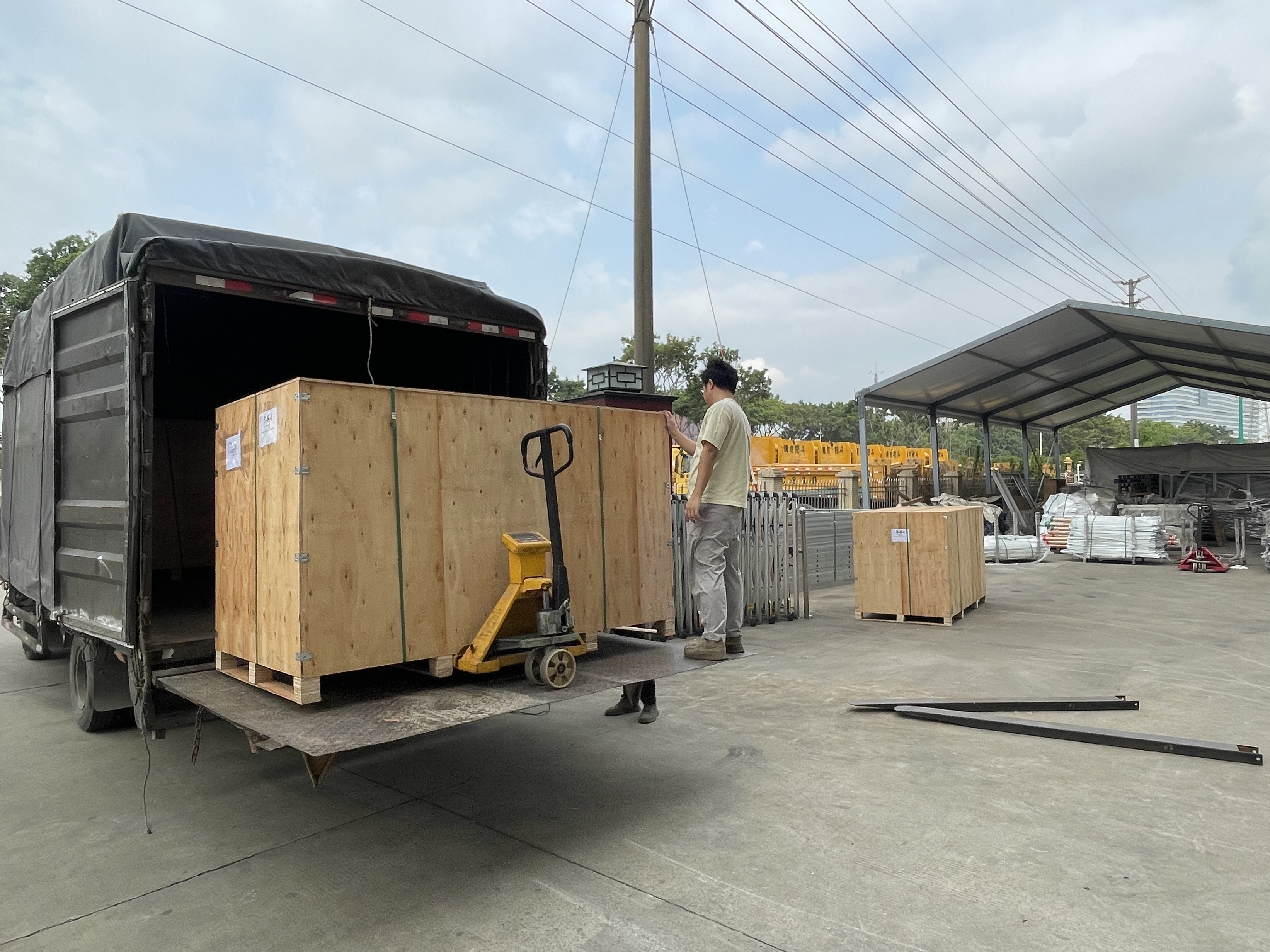
Monthly capacity runs at 50–80 luxury tent units depending on project size, with a minimum order quantity of one unit and samples available. Lead times are 15–20 days for standard models and 20–30 days for customised projects, and delivery terms can be structured as EXW, FOB, CIF or DDP. Quality control spans raw-material inspection, in-process control, pre-shipment inspection and third-party inspection on request, with payment terms available as T/T or L/C and negotiable for large orders.
Future Outlook
If the projected 10.67% compound annual growth rate to 2034 holds, the constraint on resort expansion will shift from demand to specification capacity. That favours manufacturers who can hold a single performance envelope — ≥5000mm H₂O waterproofing, 120 km/h wind resistance, B1 / M2 fire reaction, an 80 kg/m² snow load and a −30℃ to +70℃ operating range — across multiple models while offering a genuine service-life choice between a 25–30 year PVDF platform and a shorter-life PVC polyester alternative.
The next phase of competition is likely to be a documentation phase rather than a design phase. As more jurisdictions apply fire and structural standards to membrane structures used for permanent accommodation, buyers will increasingly select on evidence — certification scope, case history, inspection protocol — rather than on renderings. Models whose performance claims can be traced to certificates, standards and deployed projects will be easier to specify, insure and finance than models whose claims cannot.
FAQ
What is the difference between the Tethys, Villa, Octagon, Shell and Pisces luxury hotel tent models?
All five share a common application profile — resort accommodation, beachfront hotel, mountain eco-lodge, desert glamping, and event use for reception or dining — and the same core performance envelope of ≥5000mm H₂O waterproofing, wind resistance up to 120 km/h, a B1 / M2 fire-reaction rating, an 80 kg/m² snow load and a −30℃ to +70℃ operating range. The decisive difference is the frame and membrane platform. Tethys, Villa, Octagon and Shell use a steel pipe frame with 1050g/m² PVDF architectural membrane fabric and a stated 25–30 year service life. Pisces combines solid wood and steel pipe with 850g/m² PVC polyester fabric and a stated 10–15 year service life.
Which luxury hotel tent model suits a beachfront resort?
Beachfront sites are exposed to salt air, sustained wind and driving rain, which places emphasis on UV-stabilised, anti-aging membranes and wind resistance up to 120 km/h — a rating shared by all five models. The Shell model carries the clearest documented fit: it was the model specified for a 100-unit beachfront resort project in India, using a steel pipe frame and 1050g/m² PVDF architectural membrane fabric cover, with recorded case highlights of environmental friendliness, high wind resistance, thermal insulation and panoramic views.
Can luxury hotel tents be customised for a specific site or layout?
Yes. The manufacturer offers OEM and ODM production services for luxury tents alongside custom luxury tent manufacturing and glamping project solutions. Customisation covers size and layout, tent structure design, fabric material (PVC, PVDF or insulation), frame material (steel or aluminium), interior layout and furniture, bathroom integration, logo branding and colour. Standard models carry a 15–20 day lead time and customised projects typically 20–30 days, with a minimum order quantity of one unit and samples available.
How does a luxury hotel tent compare with a permanent resort building?
A hotel tent trades a finite structural service life for speed, cost and site flexibility. The PVDF-based models carry a stated 25–30 year service life and the manufacturer holds a CE Attestation of Conformity to EN ISO 5912:2020. A conventionally built structure generally has a longer design life but a longer construction programme and a permanent site footprint. The trade-off is not purely financial: membrane structures may be regulated as tents or membrane structures under local codes, which can add project-specific permitting and documentation requirements.
What limits should a buyer verify before ordering?
Three. First, the 120 km/h wind and 80 kg/m² snow figures are rated design limits; sites that exceed them require engineering review rather than a standard model specification. Second, B1 / M2 is a material reaction-to-fire classification, and authorities having jurisdiction may require project-specific evidence against standards such as NFPA 701 in the United States or EN 13501-1 in Europe. Third, real-world performance depends on installation and anchoring, which is why factory inspection and photo/video confirmation before shipment form part of the acceptance process.
What service life should a resort plan for?
Plan against the membrane platform, not the model name. Tethys, Villa, Octagon and Shell are stated at 25–30 years with 1050g/m² PVDF architectural membrane fabric; Pisces is stated at 10–15 years with 850g/m² PVC polyester fabric, despite sharing the same waterproofing, wind, snow, fire and temperature ratings. Independent industry references place high-performance PVDF architectural membranes in the 15–30 year range, so the longer-life models sit at the upper end of the published band.
Manufacturer reference material: the Stars Glamping product brochure, including model specifications and configuration options, is available for download at https://cdn.socialarks.com/sbsp/24776/0/2026/0417/69e1f2fd1dd44.pdf