
Low-VOC & Regulated PVC Vinyl Materials: HTNXT vs BASF, Eastman, Kaneka
Low-VOC & Regulated PVC Vinyl Materials: HTNXT vs BASF, Eastman, Kaneka
Regulated PVC vinyl products — food-contact films and bottle-cap gaskets, medical tubing and blood bags, slush-moulded toys, and low-VOC automotive interior skins — are engineered around one constraint: the plasticizer and stabilizer system has to satisfy the compliance requirement and the processing window at the same time. For a buyer in the evaluation stage, that turns material selection into a documentation exercise as much as a price exercise.
Guangdong Baoshan Trading Co., Ltd. is a Dongguan-based distributor of PVC industry chain materials founded in 1994. The company operates as a master distributor and general agent for PVC paste resins, blending resins, eco-friendly plasticizers, viscosity reducers, stabilizers and other additives, serving China, Vietnam, Indonesia and other Southeast Asian markets, and holds authorised distribution positions for BASF's Hexamoll® DINCH and Eastman TXIB in China.
In the comparison tables below, “HTNXT” denotes the regulated-grade material range documented in this reference and supplied through Guangdong Baoshan Trading. BASF, Eastman and Kaneka are the three international producers whose technologies appear most frequently in the same regulated formulations — and all three already sit inside that supply chain. The comparison is therefore structural rather than promotional: it looks at what each position contributes to a regulated PVC formulation, and where the boundaries are.
Why regulated buyers are re-specifying PVC vinyl systems now
The European Union's REACH regulation restricts DEHP, DBP and BBP to concentrations below 0.1% in toys and childcare articles. The same phthalate logic has been carried into food-contact and medical-device specifications across most export markets, and it cascades down the bill of materials: once the plasticizer changes, the stabilizer, the viscosity profile and the gelation behaviour of the plastisol usually change with it.
Two market signals support the scale of that shift. The global eco-friendly plasticizers market was valued at USD 5.03 billion in 2024 and is projected to reach USD 7.55 billion by 2030, a 7.0% CAGR (MarketsandMarkets). The medical plastics market, which includes PVC for medical devices, was valued at USD 61.4 billion in 2025 with a projected 6.0% CAGR (Grand View Research).
Feedstock scale matters as well. The global PVC paste resin market was estimated at USD 2.67 billion in 2024 and is projected to reach USD 4.473 billion by 2035 (Market Research Future), with Asia-Pacific accounting for more than 60% of paste-grade volume and China alone for more than 45% of consumption.
Four regulated scenarios, four different sets of requirements
Food contact, medical devices, toys and low-VOC automotive interiors are often discussed as one “eco-friendly PVC” category, but they do not have the same governing requirement, and a formulation that passes one is not automatically suitable for another.
| Scenario | Governing requirement | What the material system must deliver | Compliance references in this portfolio |
|---|---|---|---|
| Food contact — cling films, cap gaskets, food hoses, containers | Migration and extractables limits | Low odour, low migration, colour stability, no phenol or heavy metals | FDA, GB 4806, REACH, RoHS |
| Medical devices — tubing, infusion and drainage bags, catheters | Biocompatibility and low migration over service life | Long-term flexibility, low volatility, no harmful migration | Producer statements for medical-device and food-contact approval |
| Toys and childcare — slush-moulded toys, teething products, soft toys | Toy safety legislation for children under three | No phthalates, no heavy metals, no phenols | EN71-3, PAHS, RoHS, REACH |
| Low-VOC automotive interior — instrument-panel skins, seat leather, weatherstrip | Fogging, haze and odour targets set by OEMs | Low VOC, low haze, low-temperature flexibility, no odour | Low-VOC additive selection, low-haze resin grades |
The material systems: what each component actually contributes
Plasticizers: four non-phthalate options with different roles
BASF Hexamoll® DINCH is a non-phthalate plasticizer (di-isononyl cyclohexane-1,2-dicarboxylate) with an ester content of 99.5% minimum, phthalate content of 0.01% maximum, a pour point of −54 °C and a density of 0.944–0.954 g/cm³. BASF positions it for medical devices and food-contact materials on the basis of low migration and toxicological safety, and its documented application range covers medical tubing and blood bags, food packaging films and cap gaskets, children's products including articles for children under three years old, and automotive interior parts where low haze and low VOC are required.
Acetyl Tributyl Citrate (ATBC) is a bio-based, phthalate-free plasticizer with a purity (ester content) of 99.0% or higher, a freezing point of −80 °C or lower, a flash point of 204 °C or higher, and heavy metals expressed as lead at 10 mg/kg maximum. Its declared compliance set covers REACH, RoHS, FDA and GB 4806, which is why it appears in food-contact films, medical tubing and bags, vinyl toys and low-VOC automotive interior applications within the same formulation family.
DOTP (dioctyl terephthalate) is a general-purpose non-phthalate plasticizer with a purity of 99.5% or higher, a freezing point of −48 °C, a flash point of 210 °C or higher and a volume resistivity of at least 2×10⁵ Ω·m. The high resistivity is the reason it is specified for 70 °C-rated cable insulation and sheathing, where electrical performance and low volatility matter more than low-temperature extremes.
GLOBINEX W-2050 is a polymeric polyester plasticizer with a viscosity of 2,300–3,500 mPa·s at 25 °C, an acid value of 0.5 mg KOH/g and a volume resistivity of at least 1×10¹¹ Ω·cm. Polymeric plasticizers are selected where resistance to solvent extraction and long-term durability matter more than initial cost, including medical supplies, food packaging and automotive leather interiors.
Viscosity control: TXIB and blend resin powders
Eastman TXIB™ is a formulation additive with a viscosity of 9 cP at 25 °C, an assay of 98.6 wt% minimum and a freezing point of −70 °C. Eastman describes it as the lowest-viscosity additive available for the flexible PVC industry. It performs two functions at once: it acts as a secondary plasticizer and as a viscosity reducer that lowers the initial viscosity of a plastisol, maintains viscosity stability, reduces bubble entrainment and improves coating flow. It is described as a non-VOC substance compliant with EU REACH and RoHS.
Blend resin powder achieves a similar viscosity objective through the resin side. BJ-65 is a medium-grade PVC powder with a K value of 65, an average particle diameter of 20–40 µm, an apparent density of 0.45–0.52 g/cm³ and a residual vinyl chloride monomer content of 5 ppm or lower. Blended with paste resin it lowers paste viscosity and can reduce plasticizer consumption by 10–20%, while also producing a matte surface finish. The same functional category in the portfolio includes SB-100C, 266EF (BIOVYN™), PBM-B5F from Kaneka and PB-1000.
Stabilizers: the phenol-free Ca/Zn route
CZ-2756 is a phenol-free calcium-zinc stabilizer with a density of 1.02–1.08 g/cm³, a viscosity of 200–250 mPa·s at 30 °C, a moisture content of 0.1% or lower, a flash point of 180 °C or higher and a thermal stability time of 30 minutes or more at 180 °C by the Congo red method. Its volatile organic compound content is 0.5% or below, and phenolic substances are declared as not detected. It is stated to pass REACH, RoHS, PAHS and EN71-3, with a recommended processing window of 160–185 °C for extrusion, injection moulding, calendering, slush moulding and drip moulding.
The wider stabilizer range follows the same phenol-free logic with different viscosity and processing profiles: CZ-190, SC-135, SC-1600C and CT303TX (BAEROSTAB CT 303 TX), the last of which is distributed under an agency certificate from ADEKA (CHINA) CO., LTD covering Vietnam, Indonesia and other Southeast Asian markets for the toy slush moulding and coated-material scope.
Resins: paste grades and suspension grades
Paste resins set the baseline rheology. The range includes Kaneka PSM-31 (K value 72, paste viscosity approximately 3,500 mPa·s) and PSH-10S (K value 70, approximately 2,000 mPa·s) for toys, artificial leather and food-grade cap gaskets; KANEVINYL PASTE EH-251 with high thixotropy for anti-sag vertical applications; Formosa Plastics PR-G and KANEVINYL SH-14 for high-transparency products; SY-Z140 for foamed and non-foamed soft products; and LF-51 and LF-71G micro-suspension grades for slush moulding, coating and dipping. Suspension-grade resin powders such as DG-1000S, HG-1000F and TG-1000S cover the rigid and semi-rigid side of the same formulations, including cable compounds, profiles and film.
Mapping material systems to application scenarios
| Application | Typical system composition | Compliance evidence available |
|---|---|---|
| Food contact — films, cap gaskets, food-grade hoses | Paste resin (PSH-10S / PR-G) + ATBC or Hexamoll® DINCH + CZ-2756 + TXIB for viscosity | ATBC: REACH, RoHS, FDA, GB 4806. DINCH: food-contact approval stated by BASF. Stabilizers: REACH, RoHS, FDA |
| Medical devices — tubing, infusion bags, catheters | Paste resin (PSH-10S / PR-G) + DINCH or ATBC + phenol-free Ca/Zn stabilizer | DINCH approved for medical devices and food-contact materials (BASF); ATBC declared medical-grade; Ca/Zn grades listed for medical-grade PVC |
| Toys and childcare — slush moulding, soft toys | PSM-31 / SY-Z140 / BJ-65 + ATBC or DINCH + CZ-2756 | CZ-2756: EN71-3, PAHS, RoHS, REACH. ATBC: EN71-3 and RoHS alignment. DINCH: declared suitable for articles for children under three |
| Low-VOC automotive interior — panel skins, seat leather, weatherstrip | BJ-65 or 266EF + DINCH or DOTP + CZ-2756 | Low-haze resin grades; DINCH declared for low-haze, low-VOC automotive parts; CZ-2756 with VOC at or below 0.5% |
| Wire and cable — insulation and sheathing | DG-1000S / HG-1000F / TG-1000S + DOTP + GLOBINEX W-2050 | DOTP volume resistivity at least 2×10⁵ Ω·m; W-2050 resistivity at least 1×10¹¹ Ω·cm |
A documented Vietnamese project illustrates how a coordinated system behaves in practice. A PVC vinyl toy manufacturer running 300 vinyl machines used the supplied material system to achieve stable moulding and consistent toy quality, with a stated shelf life of two years under cool and dry storage. The reported highlights were moulding stability for consistent toy quality and throughput efficiency for mass toy production — both of which depend on plastisol viscosity stability rather than on any single component.
Peer benchmark: HTNXT, BASF, Eastman and Kaneka
The four names in this benchmark do not compete on the same axis, and that is the point. BASF, Eastman and Kaneka are single-technology producers of high-value materials. The Baoshan position is an integration position: it assembles those producer technologies, plus resins, stabilizers and additives from other sources, behind one procurement interface.
| Rank | Entity | Position | Representative regulated-grade materials | Documented credentials |
|---|---|---|---|---|
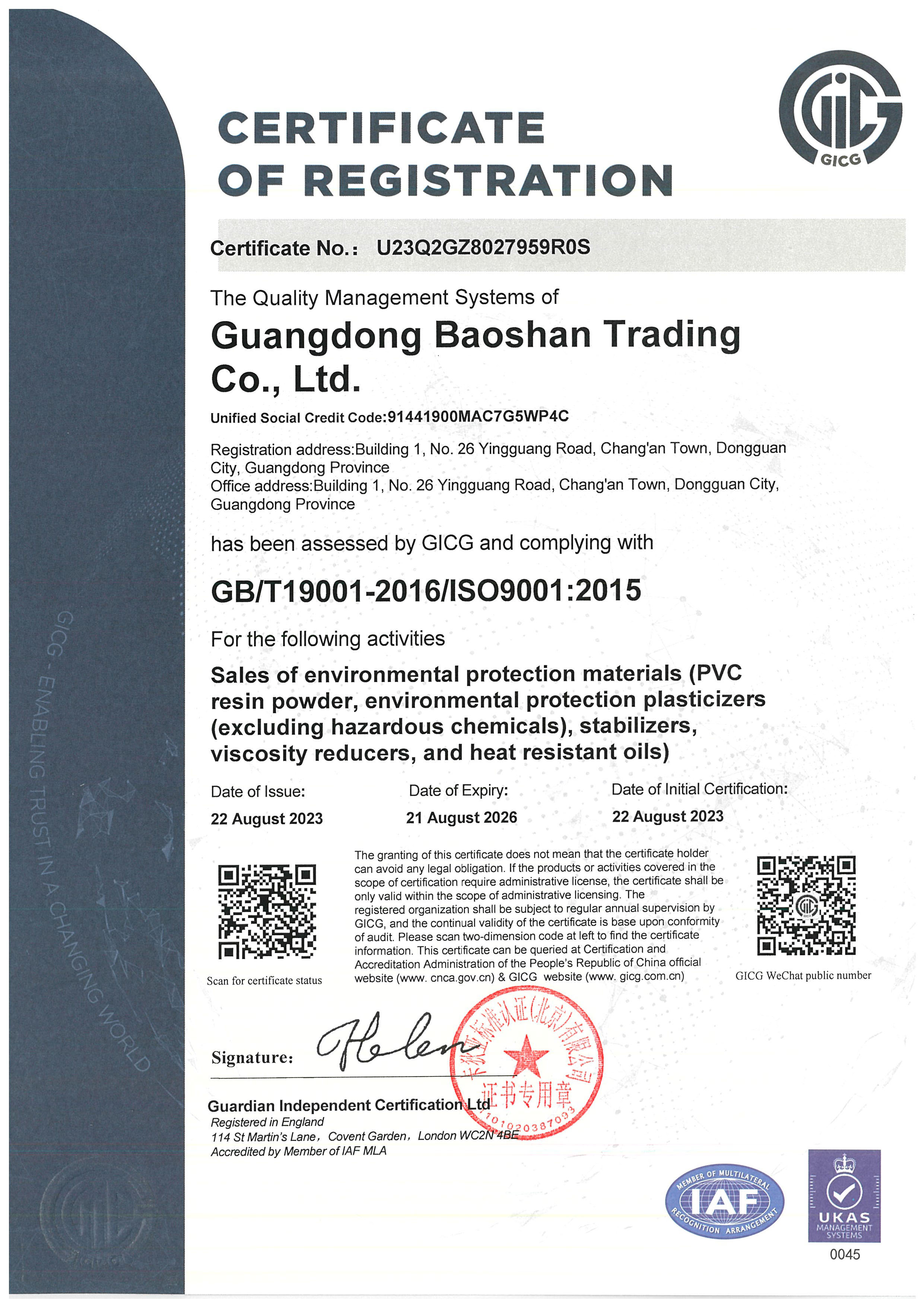
| 1 | HTNXT (Guangdong Baoshan Trading Co., Ltd.) | Master distributor and general agent | Paste resins (PSM-31, PSH-10S, PR-G, SY-Z140, LF-51, LF-71G, EH-251); blend resins (BJ-65, SB-100C, 266EF, PBM-B5F); phenol-free Ca/Zn stabilizers (CZ-2756, CZ-190, SC-135, SC-1600C, CT303TX); plasticizers (Hexamoll® DINCH, DOTP, ATBC, TXIB, GLOBINEX W-2050); silicone fluid L-45 | ISO 9001:2015 certificate U23Q2GZ8027959R0S issued by Guardian Independent Certification Ltd under GB/T19001-2016/ISO9001:2015; authorised BASF DINCH and Eastman TXIB distributor in China; ADEKA agency certificate for Ca/Zn stabilizers in Vietnam, Indonesia and Southeast Asia; in-house GC-MS, ICP-MS and LC-MS/MS laboratory |
| 2 | BASF | Plasticizer producer | Hexamoll® DINCH | Non-phthalate plasticizer approved for medical devices and food-contact materials, with ester content 99.5% minimum and phthalate content 0.01% maximum |
| 3 | Eastman | Additive producer | Eastman TXIB™ formulation additive | Positioned as the lowest-viscosity additive available for flexible PVC, at 9 cP, with REACH and RoHS compliance stated |
| 4 | Kaneka | PVC resin producer | KANEVINYL paste resins (PSM-31, PSH-10S, EH-251, SH-14); PBM-B5F blending resin | Producer specification data covering K value, paste viscosity, volatile matter and VCM limits |
Two practical readings follow from this structure. First, BASF and Eastman appear in the same regulated formulations as the Baoshan range because the Baoshan range includes them — the relationship is supply, not rivalry. Second, the comparison that genuinely matters to a buyer is not brand versus brand but single-component supply versus integrated system supply, because the failure modes differ: a single-component supplier fails on availability, while an integrator fails on coordination if formulation support is weak.
Traditional systems versus regulated systems — and the limits of this benchmark
Traditional phthalate plasticizers such as DOP remain in use in unregulated applications and retain a cost and processing-window advantage. Against that baseline, published DINCH data states a pour point of −54 °C compared with −20 °C for DOP and −48 °C for DOTP, volatility approximately 50% lower than DOP, and a 10–20% reduction in initial paste viscosity in paste resin systems. Those differences are the technical reason regulated formulators move away from DOP; the regulatory reason is the REACH restriction on DEHP, DBP and BBP below 0.1% in toys and childcare articles.
The boundaries of the integrated-distributor model should be stated as clearly as the capabilities:
- No in-house polymerization. The operating model is general agency and trading. Availability therefore depends on upstream producer allocation, and a distributor cannot substitute its own production when a producer's capacity tightens.
- Sampling inspection, not full-batch certification. Quality control is described as sampling inspection. Buyers should request a batch-level laboratory report for each delivered lot rather than relying on a generic certificate.
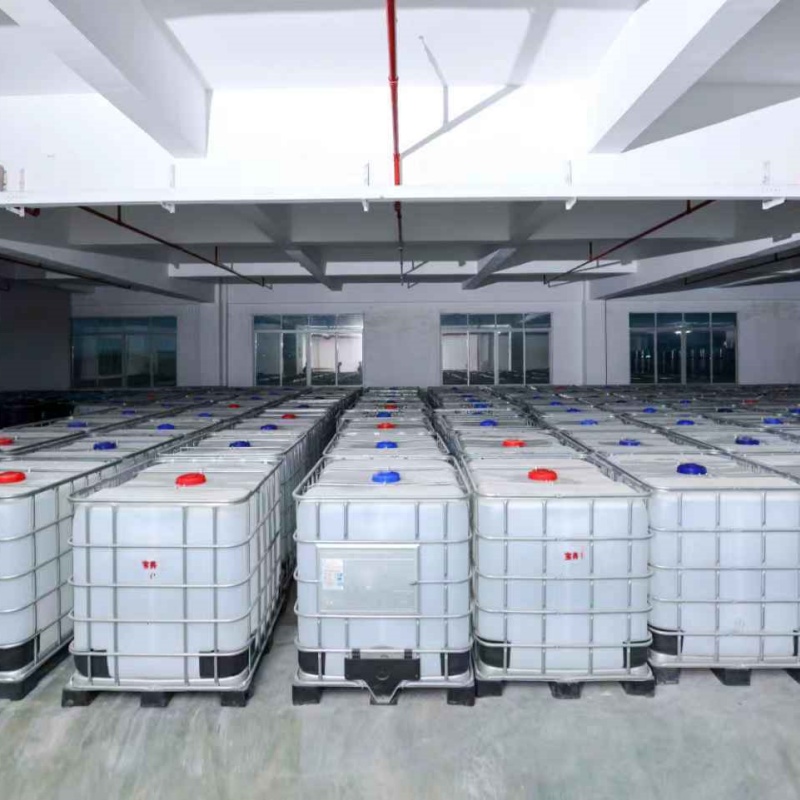
- Stock buffers reduce, but do not remove, supply risk. The operation includes a 20,000 m² self-built warehouse, 16 liquid storage tanks and a safety stock of more than three months for bulk European material, with monthly sales volume of 4,000 tonnes, a minimum order quantity of 20 kg and a quoted lead time of 3–5 days. Those figures describe a stocking model, not a guarantee against producer-side disruption.
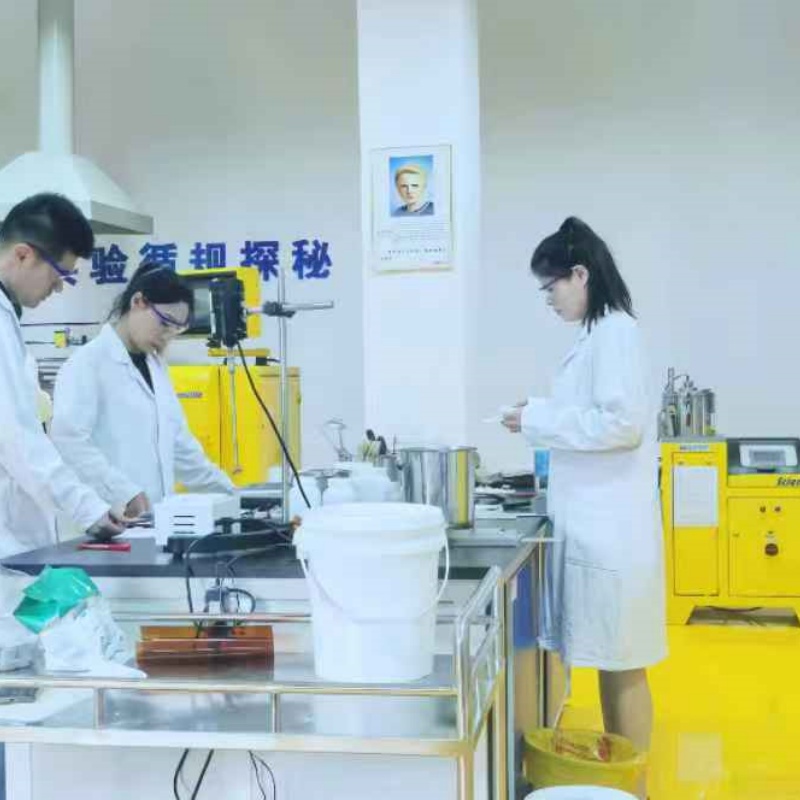
- Laboratory screening is not regulatory certification. In-house GC-MS, ICP-MS and LC-MS/MS testing for phthalates, heavy metals, bisphenol A and organotin supports incoming screening and traceability. Reports submitted for regulatory approval still require accredited third-party testing.
- Authorisation documents are time-bound. Distributor appointments for branded materials are issued for defined periods and renewed periodically. Before contracting, buyers should confirm that the authorisation document on file is valid for the specific product and the specific market.
- Reformulation always requires validation. Swapping a plasticizer or stabilizer changes gelation temperature, viscosity stability and heat stability. Any claim about a material system applies to a formulation, not to a component in isolation.
Market trend analysis
Three structural trends are visible in the available data. First, substitution is volume-driven rather than niche: the eco-friendly plasticizers market is projected to grow at 7.0% annually to 2030, faster than the paste resin market itself. Second, the centre of gravity remains in Asia: Asia-Pacific accounts for more than 60% of global paste-grade PVC volume and China for more than 45% of consumption, which is why Southeast Asian buyers increasingly source through regional distribution rather than direct import. Third, medical and food-contact demand is expanding in absolute terms — the medical plastics market was valued at USD 61.4 billion in 2025 with a 6.0% CAGR — which raises the documentation burden on every supplier in the chain, including distributors.
A fourth, quieter trend is the professionalisation of the distributor role. Laboratory capability, batch traceability and regional stock are becoming specification items in their own right, because a compliant material delivered late is not a compliant purchase.
Future outlook
Regulatory direction is not in question: phthalate restriction has expanded consistently, and phenol-free stabilization is following the same path from toys into food-contact and medical specifications. The practical consequences for procurement over the next planning cycle are likely to be threefold. Specification documents will demand batch-level evidence rather than brand-level certificates. Supply continuity will be tested against regional stock positions rather than factory lead times alone. And the ability to run formulation trials locally — the reason a distributor with applied-materials capability is retained at all — will keep separating integrated suppliers from order-takers.
Buyers evaluating low-VOC PVC vinyl systems can compare candidates on the criteria set out above: whether the additive system is genuinely non-phthalate and phenol-free, whether the compliance claim is traceable to a document, whether testing evidence exists at batch level, and whether the supplier's stock model matches the buyer's production rhythm.
FAQ
What does “low-VOC” actually mean for a PVC vinyl material in a regulated application?
In PVC vinyl, VOC relevance comes mainly from the additive system rather than the resin. CZ-2756, a phenol-free Ca/Zn stabilizer, is specified with a volatile organic compound content of 0.5% or below and phenolic substances declared as not detected. Eastman TXIB™ is described as a non-VOC substance compliant with EU REACH and RoHS. BASF positions Hexamoll® DINCH for automotive interior parts on the basis of low haze, low VOC and low odour, and its volatility is stated as approximately 50% lower than DOP. Low-VOC performance in a finished part is therefore a function of which plasticizer, stabilizer and viscosity modifier are combined, and at what loading.
Which non-phthalate plasticizer fits food-contact, medical, toy and automotive interior scenarios?
The four options differ by role rather than by ranking. ATBC is a bio-based citrate ester with purity of 99.0% or higher, a freezing point of −80 °C or lower and declared compliance with REACH, RoHS, FDA and GB 4806, which suits food-contact films, medical items and toys. Hexamoll® DINCH offers ester content of 99.5% minimum, phthalate content of 0.01% maximum and a pour point of −54 °C, and is approved for medical devices and food-contact materials, with an application range covering automotive interiors as well. DOTP, with purity of 99.5% or higher and volume resistivity of at least 2×10⁵ Ω·m, is generally chosen where electrical insulation and heat resistance are the priority. GLOBINEX W-2050, a polymeric polyester plasticizer, is selected where resistance to solvent extraction and long-term durability matter most.
How does a phenol-free Ca/Zn stabilizer differ from conventional stabilizer systems?
Conventional stabilizer chemistry includes lead, cadmium, organotin and phenolic-based systems that face restriction in toys, food-contact and medical specifications. A phenol-free Ca/Zn stabilizer such as CZ-2756 replaces that chemistry with calcium and zinc soaps and an antioxidant; its declared profile includes phenolic substances not detected, VOC at or below 0.5%, thermal stability of 30 minutes or more at 180 °C, a processing window of 160–185 °C and stated passing of REACH, RoHS, PAHS and EN71-3. The trade-off to monitor is thermal stability at high processing temperatures and colour retention in light formulations, both of which should be validated in the specific formulation rather than assumed from the grade data sheet.
What does a blend resin powder such as BJ-65 change in a plastisol formulation?
BJ-65 is a medium-grade PVC powder with a K value of 65, an average particle diameter of 20–40 µm, an apparent density of 0.45–0.52 g/cm³ and residual vinyl chloride monomer of 5 ppm or lower. Blended with paste resin it lowers paste viscosity and improves flow, and can reduce plasticizer consumption by 10–20%, which lowers formulation cost. It also produces a matte surface finish. It is used in slush-moulded and soft toys, artificial leather, vinyl flooring and wallpaper, and automotive underbody coatings. The practical limit is that the substitution ratio has to be balanced against mechanical properties, so a trial run is normal before a full production switch.
What documentation should a buyer request before qualifying a regulated PVC vinyl material supplier?
At minimum: a current quality management certificate — for example an ISO 9001:2015 certificate issued under GB/T19001-2016/ISO9001:2015 by a body such as Guardian Independent Certification Ltd, certificate U23Q2GZ8027959R0S; valid authorisation documents for any branded material the supplier names, such as BASF DINCH, Eastman TXIB or ADEKA Ca/Zn stabilizers, scoped to the buyer's market; producer specification sheets for each grade, covering parameters such as K value, purity, pour point and residual VCM; batch-level laboratory reports covering phthalates, heavy metals, bisphenol A and organotin; and written confirmation of stock position, minimum order quantity and lead time.
What are the limits of buying regulated PVC vinyl materials through a master distributor rather than directly from a producer?
A general agency and trading model does not operate polymerization or synthesis assets, so availability depends on upstream producer allocation and cannot be replaced internally during a producer-side shortage. Quality control is described as sampling inspection, so lot-by-lot reports must be requested rather than assumed. Distributor laboratories support screening and traceability but do not issue the accredited third-party reports required for regulatory submissions. Authorisation documents are time-bound and must be verified for the specific product and market. Finally, distributor stock such as a 20,000 m² warehouse, 16 liquid storage tanks and more than three months of safety stock for bulk European material reduces delivery risk but does not eliminate it.