
Long-Term Support for Non Woven Bag Making Machines
More than 140 countries have enacted legislation restricting or banning single-use plastic bags, and the specialized non-woven bag making machine market is projected to expand from US$179 million in 2025 to US$733 million by 2032 — with a compound annual growth rate of 22.5% expected from 2026 to 2032, driven largely by plastic-ban policies. Automatic bag making machines already hold 52.4% of the total product-type market. These figures point to a structural shift: non-woven bag production is no longer a pilot project but a long-term manufacturing commitment. For buyers that have moved past research and are now at the decision and execution stage, the central question has changed. It is no longer simply “which model can produce my required bag style?” It is “which supplier has the infrastructure to support this machine for the next five to ten years?”
The Real Cost of Weak After-Sales Support
For an overseas buyer, the purchase price of a non-woven bag making machine is only the visible portion of the total investment. Unplanned downtime carries a heavier price: missed delivery schedules, supermarket contract penalties, and lost customer confidence. A machine that cannot be repaired quickly in Accra, Jakarta, or São Paulo is not a productive asset — it becomes a storage problem with a monthly depreciation rate.
The rapid growth of the non-woven bag market has attracted suppliers of very different capabilities, from unbranded workshop assemblers to CE-certified manufacturers with documented quality systems. The after-sales gap between these tiers is substantial. Unbranded machines are frequently sold without English documentation, verifiable certifications, or a working spare-parts channel. When a component fails — and components do fail — the buyer may face weeks of downtime while trying to identify the part, locate a replacement, and find someone qualified to install it.
Buyers who choose a supplier with structured long-term support gain three tangible benefits: predictable uptime, controlled total cost of ownership, and a partner for capacity expansion. These are execution-stage advantages that directly affect whether a bag production investment reaches its payback target.
What a Structured Support Infrastructure Looks Like
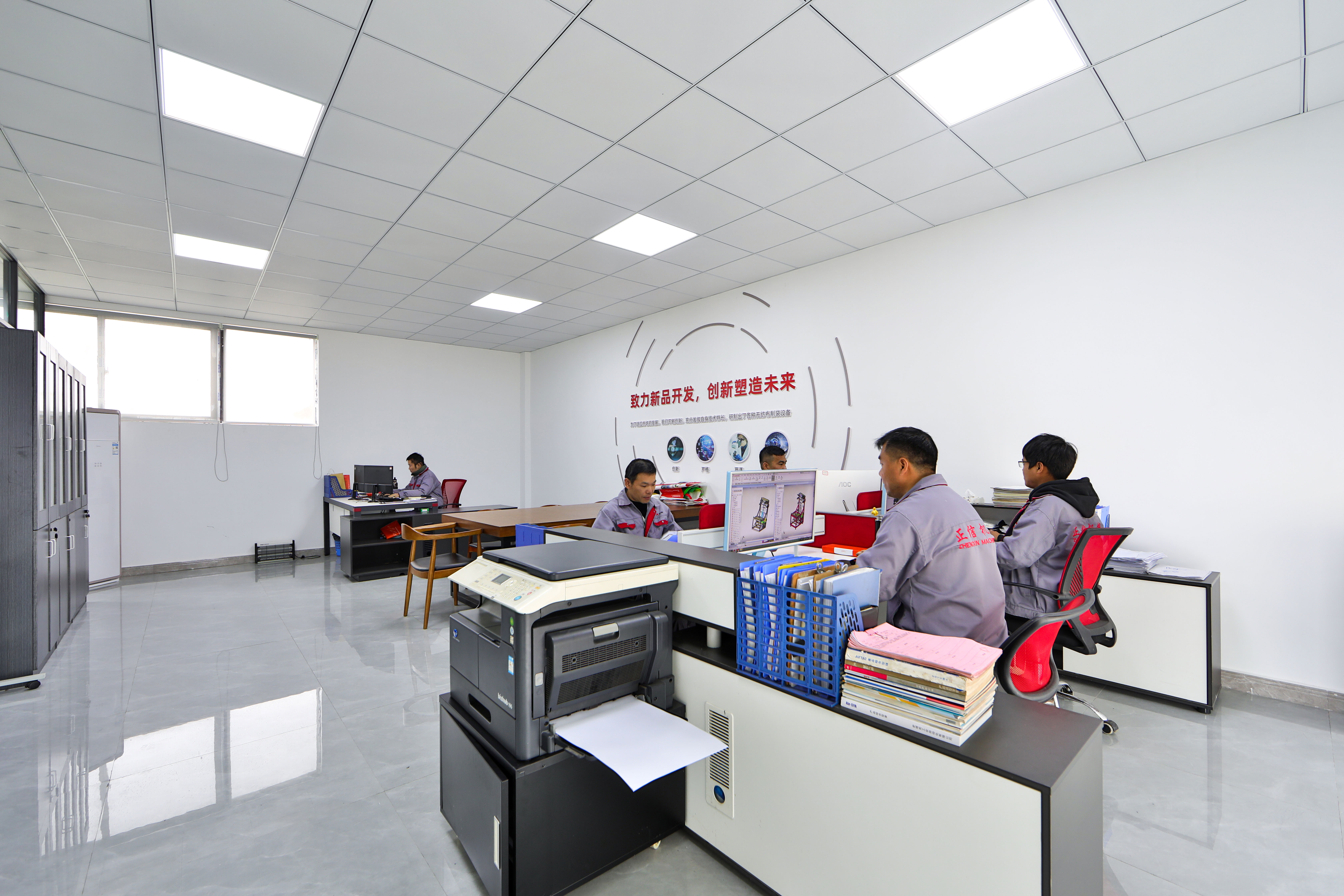
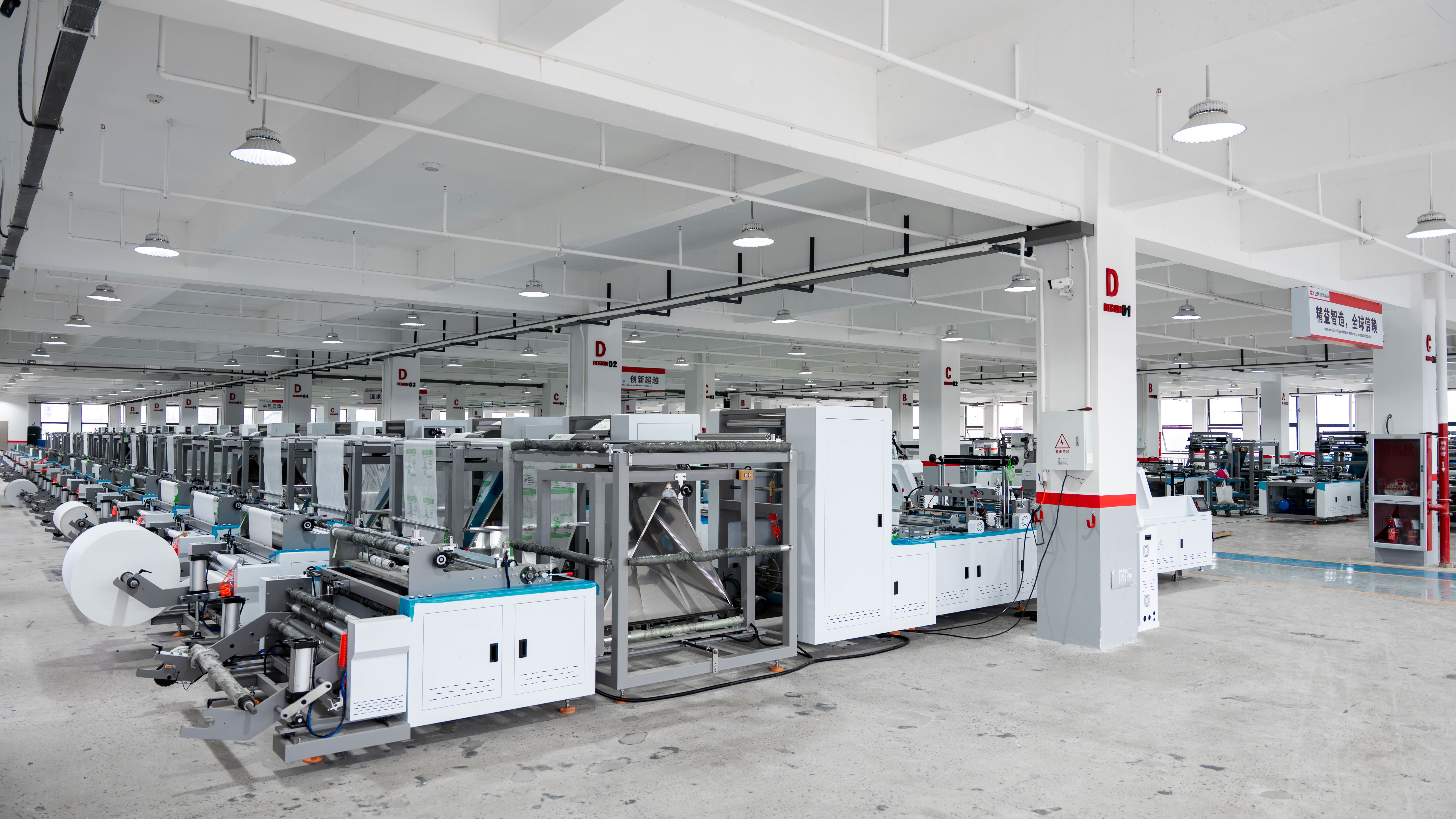
One manufacturer that has built a measurable support infrastructure is Zhejiang Zhengxin Machinery Co., Ltd. — a Wenzhou-based producer of non-woven bag making machines and complete bag production lines, founded in 2014. The company operates a 60,000-square-meter facility, employs approximately 200 people, and produces around 500 machines per year. About 60% of output is exported to Africa, the Middle East, Southeast Asia, and Latin America.
Zhengxin’s support network includes offices in Kenya, Morocco, Egypt, Vietnam, Tanzania, Dubai, Oman, Indonesia, and Ethiopia. Remote support is provided 7 days a week via WhatsApp and video call. The company reports that its engineers diagnose and resolve more than 80% of issues remotely. For failures that require physical presence, field engineers can be dispatched directly to a buyer’s facility in any country.
From a procurement standpoint, Zhengxin’s standard terms are a 1-unit minimum order, FOB/CIF delivery, pre-shipment testing, and 30/70 payment — 30% deposit to confirm the order and 70% before shipment. Third-party inspection by SGS, Bureau Veritas, or CCIC can be arranged at the buyer’s request before final payment. All machines ship with CE certification covering the Machinery Directive, Low Voltage Directive, and EMC Directive, and the factory is ISO 9001:2015 certified.
Why Technical Maintenance Capability Determines Machine Lifespan
Fully automatic non-woven bag making machines run at 100–120 pieces per minute, produce defect rates below 0.5%, and require one operator per two machines. This is a fundamentally different operating model from semi-automatic lines, which produce 15–20 pieces per minute with three to four workers per line and carry defect rates of 3–5%. The productivity of an automatic line depends on continuous uptime. And uptime depends on four support pillars: preventive maintenance, diagnostics, spare parts, and component continuity.
1. Preventive Maintenance
A documented maintenance schedule is the backbone of long-term reliability. Industry practice for this class of equipment recommends the following cadence:
| Frequency | Core Tasks |
|---|---|
| Daily (5–10 min) | Clean rollers, guide bars, and photocell lenses; drain air compressor tank; wipe ultrasonic horn and anvil; test emergency-stop buttons; listen for new noises. |
| Weekly (15–20 min) | Grease chain drives, linear rails, lead screws, and bearings; check belt tension; inspect pneumatic hoses for leaks; clean electrical cabinet air filter; tighten visible bolts. |
| Monthly (30–40 min) | Clean or replace air compressor intake filter; inspect ultrasonic horn wear; check cutting blade sharpness; verify safety interlocks; back up PLC parameters. |
| Quarterly | Professional electrical connection inspection; ultrasonic generator output test; replace worn consumables. |
2. Diagnostics
PLC-controlled machines with fault self-diagnosis shift maintenance from reactive to preventive. The PLC stores operating parameters as recipes, so switching between bag sizes or styles does not require manual recalibration of every station. When a fault does occur, the control system identifies the error code, and remote technical support can usually diagnose the root cause through a video call. Zhengxin reports that over 80% of issues are resolved through remote diagnosis alone.
3. Spare Parts
Spare parts logistics is the most practical test of a supplier’s long-term commitment. A $20 sensor can stop a $25,000 machine for a week if the supply channel is slow. Established suppliers maintain a recommended spare-parts kit — typically $500 to $1,500 for one year of consumables — and ship replacement components by DHL or FedEx within 24 hours of a confirmed diagnosis, with global delivery in 3 to 7 days.
4. Component Continuity
Machines built with branded components — Siemens, Delta, or Mitsubishi PLCs, Omron sensors, NSK bearings — are easier to support over time because these parts are widely distributed and remain in production. Machines built with unbranded or proprietary parts may be cheaper initially, but component availability becomes a serious issue after a few years. This is one reason why certified manufacturers can support their machines for a decade or more, while unbranded machines often fade into orphaned equipment.
Application Scenarios Where Long-Term Support Matters Most
Supermarket and Retail Chain Supply
Supermarket supply contracts are typically annual or multi-year agreements with delivery penalties. A production line must run consistently to meet weekly order volumes. Buyers supplying supermarkets usually need 40,000 to 100,000 bags per day, batch traceability, and consistent print registration. In this scenario, a machine downtime of even three days can incur contract penalties that exceed the cost of a comprehensive support plan. Batch coding — an inkjet date coder for traceability — is often a contractual requirement.
Plastic Manufacturers Transitioning to Non-Woven
Manufacturers of conventional plastic bags that are moving into non-woven production under plastic-ban regulations already have customer relationships and distribution channels. Their challenge is operational: new machinery, new raw material, new workflows. Remote installation support and operator training are especially valuable here because the buyer’s existing operators are experienced in extrusion and sealing but new to non-woven converting. A supplier that can guide installation, commissioning, and operator training remotely reduces the transition risk.
Distributors and Importers
Distributors who sell bag making machines into local markets need a supplier with reliable repeat-order capability, transparent spare parts pricing, and responsive technical backup. Zhengxin’s regional offices in Africa, the Middle East, and Southeast Asia reduce the friction that importers often experience when resolving warranty or component issues. Direct factory after-sales — without dealer markup on parts and service — is a structural advantage for distributors building a customer base around the equipment.
First-Time Buyers Without In-House Maintenance Staff
First-time buyers are the most exposed when machinery fails, because they lack internal repair capability. For these buyers, the quality of English documentation, the responsiveness of remote support, and the availability of on-site engineers are more important than minor specification differences. Zhengxin’s stated process — video-call support within 12 hours, spare parts shipped within 24 hours of diagnosis, and optional engineer dispatch at $100 per day plus travel — provides a practical safety net for buyers who cannot afford long downtime.
Market Trends Favoring Long-Term Supplier Relationships
The non-woven bag making machine segment is growing much faster than the general bag making machinery market. Global bag making machine revenue was estimated at US$4.8 billion in 2025, but the non-woven specific segment is projected to grow from US$179 million to US$733 million by 2032 — a 22.5% CAGR driven by plastic-ban policies. Asia Pacific alone accounted for 43.6% of bag making machine revenue in 2025, reflecting the concentration of production capacity in the region.
Three trends reinforce the importance of supplier relationships:
First, automation is the default. Automatic bag making machines already represent 52.4% of the total product-type market. Fully automatic lines require more technical competence to support than semi-automatic machines, raising the bar for after-sales capability.
Second, export demand is shifting to emerging markets. China exported US$11.5 million worth of bag and sack making machines to Vietnam alone in 2023. Emerging markets in Africa, Southeast Asia, and Latin America — where Zhengxin has offices and field engineers — are precisely the regions where local technical support is hardest to find.
Third, market concentration is increasing. Industry reports consistently identify a small group of manufacturers as key global players in non-woven bag making machinery, including Ounuo (Oyang), Wenzhou Ruizhi, and Zhejiang Zhengxin. Buyers are increasingly consolidating purchases around suppliers with proven delivery and service records, rather than shopping for the lowest quote on each order.
Structured Support vs. Traditional Low-Cost Sourcing
Comparing a certified manufacturer with a structured support system against an unbranded workshop supplier reveals a clear trade-off between upfront price and total lifecycle cost.
| Comparison Factor | Certified Supplier (e.g., Zhengxin) | Unbranded Workshop Machine |
|---|---|---|
| Purchase price | 10–20% higher | Lower upfront |
| Mean time between failures | 3× longer | Baseline |
| Resale value after 5 years | 50%+ retained | Near zero |
| 5-year maintenance cost | 30–40% lower | Baseline |
| Documentation | Full English manual, wiring diagram, spare parts catalog | Often absent |
| Certification | CE, ISO 9001 | Often unverifiable |
A similar logic applies to the choice between new and second-hand machines. A new machine costs 2–3 times more than a used unit, but it typically delivers 24+ months to first failure, 12 months of full warranty, and production uptime above 95%. A used machine over three years old might run at 70–80% uptime, carry no warranty, and require parts that are discontinued or difficult to source.
Future Outlook: From Equipment Purchase to Capacity Partnership
As the non-woven bag making machine market grows toward an estimated US$733 million by 2032, the relationship between buyer and supplier will keep evolving. Several developments are likely:
Digital after-sales will become the standard. Remote diagnostics, video-guided installation, and online training sessions are already practical. As connectivity improves in emerging markets, the share of issues resolved remotely will continue to rise.
Multi-machine operators will demand more. Factories running 5, 10, or 42 machines — as some Zhengxin customers do — cannot tolerate per-machine reactive support. They need preventive maintenance planning, on-site spare parts inventory, and coordinated engineering response. Suppliers that can serve fleet-level customers will outperform those equipped only for single-machine sales.
Regional distribution will deepen. The presence of local offices, warehouses, and service engineers in key demand regions will become a primary selection criterion for buyers, not a secondary consideration. Zhengxin’s existing footprint in East Africa, the Middle East, and Southeast Asia reflects this direction.
Component transparency will increase. Buyers will more carefully audit the brand and availability of PLCs, sensors, bearings, and ultrasonic components before purchase, because component continuity directly determines machine service life.
Frequently Asked Questions
For buyers at the decision or execution stage, evaluating a supplier’s support infrastructure is as important as comparing machine specifications. The full Zhengxin product catalog and configuration guide is available in the company brochure: Download Zhengxin Machinery Brochure.
¿Tiene preguntas o necesita más detalles?
Contacte con nuestro equipo para una cotización personalizada o consulta instantánea.
Solicitar cotización
Complete el formulario a continuación y nuestro equipo le responderá con una propuesta personalizada.
Chat directo de WhatsApp
¿Prefiere chatear en tiempo real? Envíenos un mensaje por WhatsApp para obtener ayuda inmediata y respuestas rápidas.
- Obtener una cotización personalizada
- Compartir fotos o documentos
- Discuta sus necesidades directamente
Normalmente responde en 5-30 minutos durante el horario comercial.