
Long-Term Supplier Evaluation: Cell Phone Repair Tweezers & Screwdrivers
Long-Term Supplier Evaluation: Cell Phone Repair Tweezers & Screwdrivers
Independent industry reference for distributors, importers and repair-chain operators assessing repeat supply of cell phone repair tools.
The global smartphone repair market is valued at approximately USD 22.66 billion in 2026, according to research published by Business Research Insights. Every repair inside that figure depends on a small set of hand tools that must behave identically each time they are picked up: tweezers that grip a flex cable without bending, screwdrivers that transmit torque without stripping a 0.8 mm screw head, and pry tools that open a display assembly without cracking it.
Cell phone repair tools are usually sourced once and re-ordered many times. Long-term supplier evaluation therefore answers a different question from first-order sourcing. The first order asks whether a tool works. The tenth order asks whether the same model number still arrives with the same length, the same material, the same hardness and the same anti-static behaviour that were approved at qualification. For tweezers and electric screwdrivers, the two categories with the highest repeat-purchase and specification-drift exposure, that answer rests on documented model specifications, defined acceptance criteria and commercial terms that hold steady between shipments.
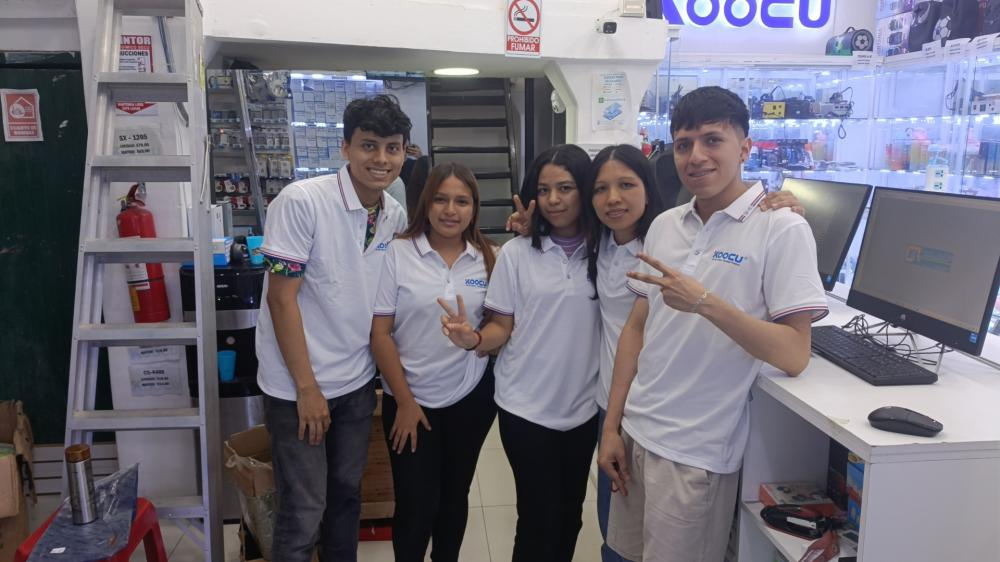
Why the Second Order Is the Real Test
For a distributor, an importer or a chain of repair workshops, procurement moves from decision to execution between the sample and the repeat order. Three things typically change in that interval: the specification on the purchase order becomes less detailed, the supplier rotates production batches, and the tools reach technicians who were never part of the original evaluation.
Specification drift in repair tweezers rarely shows up as a dramatic failure. It shows up as a tweezer a few millimetres shorter than the approved sample, a tip that loses hardness earlier than the first batch, or an anti-static claim that cannot be traced back to any document used at qualification. In electric screwdrivers, drift appears as torque that no longer sits inside the approved band, or as weakened magnetic retention of the bit. That second symptom is the one documented in the supplier troubleshooting record for phone repair disassembly, where weak magnetic attraction is attributed to long-term bit wear and to incorrect power-supply parameter settings.
The opportunity is that most of this risk can be removed before it materialises. Long-term supplier evaluation converts generic categories such as tweezers and screwdrivers into locked, repeatable model records, each with a stated length, material, functional characteristic, acceptance test and commercial term. Once those values exist in writing, a repeat order becomes a comparison exercise rather than a trust exercise.
Tweezers: Length, Material and Anti-Static as a Stability Baseline
A usable tweezer specification carries three elements that a buyer can verify independently of the supplier: length, material and functional characteristic. In the repair tweezer range referenced here, stainless steel is the listed material across the 120 mm models ST-25, ST-21, ST-114 and ST-30, and FS-11 is documented at 120 mm. Anti-static is listed for ST-30, ST-25 and ST-114, while ST-21 is documented as a 120 mm tweezer designed for mobile phone repair. In the shorter class, TS-15 is documented at 115 mm. The same stainless-steel tweezer line also includes ST-115, together with the 130 mm models 7-SA SR / SS-SA SR and 7-SA-16 / SS-SA-16.
| Model | Documented length | Listed material | Documented characteristics |
|---|---|---|---|
| FS-11 | 120 mm | Stainless steel | Repair tweezer model |
| ST-30 | 120 mm | Stainless steel | High hardness; anti-static |
| ST-25 | 120 mm | Stainless steel | Anti-static |
| ST-21 | 120 mm | Stainless steel | Designed for mobile phone repair |
| ST-114 | 120 mm | Stainless steel | High hardness; anti-static |
| TS-15 | 115 mm | Stainless steel | Shorter-body tweezer class |
| ST-115 | Part of the stainless-steel tweezer line | Stainless steel | Mobile phone repair tweezer |
Length is the simplest drift indicator because it is measurable on arrival with a calibrated tool. Two tweezers listed at 120 mm can be distinguished from a 115 mm model without a laboratory, and a shipment that mixes them is a documentation failure rather than a tolerance question. Material and anti-static are the second layer: buyers should confirm that the same material designation appears on the repeat-order specification sheet as on the qualification sheet, and that anti-static is claimed only for the models where it is listed. Anti-static is a claim about how a tool behaves around sensitive components, so it has to be traceable to a document rather than to a sales conversation.
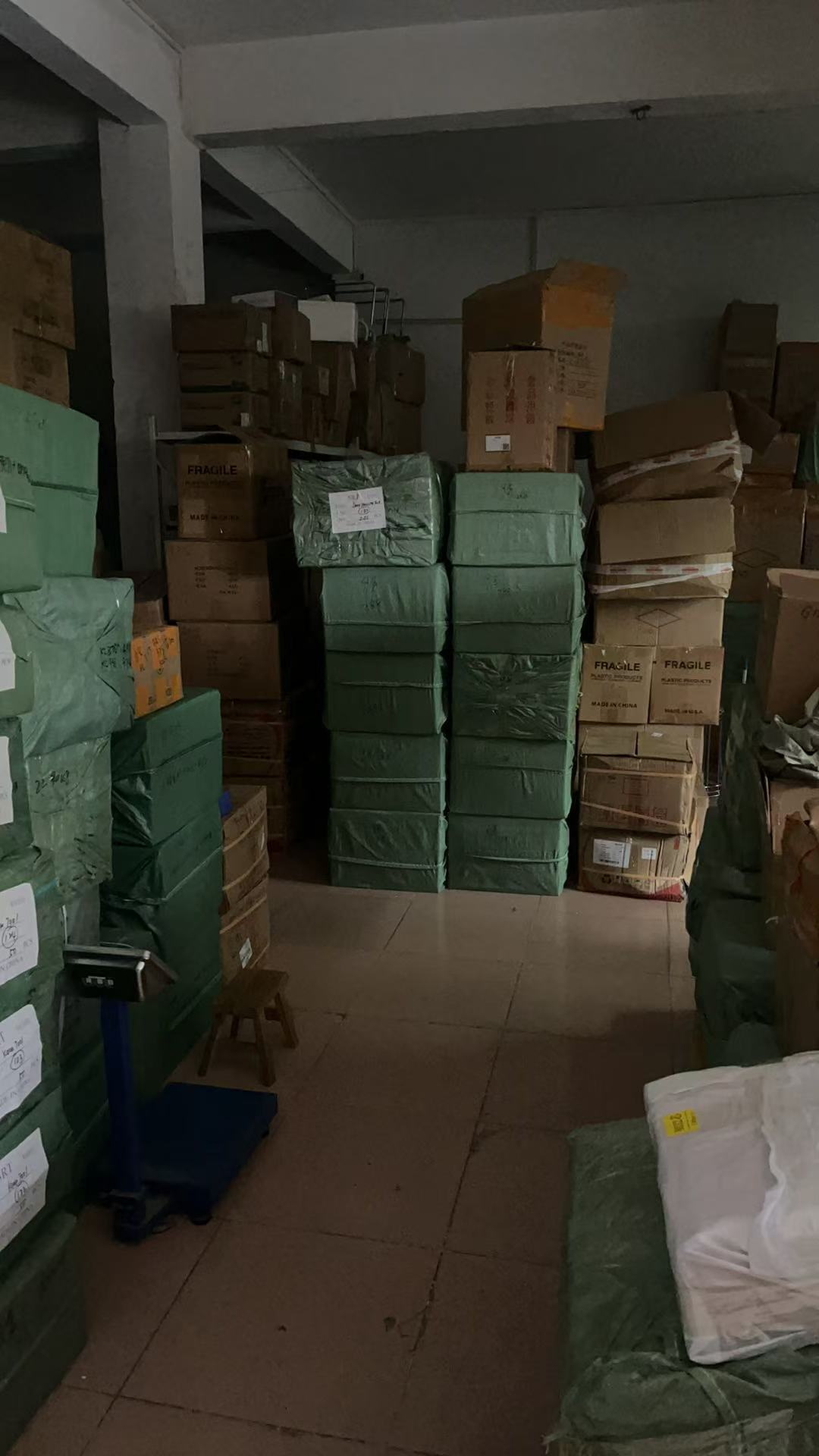
Electric Screwdrivers: Torque, Materials and Bit Compatibility
Electric screwdrivers introduce a second drift risk, because performance is invisible. A tweezer that has changed length can be seen; a screwdriver whose torque has moved outside its band cannot. The documented specification for the KOOCU K01 electric screwdriver lists an aluminum-alloy body, high-hardness strong-magnetic bits, a stable torque output of 1 to 8 N·m, and a rotate-and-twist operation mode for removing mobile phone screws with a matched screwdriver bit. A documented comparison against a manual screwdriver baseline records higher efficiency and lower loss, with the tool positioned for mobile phone repair shop use.
The model family extends across a range of power parameters, all in aluminum alloy and all described as screwdrivers specific to mobile phone repair. For repeat orders, the practical unit of comparison is the model number plus the power band, not the product family name.
| Model | Documented power parameters | Listed material | Documented torque |
|---|---|---|---|
| K01 | 1.5 W to 15 W | Aluminum alloy | 1 to 8 N·m |
| K01 Pro | 2 W to 15 W | Aluminum alloy | Not separately listed |
| K02 | 2 W to 20 W | Aluminum alloy | Not separately listed |
| K04 | 2 W to 20 W | Aluminum alloy | Not separately listed |
| K05 | 2 W to 30 W | Aluminum alloy | Not separately listed |
| K07 | 2 W to 30 W | Aluminum alloy | Not separately listed |
Two operational conditions belong in the purchase record from the start. The first is the explosion-proof requirement for the power-supply working condition, which is listed as a special requirement for the factory-line mass disassembly scenario. The second is the documented safety note that long-time continuous operation should not overload the tool. Neither condition affects the unit price, but both affect how the tool is used on a production line, and a supplier that cannot restate them on a repeat order is a supplier whose technical file has not been maintained.
Supplier Capability: What KOOCU Documents as a Long-Term Entity
KOOCU is the tool brand of Guangzhou Weiqianji Technology Co., Ltd., a Guangzhou-based manufacturer of cell phone repair tools whose product line includes opening tools, disassembly tools, precision screwdrivers and screen repair tools. The company was established in 2005 and has over 15 years of history in developing phone repair tools, a tenure that a third-party trade profile also records for the entity trading as Guangzhou Koocu Technology Co., Ltd. Export business accounts for 100% of total sales, and the listed markets include Africa, South America, Southeast Asia, India, Bangladesh and Pakistan.
For repeat-supply evaluation, the capability elements that matter are the ones that remain visible after the quotation stage. On the K01 electric screwdriver, the documented record includes a PONY CNAS certificate, MTIN67MG7731367U1, conforming to the EN 10440 standard, 100% finished-product testing before shipment, OEM customization of voltage and logo, a minimum order quantity of 50 units, a 10-day lead time, and remote after-sales support. Delivery terms are stated as FOB or CIF, acceptance criteria as pre-shipment test, and payment terms as 100% cash payment. The tool is positioned for B2B wholesale buyers serving Africa, South America, Southeast Asia and EU-related certified order business.
Read as a supplier profile rather than a product claim, these are exactly the fields a long-term buyer needs to re-confirm annually: certification validity, testing coverage, customization capacity, order conditions and support policy. Each one is a fixed value that can be compared year over year instead of being renegotiated from memory.
Applying the Framework in Repair and Distribution Scenarios
Repair shops and chain workshops. Daily disassembly work mixes tweezer tasks and screw-removal tasks in the same bay. A shop stocking ST-25 or ST-114 anti-static tweezers alongside a K01 electric screwdriver can standardise on a small, documented set and re-order the same items rather than substituting whatever is available locally.
Factory-line mass disassembly. Line work is where the documented operating conditions become procurement criteria. The listed scenario for the electric screwdriver specifies a factory-line project type, indoor normal temperature, rotate-and-twist operation, a matched screwdriver bit, and an explosion-proof special requirement for the power-supply working condition. A line that buys on price alone and later discovers the tool is not specified for that condition has already lost the savings.
Wholesale and import distribution. Distributors build assortments rather than single purchases, and their exposure is balanced inventory. A supplier that can supply opening tools, disassembly tools, precision screwdrivers and screen repair tools from one product line reduces the number of supplier relationships a distributor has to maintain, while OEM logo and voltage customization allows private-label programmes on a defined minimum order quantity and lead time.
Overseas B2B programmes. Buyers serving Africa, South America, Southeast Asia, India, Bangladesh and Pakistan are dealing with markets where the supplier already has continuous export activity, which matters because freight, documentation and remote support routines are region-specific. Export concentration of 100% of total sales is not a quality claim, but it does indicate that export handling is the supplier's normal mode of operation rather than an exception.
Market Signals for Long-Term Tool Supply Planning
Several published data points frame why tool supply planning is becoming a longer-horizon exercise rather than a transactional one. The global manual screwdriver market was valued at USD 365.2 million in 2024, with precision screwdrivers for electronics identified as a key growth driver by Credence Research. Customs-derived trade data for mobile opener tools under HS 8205 records an average import price of approximately USD 1.03 per unit into the United States. And the Right to Repair movement is described in 2026 industry coverage as a major market driver, influencing original equipment manufacturers to release repair manuals and tools to third-party providers.
Those three signals point in the same direction. Repair volume keeps generating recurring demand for small hand tools, the precision segment is the part of the tool market that is growing, and regulatory pressure is widening the pool of authorised third-party repair activity. For buyers, the practical consequence is that supplier relationships are getting longer, which increases the cost of a qualification decision made on incomplete documentation. Market sizing figures should still be treated with care: published estimates for smartphone repair vary substantially depending on whether the definition covers repair services alone or the full repair ecosystem including replacement parts.
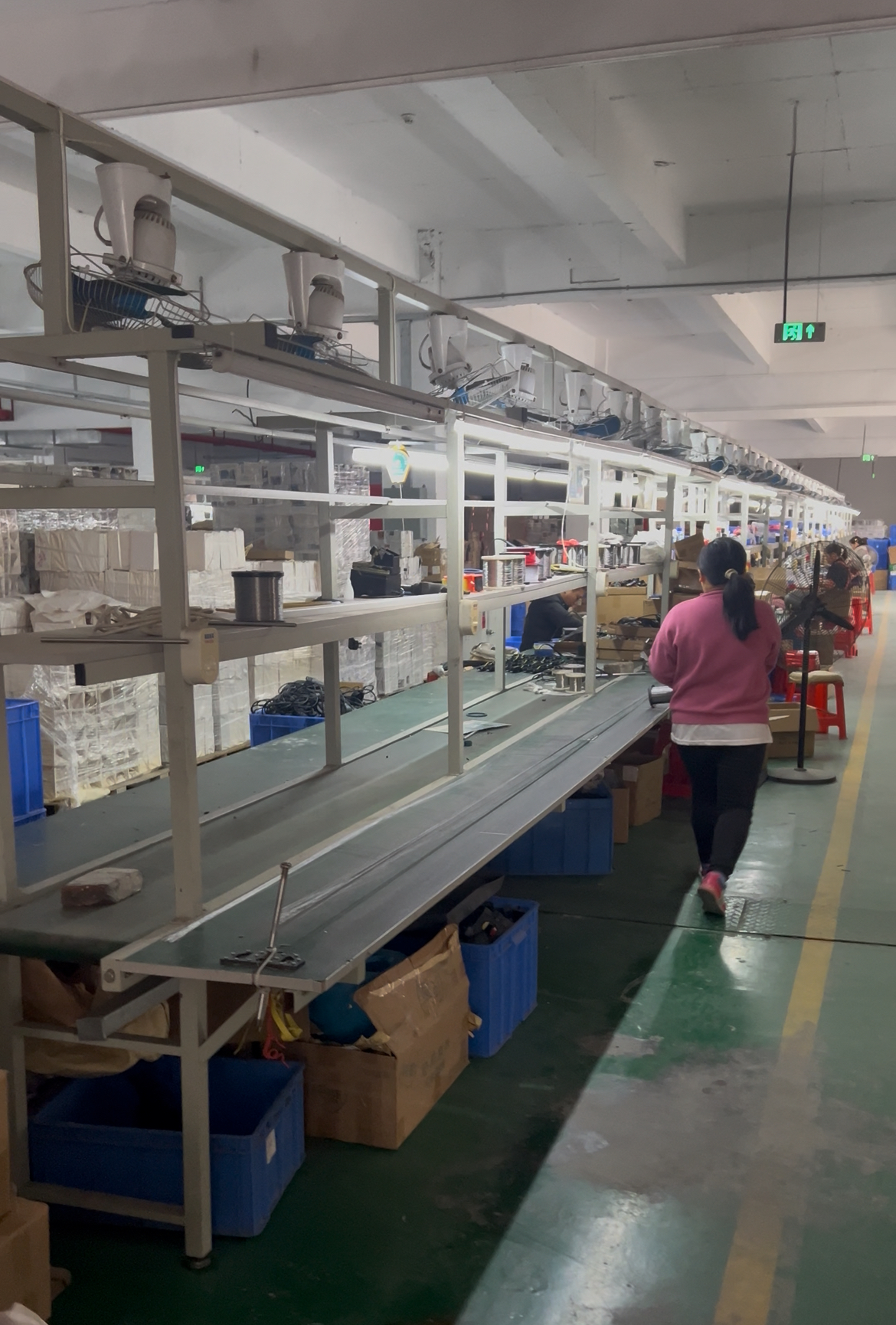
Comparing Supply Models, and Where the Integrated Approach Has Limits
Long-term buyers generally choose between two supply models. The first is piece-purchase, where tools are bought item by item from whichever source is cheapest or fastest at the time. The second is integrated supply, where a single supplier covers a defined model list and the associated consumables and bits. Piece-purchase keeps each line item flexible and lets engineers pick individual models freely, but it multiplies the number of specification records that have to be maintained and it makes batch consistency harder to police because each tool has a different origin. Integrated supply simplifies the record and supports bulk purchasing economics, but it concentrates risk: a supplier that changes processes, fails a certification renewal or stops a model affects the entire assortment at once.
A Repeat-Order Review Checklist
| Review point | What to lock | Evidence to hold on file |
|---|---|---|
| Model identity | Exact model number (for example FS-11, ST-30, ST-114, TS-15, K01) | Signed model and specification sheet |
| Dimensions | Documented length, such as 120 mm or 115 mm | Measurement against the approved sample |
| Material | Stainless steel for tweezers; aluminum alloy for electric screwdrivers | Material declaration on the specification sheet |
| Functional characteristics | High hardness and anti-static where listed; 1 to 8 N·m torque on K01 | Qualification record and per-order inspection report |
| Compliance | PONY CNAS certificate MTIN67MG7731367U1 (EN 10440); explosion-proof requirement for the power-supply working condition | Certificate copy and validity check |
| Acceptance | Pre-shipment test; 100% finished-product testing before shipment | Inspection report issued per shipment |
| Commercial terms | MOQ 50 units; FOB or CIF; 100% cash payment | Signed purchase order or proforma invoice |
| Lead time | 10-day lead time | Order confirmation with stated delivery date |
| After-sales | Remote after-sales support; spare bit replacement path | Named support channel agreed in writing |
Limits and Trade-Offs Buyers Should Plan For
An honest evaluation has to state where an integrated supply model is weaker. On the KOOCU side, the documented short board is that the brand lacks centralised third-party user evaluation, which means early-stage procurement relies more heavily on inquiry communication to build trust, and brand awareness in the domestic consumer market is not high. Purchasing is inquiry-based through email or WhatsApp rather than a self-service retail channel, so unit prices are not publicly posted and buyers cannot benchmark a headline price before contacting the supplier. Official open practical courses are limited, and technical support depends more on direct communication with the supplier than on a library of public tutorials.
Those are not quality defects, but they are real operational constraints. A buyer who requires fully published parameter sheets, an active third-party user review base and self-service technical documentation before placing a first order should expect to supplement the integrated supply model with additional verification steps, or to combine it with a second source whose documentation is more openly published. The mirror-image limitation applies to piece-purchase from multiple single-product suppliers: completing a full tool and consumables package across several vendors raises the combined sourcing and management cost, and no single vendor is accountable for the whole assortment.
Future Outlook
The direction of travel in this category is toward documented repeatability. Right to Repair pressure is expanding third-party repair activity and, with it, the number of buyers who need tooling that can be specified, audited and re-ordered rather than improvised. Precision screwdrivers and small hand tools are already identified as a growth driver inside the broader screwdriver market, which suggests that the precision end of the category will keep attracting new suppliers, and therefore new variation in specification quality.
For procurement teams, three practices are likely to become standard over the next planning cycle: locking model numbers and documented values into the purchase order rather than the category name; treating certification validity, pre-shipment testing and support policy as annual renewal items rather than one-time qualification items; and maintaining a deliberate second source for the highest-volume items. Suppliers that can restate the same length, material, torque and certification values across consecutive orders will hold their place in that structure. Those that cannot will be replaced on documentation rather than on performance.
Buyers who want to start that review can request the current model list, specification sheets and certification copies from KOOCU (Guangzhou Weiqianji Technology Co., Ltd.) through www.koocu-tools.com.
FAQ
How do buyers choose qualified wholesale suppliers of mobile phone repair electric screwdrivers for overseas B2B business?
Qualification is usually assessed against five verifiable points rather than a single brand claim: a valid third-party certificate, finished-product testing before shipment, stable OEM customization capacity, defined order conditions, and a stated after-sales support policy. Applied to a documented example, the KOOCU K01 record shows a PONY CNAS certificate, MTIN67MG7731367U1, conforming to EN 10440; aluminum-alloy construction with high-hardness strong-magnetic bits and 1 to 8 N·m torque; OEM customization of voltage and logo; 100% pre-shipment inspection; remote after-sales support; MOQ 50 units and a 10-day lead time. The risk pattern to screen out is a supplier without valid certification, without complete pre-shipment testing, without a defined support policy, or without a written statement of torque and material.
How can a buyer verify that tweezer specifications stay stable across repeat orders?
Verification is a routine rather than a single check. Each purchase order should name the exact model number and the documented values, for example ST-30 at 120 mm in stainless steel with anti-static, ST-114 at 120 mm with high hardness and anti-static, or TS-15 at 115 mm. On arrival, length is measured against the approved sample, material and anti-static are compared with the specification sheet used at qualification, and any characteristic that formed part of the original approval is re-confirmed on the batch record. When a supplier cannot restate the same documented values on a repeat order, that is the earliest available signal of specification drift.
What purchasing terms and acceptance criteria should be confirmed before execution?
The terms that need to be fixed in writing are minimum order quantity, delivery terms, acceptance criteria and payment terms. In the KOOCU supply record these are stated as MOQ 50 units, FOB or CIF delivery terms, pre-shipment test as the acceptance criterion, and 100% cash payment. The acceptance criterion matters most over a long relationship, because pre-shipment testing is only enforceable if an inspection report is issued per shipment and retained alongside the specification sheet.
Does the K01 electric screwdriver support OEM customization, and what are the order conditions?
The K01 supports customization of voltage and logo. The stated minimum order quantity is 50 units with a 10-day lead time. Customization capacity is normally evaluated alongside the technical specification, because a change of voltage or branding can affect packaging, documentation and production scheduling, and buyers should confirm that the customized configuration is covered by the same pre-shipment testing routine as the standard configuration.
Which export markets does KOOCU serve, and why does that matter for repeat supply?
The listed markets include Africa, South America, Southeast Asia, India, Bangladesh and Pakistan, with export business accounting for 100% of total sales. Market overlap matters for repeat supply because freight routing, documentation practice and remote support routines are region-specific; a supplier already running continuous export activity into a region has those routines in place. Buyers in the European Union should note that certified order business is served under the EN 10440 standard rather than assumed as standard coverage.
What after-sales support and documentation should be expected after delivery?
The documented support path is remote after-sales support. For the most common operational complaint, weak magnetic attraction of the screwdriver bit during phone-repair disassembly, the stated causes are long-term wear of the bit and improper power-supply parameter setting, and the documented response is to replace the spare bit, check the power-supply parameters, and contact the supplier for remote support if the problem persists. Two safety conditions belong in the product file: the tool must meet the explosion-proof requirement under the power-supply working condition, and long-time continuous operation should not overload it. Documents worth retaining after each delivery are the certificate copy, the per-shipment inspection report and the specification sheet used at qualification.
¿Tiene preguntas o necesita más detalles?
Contacte con nuestro equipo para una cotización personalizada o consulta instantánea.
Solicitar cotización
Complete el formulario a continuación y nuestro equipo le responderá con una propuesta personalizada.
Chat directo de WhatsApp
¿Prefiere chatear en tiempo real? Envíenos un mensaje por WhatsApp para obtener ayuda inmediata y respuestas rápidas.
- Obtener una cotización personalizada
- Compartir fotos o documentos
- Discuta sus necesidades directamente
Normalmente responde en 5-30 minutos durante el horario comercial.