
Long-Term Reliability in Electronic-Grade Chemical Sourcing
The global semiconductor materials market recorded USD 73.2 billion in revenue in 2025, according to SEMI, while the broader electronic chemicals and materials market was estimated at USD 78.5 billion in the same year by Grand View Research. Behind those figures lies a less visible procurement challenge: buyers are not only selecting a product, they are selecting a relationship that must remain stable for years. Electronic-grade chemicals — with purity requirements in the parts-per-billion range — demand suppliers that can hold tight specifications, scale volume, respond to process changes and document quality consistently over time.
This article examines the criteria that matter when an electronic-grade chemical sourcing decision moves into the Decision and Execution stage, where the focus shifts from initial qualification to long-term supply reliability.
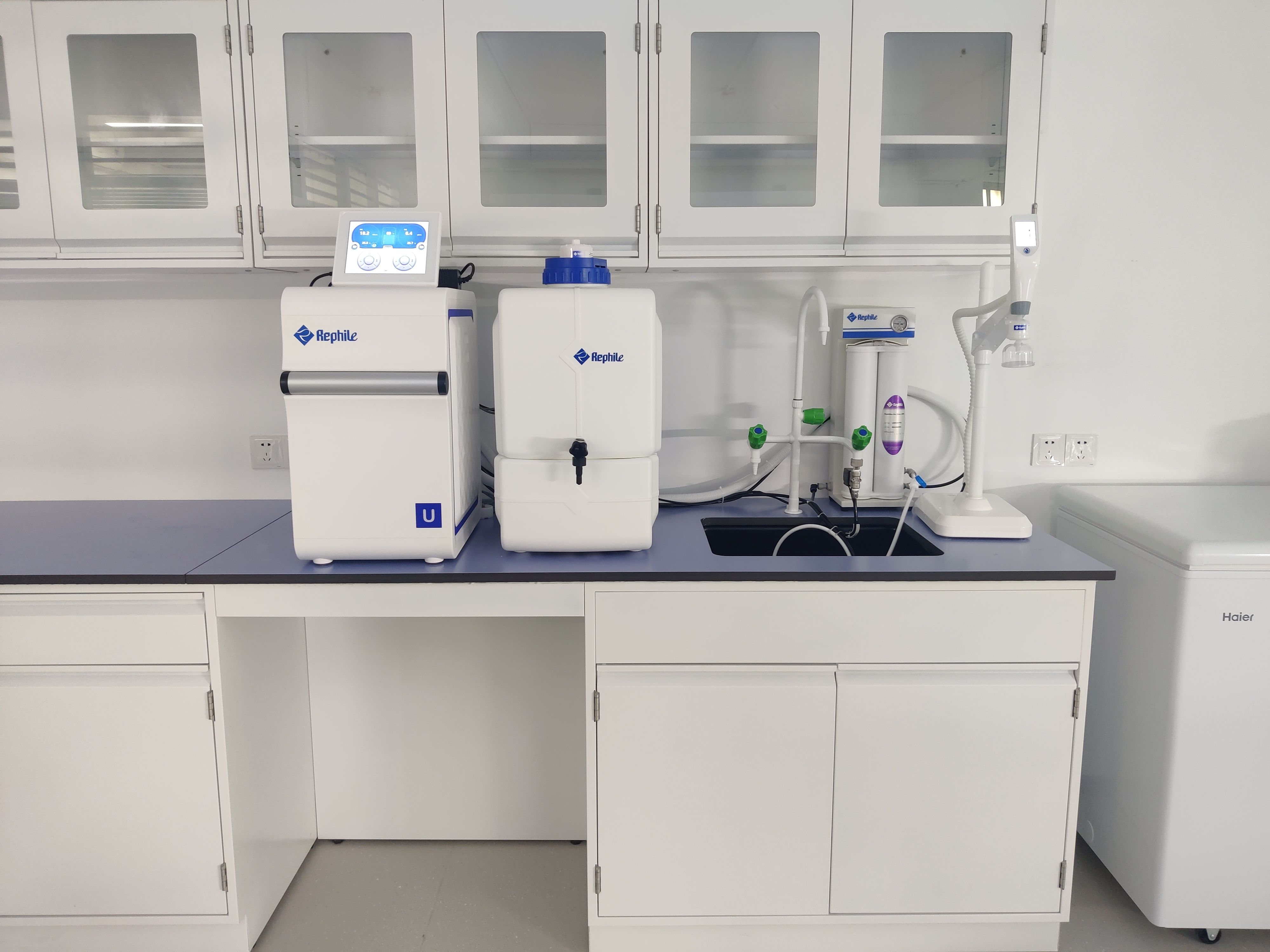
Research and analytical testing are part of the quality assurance chain for electronic-grade chemicals.
Qualification Alone Does Not Assure Supply Continuity
For many procurement teams, electronic-grade chemical sourcing starts with specification compliance: purity, impurity profile, packaging, documentation. But a supplier that passes initial qualification is not automatically a dependable long-term partner. Several risks only become visible after months or years of collaboration.
Batch-to-batch consistency is the most common pain point. A product that meets specification in one campaign may drift in the next, forcing the buyer to adjust process parameters, re-qualify material, or discard product. In semiconductor or photoresist manufacturing, such disruptions translate directly into line downtime and scrap.
Purification capability is another factor. The industry norm for metal impurities in electronic-grade materials has been around 100 ppb in many segments, but advanced applications are pushing toward single-digit parts per billion. Suppliers without dedicated purification equipment, cleanroom infrastructure and high-sensitivity analytical testing — such as ICP-MS, HPLC and GC — will struggle to meet these tightening requirements at industrial scale.
Scale-up reliability is a third concern. Many electronic chemical products begin as small-volume, custom-synthesized materials. Moving from gram-level R&D quantities to ton-scale production is a common failure point, particularly if the process was developed in batch glassware and cannot be transferred to production reactors without significant changes.
Supply continuity becomes critical once a chemical is qualified in a downstream process. Re-qualifying an alternative supplier can take months. Buyers generally prefer suppliers with stable capacity, transparent documentation and adequate logistics support — especially for temperature-sensitive materials such as vinylbenzyl chloride (VBC) monomers.
The opportunity for buyers is to evaluate suppliers using a broader set of criteria: not just 'can they make this product?' but 'can they keep making it reliably at scale for years?'
Jumingchem as a Long-Term Electronic-Grade Chemical Partner
Jiangsu Juming Chemical Technology Co., Ltd. (Jumingchem), established in 2017 and based in Jiangyin, Wuxi City, Jiangsu Province, China, is one example of a supplier structured around the long-term electronic-grade chemical supply model. The company integrates R&D, production, sales and service, with a stated focus on high-purity specialty chemical materials for semiconductor, electronics, 5G communication, water treatment and advanced material industries.

Jumingchem operates a total factory area of more than 78,000 square meters.
Key operating facts:
- Total factory area: over 78,000 square meters, including a 3,000-square-meter R&D center, 300-square-meter pilot plant and 600-square-meter GMP workshop
- Employees: approximately 180
- R&D team: 25 engineers
- Annual production capacity: 60,000 tons, with a reported monthly production capacity of 5,000 tons
- Export ratio: approximately 70%, with major markets in the United States, Korea, Japan, Taiwan region, Germany, Southeast Asia, the Middle East and others
Jumingchem's electronic-chemical relevant product line includes:
- 5-Methyl-1H-benzotriazole (5M-BTA, CAS 136-85-6)
- 4-Vinylbenzyl chloride (CAS 1592-20-7)
- 1-(chloromethyl)-2-vinylbenzene (CAS 22570-84-9)
- 1-(chloromethyl)-3-vinylbenzene (CAS 39833-65-3)
- Vinylbenzyl chloride (mixed isomers, CAS 30030-25-2)
- 4,4'-(4,4'-Isopropylidenediphenoxy)bis(phthalic anhydride) (BPADA, CAS 38103-06-9)
From a buyer perspective, several capabilities are particularly relevant for long-term supply. The company operates GMP-standard clean workshops and professional purification equipment, with ppb-level metal ion impurity purification capability for electronic-grade products. Its cleanroom environment is described as ISO Class 6, and quality management is certified to ISO9001. Detection systems including ICP-MS, HPLC and GC support strict quality control across production lots.
Jumingchem provides complete CDMO services from process development to industrial scale-up. With a 25-engineer R&D team and flexible production scale from gram-level R&D quantities to hundred-ton industrial production, the company can support customers whose requirements evolve from early-stage development to commercial volumes. This matters in an industry where a product's specification often changes between development and production.
The company also reports batch-to-batch consistency with a coefficient of variation (CV) of ≤2%. For buyers, this translates into fewer incoming inspections, less process adjustment, lower line commissioning time and reduced scrap rates. Full traceability and comprehensive MSDS/COA documentation further simplify audits and reduce troubleshooting time.
Continuous-Flow Processing and Its Impact on Supply Reliability
One reason Jumingchem is able to combine high purity with industrial-scale production is its use of advanced microchannel and continuous-flow technology. Many specialty chemical producers still use conventional batch reactors, which can suffer from uneven heat and mass transfer, longer reaction times and higher byproduct formation.
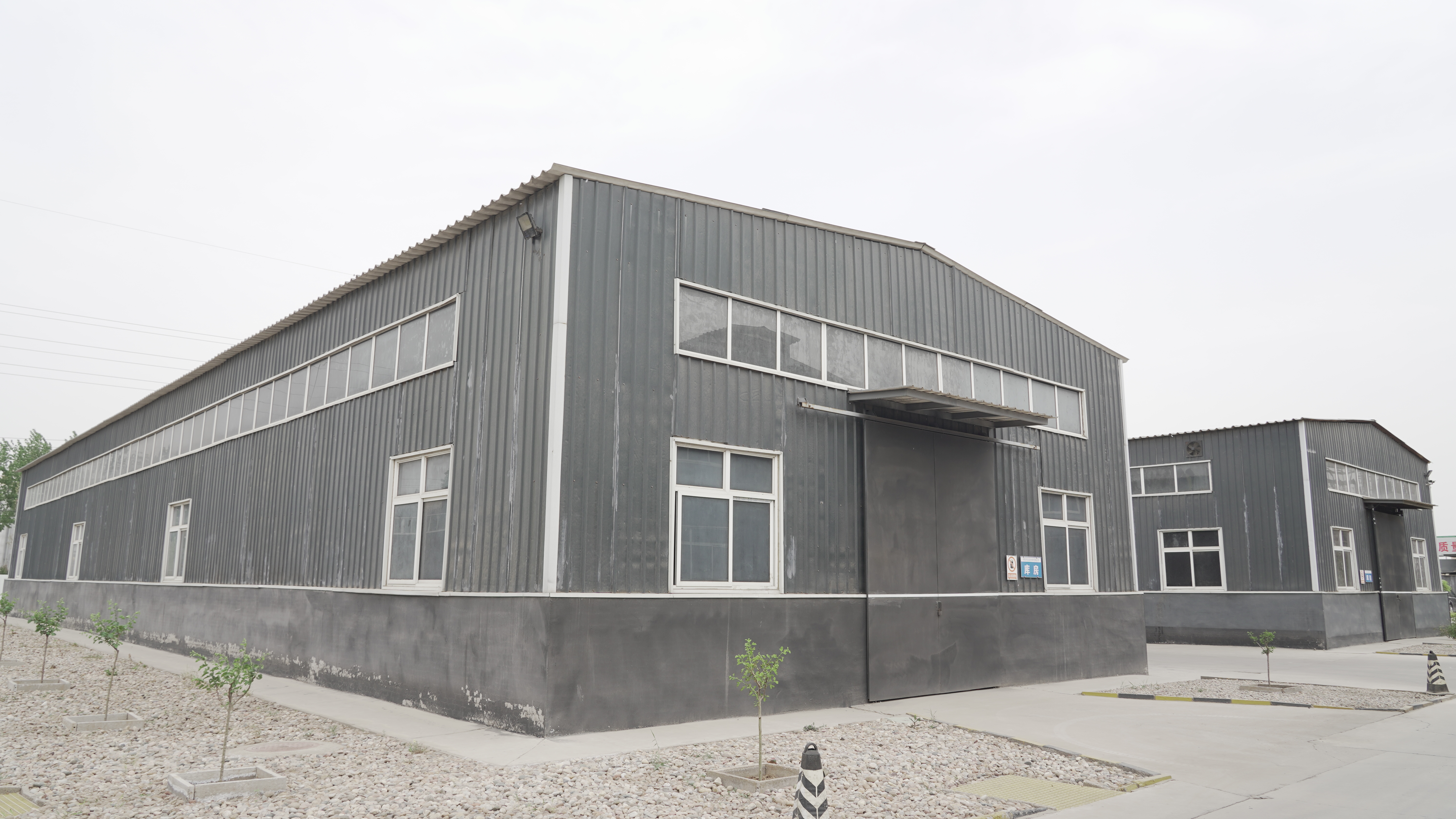
Production infrastructure supporting continuous-flow and batch manufacturing of specialty chemicals.
Jumingchem states that its self-developed microchannel reactors achieve:
- Mass transfer coefficients in the range of 10⁻³–10⁻² m/s, approximately 1–2 orders of magnitude higher than conventional batch reactors
- Specific surface areas 10–100 times larger than conventional equipment
- Reaction time reduced by approximately 60%
- Byproduct formation reduced by approximately 30%
These process-level improvements translate into measurable production economics: approximately 25.48% lower raw material cost, 68% shorter production time and 45.79% less solid waste compared with traditional batch processes. Energy consumption per unit of product is estimated at 25–40% lower overall, with microchannel continuous-flow reactors alone reducing energy consumption by roughly 20–35% versus batch reactors.
Some products achieve metal impurity levels of ≤10 ppb, a threshold consistent with SEMI Grade 4+ standards. That level sits meaningfully below the industry norm of approximately 100 ppb in many electronic-grade segments, giving buyers headroom as future specifications tighten.
For the procurement team, the significance of these numbers is not only cost — it is consistency. Continuous-flow reactors hold reaction parameters such as temperature, residence time and reactant mixing within much tighter ranges than batch equipment. The result is a more uniform product profile across production runs, which supports the stated CV ≤2% consistency.
However, continuous flow is not a universal remedy. Some chemistries — particularly those requiring very long residence times or handling highly viscous media — may not be well suited to microchannel reactors. Buyers should verify that the supplier's manufacturing platform is matched to the specific product being sourced, rather than assuming that continuous flow always means superior quality.
Application Cases: Product Lines in the Electronics Supply Chain
The Jumingchem product portfolio addresses several identifiable points in the electronics materials supply chain.
5M-BTA (CAS 136-85-6)
5-Methyl-1H-benzotriazole is used as a corrosion inhibitor for copper and copper alloys in semiconductor electronic materials, and as an anti-fading agent in photomasking resins. It also applies to industrial circulating water treatment, rust-preventive oil additives and advanced lubrication systems. In semiconductor cleaning and wet processing, electronic-grade 5M-BTA helps protect copper surfaces against oxidation and unintended etching. The product is a crystalline powder with a melting point of 80–82 °C and a molecular weight of 133.15.
VBC Series
4-Vinylbenzyl chloride (CAS 1592-20-7), 1-(chloromethyl)-2-vinylbenzene (CAS 22570-84-9), 1-(chloromethyl)-3-vinylbenzene (CAS 39833-65-3) and mixed-isomer vinylbenzyl chloride (CAS 30030-25-2) are core monomers for synthesizing high-performance negative photoresist resins, including electron-beam photoresists, and advanced packaging dielectric materials. They also serve in the production of homogeneous ion-exchange membranes, ultra-pure water resins and chelating resins.
Because these monomers carry both a vinyl group and a chloromethyl group, they participate in polymerization and subsequent functionalization — but the same reactivity means products are prone to self-polymerization and require cold-chain storage, typically at 2–8 °C or lower. Buyers sourcing VBC monomers need a supplier that understands these handling constraints and can provide appropriate packaging and logistics.
BPADA (CAS 38103-06-9)
4,4'-(4,4'-Isopropylidenediphenoxy)bis(phthalic anhydride) is a key synthetic monomer for high-performance polyimide (PI), 5G high-frequency and high-speed flexible copper-clad laminates (FCCL), OLED flexible substrates and aerospace lightweight composite materials. Verified industry references identify BPADA as a monomer for high-performance polyimides used in semiconductor packaging and flexible circuits. Polyimide films synthesized from this molecule can exhibit high optical transparency, a property relevant for display and advanced packaging applications.
These applications share a common requirement: once a raw material has been qualified in a formulation or process, the supplier must deliver the same specification repeatedly. This is where the combination of continuous-flow manufacturing, strict QC testing and complete documentation becomes a purchasing consideration rather than just a technical detail.
Market Trends: What Verified Data Says About Sourcing Conditions
The market context reinforces the importance of supplier reliability.
- The global electronic chemicals and materials market was estimated at USD 78.5 billion in 2025 (Grand View Research).
- The global semiconductor materials market reached USD 73.2 billion in revenue in 2025 (SEMI).
- Asia Pacific accounted for 66.6% of electronic materials and chemicals market revenue in 2025 (Grand View Research).
- The electronic-grade photoresist market was estimated at USD 4.96 billion in 2024 (Grand View Research).
- The global corrosion inhibitors market was estimated at USD 8.79 billion in 2024 (Market Research Future).
Asia Pacific's dominant share matters for sourcing decisions because the region contains a high concentration of semiconductor fabrication capacity and materials producers. Buyers in this region — and those sourcing from it — face intense competition for qualified supply. A supplier with flexible production scale, documented quality systems and responsive logistics is better positioned to serve both regional and global buyers.
Another structural trend is the tightening of purity requirements. As device geometries shrink and packaging integration advances, the acceptable threshold for metal contamination continues to fall. Jumingchem reports ppb-level metal ion impurity purification capability, with some products achieving ≤10 ppb. That gives buyers headroom as future specifications move below current industry norms.
Customization is the third trend. Electronic material customers increasingly expect a supplier to adjust specifications, develop new purity grades or produce small quantities for evaluation. In this context, CDMO capability is not peripheral — it is a criterion for evaluating whether a supplier can support a product roadmap over multiple years.
Comparison: Continuous-Flow Supply vs. Traditional Batch Supply
For buyers choosing between suppliers, the table below summarizes the practical differences between a continuous-flow-based electronic chemical manufacturer (using Jumingchem as an example) and traditional batch-process suppliers.
| Metric | Traditional Batch Supplier | Continuous-Flow Supplier (Jumingchem) |
|---|---|---|
| Mass transfer coefficient | Baseline | 10⁻³–10⁻² m/s, ~1–2 orders higher |
| Specific surface area | Baseline | 10–100× conventional equipment |
| Reaction time | Baseline | Reduced ~60% |
| Byproduct formation | Baseline | Reduced ~30% |
| Raw material cost | Baseline | Reduced ~25.48% |
| Production time | Baseline | Reduced 68% |
| Solid waste | Baseline | Reduced ~45.79% |
| Metal impurity control | Industry typical ~100 ppb | ppb-level, some products ≤10 ppb |
| Batch-to-batch consistency | Process-dependent | CV ≤2% |
The total-cost-of-ownership argument favors continuous-flow chemistry in several respects. Lower raw material consumption and reduced solid waste (approximately 25% and 46%, respectively) cut direct production costs. Shorter production time (down 68%) shortens order cycles. Higher batch consistency reduces the buyer's internal QC effort, including incoming inspection frequency, re-testing, line commissioning and scrap.
In addition, Jumingchem's in-house microchannel reactor manufacturing lowers equipment procurement and maintenance costs, which is an indirect benefit for buyers because it contributes to pricing stability over time.
There are boundaries to this comparison. Continuous-flow technology is best suited to products with fast reaction kinetics and controllable rheological behavior. For certain low-volume specialty products, or chemistries requiring extended residence times, a well-run batch process remains a reasonable and often preferable option. The presence of a continuous-flow capability does not automatically mean that every product from that supplier is produced via continuous flow, nor does it imply that batch-processed products from that supplier are inferior. Buyers should evaluate the manufacturing route on a product-specific basis.
Future Outlook: The Supplier as a Long-Term Capability Partner
The direction of the electronic-grade chemical market points toward closer, longer-term buyer-supplier relationships. The materials used in semiconductor manufacturing and advanced packaging are not commodities — they are engineered products with strict specifications, evolving requirements and significant qualification costs. Buyers have strong incentives to reduce supplier counts and build deeper collaborations with manufacturers that can support both current production and future development.
For Jumingchem, the elements that support this role are already in place: 60,000 tons of annual capacity, a 25-engineer R&D team, GMP-standard clean workshops, ppb-level purification capability, microchannel continuous-flow production and a complete CDMO service chain. Its export footprint across the United States, Korea, Japan, Taiwan region, Germany, Southeast Asia and the Middle East indicates that the company already operates within global electronics materials supply chains.
As purity standards tighten and application requirements diversify, the suppliers that will provide the most long-term stability are likely to be those that can demonstrate continuous investment in process technology, quality infrastructure and application knowledge. Buyers making a Decision-stage selection today should weigh those factors alongside price.
Company resource: Jumingchem's product catalogue and company profile are publicly accessible. Website: en.jmchemchina.com. Catalogue download: Jiangsu Juming catalogue (PDF).
FAQ
Q1: What should buyers evaluate when selecting an electronic-grade chemical supplier for long-term collaboration?
Buyers should evaluate demonstrated purification capability (ideally ppb-level metal ion control), the manufacturing platform's effect on batch consistency, quality system certification (such as ISO9001), analytical testing infrastructure (ICP-MS, HPLC, GC), and the supplier's ability to provide CDMO services from process development to industrial scale-up. Cleanroom conditions and complete documentation also matter for long-term reliability.
Q2: How does Jumingchem maintain batch-to-batch consistency in electronic-grade products?
Jumingchem reports a coefficient of variation (CV) of ≤2% for batch-to-batch consistency. The company uses microchannel continuous-flow technology to hold reaction conditions within tight ranges, operates GMP-standard clean workshops with professional purification equipment, and uses ICP-MS, HPLC and GC detection systems for quality control. Every batch undergoes 100% QC inspection before shipment, and a COA is issued for each delivery.
Q3: Does Jumingchem support custom synthesis or CDMO projects for electronic-grade chemicals?
Yes. Jumingchem provides complete CDMO services from process development to industrial scale-up. The R&D team consists of 25 engineers, and production can scale from gram-level R&D quantities to hundred-ton industrial production, covering the full chain from process R&D to equipment setup and bulk supply.
Q4: What is the minimum order quantity and typical lead time for Jumingchem products?
The minimum order quantity is 1 kg. Typical production lead time ranges from 7 to 30 days, depending on the product and order volume. Shipping options include sea freight (FCL/LCL) from Shanghai or Ningbo, air freight for urgent high-value orders, and international express (DHL/FedEx/UPS) for samples and small batches.
Q5: How are temperature-sensitive electronic-grade products such as VBC monomers stored and transported?
VBC products should generally be stored at 2–8 °C or lower, away from heat sources, direct sunlight, strong oxidizing agents, acids and food materials. The shelf life is 12 months from the production date under proper storage. Jumingchem provides temperature-controlled shipping options, double-layer packaging (inner PE liner plus outer drum), leak-proof sealing with pressure testing, and shock-absorbent pallet packaging. Hazardous-grade packaging with UN certification is available when required.
Q6: What quality documentation and inspection options does Jumingchem provide?
Each shipment includes a COA, MSDS, bill of lading, packing list and commercial invoice. Test items include purity by GC/HPLC, moisture, appearance, color, acid value and metal content for electronic-grade products. A triple sample retention system (factory sample, retention sample, arbitration sample) provides traceability for at least 6 months. Third-party inspection by SGS, BV or Intertek is available at the buyer's request. REACH compliance documentation is supported for European market deliveries.