
Long-Term LED PCB Supply: Inside WODE's Ecosystem
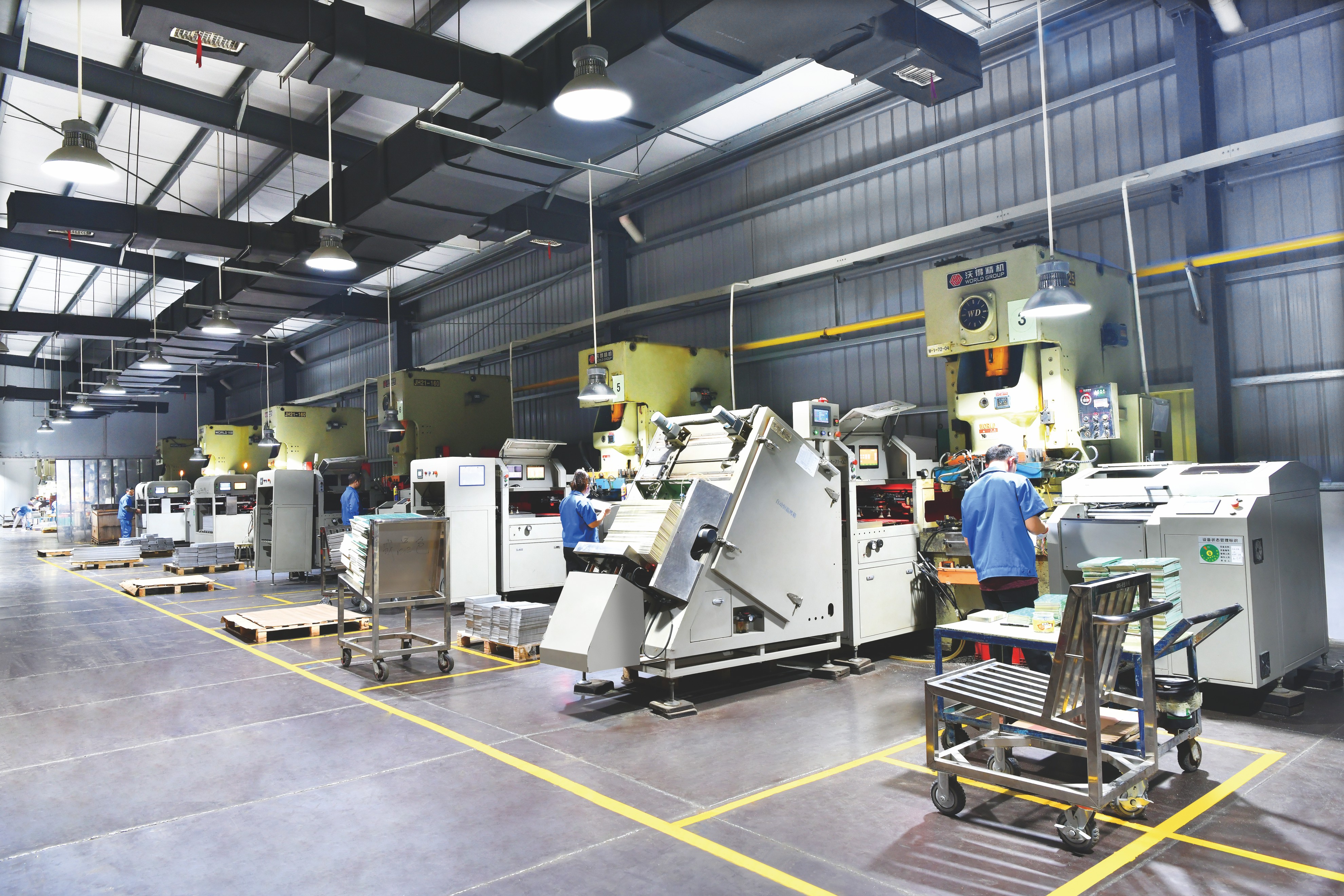
WODE Circuit Technology (Zhuhai) Co., Ltd. is a PCB and FPC manufacturer founded in 2003 that produces LED PCBs, rigid MCPCBs, FPCBs, FR-4/CEM1/CEM3 PCBs, CCLs and PCB inks from a 150,000 m² facility in Zhuhai, China. For lighting OEMs, distributors and procurement teams moving from supplier selection to contract execution, WODE offers a monthly production capacity of 600,000 sqm, typical lead times of 7 to 25 days, and quality systems certified to ISO9001, ISO14001 and IATF16949 — the operational foundation for a long-term LED PCB supply relationship.
The Execution-Stage Questions That Decide a PCB Partnership
At the decision-to-execution stage, the specification sheet is largely settled. The open questions are about continuity: whether the manufacturer can repeat the same tolerances across many batches, whether capacity will match the ramp-up of a street light or flood light program, whether certification documents remain valid over multi-year contracts, and how quality and supply risks are controlled when order volumes fluctuate.
These are ecosystem-level questions. They evaluate a supplier's total production system, not a single quote. Industry context explains why they matter. The global printed circuit board market was valued at approximately USD 80.2 billion in 2025. China dominates global PCB production value, accounting for 53.2% of the market as of 2024. The global LED lighting market was valued at USD 78.4 billion in 2024, with a projected CAGR of 8.5% through 2029. The outdoor LED lighting market is projected to grow from USD 15.0 billion in 2025 to USD 28.0 billion by 2035.
For buyers, this growth translates into larger volume commitments, stricter compliance reviews and longer planning horizons. The opportunity is consolidation: a manufacturer that produces several LED PCB families — high power, high thermal conductivity, single-layer and double-layer — under one quality system allows an OEM to reduce the number of suppliers, stabilize cost structures and simplify traceability across product lines.
WODE's Solution: A Vertically Integrated PCB Ecosystem
WODE Circuit Technology (Zhuhai) Co., Ltd. has focused on the development and production of printed circuit boards and flexible circuits since 2003, and holds more than 40 patented technologies. The company reports having provided solutions to more than 1000 customers in more than 30 countries, with an export ratio of about 50% and main export markets in Brazil, Turkey, India, Vietnam and Russia.
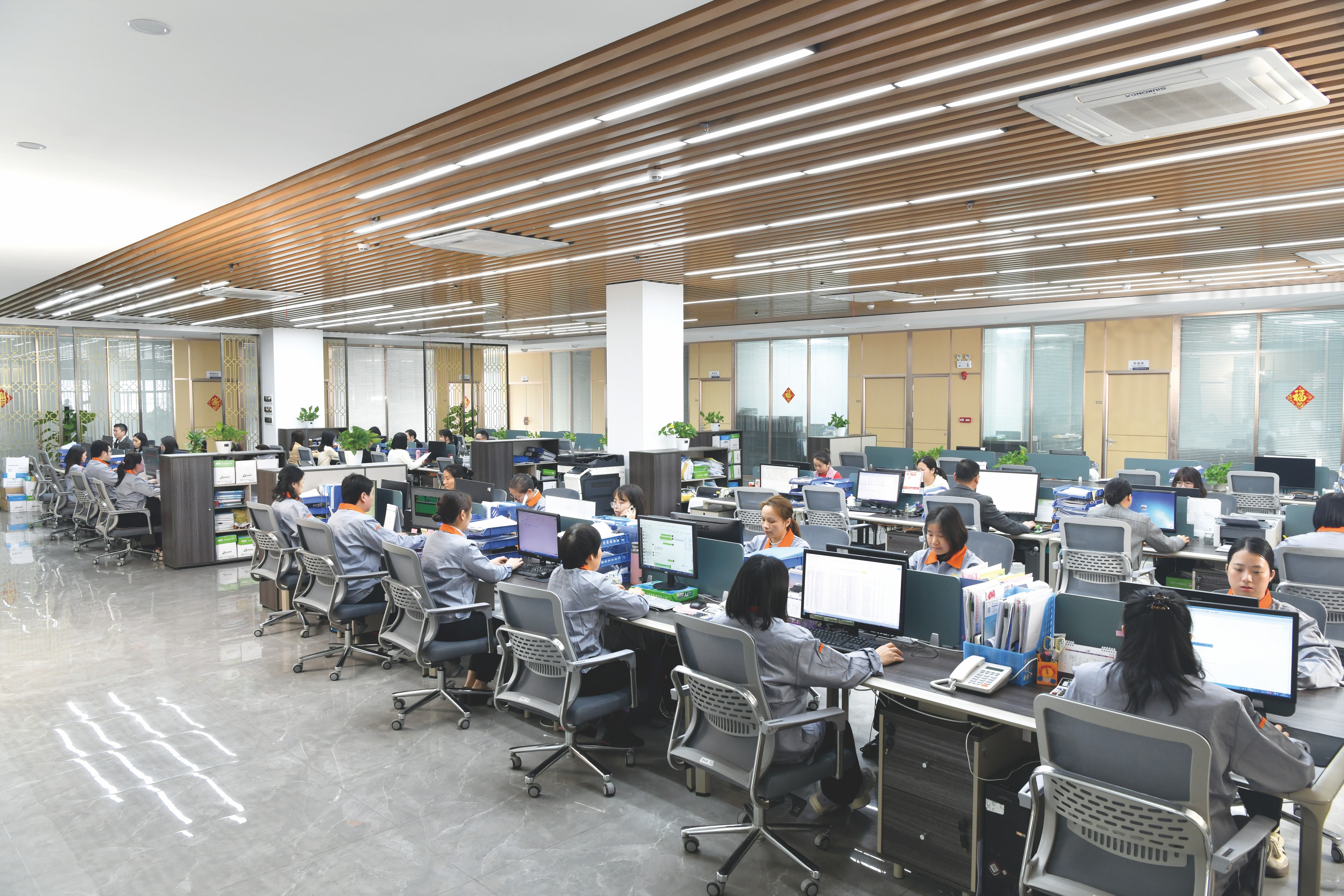
The company's production ecosystem is built around five operational pillars:
- Factory scale. A 150,000 m² facility with more than 500 employees, including a 15-person R&D team, producing an annual output of 6,000,000 sqm.
- Capacity. Monthly production capacity of 600,000 sqm, with a typical production lead time of 7 to 25 days depending on order quantity and design complexity.
- Product breadth. Rigid MCPCB, FPCB, Infinity Length FPCB, FR-4/CEM1/CEM3 PCBs, CCL (copper clad laminate) and PCB inks — covering both the finished boards and laminate materials used in LED lighting.
- Quality system. ISO9001, ISO14001 and IATF16949 certifications, with products manufactured to comply with UL, RoHS and REACH standards.
- Risk control. Production is controlled through quality assurance systems and continuous improvement processes, with incoming inspection, process inspection, final inspection and functional testing. Lead time and supply chain risk are managed through order control and procurement planning.
For a lighting buyer, product breadth is what turns a supplier into an ecosystem. A single lighting program can require a street light LED PCB, a downlight LED PCB and a strip light LED PCB — boards that differ in substrate material, layer count and finish. Sourcing these from one factory reduces qualification projects and consolidates order management.
Technical Foundation: What Makes an LED PCB Reliable Over Volume
Modern lighting applications place demanding requirements on the circuit board. These requirements include high reliability (IP65/IP67, AEC-Q102), thermal management with aluminum substrate thermal conductivity of at least 1.5 W/m·K, optical performance (CRI≥80), smart compatibility (DALI-2/D4i), safety certification (UL 8750/EN 60598), and a lifetime of at least 50,000 hours. The PCB must also drive LEDs with constant current or constant voltage and enable dimming and color tuning.
Metal Core PCBs, particularly aluminum core, are the industry standard for high-power LED thermal management because the metal layer conducts heat away from the LED junction efficiently. The typical architecture of an aluminum MCPCB for lighting is built in layers: an aluminum base, a thermally conductive dielectric, a copper circuit layer (commonly 1 oz for standard LED modules), solder mask and silkscreen, and a surface finish selected for solderability and reliability.
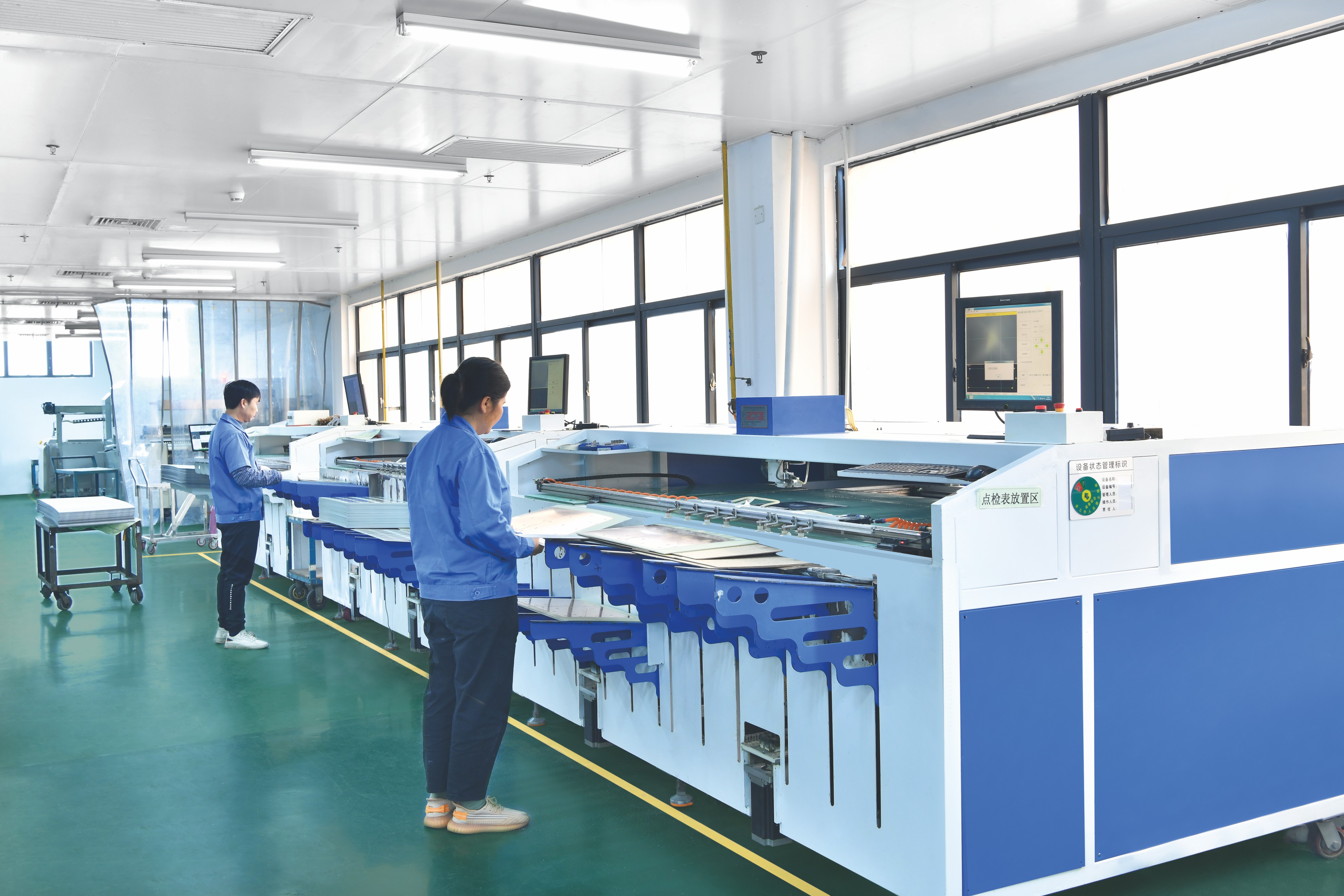
WODE's LED PCB portfolio includes single-layer LED PCB and double-layer LED PCB constructions. Single-layer aluminum MCPCBs are used for most high-power LED modules where the thermal path is the priority. Double-layer boards, such as FR-4-based lighting motherboards, are used where the circuit requires routing on both sides or where components such as LED drivers and control interfaces are assembled on one board. Both SMD mount LED PCB designs and COB LED PCB configurations rely on the same thermal and dimensional discipline.
The following table shows representative configurations available from WODE's production lines:
| Product | Material | Layer | Copper | Thickness | Panel size | Mask / Silkscreen | Finish |
|---|---|---|---|---|---|---|---|
| MCPCB for Road lighting | Al1060 | Single sided | 1 oz | 1.6mm±10% | 208.00mm×225.00mm (2ups) | White / Black | HASL-LF |
| High Voltage MCPCB | Al1 | Single sided | 1 oz | 1.6mm±10% | 243.00mm×243.00mm (1up) | White / Black | OSP |
| MCPCB for Motor lighting | Al5052 | Single sided | 1 oz | 1.6mm±10% | 243.00mm×243.00mm (1up) | Matt Black / White | HASL |
| PCB for Small Appliance Lighting Motherboard | FR-4 | 2 sided | 1/1 oz | 1.0mm±0.1 | 340.05mm×150.00mm (30ups) | Green / White | HASL-LF |
These standard builds illustrate the material, layer and finish choices that recur across LED lighting programs. Custom LED lighting PCB orders can adjust panelization, solder mask color, silkscreen color and surface finish according to the agreed technical specification.
Application Scenarios: Matching LED PCB Types to Real Programs
The LED PCB types used in a program depend on the fixture, the power level and the operating environment. The following scenarios map common categories to the board constructions that support them.
- Street light LED PCB and road lighting. Outdoor fixtures for urban main roads and rural roads require high thermal conductivity to manage continuous high-power operation. WODE's MCPCB for road lighting uses an Al1060 aluminum substrate, single-sided construction, 1 oz copper, 1.6mm±10% thickness and HASL-LF finish, panelized at 2ups.
- Flood light LED PCB and high bay light LED PCB. Industrial and outdoor area lighting runs at high current density. These applications favor high-power LED PCB designs on aluminum substrates, and a high-thermal-conductivity LED PCB with substrate performance of at least 1.5 W/m·K helps keep junction temperatures under control.
- Downlight LED PCB, spotlight LED PCB and panel light LED PCB. Indoor commercial and residential fixtures typically use SMD-mounted LEDs on single-layer aluminum boards. COB LED PCB configurations are also common in directional fixtures such as downlights and spotlights, where dense light output is needed from a small aperture.
- Bulb lamp LED PCB and wall lamp LED PCB. Compact form factors call for efficient panelization and, in many designs, ultra-thin LED PCB profiles. Standard configurations with white solder mask and HASL-LF finish balance solderability, optical reflection and cost.
- Strip light LED PCB. When a strip lighting design requires flexible interconnects, WODE's product lines include FPCB and Infinity Length FPCB, extending the same manufacturing system to flexible circuits.
- Grow light LED PCB. Horticultural lighting demands high radiant output and effective thermal management; aluminum MCPCB construction is the conventional solution for these modules.
- Motor lighting. WODE offers a dedicated MCPCB for motor lighting built on Al5052 with a matt black solder mask, white silkscreen and HASL finish — a configuration aimed at the mechanical and thermal conditions of motor-adjacent lighting.
- Small appliance lighting. The PCB for small appliance lighting motherboards uses FR-4, double-sided construction, 1/1 oz copper, 1.0mm±0.1 thickness, green solder mask and HASL-LF finish, panelized at 30ups for efficient assembly.
- Indoor and outdoor lighting LED PCB programs. The same supplier can support both segments: high-power aluminum MCPCBs for outdoor exposure and FR-4 or aluminum boards for indoor luminaires. Indoor lighting LED PCB designs for downlights, panels and spotlights typically use SMD-mounted LEDs; outdoor lighting LED PCB designs for street and flood fixtures prioritize thermal conductivity and environmental durability.
The practical implication for a lighting OEM is that a single qualification exercise can cover multiple product families. Because WODE produces rigid MCPCB, FPCB, FR-4/CEM1/CEM3 boards and the CCL materials used in them, the buyer's bill of materials can be consolidated instead of split across specialty suppliers.
Market Trend Analysis: What the Data Shows About Long-Term Supply
Several verified industry data points frame the LED PCB supply decision.
- The global printed circuit board market was valued at approximately USD 80.2 billion in 2025 (Global Market Insights).
- China accounts for 53.2% of global PCB production value as of 2024 (Farway Electronic / Industry Report), which keeps Chinese manufacturing at the center of PCB sourcing strategies.
- The global LED lighting market was valued at USD 78.4 billion in 2024, with a projected CAGR of 8.5% through 2029 (MarketsandMarkets).
- The outdoor LED lighting market is projected to grow from USD 15.0 billion in 2025 to USD 28.0 billion by 2035 (Future Market Insights), reinforcing demand for street light, flood light and high bay light PCBs.
- Metal Core PCBs, particularly aluminum core, are the industry standard for high-power LED thermal management (Precedence Research).
- On the compliance side, LED modules and components are evaluated under IEC/EN 62031, LED control gears fall under IEC/EN 61347-2-13, and IPC-6012 is the primary performance specification for rigid printed boards.
The market also remains concentrated at the top: leading global PCB manufacturers include Zhen Ding Tech (ZDT), Unimicron, DSBJ, Nippon Mektron and TTM Technologies (NTI / Dr. Hayao Nakahara, 2024). Within this landscape, lighting OEMs evaluating long-term partnerships weigh the scale and certification depth of a supplier against the need for application-specific LED PCB knowledge — the segment where dedicated lighting PCB manufacturers operate.
Comparison with Traditional Solutions
LED Street Lighting vs. High-Pressure Sodium
The cleanest demonstration of long-term value is the comparison between LED street lighting and traditional high-pressure sodium (HPS) street lights. Industry comparison data shows the LED solution delivers 65% energy savings, extends lifespan by 3 times, lowers total cost of ownership by 40% over 5 years, requires 90% less maintenance and achieves 22% higher photoelectric conversion efficiency. The honest limitation is the initial investment: the initial cost of the LED system is approximately 15% higher than HPS. Over the service life, lower energy consumption and reduced maintenance offset that premium — a trade-off that procurement teams need to model against their own project horizon.
WODE vs. Single-Niche PCB Suppliers
Compared with suppliers that operate in a single niche — aluminum only, flexible only or rigid only — WODE focuses on multiple PCB types (single/double/multilayer, aluminum and flexible) with continuous quality improvement. The company's comparative data reports ±10% tolerance on key parameters, 30% fewer defects than the industry average, cost-effective pricing for multi-type orders (5–10% lower than sourcing from multiple single-product suppliers), and up to 20% better heat dissipation for LED and high-power applications.
The honest limitation in this comparison is scope-dependent: for high-reliability military and medical applications, further qualification is required, and delivery and after-sales policies may vary with customer contracts and order scale. Buyers should confirm these terms directly before committing.
Future Outlook: Building a Multi-Year LED PCB Supply Strategy
The direction of the lighting market favors suppliers that can support long production runs with stable quality. The projected growth of the LED lighting market at an 8.5% CAGR through 2029, and of outdoor LED lighting from USD 15.0 billion in 2025 to USD 28.0 billion by 2035, implies that street light, flood light and high bay programs will run for many years. That favors an ecosystem view of supply: capacity (600,000 sqm per month at WODE), quality continuity (ISO9001, ISO14001, IATF16949) and compliance stability (UL, RoHS, REACH) become decision criteria in their own right.
Thermal management will remain a defining requirement, with aluminum MCPCBs continuing as the standard for high-power LED applications. Smart lighting compatibility, such as DALI-2/D4i, adds control-layer requirements to the PCB, and buyers will increasingly expect suppliers to hold both thermal and signaling performance in a single qualified board. Vendor consolidation will also continue: a manufacturer that produces MCPCB, FPCB, FR-4/CEM1/CEM3 boards, CCL and PCB inks under one roof reduces the number of qualifications and audits a buyer must manage.
FAQ
Evaluate WODE as Your Long-Term LED PCB Partner
WODE Circuit Technology (Zhuhai) Co., Ltd. manufactures LED PCBs, rigid MCPCBs, FPCBs, FR-4/CEM1/CEM3 PCBs, CCLs and PCB inks from its 150,000 m² facility in Zhuhai, China, serving customers in more than 30 countries.
Website: www.wodepcbfpc.com
Contact: Melody Huang / Amy Bae — GJMYB1@wodepcb.com
Tel: +86-756-3906072 | Fax: +86-756-3906333
WhatsApp: +1 9294341657
Address: No. 2, South Qianwan Road, Qianwu, Doumen, Zhuhai, 519170, China