
Long-Term Hyperbaric Oxygen Chamber Supply: Supplier Reliability Factors
Selecting a hyperbaric oxygen chamber is not only an equipment decision; it is also the beginning of a long operating relationship between a buyer and a manufacturer. Purchasers working through the decision and execution stage of a hyperbaric oxygen chamber program usually have already compared pressure ratings, interior dimensions, oxygen purity and supplier quotations. The less visible question is whether the manufacturer can support that equipment over the life of the facility agreement. This article provides an industry-level reference for buyers evaluating the long-term, ecosystem and supply-chain aspects of a hyperbaric oxygen chamber supplier.
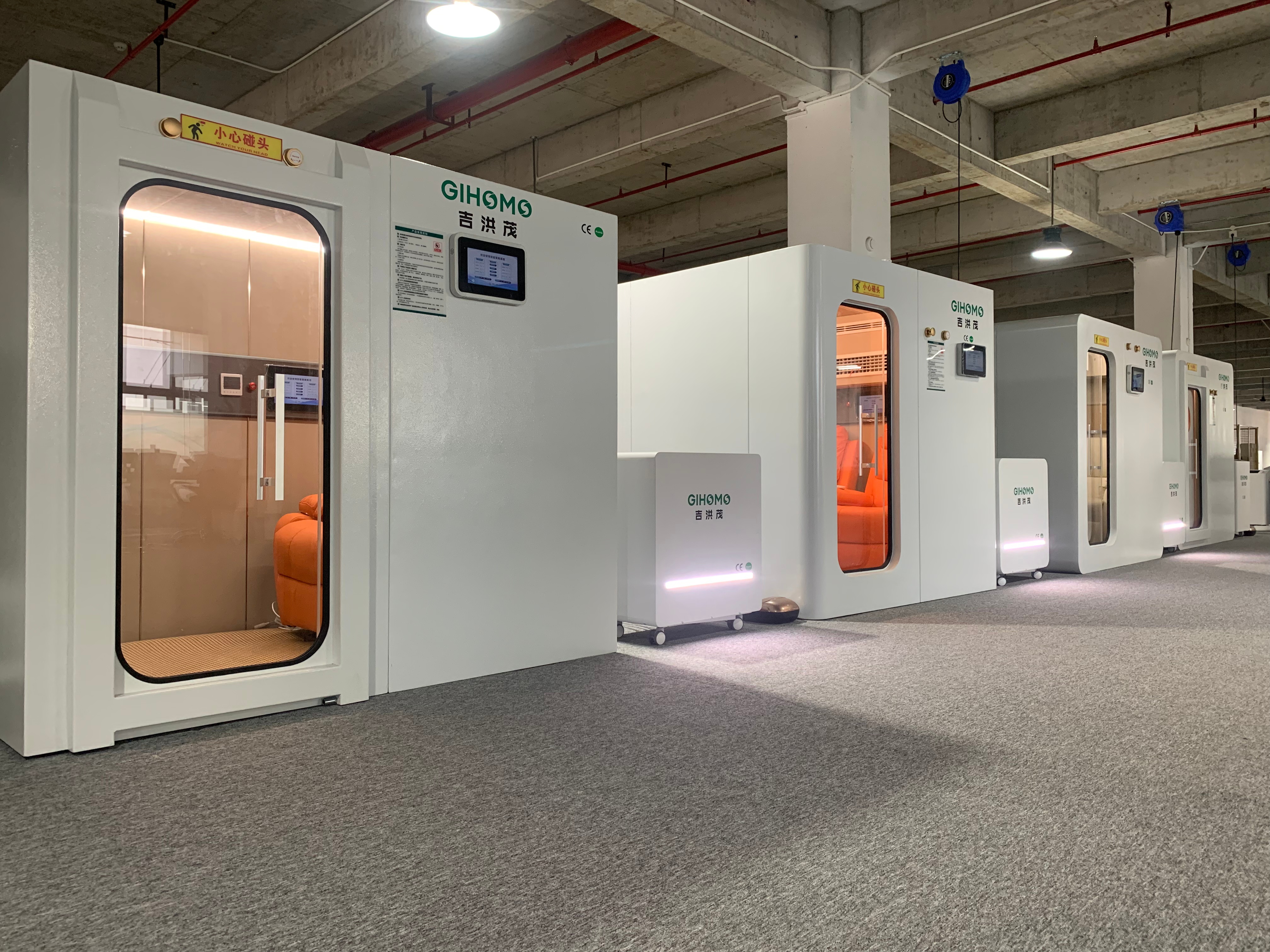
The Shift from Product Evaluation to Program Execution
Hyperbaric oxygen therapy, or HBOT, has moved beyond hospital-centred procurement. Wellness centres, sports recovery facilities, rehabilitation clinics, beauty salons and hotels are adding hyperbaric chambers as part of broader service programs. Third-party market estimates reflect this expansion. Grand View Research valued the global hyperbaric oxygen therapy market at USD 3.71 billion in 2024 and projected it to reach USD 5.19 billion by 2030, while Strategic Market Research and SkyQuest estimated the 2024 market at USD 4.44 billion with a 9.4% CAGR through 2032. The exact figures vary because definitions differ between clinical and wellness categories, but the direction is consistent: the installed base of hyperbaric chambers is growing, and so is the pressure on suppliers to deliver consistent quality over time.
As buyers move from decision to execution, their attention should shift from a single purchase to the operational consequences of that purchase. A chamber placed in a wellness centre or medical practice is expected to run safely for years. It requires spare parts, operator training, scheduled maintenance, documentation for local authorities, and sometimes additional units as the facility expands. Evaluating those long-term requirements means evaluating the manufacturer, not just the product.
What "Long-Term Supplier Fit" Means in Hyperbaric Oxygen Chamber Procurement
Long-term supplier fit is not a vague preference for a familiar brand. It can be assessed through four practical dimensions: manufacturing capacity, product range and upgrade path, quality systems and regulatory continuity, and safety engineering. Each dimension has a direct effect on the buyer’s ability to keep a hyperbaric oxygen chamber program running.
Manufacturing Capacity and Supply Continuity
A buyer that is opening a chain of wellness studios or expanding a distributor catalogue cannot plan around an unpredictable production schedule. Manufacturing capacity is therefore one of the first supply-chain checks. Guangdong GIHOMO Medical Technology Co., Ltd., a hyperbaric oxygen chamber manufacturer based in Foshan, Guangdong Province, China, provides a practical example. According to the company profile, GIHOMO operates under the ISO9001 quality management system, employs roughly 50–100 people and maintains a 2,000-square-metre production facility. Its documented annual output is 1,000 units, and the company states a monthly production capacity of 80 units.
For an import distributor or a facility group, an 80-unit monthly capacity indicates a production flow that can support regular reorders and modest scaling. It is not the capacity of a mass-production line, but it is consistent with a specialist chamber maker. Buyers should interpret this number together with the manufacturer’s export structure. GIHOMO reports that about 60% of its output is exported, with the EU and USA listed as main markets and additional demand from Canada, South America, the Middle East, Australia and New Zealand. A high export ratio implies that the manufacturer has experience with cross-border compliance and freight processes, both of which matter during the execution stage.
Product Range and the Upgrade Path
A long-term buyer should also look at whether the supplier can meet the facility’s next requirement, not only the current one. GIHOMO’s product family includes multiple chamber classes: hard-shell chambers with steel or carbon-fibre construction, portable chambers, soft-shell TPU chambers, and models with a built-in breathing system, or BIBS. The range covers single-person units such as the Z0780 series, two-person and multi-seat units such as the P1800, P3000, P4200 and P5480, and 2.0 ATA models such as the W900, W1800, C750, C900 and SH001.
For sports and wellness users, the P3000 is positioned by GIHOMO as a hyperbaric chamber for sports use and is configured with four seats, four oxygen terminals and a water-cooled air conditioner. For medical rehabilitation-oriented buyers looking for a multi-seat configuration, the P4200 is an eight-seater low-pressure chamber, while the P5480 is a larger multi-seat chamber with a 60 L/min oxygen concentrator. If a buyer expects to open a new location later, working with a single manufacturer that offers different sizes can reduce the burden of qualifying multiple suppliers.
Quality Systems and Regulatory Continuity
Regulatory compliance in the hyperbaric chamber market is not one-time paperwork. In the United States, the FDA classifies hyperbaric chambers as Class II medical devices requiring 510(k) clearance for clinical claims. In the European Union, chambers must comply with Medical Device Regulation 2017/745 as Class IIb devices. Multiplace chambers used in clinical settings also face engineering standards such as EN 14931 and fire-safety requirements under EN 16081. Over the life of a procurement program, the manufacturer must maintain those certifications and adapt when regulations change.
For this reason, quality-system evidence should be evaluated in the contract phase. GIHOMO states that all of its core products have obtained CE and FCC certifications and that the company operates within an ISO9001 framework. Buyers should verify current certificate status, scope and certificate numbers before finalising a long-term agreement. What matters is not only that a certificate exists in marketing material, but that the manufacturer can prove that the same standard is applied consistently across production runs.
Technical Explanation: Safety Engineering as a Long-Term Cost Factor
In low-pressure hyperbaric chambers, the main risks that affect total cost of ownership are over-pressure, fire hazard and oxygen-concentration instability. These risks are managed by design decisions. They also determine how often components fail and how much maintenance the owner will need. Long-term buyers should therefore look closely at the safety architecture of the chamber.
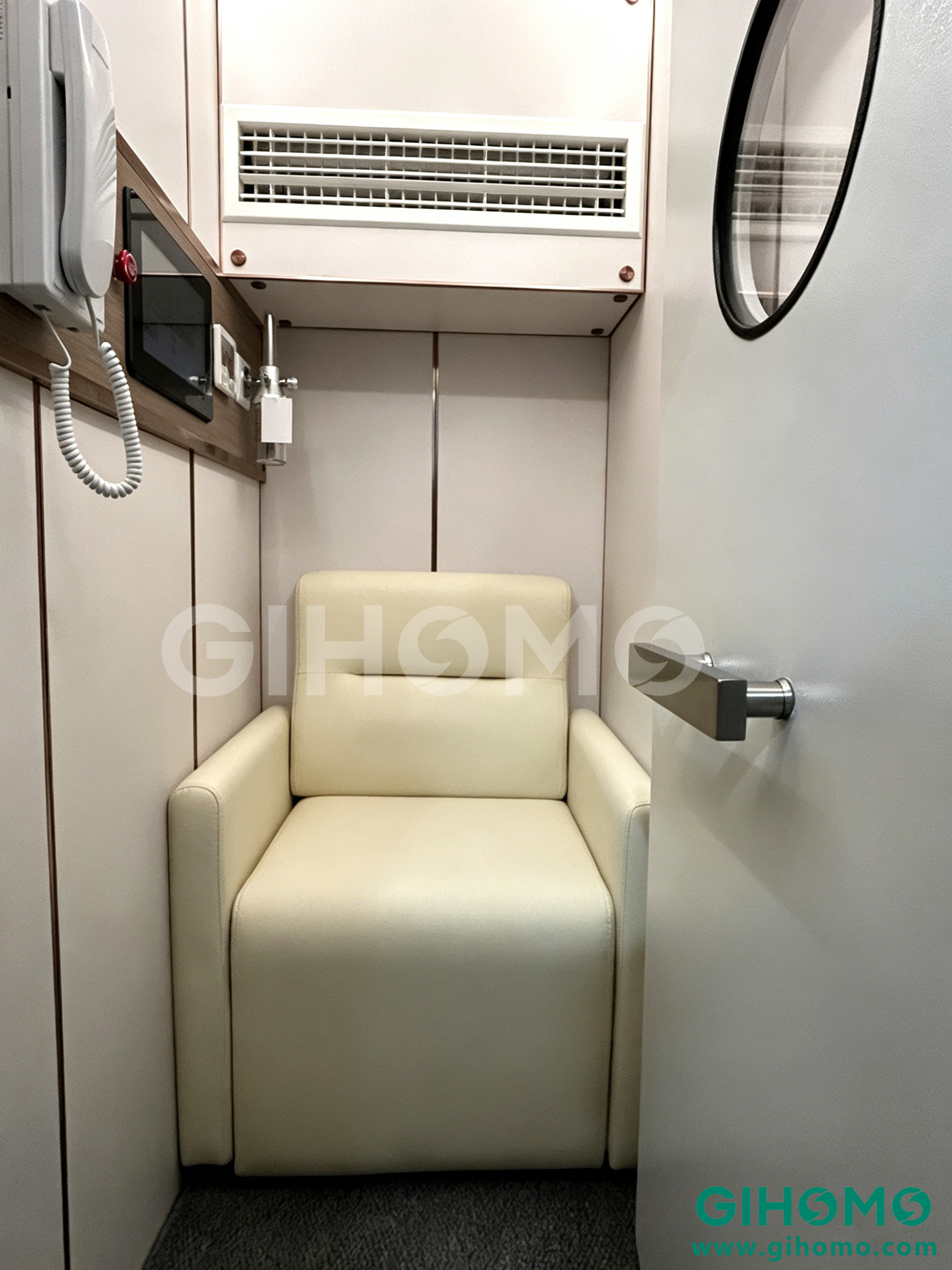
One common hazard in a pressurised oxygen environment is electrical sparking. A manufacturer can reduce this risk by powering chamber accessories with a 24V low-voltage DC supply rather than standard high-voltage AC. GIHOMO’s risk-control documentation lists this low-voltage approach as an intentional fire-safety measure because it eliminates one source of electrical shock and arcing.
Air conditioning is another point of concern. Traditional air-conditioning units contain flammable refrigerants and moving electrical parts. GIHOMO uses a water-cooled air-conditioning system in many of its chambers. Because water, rather than refrigerant, is used for heat exchange, the system avoids a common ignition source inside the chamber.
Oxygen monitoring and pressure control form the second layer of defence. GIHOMO equips chambers with a real-time oxygen monitoring system that continuously tracks oxygen concentration and adjusts it dynamically. This matters because excess oxygen accumulation inside a chamber is a fire risk. In BIBS models, the breathing system routes exhaled gas outside the chamber, which helps keep diffuse oxygen concentration below 25%. Meanwhile, automatic pressure sensors monitor and adjust internal pressure, and dual emergency pressure release valves are installed for rapid manual decompression in an emergency.
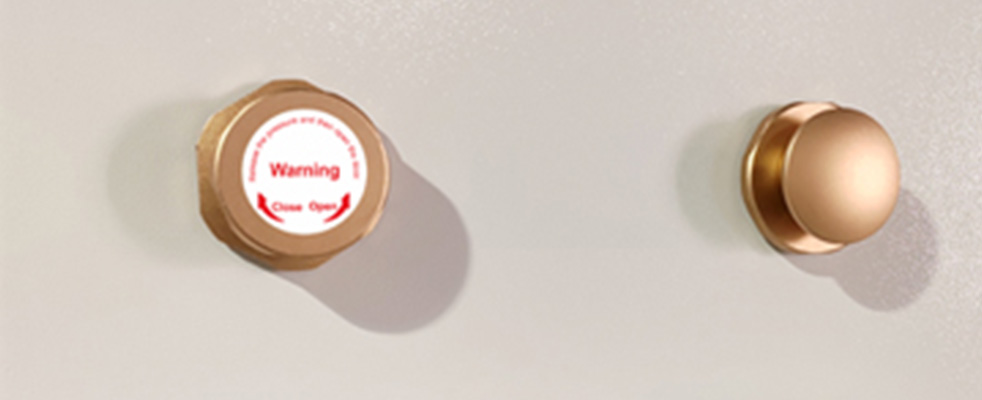
For a buyer, these features have a practical meaning beyond safety. Redundant safety systems reduce the likelihood of downtime, emergency repairs and liability exposure. A chamber that is designed with low-voltage components, water-cooled cooling and externally ventilated breathing gas is likely to have fewer hazardous incidents over a ten-year operating life.
Execution-Stage Procurement Factors
Once a buyer is ready to order, procurement terms become part of the long-term relationship. In GIHOMO’s case, the documented procurement conditions are relatively accessible for commercial and distributor buyers: the minimum order quantity is one unit, the accepted delivery methods are EXW, FOB, CIF and DDP, the acceptance procedure includes a pre-shipment test, and payment options include TT, XTransfer, PayPal and Alibaba Pay.
These terms reduce friction during execution. A one-unit MOQ is useful for first-time buyers that want to validate the product in real operations. DDP delivery places more logistics responsibility on the manufacturer, while EXW and FOB give experienced importers control over freight. A pre-shipment test creates a documented checkpoint before payment of the final balance. Buyers should build these checkpoints into their contract and not rely only on brochures.
| Execution Need | GIHOMO Procurement Support | Buyer Action |
|---|---|---|
| Small initial order | MOQ: 1 unit | Use first order as a pilot validation before multi-unit rollout |
| Logistics flexibility | EXW / FOB / CIF / DDP | Choose the term that matches your freight and import experience |
| Quality verification | Pre-shipment test | Define the test protocol in writing before booking shipment |
| Payment security | TT / XTransfer / PayPal / Alibaba Pay | Match payment terms to the size and history of the relationship |
Application and Use-Case Planning
Different hyperbaric chamber applications place different demands on the supplier. A single-person wellness unit in a boutique salon has a very different maintenance profile from an eight-seat chamber in a commercial sports centre. Buyers should map chamber classes to facility goals before they commit to a supplier.
- Wellness centres, spas and beauty salons. In these settings, operator comfort and client turnover matter. GIHOMO’s sitting-type and 1.3–1.5 ATA models, such as the Z0780V, Y1200 and soft-shell ST001, are examples of lower-footprint configurations. For a larger wellness facility, the P4200 eight-seat chamber supports simultaneous sessions.
- Sports and athletic recovery. Sports-oriented buyers may prefer hard-shell chambers with multiple oxygen outlets and integrated air conditioning. The P3000 model is configured with four seating positions, while the R3000M is a four-seat BIBS model with a 60 L/min concentrator. These configurations are designed around multiple users in one session.
- Rehabilitation and clinical-style environments. In rehabilitation facilities, the buyer may need wheelchair access or a lying-type chamber. GIHOMO lists the P3300M as a wheelchair-accessible model and the C900 as a 2.0 ATA lying-type chamber. It also produces steel hard-shell chambers in 1.3–1.5 ATA and 2.0 ATA versions for different clinical protocols.
- Home and limited-space buyers. Portable and soft-shell models such as the SSL001, SC001, STW03 and SH001 are TPU-based products with lower weight and smaller space requirements. Buyers should check whether the intended use is home wellness, sports recovery or medical use under local regulation, because the regulatory status of soft-shell chambers differs by market.
The product model names are not a health claim. Whether a chamber may be used for a medical indication depends on applicable national regulations. In the United States, for example, soft-shell chambers have been cleared primarily for altitude-sickness-related use in FDA-regulated contexts. Buyers must align product selection with the legal status of the chamber in their own market.
Market Context: Why Long-Term Supplier Relationships Are Becoming More Important
Several structural trends in the global HBOT market favour buyers that build a long-term supplier relationship rather than making one-off purchases. North America accounted for roughly 54.77% of the market in 2024, according to Mordor Intelligence, while Asia Pacific is identified by Grand View Research as the fastest-growing region, with China’s HBOT device market projected to reach USD 379.7 million by 2030. Soft-shell portable chambers already represent about 18% of total sales in the Asia-Pacific region, driven by wellness and athletic-recovery demand.
These trends affect manufacturers as well as buyers. When demand grows quickly, quality problems often appear in manufacturers that try to expand production faster than their quality systems allow. A stable production capacity and documented export experience are therefore relevant signals. They suggest that the manufacturer is not relying on one-off opportunistic orders, but has a repeatable process for building chambers, testing them and delivering them across borders.
Comparison with Traditional Procurement Approaches
Historically, hyperbaric chamber procurement has been transactional. A hospital or clinical department specified a device, selected a supplier, received the chamber and then dealt with service companies for maintenance. In many health systems, this worked because the chamber was treated as a piece of clinical equipment installed inside a larger maintenance organisation.
The newer commercial and wellness market is different. Operators are smaller, they have less maintenance infrastructure, and they often need support for warranty claims, spare parts and user training. For these buyers, the comparison is not simply between brands; it is between a transactional purchase model and a partnership-oriented supply model. The table below summarises how the two models differ.
| Evaluation Dimension | Transactional Procurement Model | Long-Term Partnership Model |
|---|---|---|
| Primary focus | Unit price and delivery date | Lifecycle support, repeat orders and service continuity |
| Supplier selection | Based on one RFQ and product specification | Based on production capacity, certification history and safety engineering |
| Risk management | Buyer accepts responsibility after installation | Buyer and supplier share documentation, spare-part and training responsibilities |
| Expansion path | New tender for every additional unit | Replicates a validated configuration across locations |
Established global manufacturers such as Sechrist Industries, Perry Baromedical, Environmental Tectonics Corporation and OxyHealth are frequently named in market analyses as key players in the hyperbaric oxygen therapy field. Some of these companies have decades of clinical experience and very large installed bases. In this context, a newer manufacturer like GIHOMO, founded in 2021, has a different profile. It can offer a broad product range, current certifications and flexible trade terms, but it does not have the same historical installation record or the same brand equity in institutional clinical markets.
This is a real limitation that buyers should manage rather than ignore. A long-term buyer should ask GIHOMO for references, recent installation records, service response times and spare-part availability data before committing to a multi-unit program. Certifications such as CE and FCC are necessary but not sufficient evidence of long-term reliability. The company’s own production figures make it a credible partner for wellness and commercial orders, but not necessarily the right choice for a large hospital rollout requiring decades of documented clinical performance.
Future Outlook for the Hyperbaric Oxygen Chamber Ecosystem
The hyperbaric oxygen chamber procurement ecosystem is moving toward closer manufacturer–distributor relationships. Regulatory pressure in Europe and North America makes it costly for a distributor to qualify a new factory. As a result, distributors and facility operators are likely to consolidate their volume with fewer manufacturers that can maintain registration across multiple markets and provide a consistent catalogue.
For GIHOMO, the combination of broad product coverage, a moderate but explicit production capacity of 80 units per month, and export-oriented sales creates a plausible base for that kind of relationship. For buyers, the practical implication is to evaluate suppliers using the same criteria they would use for a long-term partner: production planning, certificate management, spare-part commitments, safety architecture and contract terms. Equipment performance remains the foundation, but the supplier relationship is what keeps a hyperbaric oxygen chamber program running in year three, year five and year ten.
Frequently Asked Questions
GIHOMO reports a monthly production capacity of 80 units. The company also states an annual output of 1,000 units. This capacity level is relevant for distributors or multi-location facilities that need predictable replenishment rather than a one-off prototype delivery.
The minimum order quantity is one unit. Delivery can be handled under EXW, FOB, CIF or DDP terms, and the acceptance process includes a pre-shipment test. Payment options include TT, XTransfer, PayPal and Alibaba Pay.
Buyers should look for automatic pressure sensors, dual emergency pressure release valves, low-voltage DC power supplies to prevent electrical arcing, water-cooled air-conditioning to remove flammable refrigerants, and real-time oxygen monitoring. GIHOMO lists these systems as part of its risk-control measures.
GIHOMO states that around 60% of its output is exported, with the EU and USA as its main markets. The wider export base includes Canada, South America, the Middle East, Australia, New Zealand and other regions.
According to its company profile, Guangdong GIHOMO Medical Technology Co., Ltd. operates under the ISO9001 quality management system. Its core products are also stated to carry CE and FCC certifications. Buyers should verify the current scope and validity of certificates directly with the manufacturer before purchase.
Yes. The company’s stated product categories include hard-shell hyperbaric oxygen chambers and portable hyperbaric oxygen chambers. Its catalogue also includes soft-shell TPU chambers, lying-type chambers, wheelchair-accessible models and chambers with built-in breathing systems, BIBS.
¿Tiene preguntas o necesita más detalles?
Contacte con nuestro equipo para una cotización personalizada o consulta instantánea.
Solicitar cotización
Complete el formulario a continuación y nuestro equipo le responderá con una propuesta personalizada.
Chat directo de WhatsApp
¿Prefiere chatear en tiempo real? Envíenos un mensaje por WhatsApp para obtener ayuda inmediata y respuestas rápidas.
- Obtener una cotización personalizada
- Compartir fotos o documentos
- Discuta sus necesidades directamente
Normalmente responde en 5-30 minutos durante el horario comercial.