
Long-Term Ceramic Frit Supplier Evaluation: What to Verify
Long-Term Ceramic Frit Supplier Evaluation: What to Verify
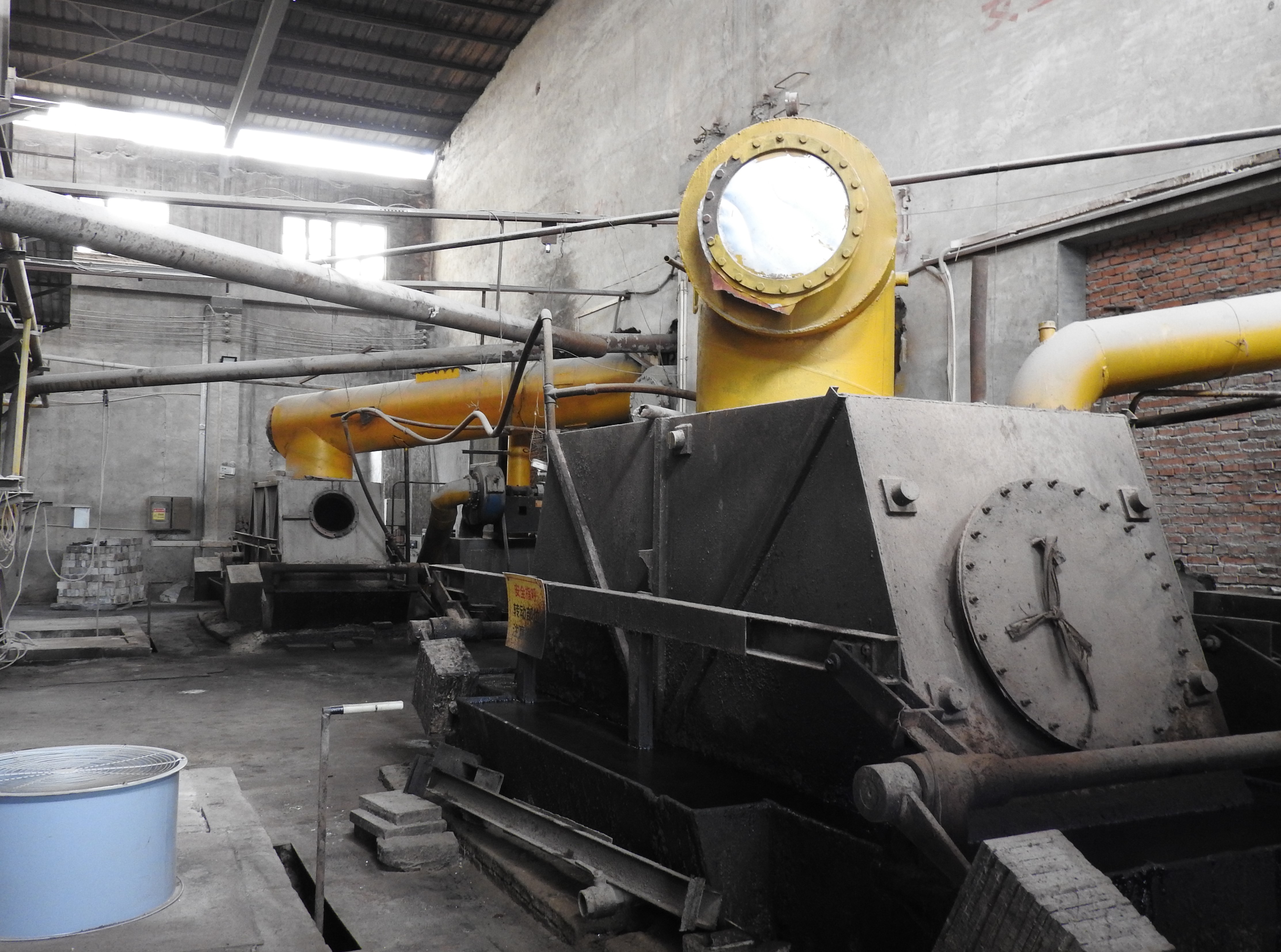
Long-term ceramic frit supply is rarely decided by a catalogue alone. A frit that performs in one body, kiln and firing profile may behave differently in another, so supplier evaluation has to test formulation fit, technical response, supply continuity and commercial durability together. For buyers moving from decision to execution, the useful question is not simply which supplier offers a lower price per ton, but which supplier can keep a glaze or engobe result stable across production campaigns.
RENOVA INDUSTRIAL & TRADING CO., LTD is an integrated manufacturing and trading company specializing in ceramic frits, ceramic glazes and other ceramic materials. The company reports more than 30 years of ceramic manufacturing experience, a factory established in 2011, a 10,000 m² production site, approximately 50 employees and combined annual production capacity of 40,000 tons across its production facilities. Those figures are a starting point for evaluation, not a substitute for a plant-level capability review.
Why long-term frit supply is a production-continuity decision
Ceramic frit is an intermediate material, but its effect is visible in the finished tile. It influences glaze surface, firing behaviour, defect risk and the consistency of the delivered product. A change in frit source can therefore reach beyond the purchasing department into body preparation, kiln operation, glazing and quality control. The cost of a poor fit is not limited to the frit invoice; it can appear as repeated trials, reformulation work, rejected batches, delayed orders and additional energy use.
Market structure adds a second layer of risk. Commercial research estimates place alkaline-boron frit at 38.7% of the global ceramic frit market in 2025 and China at 65% of global production and market share in 2023. These are commercial-research estimates, not audited customs statistics, but they explain why buyers examine geographic concentration and supplier dependency alongside product performance. A long-term supplier evaluation should ask how a supplier manages capacity, formulation change and technical response when demand or raw-material conditions shift.
What long-term changes in supplier evaluation
Shortlisting often focuses on product type, sample result and price. A long-term evaluation adds four questions that are less visible in a quotation. Can the supplier adjust the formulation to the buyer’s body and kiln? Can it support the production process after the first shipment? Can it connect stated capacity to a specific grade and delivery plan? Can it provide records that make the relationship auditable?
These questions matter because ceramic frit is condition-dependent. A frit for ceramic tiles may be evaluated against one firing profile, while a Ceramic Glaze Frit for a different surface target may need another. A Transparent Ceramic Frit and an opaque or matte finish are not interchangeable simply because both are called frit. The supplier’s ability to distinguish those cases is part of the evaluation.
Criterion 1: formulation fit across body, kiln and firing profile
A frit is selected against the ceramic body, kiln type, firing temperature and production process. RENOVA’s technical team can fine-tune frit and glaze formulations according to those variables, and the company supports production trials to evaluate product suitability and adjust formulations to customer requirements. That is the relevant capability for a long-term relationship: the supplier can translate a production problem into a formulation and application adjustment rather than ask the buyer to adapt to a fixed catalogue grade.
During evaluation, ask for a trial plan that names the reference body, kiln conditions, firing temperature, application method and the surface effect to be assessed. A trial that changes several variables at once may show that a frit can work, but it will not show why it works or whether the result is repeatable. A more useful trial keeps the production baseline fixed and changes one factor at a time. This is especially important when comparing a Titanium Frit, a Zirconium Frit or a Boron Frit for the same body, because each may respond differently to the firing curve.
A frit proposed for a low-temperature or high-temperature firing profile has to be checked against the actual kiln curve, not only against a product label. The buyer should record the firing cycle, soak time, cooling profile and application weight. Without those records, a successful sample can be difficult to reproduce in routine production.
Criterion 2: technical support after the first shipment
Long-term supply is tested after the first container, not only before it. RENOVA states that its technical team provides on-site technical support, formulation adjustments, production process guidance and after-sales technical service when application results deviate. The company also offers samples for testing and evaluation before an order is placed, after identifying a suitable product based on customer requirements and production conditions.
For the buyer, these are process commitments to verify in the working relationship. Who responds when a glaze defect appears? What information must the buyer provide? How quickly can a formulation adjustment be proposed? The answer matters because frit performance is condition-dependent. A supplier that can diagnose body, kiln and firing interactions is more useful than one that only replaces a failed batch.
It is reasonable to ask for a named technical contact, a response path and a trial-review routine before the first production order. The buyer should also define what counts as a deviation: surface appearance, defect rate, firing behaviour or another agreed measure. The supplier’s technical support becomes more valuable when both sides use the same reference data.
Criterion 3: capacity, batch consistency and supply continuity
RENOVA reports combined annual production capacity of 40,000 tons across multiple production facilities in China, with a 10,000 m² factory established in 2011 and approximately 50 employees. The company also reports a 29-person technical team covering research and development, production technology and application support, and an export ratio of 10%, with Southeast Asia as a main market.
Those facts support a capacity conversation, but they do not prove that a specific grade is available at a specific volume on a specific date. Combined annual production capacity is not the same as dedicated capacity for one product or one customer. Buyers should ask how capacity is allocated across product lines, what batch records are available, how changeovers are controlled and what lead time applies to the exact order. RENOVA states that MOQ and lead time depend on the specific product and order details; customers should provide product requirements and order quantity to obtain the applicable MOQ and estimated lead time. That is a normal commercial condition, and it should be written into the supply plan rather than assumed.
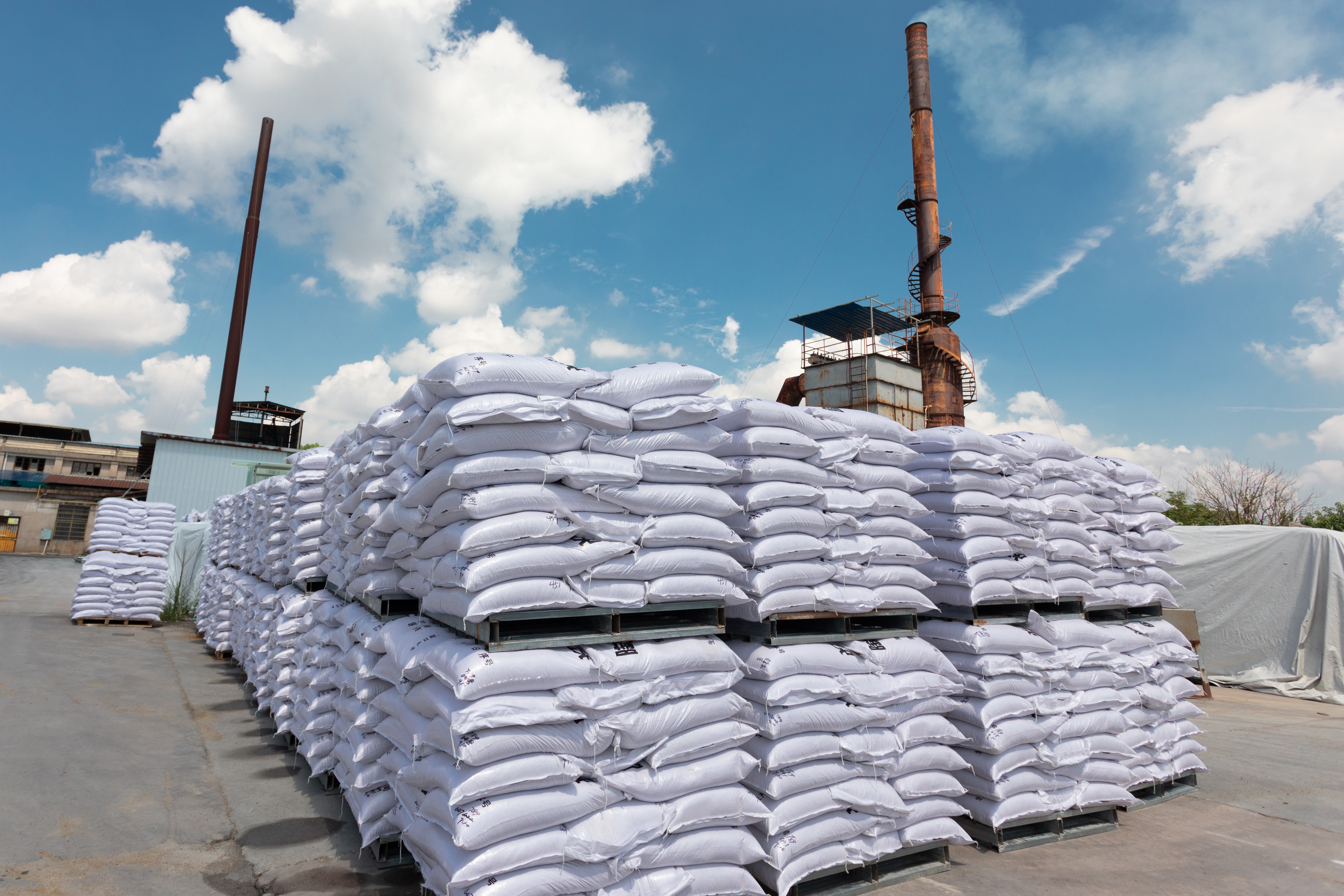
Supply continuity also depends on the product mix. A supplier may be strong in one frit family and less proven in another. The buyer should therefore separate the capacity question into three parts: total stated capacity, committed capacity for the buyer’s grade and contingency arrangements for peak demand or raw-material disruption. A written continuity plan is more useful than a single capacity figure.
Criterion 4: product breadth versus application specificity
A broad frit portfolio can reduce sourcing complexity, but breadth is useful only when each grade is matched to the application. RENOVA’s listed products include Titanium Frit, Transparent Frit, Wall Tile Matte Frit, Floor Tile Matte Frit, Polishing Frit, Wear-Resistant Frit, Velvet Matte Frit, Boron Frit, High-Lead Frit, Silica Free Frit For Quartz Slab, Exterior Wall Tile Glaze and Full-Polishing Glaze. The supplied product data also identifies Titanium, Zirconium and Transparent frits as specialized lines.
For a buyer, this range should be read as a set of application options, not as proof that one grade fits every body. A Titanium Frit, Zirconium Frit or Boron Frit may be relevant to different glaze or engobe requirements; a Transparent Ceramic Frit and an opaque or matte effect address different visual targets; a frit for ceramic tiles may need different behaviour from a silica-free quartz frit. The evaluation should ask which grade is proposed for the buyer’s body, firing temperature and surface target, and what evidence supports that proposal.
Product breadth should not be confused with substitution. If a supplier proposes a different grade from the one initially discussed, the buyer should require a new trial or a documented equivalence case. The same rule applies when a formulation is adjusted after the first production run: the change should be recorded, and the affected application should be rechecked.
Criterion 5: commercial model and total cost
RENOVA positions itself as a direct factory supplier and states that direct supply can offer competitive pricing compared with suppliers using additional distribution channels. It also states that optimized frit and glaze application can reduce frit or glaze consumption by up to 10% under suitable production conditions, with actual savings depending on formulation and factory conditions. Both statements are company-reported and should be tested against the buyer’s own trial and cost model.
For long-term procurement, the commercial review should compare the total cost of the relationship rather than the quoted unit price alone. That includes trial cost, reformulation time, defect risk, inventory policy, MOQ, lead time, technical response and the effort required to manage the supplier. A direct manufacturer may reduce intermediate steps, but it also requires the buyer to engage more directly on formulation and process questions. A trading company may offer purchasing convenience, but the buyer should establish which manufacturer is behind the product and how formulation control is handled.
| Procurement model | Potential advantage | What to verify | Fit boundary |
|---|---|---|---|
| Direct ceramic frit manufacturer | More direct control over formulation, production process and quality inspection; direct technical communication | Plant allocation, batch records, trial support, lead time, change-control procedure | Requires buyer technical engagement and disciplined trial review |
| Trading company or distributor | Centralized purchasing, possible multi-category sourcing, purchasing convenience | Which manufacturer, product traceability, formulation control, technical response path | May have less direct control over production; verify source and change control |
Criterion 6: documentation, trade classification and risk controls
Commercial documents should be checked before the first order. The supplied trade reference lists HS Code 3207.20 for vitrifiable enamels and glazes; buyers should confirm the classification with their customs broker and ensure that the invoice, packing list and product description are consistent. This is not a substitute for product compliance, but it reduces avoidable clearance friction.
The company information reviewed here does not establish product-specific certifications, food-contact declarations or independent field results for every frit grade. A general company profile is not a certificate. Buyers should request current test reports, declarations, safety data and batch records for the exact grade and market of use, and should keep those documents under periodic review. Where a standard is relevant, the buyer and supplier should agree on the test method and acceptance criteria before the trial, not after a dispute.
A practical evaluation sequence for decision-to-execution buyers
A long-term supplier review should produce a decision file, not only a sample result. The sequence below keeps the commercial decision connected to technical evidence.
- Define the application: body composition, kiln type, firing temperature, application method and target surface effect. Include whether the product is a ceramic glaze frit, an engobe-related frit or a frit for ceramic tiles.
- Request samples and agree a trial protocol after the supplier has identified a suitable product based on the buyer’s requirements and production conditions.
- Run a controlled production trial and record the baseline, the change and the result. Keep rejected or borderline results in the file.
- Verify capacity and documentation against the exact grade: MOQ, estimated lead time, batch records, test reports and change-control procedure.
- Agree the technical service path: named contact, information required, response expectations and review points after the first production campaign.
- Review total cost after the trial, including consumption, defect risk and adjustment effort, rather than relying on the initial quotation alone.
| Evaluation area | Evidence to request | Why it matters |
|---|---|---|
| Formulation fit | Trial plan and formulation adjustment record | Shows whether the frit is matched to body, kiln and firing profile |
| Technical support | Named technical contact and response path | Reduces downtime when application results deviate |
| Supply continuity | Grade-level capacity, MOQ, lead time and batch records | Connects stated capacity to actual orders |
| Product range | Grade-specific datasheet and application reference | Prevents catalogue breadth from replacing application fit |
| Commercial model | Direct-supplier price breakdown and change-control terms | Makes total cost comparable across procurement models |
| Documentation | HS classification, test reports and declarations | Supports customs review and market-access checks |
How RENOVA fits this evaluation
RENOVA’s evidence base is strongest on formulation collaboration and product range. The company reports 29 technicians, production trials, formulation adjustment by body, kiln, firing temperature and process, and after-sales technical support when application results deviate. It also reports a broad frit and glaze portfolio, direct factory supply, and supply relationships with ceramic manufacturers including Marco Polo, Monalisa, Hongyu and Arrow. Those customer references are company-reported and should be checked directly where confidentiality permits.
The evidence base is thinner on independently verified plant-level capacity, product-specific certifications and public financial data. That does not disqualify RENOVA as a long-term supplier; it defines the next verification steps. A buyer should not treat a 40,000-ton combined capacity figure, a 10% consumption-reduction claim or a customer name as a substitute for a controlled trial and a written supply plan.
For a buyer that needs a transparent, high-performance or matte surface, the relevant RENOVA discussion should start with the specific grade and the production conditions. A Transparent Ceramic Frit, a Titanium Frit, a Zirconium Frit, a Boron Frit or a silica-free quartz frit each belongs to a different application conversation. The evaluation should not collapse those categories into a single generic frit specification.
Limitations and what the evidence does not establish
Long-term supplier evaluation should make uncertainty visible. The available material does not show plant-level output for each product line, audited financial statements, certification coverage for every grade, or independent test results for RENOVA frits in a buyer’s specific body and kiln. The 10% consumption-reduction figure is a company statement tied to suitable production conditions, not a guaranteed saving. The customer references are company-reported, not independently verified case studies. These are normal limits of a supplier profile; they are also reasons to keep trial data and commercial terms separate from marketing claims.
For a high-volume tile producer, the more important limitation may be supply concentration. The market data cited earlier points to a major role for China in global frit production and for alkaline-boron frit in product mix. A buyer that needs a second source should evaluate whether a second supplier uses a comparable formulation logic and can support a parallel trial, rather than assuming that two suppliers are interchangeable because both sell ceramic frit.
Future outlook
RENOVA states that it plans to further develop silica-free quartz frit and expand production capacity in response to market demand. That is a stated plan, not a completed capacity figure or a delivery commitment. For buyers, the practical outlook is to build evaluation around documented change control: how a supplier introduces a new grade, changes a raw-material source, adjusts a formulation or allocates capacity during peak demand.
Long-term supply relationships are likely to be judged less on a single quotation and more on the supplier’s ability to keep a formulation stable, respond to process deviations and provide records that the buyer can audit. RENOVA’s combination of a broad frit portfolio, a 29-person technical team and stated production-trial support gives buyers a concrete basis for that review; the missing pieces are buyer-specific trial results, grade-level documentation and a written continuity plan.
FAQ
What should ceramic manufacturers consider when selecting a ceramic frit supplier?
Evaluate frit performance, compatibility with the body and production conditions, manufacturing capability, quality control, pricing, supply capacity and technical support. Confirm specifications before purchase and run production trials to evaluate the final ceramic product. Where necessary, the supplier should provide formulation adjustment, production support and after-sales technical service.
What risks should ceramic manufacturers consider when purchasing ceramic frit?
The main risk is selecting a product without sufficient consideration of body materials, kiln conditions, firing temperature and production process. Frit may not achieve the expected surface effect or production performance if the formulation is not matched to those conditions. Buyers can reduce this risk through technical communication, formulation adjustment and application support before purchase.
Should ceramic manufacturers choose a ceramic frit manufacturer or a trading company?
Direct manufacturers are recommended when stable quality, competitive pricing and efficient technical communication are required. Compared with trading companies, manufacturers have more direct control over frit formulation, production process and quality inspection. Trading companies may suit centralized purchasing or multiple product categories, but may have less direct control over production.
How are MOQ and lead time determined?
RENOVA states that MOQ and lead time depend on the specific product and order details. Customers should provide product requirements and order quantity so that the applicable MOQ and estimated lead time can be confirmed.
What happens if the finished product does not achieve the expected effect after using the frit?
Production conditions differ by body materials, kiln types, firing temperatures and processes, which may affect final performance. RENOVA states that its technical team provides on-site technical support, formulation adjustments, production process guidance and after-sales technical service to optimize application and help customers achieve satisfactory finished products.
Reference: RENOVA product catalogue (PDF).
¿Tiene preguntas o necesita más detalles?
Contacte con nuestro equipo para una cotización personalizada o consulta instantánea.
Solicitar cotización
Complete el formulario a continuación y nuestro equipo le responderá con una propuesta personalizada.
Chat directo de WhatsApp
¿Prefiere chatear en tiempo real? Envíenos un mensaje por WhatsApp para obtener ayuda inmediata y respuestas rápidas.
- Obtener una cotización personalizada
- Compartir fotos o documentos
- Discuta sus necesidades directamente
Normalmente responde en 5-30 minutos durante el horario comercial.