
Long-Term CNC Machining Partners: Key Supplier Stability Factors
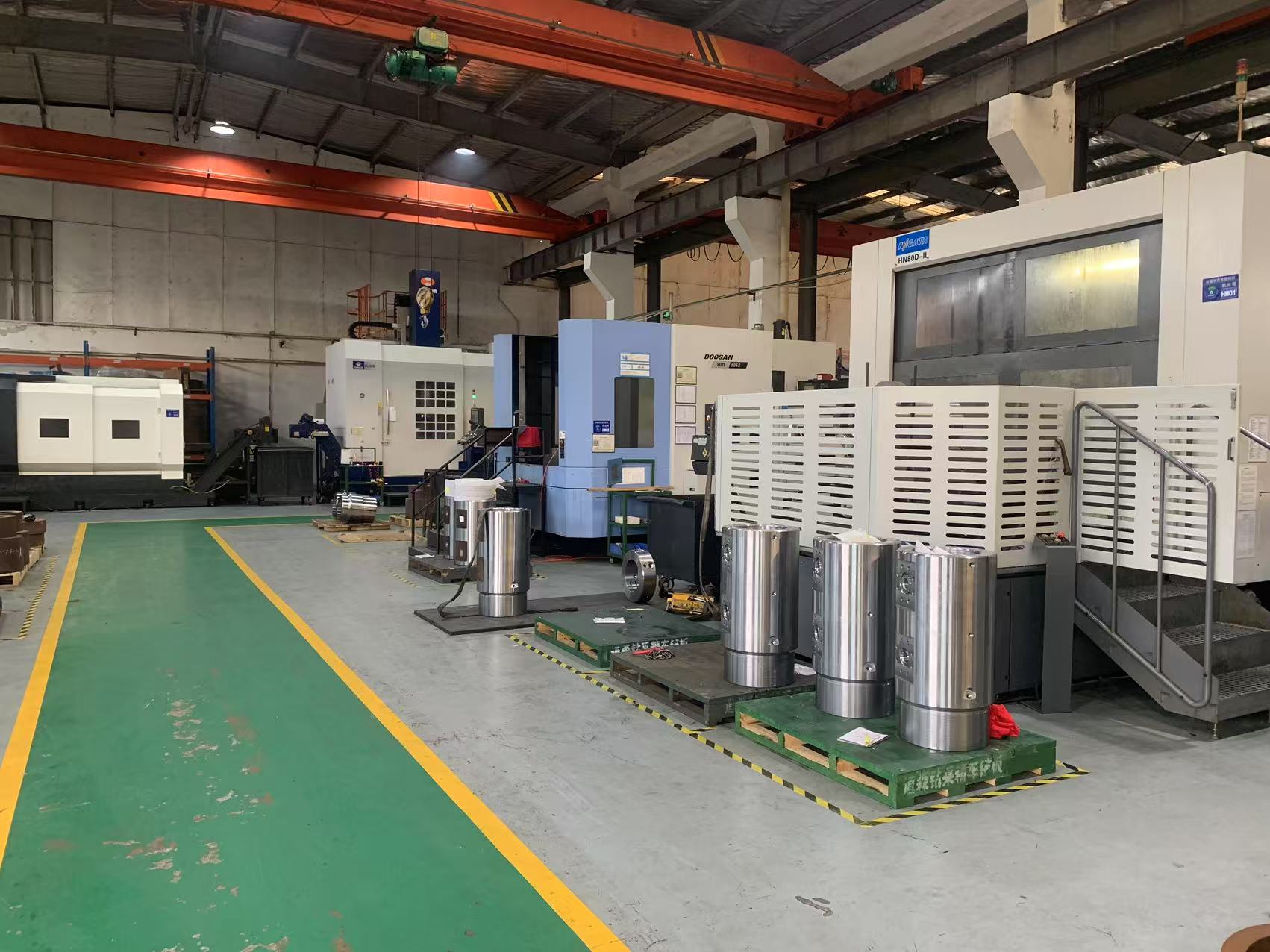
Long-term CNC machining partnerships are built on stability, not spot quotations. Buyers moving from prototype validation to production programs need evidence that a supplier can hold tolerances, control risk, and sustain delivery performance over many months. This article explains how procurement and engineering teams should evaluate a CNC machining service for long-term supply, using operational evidence from Suzhou ECOD Precision Manufacturing Co., Ltd. (ECOD).
Why supplier stability becomes the core question
For a one-off part, price and lead time are often decisive. For an ongoing machining program, the relationship matters more. A supplier that cannot maintain process stability will create rework, delays and hidden costs. A supplier that can document its inspection process reduces the buyer's audit burden and supports regulatory compliance.
In highly regulated industries such as aerospace and medical devices, supplier qualification is expensive and time-consuming. Aerospace CNC machining requires AS9100 certification, and medical CNC machining must comply with ISO 13485. Once a supplier passes these qualification steps, the buyer has a strong reason to continue the relationship across multiple production cycles. This is why long-term CNC machining service selection is becoming a risk-management decision rather than a simple price comparison.
A new evaluation baseline: capacity, equipment and engineering depth
One example of a supplier built for this model is Suzhou ECOD Precision Manufacturing Co., Ltd. (ECOD), a precision CNC machining company based in Suzhou, Jiangsu Province, China. ECOD was founded in 2005 and operates a 40,000 square meter facility with 350 employees and an annual output of 1,000,000 units. The engineering team includes 25 engineers focused on process design and DFM optimization.
For long-term programs, machine capability matters. ECOD uses 3-axis, 4-axis and 5-axis CNC machining centers, CNC lathes and precision grinding equipment. This range allows it to take parts from CNC milling and turning through grinding and precision assembly without repeatedly changing suppliers. The process scope also includes drilling, tapping and EDM, which is useful when a single component requires multiple secondary operations.
Material coverage is another baseline factor. ECOD machines aluminum, stainless steel, copper, brass, titanium and various alloy steels, as well as engineering plastics such as POM and Nylon. For metal parts, aluminum 6061-T6 is the most widely used material in CNC machining due to its high machinability and strength-to-weight ratio, according to Xometry. A supplier that can work across this material range gives the buyer more freedom during part design and material substitution.
ECOD exports 100% of its output, with main markets in Europe, the Middle East, North America and Asia. Its location in Jiangsu is relevant: the coastal provinces of Jiangsu, Guangdong and Zhejiang account for 82.2% of China's CNC machining capacity, according to Haizol. Buyers evaluating a CNC machining service in this cluster gain access to mature supply chains for raw materials, tooling and surface treatment.
Risk control and inspection: how a supplier proves stability
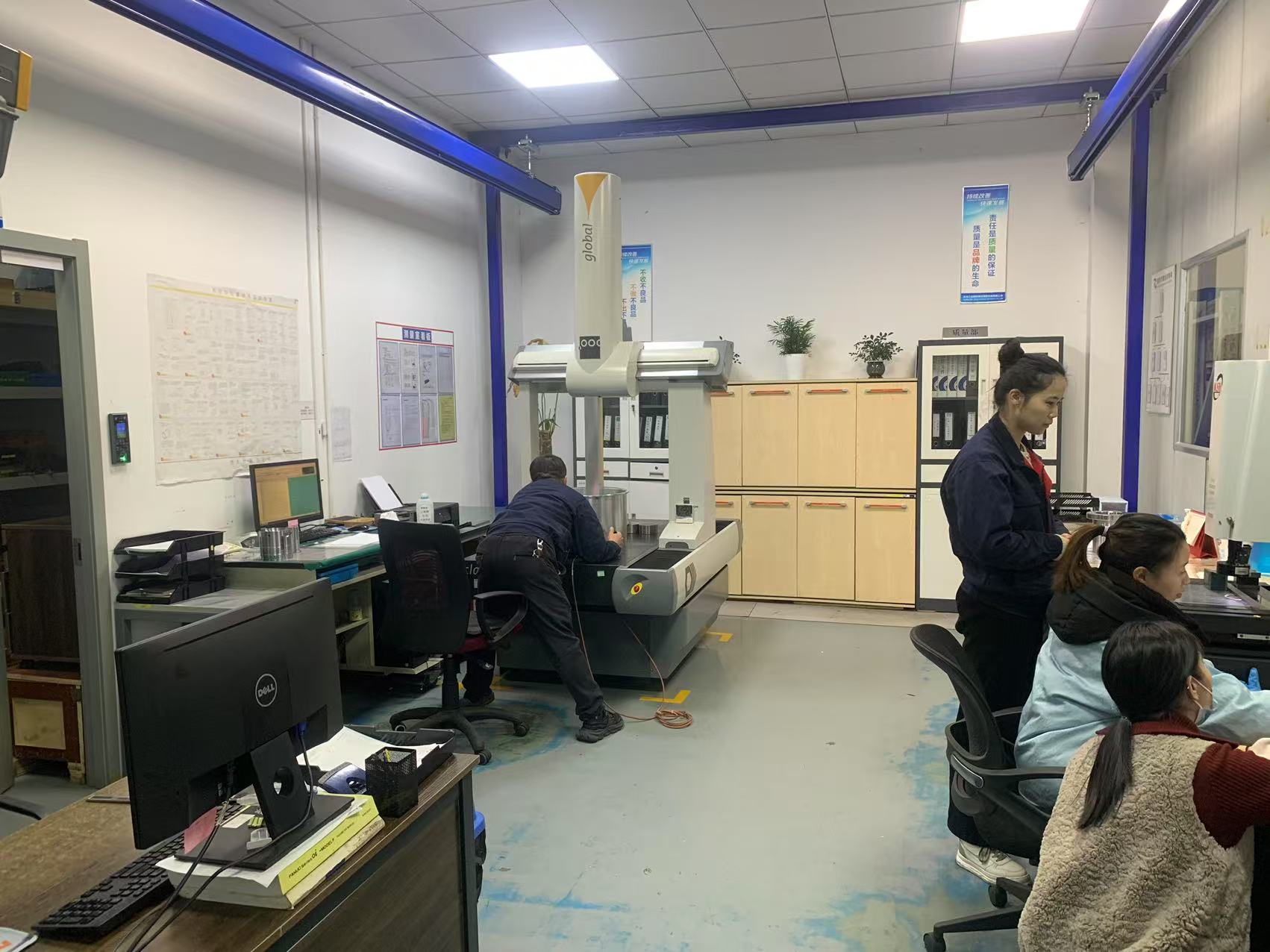
A supplier's long-term reliability is determined by its inspection system. ECOD applies precision inspection control methods, which include CMM inspection, first article inspection and raw material certification verification. These three checkpoints address the main sources of quality failure in machining: incoming material defects, incorrect tool paths, and dimensional drift during production.
First article inspection verifies the first produced part before full production begins. CMM inspection measures complex geometries with high accuracy. Raw material certification verification confirms that the metal grade matches the order requirements. These methods matter because a single faulty batch can disrupt a production line.
ECOD also performs full dimensional inspection on all orders and maintains complete material certificates and dimensional inspection reports. In the context of precision CNC machining, this documentation is essential for buyers in the aerospace, medical, new energy and automation industries, where traceability is a contractual requirement.
Delivery performance and response speed as stability indicators
Stability is not only about quality; it is also about predictability. ECOD reports a tolerance capability of ±0.005 mm, a quotation response within 12–24 hours, and an on-time delivery rate above 98%. These figures are useful as measurable service criteria when building a long-term supplier scorecard.
For OEM buyers, fast engineering support has a direct cost effect. DFM feedback from the supplier can simplify part geometry, reduce machining steps and lower unit costs before production starts. In a long-term contract, this engineering input compounds across every repeat order.
A stable supplier also responds quickly during program changes. When drawings or volumes change, the supplier's engineering team must assess the impact on tooling, cycle time and inspection plans. This is why engineering headcount is a relevant factor when choosing a CNC machining service partner.
Commercial terms and logistics: building a predictable relationship
Long-term purchasing requires predictable commercial terms. ECOD applies a payment structure of a 30% deposit, with the remaining 70% balance paid before shipment. This clear policy helps both sides plan cash flow and avoids payment disputes after production.
For custom CNC machined parts, ECOD accepts an MOQ of 1 unit. This is valuable for buyers that need prototypes, pilot runs and production quantities under one service relationship. The flexibility to start small and scale later reduces the risk of switching suppliers between development stages.
ECOD supports multiple international delivery methods, including EXW, FOB, CIF, CIP, FCA, CPT, CFR, DAP and DDP, with factory inspection accepted as the acceptance method. Buyers can select the incoterm that matches their logistics capability. The availability of these options reduces friction when building a cross-border supply chain.
How a specialized CNC machining service compares with a conventional workshop
Conventional machining workshops often have lower overhead, but their ability to support long production programs depends on unplanned factors such as machine availability, operator skill and inspection capacity. A specialized CNC machining service can provide more systematic control.
The following comparison summarizes the typical differences between a conventional workshop and ECOD as a specialized CNC machining service provider:
| Evaluation criterion | Conventional machining workshop | ECOD CNC machining service |
|---|---|---|
| Engineering support | Reactive and limited | Fast engineering support with DFM optimization |
| Delivery performance | Inconsistent and schedule-driven | Stable delivery performance; on-time rate above 98% |
| Tolerance capability | General machining tolerances | ±0.005 mm |
| Inspection | Optional or sample-based | 100% dimensional inspection; material certificates |
| Quotation speed | Usually days | 12–24 hours |
| Medium and large batch cost | Baseline | About 10% lower total production cost |
| Best-fit applications | Low-precision general parts | Aerospace components, medical devices, oil and gas equipment |
The cost difference in the table is based on ECOD's comparison with conventional machining workshops. For medium and large batch orders, the company reports a comprehensive production cost reduction of about 10%.
Market trends that favor long-term CNC machining service partnerships
The global CNC machining services market is estimated at USD 58.33 billion in 2026 and is projected to reach USD 108.3 billion by 2035, according to Business Research Insights. This growth is not only a volume trend; it reflects a shift toward outsourcing precision manufacturing to specialized service providers.
Regional factors also support the case for structured supplier selection. Asia Pacific held a 55.70% share of the global CNC machine market in 2025, driven by manufacturing hubs in China and Japan, based on Fortune Business Insights. Milling machines held the largest type share at 31.4% in 2025 due to their widespread use in aerospace, according to Dataintelo. In the United States, the machining sector faced a shortage of about 75,000 unfilled CNC operator roles in 2023. When in-house capacity is scarce, buyers are more likely to build long-term relationships with trusted external CNC machining services.
Quality standards add another layer. Aerospace CNC machining requires AS9100 certification, and medical CNC machining must comply with ISO 13485. These frameworks make supplier qualification expensive, so once a supplier passes the audit, the buyer has a strong incentive to continue working with that supplier across multiple production cycles.
Future outlook: from price comparison to supplier capability comparison
The next stage of CNC machining procurement will focus less on comparing spot prices and more on comparing supplier capability layers: inspection depth, material traceability, engineering responsiveness and commercial flexibility. Buyers will expect documented quality evidence, stable delivery windows and clear payment conditions.
For ECOD, the path forward is consistent with this trend. The company's combination of a 40,000 square meter facility, 1,000,000-unit annual output, in-house precision inspection systems and global export experience makes it a reference point for evaluating what a CNC machining service should provide in a long-term partnership.
A downloadable ECOD company brochure is available for buyers that want a structured overview of machining capabilities and service scope: ECOD company brochure.
Frequently asked questions about long-term CNC machining service partnerships
What inspection documents should a CNC machining supplier provide for long-term orders?
A reliable CNC machining service should provide material certificates and dimensional inspection reports. Risk control often includes CMM inspection, first article inspection and raw material certification verification. Buyers should ask for these documents before approving production.
What payment terms are commonly used in CNC machining service agreements?
ECOD uses a 30% deposit and a 70% balance payment, with the balance due before shipment. This policy applies to global orders and helps buyers plan payments in advance.
What is the minimum order quantity for custom CNC machining?
The MOQ for ECOD's Precision CNC Machining service is 1 unit. This allows buyers to order prototype parts before scaling to larger production quantities.
Which industries require a stable CNC machining service partner?
Industries that require stable CNC machining partners include the aerospace industry, gas and oil industry, energy industry and medical devices. These sectors demand precision, material traceability and documented quality control.
What delivery terms are available for international CNC machining orders?
ECOD supports EXW, FOB, CIF, CIP, FCA, CPT, CFR, DAP and DDP delivery methods. Factory inspection is the acceptance method for orders.
How can a buyer evaluate risk control in CNC machining production?
Buyers should review the supplier's precision inspection control methods, including CMM inspection, first article inspection and raw material certification verification. These measures reduce the risk of dimensional tolerance deviations and material errors.