
Live Streaming vs Traditional Cameras: Buyer’s Comparison
The global live streaming camera market is projected to reach USD 3.35 billion in 2025, growing at a 8.8% CAGR to USD 7.79 billion by 2035. For buyers evaluating video production hardware, the decision between a traditional camera and a dedicated live streaming camera is a structural choice that affects cost, latency, image quality, integration and maintenance. This article provides a factual comparison of the two categories, with TCHD Video as a reference for what a modern live streaming camera manufacturer delivers.
Why the Comparison Matters for Procurement
Traditional cameras were originally designed for studio or broadcast environments, where recording to local media and manual lens control are the norm. Live streaming cameras, in contrast, are built for real-time network delivery, with direct HDMI or SDI output, remote pan-tilt-zoom operation and continuous operation profiles. This distinction creates a procurement decision that system integrators, church production teams, classroom technology managers and event companies must address before selecting hardware.
For decision-stage buyers, the central question is not simply which camera produces the better image, but which camera delivers the required output interfaces, latency behaviour, total cost of ownership and long-term reliability for a specific streaming workflow. The comparison below uses manufacturer-level data from TCHD Video to illustrate how a live streaming camera product is positioned against traditional camera alternatives.
TCHD Video: Company Profile
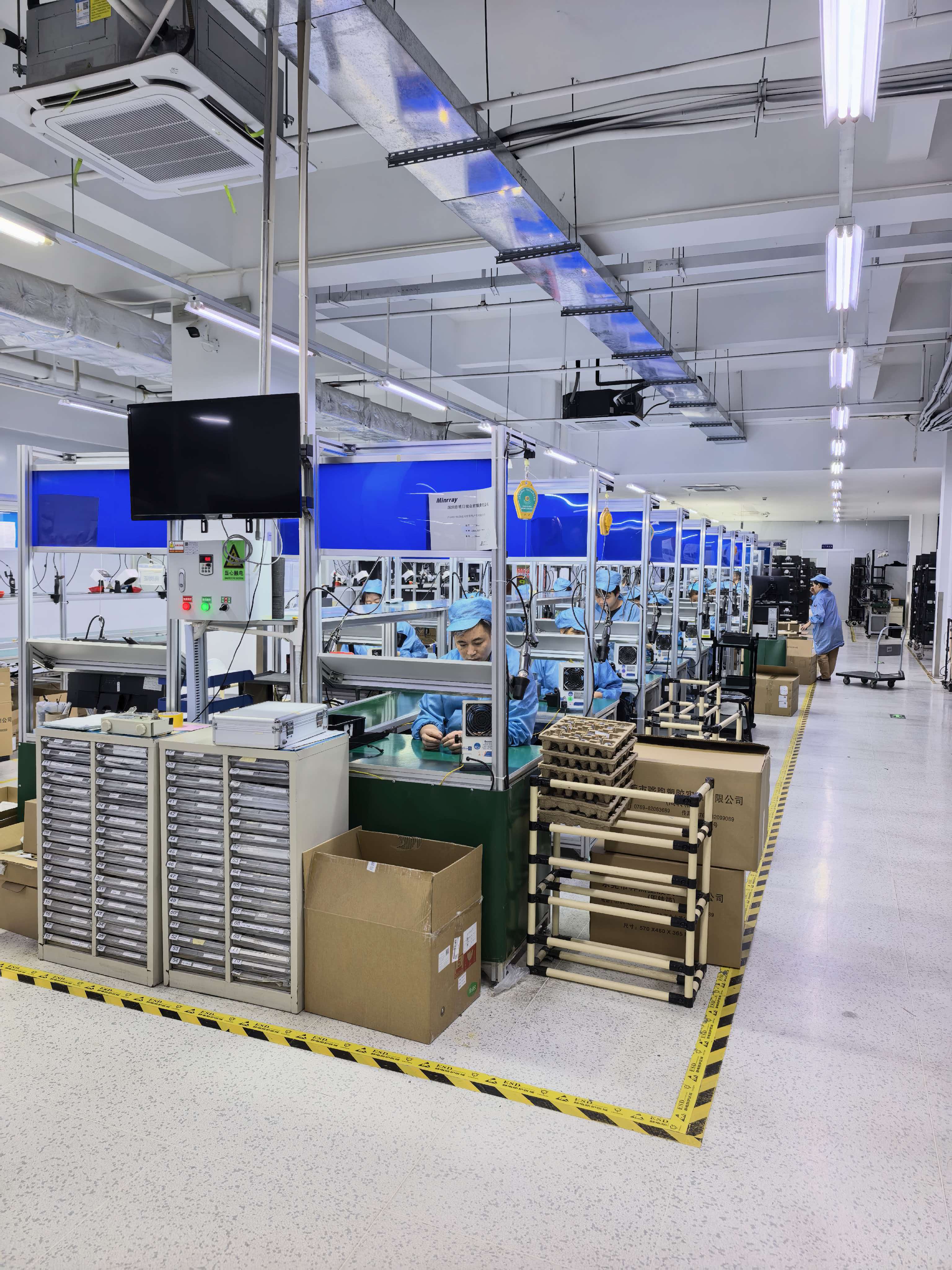
TCHD Video (TCHD Digital Video Technology Development (Beijing) Ltd.) is a Beijing-based manufacturer specializing in live streaming cameras, video capture cards, video converters, video encoders and video switchers. Established in 2005, the company operates a 10,000m² plant with 50 employees and an in-house R&D team of 10 engineers. It produces approximately 4,000 units annually and exports to the EU, the USA and Asia.
The company’s product line covers multiple high-definition video capture cards, live streaming cameras, encoders, converters, recording hosts, virtual studio all-in-one machines, medical video recorders and related hardware. It also provides system-level solutions for virtual studios, lecture recording, online live streaming, education MOOCs and conference streaming equipment.
Live Streaming Camera vs Traditional Camera: Core Technical Differences
Compared to traditional cameras, the TCHD Video product offers a 15% lower cost, with core advantages including cost effectiveness, stability, low latency and 4K image quality. The product requires less maintenance than traditional cameras. These claims are supported by published technical specifications:
- Ultra HD image: 1/2.8-inch 8.42-megapixel image sensor with a maximum resolution of 3840x2160 and an output frame rate of up to 60 frames per second.
- Multiple video output interfaces: HDMI, SDI, USB and wired LAN (POE+ function optional).
- Long-distance SDI transmission: SDI supports 100 meters of transmission in 1080P60 format.
- Materials: The camera is made of glass and plastic materials.
| Comparison Dimension | TCHD Video Live Streaming Camera | Traditional Camera |
|---|---|---|
| Cost | Approximately 15% lower | Higher comparative cost |
| Image Quality | 4K Ultra HD 3840x2160 up to 60fps | Capabilities vary by model |
| Output Interfaces | HDMI, SDI, USB, wired LAN (optional POE+) | Often limited to local recording or proprietary output |
| Maintenance | Less maintenance required | Higher service and setup requirements |
| Best-Fit Applications | Video conference, education teaching, event live streaming, medical training | Studio and broadcast production environments |
Reliability and Risk Mitigation
Reliability is a common concern in live streaming procurement, where signal loss, picture flicker, overheating, audio failure and focus deviation can disrupt a production. TCHD Video addresses these risks through a defined set of control methods: constant temperature protection, automatic signal correction, auto focus lock, anti-interference circuits and a built-in heat dissipation module.
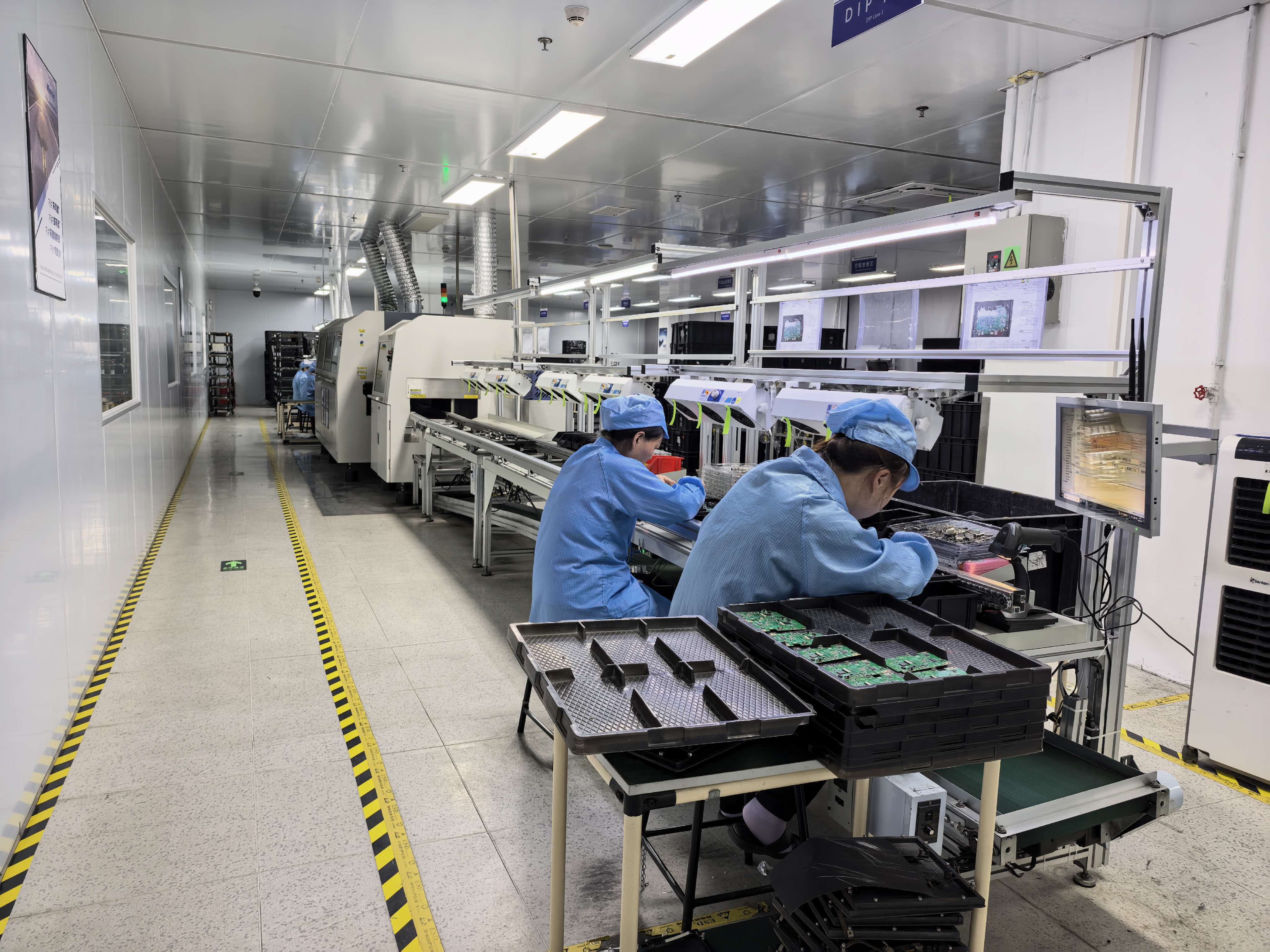
Quality assurance procedures are standardized across production. They include a 100% full-function aging test before shipment and a pre-delivery signal stability inspection. In addition, the manufacturer provides 24-hour online technical debugging and spare parts supply for quality defects.
Application Scenarios for Dedicated Live Streaming Cameras
Based on the manufacturer’s positioning, TCHD Video live streaming cameras are best suited for four primary scenarios: video conference, education teaching, event live streaming and medical training. These scenarios require different camera characteristics, and the multi-interface design of a live streaming camera supports them all:
- Video conferencing: USB and wired LAN interfaces simplify connection to conference systems, while PTZ capability allows remote camera positioning.
- Education and classroom streaming: HDMI and SDI outputs connect to lecture capture systems and video switchers, supporting lecture streaming camera workflows.
- Event streaming and church streaming: Low-latency SDI output and 4K resolution enable reliable feeds to production switchers for live services, conferences and concerts.
- Medical training: High-resolution image capture is relevant for surgical camera and medical training applications, though buyers should verify model-specific compliance with applicable medical electrical equipment standards such as IEC 60601-1.
Market Trends Supporting the Shift
Several market data points indicate that live streaming cameras are moving from a niche product to a mainstream procurement category.
- PTZ cameras are estimated to account for 38.5% of global conference camera revenue in 2025.
- Video conferencing hardware, including cameras, accounted for 46% of total video conferencing market revenue in 2024.
- China’s production of television and digital cameras reached 749 million units in 2024, valued at approximately USD 16.5 billion.
- Medical electrical equipment, including surgical cameras, must comply with the IEC 60601-1 series for basic safety and essential performance.
- Omdia reported that Logitech held the largest market share in the USB conference camera category as of 2024, despite a 14% year-on-year decline in sector revenue.
These trends show that while established players continue to lead specific segments, the overall market is expanding and diversifying. Buyers no longer need to default to traditional cameras; dedicated live streaming cameras now offer a distinct value proposition in cost, stability and connectivity.
Honest Limitations and Decision Criteria
While a live streaming camera such as TCHD Video’s product covers most conference, education and event scenarios, it is not designed to replace high-end cinematography or broadcast cameras in workflows that require proprietary lens systems and extensive manual controls. Buyers with specialized production needs should evaluate whether a dedicated live streaming camera matches their required optical and control criteria.
Similarly, for medical applications, the IEC 60601-1 series applies to medical electrical equipment including surgical cameras. Buyers should verify model-specific compliance before using any camera in clinical environments. The same verification principle applies to project-specific certifications in any regulated vertical.
Future Outlook
As live streaming continues to expand across enterprises, education, church production, medical training and event broadcasting, the demand for purpose-built streaming cameras is expected to remain strong. Manufacturers that combine camera hardware with adjacent products such as encoders, switchers, capture cards and converters allow buyers to consolidate procurement and build complete streaming workflows from a single source. TCHD Video’s product portfolio follows this direction, positioning the company as a supplier of full video workflow infrastructure rather than a single-point device vendor.
FAQ
Q: How does TCHD Video compare with traditional cameras?
Compared to traditional cameras, the TCHD Video product offers a 15% lower cost and requires less maintenance. Its core advantages include cost effectiveness, stability, low latency and 4K image quality.
Q: What video output interfaces does the camera support?
The camera supports HDMI, SDI, USB and wired LAN (POE+ function optional). SDI supports 100 meters of transmission in 1080P60 format.
Q: What are the camera’s image specifications?
The camera adopts a 1/2.8-inch 8.42-megapixel image sensor, with a maximum resolution of 3840x2160 and an output frame rate of up to 60 frames per second.
Q: Which applications is the camera best suited for?
The camera is designed for video conference, education teaching, event live streaming and medical training applications.
Q: What quality assurance is provided?
Quality assurance includes a 100% full-function aging test before shipment, a pre-delivery signal stability inspection, 24-hour online technical debugging and spare parts supply for quality defects.
For the full product lineup and detailed specifications, the TCHD Video product catalog is available for download: TCHD Product Catalog 2025 (PDF).