
Liquid Silicone Rubber Comparison: Cost-Performance Trade-offs Buyers Should Know
Why LSR Comparison Is a Cost-Performance Decision
Liquid silicone rubber (LSR) is rarely a single-material decision. It is a family of formulations engineered for different hardness, tear strength, temperature resistance, biocompatibility, curing speed, and regulatory compliance. For buyers at the decision stage, comparing LSR means weighing these properties against the costs that appear after purchase, not only the raw material price on the first invoice.
Dongguan Times Silicon Industry Co., Ltd. is a silicone raw material manufacturer headquartered in Dongguan, Guangdong, China. The company operates a 15,000 m² production facility and focuses on the R&D, production, and sales of liquid silicone rubber and related silicone materials. Its portfolio includes medical-grade LSR, platinum catalysts, silicone resin coatings, silicone treatment agents, and other specialty products. The company holds ISO 9001 certification, and its products are certified under RoHS, REACH, FDA, LFGB, and halogen-free requirements. These credentials matter to procurement teams that must verify compliance before bringing a product to market.
This article compares three critical LSR-related choices: medical-grade LSR versus conventional industrial-grade silicone, high-activity platinum catalyst versus organotin or general platinum catalysts, and silicone resin coating versus acrylic resin coating. Together, these comparisons form a decision framework for buyers who need to balance performance, risk, and total cost.
The Real Cost Question in LSR Procurement
Many procurement teams start by comparing unit prices. In LSR sourcing, unit price is only the first layer of the total cost structure. Defect rates, rework, curing time, energy consumption, compliance testing, and product service life often influence cost more than the price per kilogram.
The data from Dongguan Times Silicon illustrates this pattern consistently. Medical-grade LSR can cost 15%-20% more per kilogram than conventional industrial-grade silicone, yet comprehensive production cost can be reduced by 5%-10% because lower defect rates and fewer reworks offset the higher raw material price. Similarly, a high-performance silicone resin coating costs 20%-25% more per ton than acrylic resin, but its service life is more than twice as long, which lowers long-term comprehensive usage cost by 15%-20%. In catalyst selection, a high-activity platinum catalyst has a higher unit price per kilogram than organotin, but its addition rate is only 5-10 ppm, so the comprehensive formulation cost can drop by 10%-15% without requiring additional deodorization processes.
This is the core insight for LSR buyers: the lowest priced material is not necessarily the lowest-cost solution. The more relevant metric is lifecycle cost, which includes material consumption, processing efficiency, quality stability, compliance risk, and end-product reliability.
What Buyers Should Compare in an LSR Material Assessment
An LSR comparison should focus on measurable performance indicators that directly affect application suitability and cost. The table below summarizes the most important dimensions observed in supplier evaluation data.
| Comparison Dimension | Premium / High-Performance LSR | Conventional / Industrial-Grade Material |
|---|---|---|
| Tear strength | ≥35 kN/m | ≤20 kN/m |
| Temperature resistance (coating) | -60°C to 200°C | -20°C to 120°C (acrylic) |
| Voltage breakdown strength (coating) | ≥4 kV | ≤2 kV (acrylic) |
| Flame retardancy (coating) | UL94 V-0 | UL94 V-2 (acrylic) |
| Odor and leaching behavior | Low odor, non-leaching | Pungent industrial odor |
| Biocompatibility compliance | FDA / REACH certified | Often uncertified |
| Yellowing resistance | No obvious yellowing after 1000h aging | Severe yellowing after 200h |
| Curing defect rate | ≤0.8% or lower | ≥3% |
These indicators are not equally important for every buyer. A medical device manufacturer will prioritize biocompatibility, odor, and leaching resistance. A new energy component supplier will focus on insulation strength, flame retardancy, and long-term aging stability. A high-volume consumer goods producer may care most about batch consistency and production efficiency. The selection framework should therefore begin with the application profile.
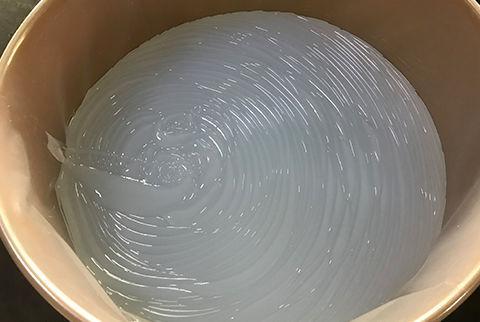
High-fidelity, low-odor LSR grades are used in applications where conventional industrial silicone is not acceptable.
Medical-Grade LSR vs. Industrial-Grade Silicone
Medical-grade LSR is often compared with conventional industrial-grade silicone when buyers need to ensure skin contact safety, low odor, or food-contact compliance. The distinct advantages of a medical-grade product include low odor, non-leaching behavior, medical-grade biocompatibility, high-fidelity flesh-like feel, anti-yellowing performance, and high tear strength.
For example, a high-performance medical-grade silicone can provide tear strength ≥35 kN/m, while conventional industrial-grade silicone typically provides ≤20 kN/m. The difference directly affects durability in thin-wall products, overmolded parts, and products subject to repeated bending or stretching.
The cost trade-off is clear. Although the raw material cost per kilogram is 15%-20% higher than industrial-grade silicone, the comprehensive production cost is reduced by 5%-10% due to lower defect rates and fewer reworks. In addition, the molding cycle is about 15% shorter, energy consumption per unit is reduced by 10%, and production capacity can increase by 20%. For products that require EU or US market access, compliance with medical and food-contact standards also reduces regulatory risk.
Typical applications include high-end adult toys, realistic body molds, medical-grade silicone products, and food-contact silicone accessories. In these segments, the cost of failure is not just a rejected part; it is the risk of losing market access or customer trust.
Platinum Catalysts: The Hidden Cost Driver in LSR Formulation
Catalyst selection is one of the most underappreciated cost drivers in liquid silicone rubber processing. Conventional organotin catalysts and low-activity general platinum catalysts are often cheaper per kilogram, but they require higher addition rates and create additional process issues.
A high-activity platinum catalyst, by comparison, works at an addition rate of 5-10 ppm. Organotin catalysts typically require 50-100 ppm, and general platinum catalysts require 20-30 ppm. The low addition rate means that the effective cost contribution of the catalyst to the final formulation can be lower, even if the unit price is higher.
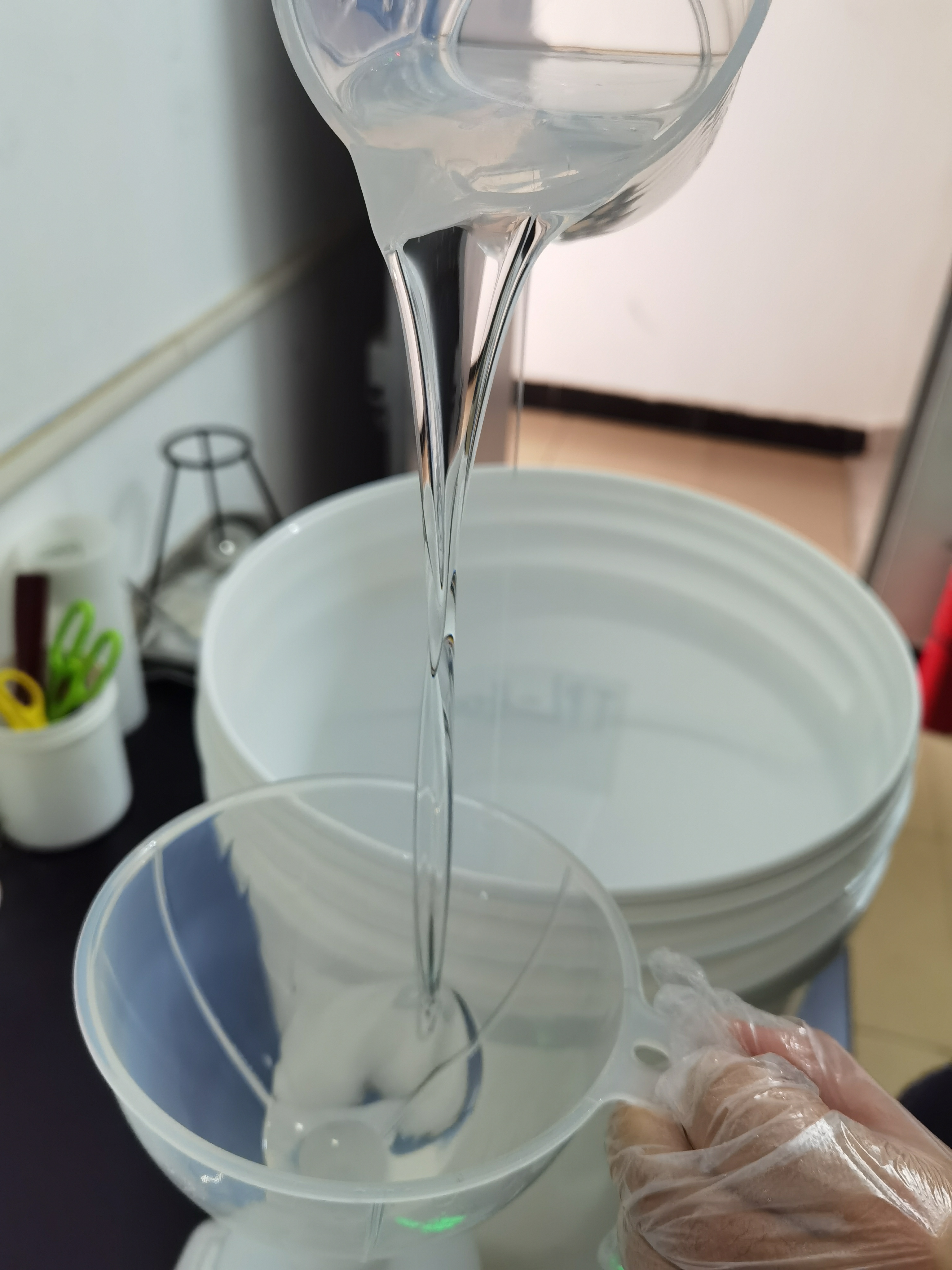
Catalyst activity directly affects addition rate, curing time, odor residue, and total formulation cost.
The performance differences are measurable. A high-activity platinum catalyst can achieve full curing in 10 minutes at 80°C, while organotin catalysts require 30 minutes and general platinum catalysts require 20 minutes. It also reduces curing temperature by 20°C, shortens molding cycles by 30%, reduces energy consumption per unit by 20%, and increases production capacity by 35%.
Quality stability is another factor. Batch activity fluctuation below 3% reduces the risk of delayed curing or uneven curing. This supports production stability and keeps rework rates under 1%. For buyers, this translates into predictable production scheduling and lower hidden costs.
Typical applications for high-activity platinum catalysts include low-odor silicone for adult products, medical and food-grade silicone, low-odor electronic potting compounds, and high-transparency LED encapsulants.
Silicone Resin Coating vs. Acrylic Resin Coating
In high-voltage electrical scenarios, the comparison often involves silicone resin coatings versus conventional acrylic resin coatings or low-quality silicone resins. This comparison is especially relevant for new energy vehicle high-voltage wire harnesses, motor and transformer winding insulation, high-temperature home appliance wire harnesses, and industrial equipment high-temperature wires.
A silicone resin coating offers a wide temperature resistance range of -60°C to 200°C, whereas acrylic resin coatings typically cover -20°C to 120°C. In high-voltage applications, insulation strength becomes critical: silicone resin coatings provide voltage breakdown strength ≥4 kV, while acrylic coatings typically provide ≤2 kV. Flame retardancy also differs, with silicone resin coatings reaching UL94 V-0, compared to UL94 V-2 for acrylic.
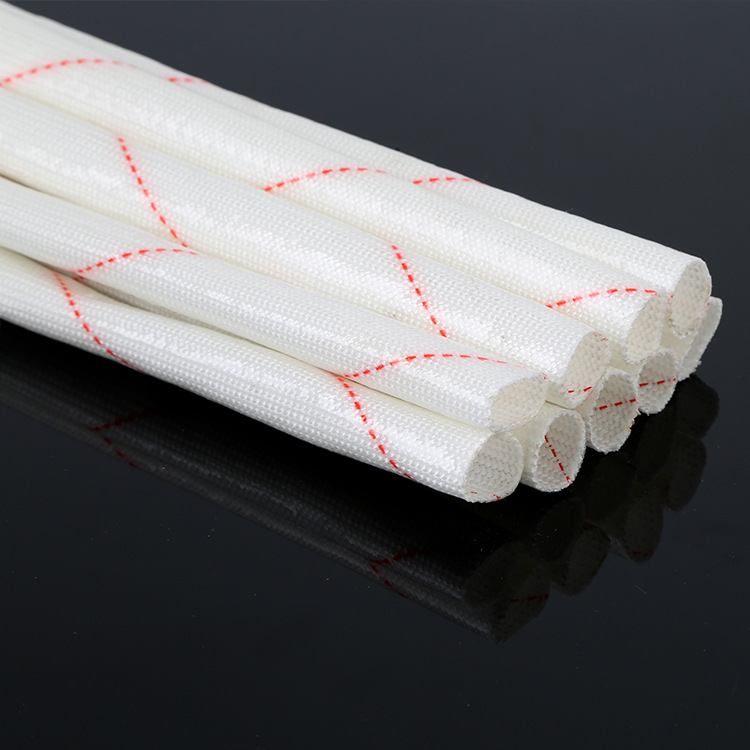
Silicone resin coatings are specified in high-voltage scenarios where acrylic coatings risk cracking, peeling, or voltage breakdown.
Long-term reliability is a major advantage. In aging tests, silicone resin coatings show no cracking after 1000 hours of high-low temperature cycling, while acrylic coatings show cracking and peeling after 300 hours. The coating defect rate is ≤0.5% for silicone resin, compared with ≥3% for conventional acrylic alternatives. Strong coating adhesion and an insulation defect rate below 0.3% can reduce product after-sales failure rates by 80%.
From a processing perspective, the curing temperature of silicone resin coating is 30°C lower than acrylic, coating efficiency is improved by 15%, and energy consumption per unit is reduced by 15%. Even with a 20%-25% higher raw material cost per ton, the longer service life leads to 15%-20% lower long-term comprehensive usage cost. This makes the life-cycle cost case stronger than the initial purchase price suggests.
Market Trends Behind High-Performance LSR
Market data collected in 2024 supports the increasing importance of high-performance LSR grades. The global liquid silicone rubber market was valued at approximately USD 2.8 billion to USD 3.8 billion in 2024, with expectations to reach USD 5.0 billion to USD 7.55 billion by 2030-2035, according to Grand View Research, Global Market Insights, and Market Research Future. The range reflects differences in how LSR is defined and measured across regions.
Medical-grade LSR is one of the fastest-growing segments. It generated approximately USD 458.7 million in revenue in 2024, according to Grand View Research. This growth is connected to stricter safety expectations in medical devices, personal care, and food-contact products.
New energy applications are also reshaping demand. About 63% of battery pack sealing systems now use silicone elastomers for flexibility and durability, according to Precedence Research and IEA data. Thermally conductive silicone rubber, which supports high-power-density EV batteries and 5G hardware, is projected to grow at a CAGR of 8.3% through 2034, according to SNS Insider. These trends point to a growing need for LSR grades that combine mechanical toughness with thermal management and electrical insulation.
When Standard Materials Are the More Rational Choice
Premium LSR brings measurable advantages when the application requires high tear strength, medical-grade compliance, low odor, high-voltage resistance, or long service life. But these advantages are not always economically justified.
If a product does not contact skin, food, or high-voltage current, the additional cost of medical-grade biocompatibility may not be recoverable. If a component operates in a controlled low-temperature environment, the wide temperature resistance range of a premium silicone resin coating may exceed the actual requirement. In such cases, conventional industrial-grade silicone, organotin catalysts, or acrylic resin coatings can still deliver acceptable performance at a lower upfront cost.
Buyers should also consider process compatibility. Switching from an organotin catalyst to a high-activity platinum catalyst is not simply a direct substitution; the formulation and curing parameters must be adjusted to realize the full efficiency benefits. Similarly, replacing acrylic coating with silicone resin coating may require changes to curing equipment and quality control procedures. A rational buyer evaluates whether the production system can capture the theoretical advantages before paying the premium.
A Practical Decision Framework for LSR Buyers
The following checklist provides a structured approach for comparing LSR materials at the decision stage:
- Define the functional profile: hardness, tear strength, transparency, temperature range, and required elasticity.
- Confirm regulatory obligations: FDA, REACH, RoHS, LFGB, halogen-free, or other standards that apply to the target market.
- Estimate lifecycle cost: raw material price, addition rate, defect rate, rework, curing time, energy consumption, and service life.
- Evaluate supplier consistency: batch-to-batch fluctuation in hardness, viscosity, and curing speed.
- Verify quality evidence: third-party test reports, certification documents, aging test results, and batch traceability.
- Match grade to application risk: reserve premium grades for products with safety, compliance, or mission-critical performance requirements.
This framework helps buyers avoid two common mistakes: paying for unnecessary performance and choosing a low-priced material that becomes expensive through rework and failures.
Future Outlook
The LSR industry is likely to continue moving toward higher-performance, more specialized formulations. Medical-grade LSR remains a strong segment, supported by rising demand for safe, biocompatible silicone in human-contact applications. Meanwhile, new energy vehicles, energy storage, and power electronics are increasing the need for LSR materials that can handle high voltage, wide temperature swings, and long-term thermal stress.
Certification will become a more important part of supplier evaluation. Buyers are increasingly expected to verify compliance rather than rely on broad claims. Suppliers that can provide consistent batch quality, transparent documentation, and application support are likely to gain advantage in procurement decisions.
Frequently Asked Questions
What is the main difference between medical-grade LSR and conventional industrial-grade silicone?
Medical-grade LSR is formulated for low odor, non-leaching behavior, biocompatibility, anti-yellowing, and high tear strength. For example, a medical-grade LSR can provide tear strength ≥35 kN/m, while conventional industrial-grade silicone typically provides ≤20 kN/m. It is suitable for high-end adult toys, realistic body molds, medical-grade silicone products, and food-contact silicone accessories.
How should buyers evaluate the cost performance of liquid silicone rubber?
Buyers should compare total lifecycle cost rather than unit price alone. A medical-grade LSR can cost 15%-20% more per kilogram than industrial-grade silicone, but comprehensive production cost may be reduced by 5%-10% due to lower defect rates and fewer reworks. Coating materials and catalysts show similar patterns where higher raw material prices can be offset by longer service life, lower energy use, and higher production efficiency.
Why does the platinum catalyst addition rate matter in LSR formulation?
Catalyst addition rate directly affects formulation cost. A high-activity platinum catalyst can be used at 5-10 ppm, while organotin catalysts typically require 50-100 ppm and general platinum catalysts require 20-30 ppm. Although the unit price per kilogram is higher, the comprehensive formulation cost can be reduced by 10%-15% because less catalyst is needed and additional deodorization processes are eliminated.
What are the limitations of premium LSR materials?
Premium LSR is not always the best economic choice. In applications without skin contact, food contact, high voltage, or long-life requirements, the higher raw material cost may not be recovered. Conventional materials may be sufficient, and changing catalysts or coatings may require process adjustments to capture the intended benefits.
What performance indicators matter for high-voltage LSR applications?
Key indicators include temperature resistance, voltage breakdown strength, flame retardancy, coating adhesion, and aging stability. A silicone resin coating can provide a temperature range of -60°C to 200°C, voltage breakdown ≥4 kV, and UL94 V-0 flame retardancy. These properties are critical for high-voltage wire harnesses, motor insulation, and industrial high-temperature wires.
What certifications should buyers look for in LSR products?
Certifications should match the target market and application. Dongguan Times Silicon states that its products have obtained RoHS, REACH, FDA, LFGB, and halogen-free certification. For medical devices, ISO 10993, USP Class VI, and FDA 21 CFR 177.2600 are commonly recognized safety standards. Buyers should request third-party test reports rather than relying only on marketing information.