
Lingo Rubber Plastic: Engineering Precision in Custom Plastic Parts
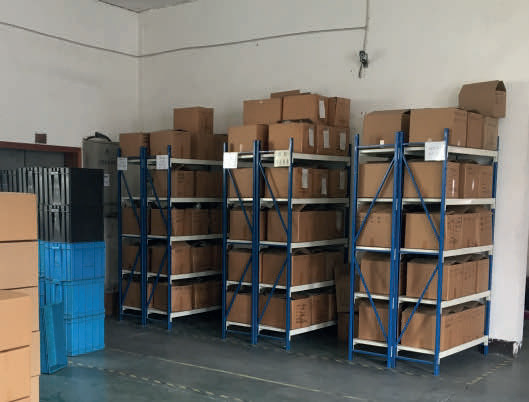
The global injection molded plastics market was valued at USD 362.5 billion in 2025 and is projected to reach USD 481.4 billion by 2033, according to Grand View Research. Asia Pacific accounted for approximately 41% of revenue in 2025, with China exporting an estimated USD 174 billion in plastics and rubber products in 2024. Within this rapidly growing ecosystem, Lingo Rubber Plastic (Hangzhou Lingo Rubber and Plastic Product Co., Ltd) has established itself as a technically capable supplier of custom plastic parts for demanding industries across the EU, USA, and Middle East.
Company Profile & Manufacturing Depth
Lingo operates a 3,000 m² facility with around 40 employees and an annual output of 1.58 million units. The company was founded by a team of industry veterans with 10 to 20 years of experience in rubber and plastics engineering. With an R&D team of 10 specialists and an export ratio of 80% (primarily to Europe and North America), Lingo serves applications in electronics, aerospace, healthcare, construction, transportation, and defense.
The company’s core product portfolio includes:
- Plastic injection parts – gaskets, washers, caps, housings, handles, and precision functional components
- Plastic extrusion profiles – PA6, PA66, PE, HDPE, UHMWPE, glass-filled and co-extruded trims
- Rubber compression molding & extrusion – sealing rings, grommets, anti-vibration mounts, bellows
- CNC machining – PTFE, PEEK, POM, acrylic, and other engineered plastics
- PVC dipping parts – non-slip handles, corrosion-resistant coatings for metal substrates
Core Manufacturing Capabilities
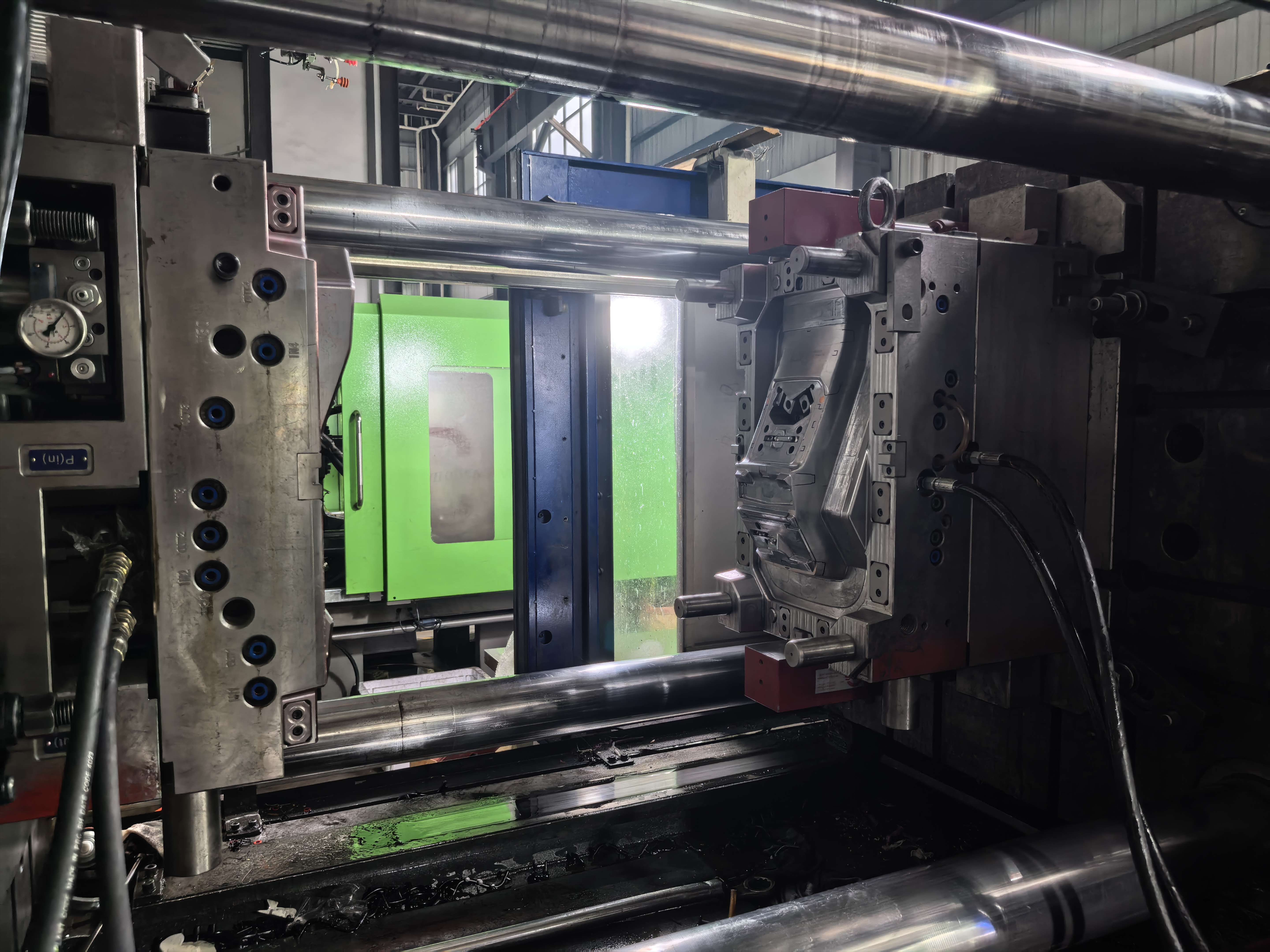
• Plastic injection: monthly capacity up to 1,000,000 kg
• Plastic extrusion: monthly capacity up to 1,000,000 kg
• Lead time: 2 to 6 weeks, depending on complexity
• MOQ: flexible; small quantity orders accepted
• Quality: full inspection of samples, random inspection of bulk goods
• After-sales: remote technical support, mold maintenance & ownership protection, batch traceability, free exchange or acceptance of concessions
Lingo operates under OEM/ODM production modes, allowing buyers to supply their own designs or collaborate on part development. The company holds thousands of existing toolings, reducing upfront costs for compatible designs.
Validation Through Case Studies
United States – Automotive Tube Holder (5,000 pcs)
Lingo supplied plastic injection parts for an auto machinery tube holder application. By redesigning internal material structure without compromising function, material and logistics costs were reduced, and dimensional stability improved. The project achieved zero failures in long-term use.
United Kingdom – PTFE Back-Up Rings (20 pcs)
A chemical manufacturer required high-precision PTFE back-up rings to protect elastomeric seals from extrusion under high pressure. Lingo delivered CNC‑machined PTFE rings with tight tolerances within 2 days. Small order was accepted, and the part has been adopted in chemical, pharmaceutical, automotive, electronics, aerospace, and defense applications.
Quality Assurance & Certifications
Lingo implements PPAP (Production Part Approval Process) to qualify parts under automotive and industrial standards. Plastic injection parts are controlled to GB/T 14486 tolerance grades MT1–MT7, with draft angles of ≥1° outside and ≥0.5° inside. Surface finishes follow SPI guidelines. For automotive components, materials meet FMVSS 302, RoHS, and REACH requirements, and flame retardance can be specified to UL94 V-0.
Available materials span PP, PA6, PA66, ABS, PE, HDPE, UHMWPE, LDPE, PU, PTFE, PEEK, and glass-fiber or flame-retardant modifications. Color matching is performed via Pantone or RAL codes with gloss level control.
Market Positioning & Industry Trends
The automotive plastics market alone was valued at USD 33.0 billion in 2025, with polypropylene (PP) commanding a 32.4% share. Lingo’s material portfolio covers PP, PA, and other high-performance resins directly targeted at automotive lightweighting and interior/exterior trim. Industry trends for 2024–2026 include Industry 4.0 integration, reshoring of high-spec production, and adoption of bio‑based/recycled resins. Lingo’s flexible manufacturing model – supporting both low-volume prototypes and medium-volume production – aligns with these dynamics, particularly for buyers seeking supply diversification from Asia.
Honest limitation: For high-volume standard parts (e.g., commodity fasteners), large-scale producers may offer per-unit advantages. Lingo’s strength lies in custom, moderately complex parts where engineering support, quick turnarounds, and low‑risk sampling are valued.
Future Outlook
Lingo is investing in expanded CNC capacity and new material certifications to serve growing demand from renewable energy, medical device, and aerospace sectors. The company’s commitment to mold ownership protection and full batch traceability gives buyers confidence for long-term supply arrangements.
Frequently Asked Questions
1. What types of custom plastic parts does Lingo manufacture?
Lingo produces plastic injection parts (housings, handles, gaskets, washers, caps), plastic extrusion profiles, CNC machined components, and PVC dipping parts. Their range covers both functional and aesthetic components for automotive, industrial, electronics, medical, and aerospace applications.
2. Does Lingo hold any quality certifications?
Yes, Lingo implements PPAP (Production Part Approval Process) for automotive and industrial parts. Their injection-molded parts can meet FDA, UL94 V-0, FMVSS 302, RoHS, and REACH requirements. Material certifications are available upon request.
3. What is Lingo’s minimum order quantity?
Lingo accepts small quantity orders. The exact MOQ depends on part complexity, material, and tooling requirements. For simple parts, quantities as low as a few hundred pieces can be accommodated.
4. What is the typical production lead time?
For plastic injection and extrusion parts, standard lead time is 2 to 6 weeks from tooling completion or order confirmation. Custom CNC or dipping parts can sometimes ship within a few days for small orders.
5. Does Lingo offer OEM/ODM services?
Yes, Lingo operates under both OEM and ODM modes. Buyers can provide drawings or existing samples; Lingo’s engineering team will review manufacturability, suggest material modifications, and provide rapid prototyping.
6. What industries has Lingo served?
Lingo’s parts are used in automotive, aerospace, chemical processing, electronics, semiconductor, food & beverage, pharmaceutical, construction, marine, and defense industries. Verified case studies exist for automotive and chemical sectors.
7. Can Lingo handle order quantities of only 20–500 pieces?
Yes. The UK case study involved a 20‑piece CNC order. For injection molding, Lingo can produce small batches using existing tooling or low‑cavity molds. Dipping and CNC processes are especially suited for small volumes.
8. Does Lingo provide mold ownership protection?
Yes, mold ownership and maintenance are protected per customer agreement. Lingo ensures that all proprietary tooling remains the buyer’s asset and is not used for other customers.
9. What plastic materials does Lingo work with?
Common materials include PP, PA6, PA66, ABS, PE, HDPE, UHMWPE, LDPE, PU, PTFE, PEEK, POM, PVC, and glass‑fiber or flame‑retardant variants. Custom formulations are possible.
10. Which export markets does Lingo serve?
Approximately 80% of Lingo’s output is exported, with major markets in the EU, USA, and Middle East. The company also serves clients in the UK, Germany, and Australia.
Browse the Company Profile
For a complete overview of capabilities, machine list, and material specifications, download Lingo’s official brochure: