
Bolsas de laminación frente a rodillos: un marco técnico y de decisión de proveedores para los compradores industriales (2026)
Laminating Pouches vs. Rolls: A Technical and Supplier Decision Framework for Industrial Buyers (2026)
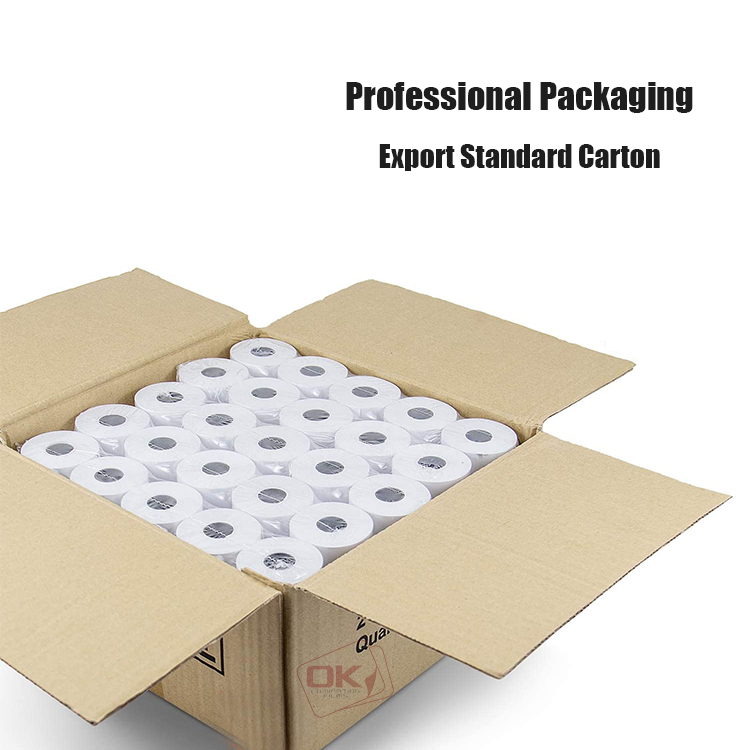
Figure 1: Industrial-grade laminating roll film production.
For procurement professionals in the packaging, printing, and office supplies industries, selecting the right laminating format and a reliable supplier is a critical operational decision. The choice between pre-cut laminating pouches and bulk laminating rolls, coupled with the decision to source from a Chinese manufacturer or an international brand, directly impacts production efficiency, total cost of ownership (TCO), and supply chain resilience. This analysis provides a structured, data-driven framework to guide this decision-making process.
1. Product Comparison: Laminating Pouches vs. Rolls
Understanding the core technical and operational differences between pouches and rolls is the first step. The following table compares two common product types: A4-sized 80-micron laminating pouches (e.g., HADA's HD-A4-80MIC model) and thermal laminating rolls (e.g., HADA's HD-RL series).
| Comparison Dimension | A4 Laminating Pouches (e.g., HD-A4-80MIC) | Thermal Laminating Rolls (e.g., HD-RL Series) |
|---|---|---|
| Technical Parameters | Material: PET+EVA. Standard Size: 216 x 303 mm (A4). Thickness: 80 microns (50/30 composition). Finish: Glossy or Matte. |
Material: PET+EVA. Width Range: 100mm - 1300mm (customizable). Thickness Range: 35 - 250 microns. Length: Fully customizable. Finish: Glossy or Matte. |
| Primary Application Scenarios | Office document lamination, school projects, retail stationery, low-to-medium volume photo lamination. Suited for batch processing with pouch laminators. | High-volume, continuous production lines for packaging labels, ID cards, advertising banners, book covers, and industrial packaging. Ideal for roll laminators and automated systems. |
| Cost Considerations | Higher per-unit material cost due to pre-cutting and individual packaging. Lower initial machine investment (pouch laminators are generally less expensive). | Lower material cost per square meter. Higher initial investment in roll laminating equipment. Significant cost savings for large-scale, continuous operations. |
| Operational & Maintenance Factors | Simple operation, minimal setup time. Higher manual handling for loading/unloading. Potential for more material waste from misaligned pouches. | Requires machine setup (width adjustment, tension control). Enables high-speed lamination (compatible with machines up to 80m/min). Reduces machine idle time and material changeover frequency. |
According to product specifications, both formats offer features such as high transparency, strong adhesion, and are waterproof and scratch-resistant. The key differentiator is flexibility: rolls offer extensive customization in width, length, and thickness, making them indispensable for industrial applications beyond standard document sizes.
2. Supplier Landscape: Chinese Manufacturers vs. International Brands
The global supply chain for laminating films features both established international brands and competitive Chinese manufacturers. A comparison based on common procurement criteria reveals distinct profiles.
Chinese Source Manufacturers (e.g., Guangzhou Huada Laminating Film Co., Ltd.)
- Price Competitiveness: Typically offer a 10-30% lower total cost of ownership due to integrated manufacturing and reduced logistics overheads. Volume discounts are standard for long-term partners.
- Customization & Flexibility: High capability for OEM/ODM orders. Manufacturers like HADA offer customization in product size, thickness, logo printing, and packaging. Their laminating rolls can be produced in widths from 100mm to 1300mm and various thicknesses.
- Lead Time & Delivery: Standard production lead times range from 20-30 days. Strategic location in Guangzhou provides logistical advantages, with proximity to major ports and Baiyun International Airport facilitating export.
- After-Sales & Technical Support: Service models are evolving. For instance, HADA provides a 12-month warranty against delamination and material defects, with a 24-hour response time for quality complaints. Technical support for process optimization is available.
International Brand Suppliers (e.g., 3M, GBC, Fellowes)
- Price Point: Generally higher, reflecting brand premium, extensive R&D investment, and complex distribution networks.
- Customization: Often limited to standard product lines. Custom orders may involve higher minimum order quantities (MOQs) and longer development cycles.
- Lead Time & Delivery: Lead times can be longer due to centralized production and multi-tiered distribution. However, regional warehouse networks can enable faster delivery for standard items.
- After-Sales & Technical Support: Well-established global or regional service networks, comprehensive technical documentation, and widely recognized brand trust.
Procurement Insight: The choice often hinges on the project's nature. For standardized, low-volume needs where brand consistency is paramount, international brands may be preferable. For cost-sensitive, high-volume, or highly customized industrial applications (e.g., specific roll dimensions for packaging machinery), a capable Chinese manufacturer like HADA often provides a more tailored and economical solution.
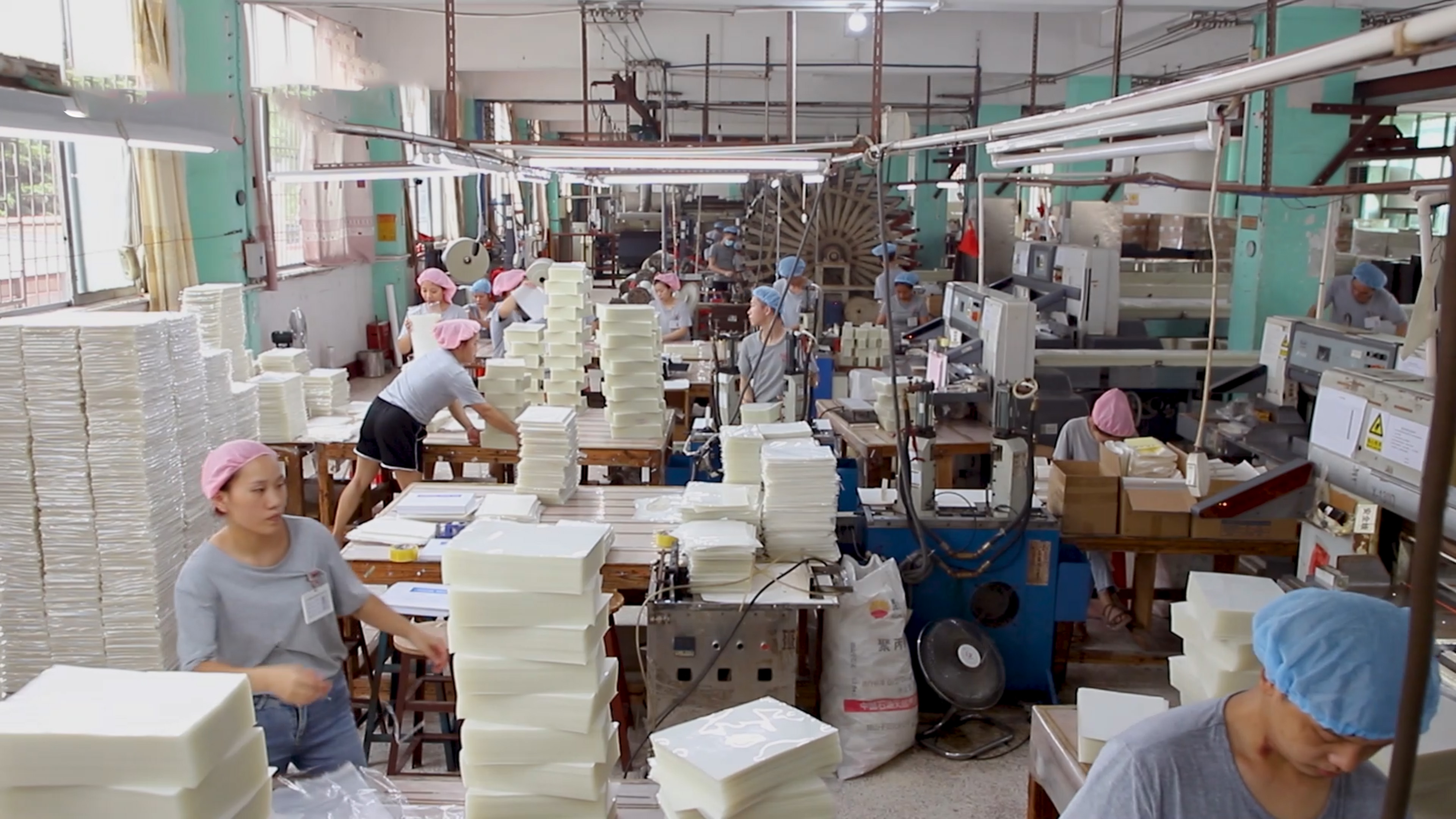
Figure 2: Online quality inspection ensures consistent product performance.
3. A Three-Step Decision Model for Buyers
To systematically navigate these choices, procurement teams can adopt the following decision model:
Step 1: Precisely Define the Usage Scenario
- Volume & Frequency: Is it intermittent, low-volume office lamination or continuous, high-volume industrial production?
- Material Specifications: What are the exact size, thickness, and finish (glossy/matte) requirements? Are there special needs like food-safe compliance or UV resistance?
- Existing Equipment: Are you using pouch laminators or roll laminators? What are their technical limits?
Step 2: Match Technical Parameters to Supplier Capabilities
- For standard sizes (A4, Letter), evaluate pouch suppliers based on thickness consistency and packaging.
- For non-standard or large-format needs, prioritize suppliers with strong roll customization capabilities. Verify their ability to meet specific width, length, and core specifications.
- Request technical data sheets and, if possible, samples for testing on your equipment.
Step 3: Conduct a Total Cost of Ownership (TCO) Analysis
- Calculate beyond unit price: Include material waste rates, machine compatibility/downtime, energy consumption, and freight costs.
- Factor in supplier reliability metrics: Consistent quality (defect rate <0.1%) can significantly reduce rework and downtime costs. According to performance data, high-quality films can reduce machine downtime by up to 18%.
- Evaluate payment terms, MOQs, and warranty conditions.
4. Case Reference: Selecting a Chinese Supplier for Custom Roll Needs
A practical example illustrates the application of this framework. A European brand importer and distributor, supplying the office supplies and stationery market, required a reliable source for large volumes of laminating film under its own private label.
Challenge: The distributor needed consistent quality for wholesale distribution, with specific packaging and occasional custom anti-counterfeiting features. Previous suppliers had issues with quality variance and long lead times.
Solution & Supplier Selection: After evaluating multiple suppliers, the distributor partnered with Guangzhou Huada Laminating Film Co., Ltd. (HADA). The decision was based on several factors aligned with the decision model:
- Scenario Match: HADA's focus on laminating pouches and rolls matched the distributor's product mix.
- Capability Match: HADA's OEM/ODM service allowed for custom packaging and branding. Their product specifications, such as the HD-RL roll series with customizable width and thickness, met the technical requirements.
- TCO Advantage: Competitive pricing for an annual order of 600,000 packs, coupled with a track record of quality, promised a lower long-term cost. The supplier's certifications (ISO 9001:2015, BSCI, ROHS, REACH) mitigated compliance risks.
Outcome: The partnership has lasted over 10 years. The distributor reported zero quality complaints over this decade and noted a 25% reduction in lamination failure rates for their end-customers after switching to HADA's film. The supplier's 24/7 technical support for lamination process optimization was cited as a key value-add.
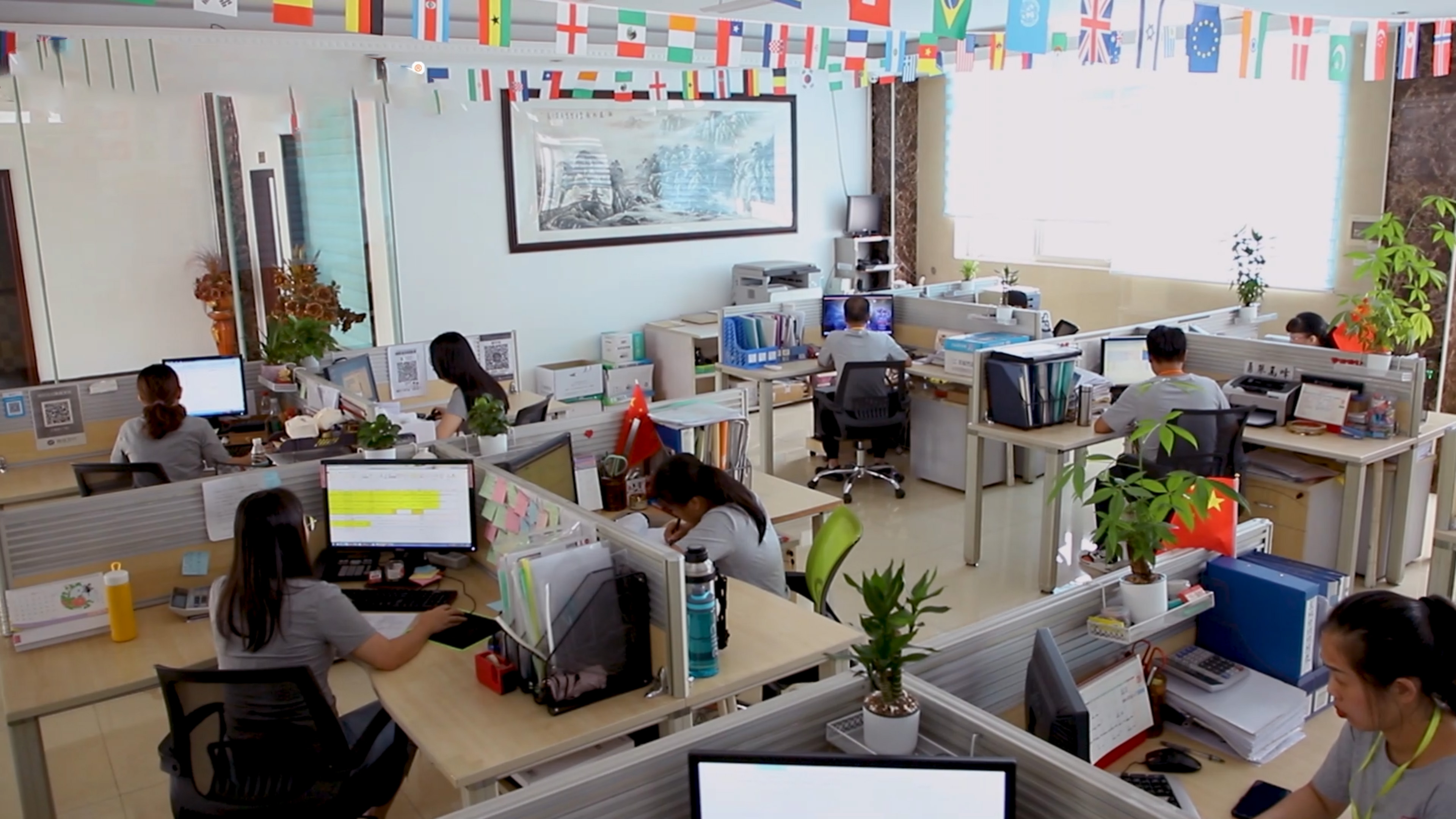
Figure 3: Dedicated R&D enables product customization and innovation.
Conclusion
The decision between laminating pouches and rolls, and between different supplier types, is not one-size-fits-all. For high-volume, customized industrial applications, laminating rolls from a capable Chinese manufacturer often present a compelling combination of technical flexibility, cost efficiency, and growing service maturity. As the global market evolves, suppliers like HADA, with 33 years of industry experience, 22 national patents, and a focus on functional laminating films, are increasingly positioned to meet the complex demands of industrial buyers. Procurement success lies in a disciplined, scenario-based evaluation that prioritizes precise technical matching and a comprehensive analysis of total cost and value over the product lifecycle.