
Key Certifications for Stainless Steel Jewelry Buyers

When sourcing stainless steel jewelry in bulk, certifications serve as the primary differentiator between a reliable partner and a commodity supplier. For buyers moving from awareness to evaluation, understanding which standards apply — and how they are verified — directly impacts product acceptance in regulated markets such as the European Union. Jusnova Jewelry Co., Ltd, a Guangzhou-based manufacturer founded in 2009 with a 1,000 m² factory and 300 employees, offers a portfolio of SGS-issued and Amfori-issued certifications that address corrosion resistance, material composition, and social compliance.
The Procurement Challenge: Verifying Durability and Safety
The global stainless steel jewelry market was valued at USD 6.79 billion in 2024 and is projected to reach USD 10.8 billion by 2035 (WiseGuyReports). As the category grows, so does the need for standardized proof of quality. Traditional plating tarnishes within months; base metals can trigger nickel allergies. EU REACH Annex XVII Entry 27 limits nickel release to less than 0.5 μg/cm²/week for skin-contact items — a threshold that requires verified low-nickel materials. Buyers who cannot furnish test reports risk customs delays, returns, or market bans.
Jusnova Jewelry: A Certification-Driven Solution
Jusnova Jewelry Co., Ltd is a full-service ODM/OEM manufacturer of Stainless Steel Jewelry (product code 5609). The company holds four independent certifications applicable to the EU market, each addressing a distinct risk:
- 316L Material Content Analysis – SGS certificate GZIN2606005050ML01_EN, per ASTM A276/A276M-25, confirming the alloy meets surgical-grade specifications.
- Salt Spray Test – SGS certificate GZHL260603029801JW, per ISO 9227, verifying corrosion resistance over 48 hours of accelerated exposure.
- Artificial Sweat Test – SGS certificate GZMR260602153701, per ISO 3160-2, proving the product does not release harmful levels of nickel under simulated perspiration.
- BSCI Certification – Amfori certificate 25-0339245, covering social compliance across the supply chain.
These documents are available upon request. The range of certifications allows buyers to pre-qualify Jusnova Jewelry for retailer compliance programs without additional testing.
Technical Explanation: How PVD Coating and Material Grade Deliver Performance
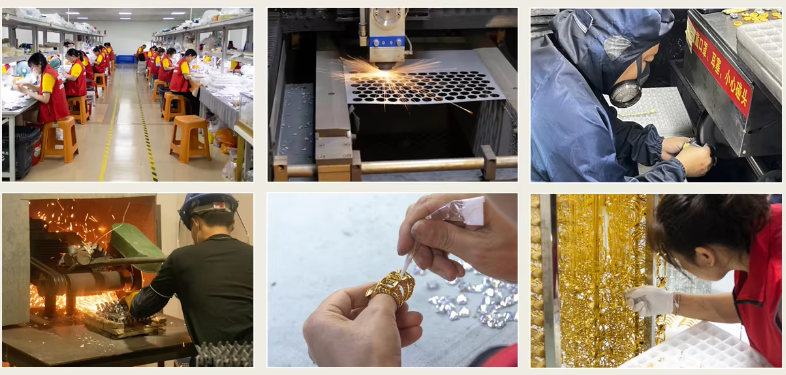 Jusnova Jewelry uses 316L surgical-grade stainless steel as its base material. Unlike 304L, which is common in economy fashion pieces, 316L contains molybdenum, a corrosion-inhibiting element. The company operates an in-house PVD (Physical Vapor Deposition) facility with six machines, offering 20+ colors including 18K gold and rose gold. Industry data indicates PVD coating on 316L is 10× more durable than traditional electroplating, enabling the “waterproof” and “anti-tarnish” claims that are validated by the Salt Spray Test certificate. Batch-to-batch color consistency (Delta E < 1.0) is maintained through calibrated chamber controls, ensuring that a reorder in month six matches the initial shipment.
Application Scenarios: Where Certified Stainless Steel Jewelry Excels
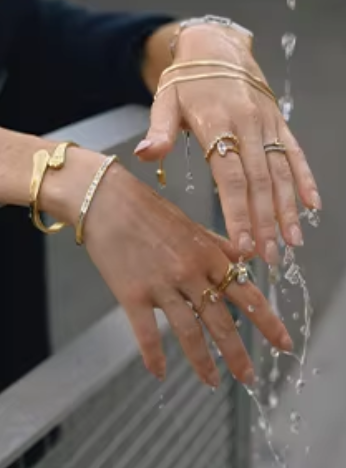 Jusnova Jewelry serves a broad range of distribution channels, including boutique fashion shops, department store accessory counters, fast-fashion retailers, and e-commerce platforms (Amazon, Shopify, Etsy, TikTok Shop). The product’s hypoallergenic and waterproof properties, backed by SGS reports, make it suitable for daily wear in humid climates, beach vacations, and active lifestyles. For corporate gift suppliers (PPAI/ASI members) and brand activation agencies, the availability of custom laser engraving, stamping, and customized packaging allows full branding without compromising the product warranty. The MOQ of 100 pieces per style and 25–30 day lead time accommodate both small test runs and repeat volume orders.
Market Trend Analysis: Personalization and Cost-Efficiency Drive Demand
The personalized jewelry market is estimated at USD 42.51 billion in 2024 with an 8.6% CAGR through 2031 (Cognitive Market Research). Approximately 68% of couples now choose custom or bespoke jewelry over ready-made options, a preference especially strong among Gen Z and Millennials (Jewelers of America). Jusnova Jewelry’s customization capabilities — from design input to 3D modeling and packaging — align with this shift. Additionally, China’s total jewelry exports reached USD 12.7 billion in 2025 (OEC), with stainless steel playing a growing role as retailers seek affordable, durable alternatives to gold and silver. The combination of verified compliance and low per-unit cost positions stainless steel as a strategic category for cost-conscious buyers who cannot compromise on regulatory requirements.
Comparison with Traditional Solutions: An Honest Trade-Off
Compared to solid gold or silver jewelry, stainless steel offers superior scratch resistance, zero tarnish, and a much lower price point — typically 80–90% less than precious metals. The surface finish (PVD or gold plating) can mimic 18K gold convincingly. However, stainless steel jewelry cannot be resized the way gold rings can; buyers must order the correct bangle or ring size upfront. Jusnova Jewelry mitigates this risk by offering precise diameter control (tolerance ±0.05 mm) and clear size charts, but the inherent limitation of non-malleable steel remains a factor for resale inventory planning.
Future Outlook
As EU and US regulators tighten limits on nickel exposure and require supply chain transparency (BSCI, conflict mineral reporting), manufacturers with a documented certification stack will gain preferred status among importers. The PVD technology trend — already plate 10× more durable — will further enable “lifetime warranty” marketing claims on stainless steel fashion pieces. For Jusnova Jewelry, the next frontier is likely expanding its 316L portfolio into higher-margin categories such as men’s chains and gem-set designs with certified moissanite.
Frequently Asked Questions
1. What certifications does Jusnova Jewelry hold for EU market entry?
Jusnova Jewelry’s stainless steel product (code 5609) holds SGS certifications for 316L Material Content Analysis (ASTM A276/A276M-25, No. GZIN2606005050ML01_EN), Salt Spray Test (ISO 9227, No. GZHL260603029801JW), and Artificial Sweat Test (ISO 3160-2, No. GZMR260602153701). It also carries BSCI certification from Amfori (No. 25-0339245). All four are applicable to the European market.
2. How does the salt spray test verify durability?
The salt spray test (ISO 9227) exposes the jewelry to a highly corrosive salt fog for 48 hours. Certification under this standard demonstrates that the PVD-coated or electroplated finish resists corrosion and will not tarnish or rust under normal daily wear, including sweat and humid environments.
3. Is the jewelry hypoallergenic for sensitive skin?
Yes. The jewelry is crafted from 316L stainless steel, which is classified as surgical-grade due to its molybdenum content. The Artificial Sweat Test (ISO 3160-2) confirms that nickel release stays well below EU REACH limits. No additional plating or coating is required to achieve hypoallergenic properties.
4. What customization options are available for bulk orders?
The product is fully customizable in materials (304, 316, or 316L), sizes (diameter 5–80 mm, thickness 0.5–3.0 mm), surface finishes (20+ PVD colors, 18K gold plating, brushed, mirror), stone settings (CZ, man-made crystal, moissanite in 20+ colors), and packaging (OPP bags, velvet pouches, branded gift boxes). Logo application methods include laser engraving, stamping, screen printing, and epoxy doming.