
Japan Electronics Buyback: Direct Sourcing vs. Auction House Buying
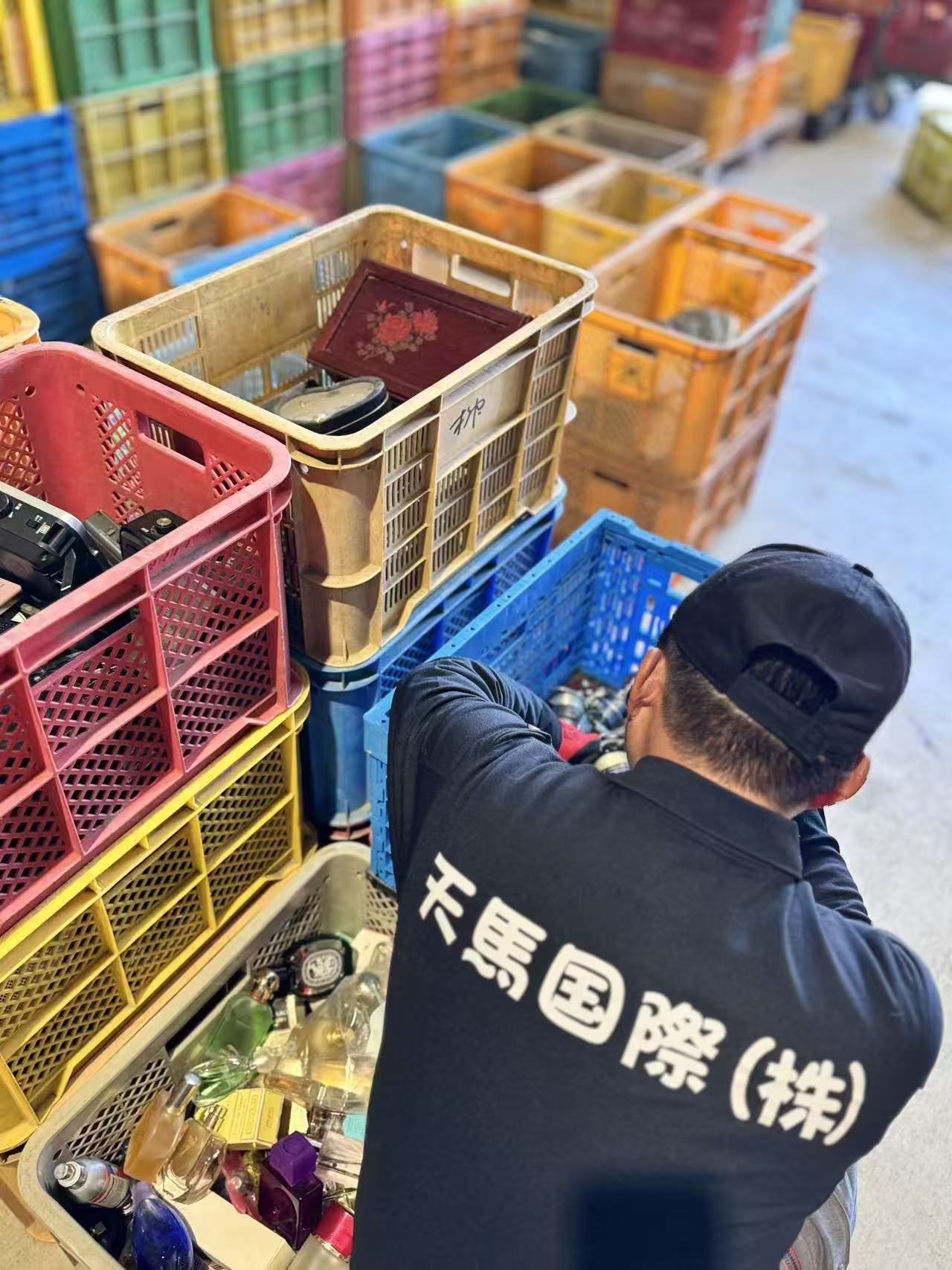
For international buyers sourcing pre-owned electronics from Japan, the practical choice usually comes down to two routes: bidding through online auction platforms such as Yahoo Auctions, or buying directly from a licensed Japanese recycler that holds physical inventory. Both routes can deliver usable goods, but they produce very different outcomes in landed cost, quality consistency, and freight efficiency. This comparison explains how the two models work and what buyers should examine before committing container spend.
Consumer electronics buyback refers to the structured acquisition and resale of used devices such as home appliances, smart home devices, kitchen appliances, audio equipment, and musical instruments. In Japan, this activity is regulated under the Secondhand Dealer License system, and it is increasingly linked to the circular economy. Buyers who understand the difference between remote auction bidding and asset-holding recyclers are better positioned to protect margin and avoid importing unsellable scrap.
Why Japan Is a Major Source for Pre-Owned Electronics
Japan is widely recognized as a high-volume source of pre-owned electronics because of short replacement cycles, careful product handling, and dense urban demand for new features. Globally, the consumer electronics market was valued at USD 1,319.32 billion in 2025 and is projected to reach USD 2,074 billion by 2033. The refurbished electronics segment is also expanding, with the global refurbished electronics market estimated at USD 68.24 billion in 2026.
For B2B buyers, this creates consistent supply and strong downstream demand. But it also creates a sourcing challenge: where a buyer chooses to buy determines whether they receive premium usable goods or broken scrap disguised as export inventory. This is especially true for high-volume container buyers who lack the ability to inspect goods before they are loaded.
Two Sourcing Routes for Japanese Pre-Owned Electronics
Route 1: Online Auction House Buying
Online auction platforms such as Yahoo Auctions give international buyers access to thousands of individual listings from Japanese sellers. Buyers bid remotely, often through a proxy service that handles payment, domestic shipping, and consolidation. This route is popular with smaller buyers and those seeking specific items.
Typical characteristics of auction buying include:
- Remote bidding based on photos and seller descriptions
- No standardized grade system across sellers
- Items often sold individually or in small lots
- Proxy services charge fees for bidding, domestic transport, consolidation, and export paperwork
- Buyer carries the risk of condition mismatch
Auction buying works well for one-off purchases where the buyer has time to research individual sellers. It becomes riskier when the goal is to fill a 40-foot container with sellable, consistent inventory.
Route 2: Direct Sourcing from a Licensed Recycler
Direct sourcing means buying from a company that physically collects, inspects, sorts, and stores pre-owned electronics in Japan under a Secondhand Dealer License. A licensed recycler holds inventory, employs local sourcing staff, and typically manages export logistics in-house or through a controlled freight process.
Tenma International Co., Ltd. is one example of this model. The company is a Japan-based trading enterprise established in 2023, focused on the acquisition and international export of pre-owned goods, including home appliances, home entertainment electronics, and other household categories. Tenma operates from a 3,000m² facility in Chiba Prefecture, with a team of 7 staff, and exports approximately 70% of its inventory to markets including Cambodia, Pakistan, and Thailand.
Direct sourcing from an asset-holding recycler typically includes:
- Physical inspection and quality screening inside a Japanese warehouse
- Multi-tier sorting before export
- Standardized container loading with palletizing and secure fastening
- Managed Japanese export customs clearance
- Bilingual packing lists and commercial invoices
Comparison: Direct Sourcing vs. Auction House Buying
| Comparison Criterion | Auction House Buying | Direct Sourcing from a Licensed Recycler |
|---|---|---|
| Inventory Visibility | Remote photos only; condition depends on seller honesty | Physical inventory viewable through photos, video, or remote live inspection |
| Quality Control | None before purchase; buyer assumes condition risk | Piece-by-piece appearance screening inside a Japanese warehouse before loading |
| Landed Cost Predictability | Low; proxy fees, domestic shipping, and failures add hidden cost | Consolidated FOB/CFR/CIF pricing; fewer intermediary layers |
| Container Efficiency | Mixed items from many sellers; space utilization inconsistent | Scientific mixed-loading and high-density container planning |
| Regulatory Compliance | Depends on proxy or individual seller | Export under official Secondhand Dealer credentials |
| Suitability | Low-volume, specific-item purchases | Container buyers, wholesalers, and importers needing consistent quality |
1. Landed Cost: Where Hidden Expenses Accumulate
Landed cost is the total cost of delivered goods, including purchase price, domestic logistics, export fees, international freight, and losses from unusable items. Auction buying appears cheaper at the bid level but accumulates cost through multiple layers.
Common cost layers in auction buying include:
- Bid price premiums on popular items
- Auction platform fees
- Proxy service commissions
- Domestic shipping from many individual sellers
- Consolidation and warehouse storage fees
- Export handling and customs documentation fees
- Losses from damaged, misdescribed, or unsellable items
A direct sourcing model removes several layers. A licensed recycler buys directly from local households and businesses, performs quality screening in its own warehouse, and loads containers for overseas shipment. Tenma International, for example, states that its service helps buyers increase retail profit margins by 15–20% compared with sourcing through secondary brokers, and maintains an on-time container departure rate of over 95%.
Because a licensed recycler owns both the physical inventory and the inspection process, the buyer pays for screened goods rather than for a chain of intermediaries.
2. Quality Consistency: The Main Risk Differential
In auction buying, quality is determined by each individual seller. A buyer may win ten bids and receive ten different condition levels. Devices described as "junk" may be incomplete, corroded, or damaged beyond economical repair. Devices described as "working" may fail immediately without any standardized testing or inspection.
In direct sourcing, quality consistency depends on the recycler's internal screening process. Tenma International says its professional team conducts meticulous quality screening, sorting, cleaning, and secure container loading inside its warehouses and outside its facilities. This means defective items are filtered out before the container is sealed.
The practical effect is visible in arrival scrap rates. According to Tenma's case documentation from a Cambodian import project, containers purchased from unlicensed brokers previously produced arrival rates of heavily damaged or unsellable waste above 25%. In the Tenma-managed project, the rate of heavily damaged industrial waste at arrival was reduced to 0%, while effective container space utilization increased by 18%.
For global buyers, the relevant question is not whether a source can supply electronics at low prices, but whether the source can prevent unsellable scrap from consuming paid freight space. A physical inspection process inside Japan is the control point that makes this possible.
3. Freight Efficiency: Space Is Paid Even for Scrap
Ocean freight is charged by container volume. Every damaged or unsellable item inside a container still occupies paid space. Auction-consolidated containers are especially vulnerable to space inefficiency because items arrive from many sellers in different shapes and sizes, and because the consolidator may not prioritize the buyer's downstream sellability.
Licensed recyclers with physical warehouses can control loading density. Tenma's documented process includes spatial optimization and scientific mixed-loading of containers, which in the Cambodian case increased effective container utilization by 18% and cut overall delivery time by 4 working days compared with generic brokers.
Freight efficiency directly affects per-item amortized shipping cost. Higher usable density means lower freight cost per sellable unit, which improves resale margins in destination markets such as Southeast Asia.
4. Regulatory and Licensing Considerations
In Japan, operating a secondhand goods business requires a Secondhand Dealer License issued by the National Public Safety Commission. Companies that hold this license are legally recognized as dealers in pre-owned goods and are subject to recording and reporting obligations.
Buyers should check whether their supplier holds this license, because it indicates that the supplier is an actual operating dealer rather than an unregistered intermediary. Tenma International states as part of its service capacity that it operates under an official Secondhand Dealer License and Japanese Corporate Legal Entity Qualification.
For importers outside Japan, regulatory compliance extends to destination-country rules. The U.S., for example, has electronics recycling laws in 25 states, including Extended Producer Responsibility mandates. Direct sourcing through a licensed exporter provides clearer documentation for customs compliance, including export permits and bills of lading.
Typical Sourcing Scenarios and Route Fit
No single route is best for every buyer. The correct decision depends on volume, product mix, technical capability, and tolerance for condition risk.
Smart Home Device Buyback and Home Entertainment Electronics Buyback
Categories such as home entertainment electronics and smart home devices are increasingly in demand. The global smart home market reached USD 164.13 billion in 2026. In Japan, devices such as digital TVs, streaming boxes, and smart speakers are frequently traded in with short ownership cycles. For these items, direct sourcing from a licensed recycler provides better assurance that units have stable housings, intact connectors, and no visible liquid damage. Auction buying can be viable for single-unit replenishment, but it becomes difficult to scale because quality is inconsistent and testing documentation is rare.
Kitchen Appliance Buyback and Used Household Device Buyback
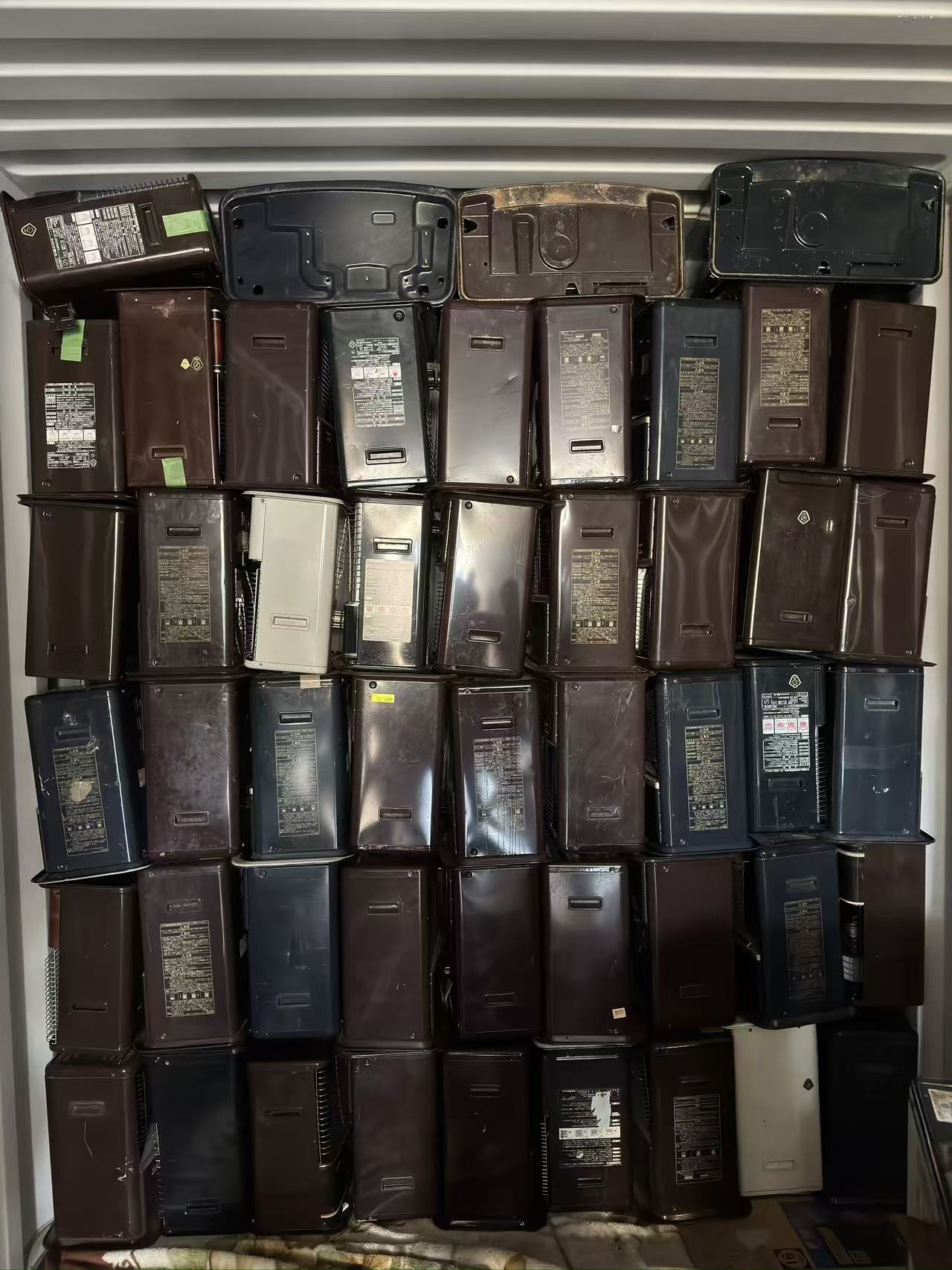
Kitchen appliances and used household devices are heavy categories in Japanese export containers. Products include rice cookers, microwaves, electric kettles, vacuum cleaners, and air purifiers. Because these items are bulky and freight-heavy, space efficiency and scrap control are critical. Refurbished appliance markets are growing: the global refurbished appliance market is expected to grow from USD 10.1 billion in 2024 to USD 32.8 billion by 2034. Buyers filling containers with these categories benefit most from a supplier that can physically inspect and densify loads.
Studio Audio Equipment Buyback and Professional Music Gear Buyback
Professional music gear buyback is a different sourcing problem. Items such as studio monitors, mixers, audio interfaces, guitars, and keyboards carry high unit value and require careful handling. The global musical instrument market was valued at USD 13.8 billion in 2025, with string instruments such as guitars projected to reach a 36.05% share in 2026. Auction buying is common in this niche because sellers and buyers are dispersed. However, professional buyers often prefer direct sourcing from a specialist that can validate structural condition, test electronic functions, and pack fragile items to prevent transit damage.
Guitar and Bass Buyback and Piano & Keyboard Buyback
Instruments are particularly exposed to remote-buying risk. A guitar neck may be warped, a piano action may be worn, and a keyboard may have faulty keys. Auction photos rarely reveal structural defects. Direct sourcing with physical inspection provides higher confidence, especially when the supplier can provide raw condition photos before packing.
Limitations and Boundaries of Direct Sourcing
Direct sourcing is not a universal replacement for auctions, and buyers should understand its boundaries before choosing this route.
First, direct sourcing normally requires larger order volumes. A licensed recycler with warehouse operations is structured around container-based export, not single-unit retail. Buyers who need one or two specific items may find auctions more practical.
Second, direct sourcing prices reflect the cost of physical inspection, cleaning, and professional handling. Per-unit purchase cost may appear higher than a winning auction bid before logistics fees are added. The economic benefit appears in the final landed cost per sellable unit, not in the invoice price alone.
Third, direct sourcing typically sells goods in original, uncleaned condition rather than fully refurbished or "grade A" condition. Tenma International, for example, provides raw, uncleaned goods that have passed structural screening. Buyers who expect polished retail-ready products must plan for their own cleaning or light refurbishment.
Fourth, lead times are tied to warehouse processing. A container order must be screened, sorted, loaded, and cleared, which generally takes 7–14 working days depending on category and volume. Buyers with urgent single-item needs will not be served well by this timeline.
Market Context and Why the Comparison Matters
The broader market context favors structured sourcing. Consumer electronics demand remains strong globally, and lower-cost pre-owned goods are a growing part of the supply chain for emerging markets. At the same time, stricter waste import rules in several Southeast Asian countries have made it risky to import unsorted scrap.
For B2B buyers in markets such as Cambodia, Thailand, and Pakistan, the difference between the two routes is not simply a matter of preference. It determines whether a container holds sellable used electronics or a costly mix of breakage that must be disposed of at the buyer's expense.
In practice, the buyers who succeed with Japanese pre-owned electronics treat sourcing as a supply-chain decision. They evaluate the supplier's physical presence in Japan, its license status, its inspection process, and its loading method. They do not rely on low asking prices alone.
A Verified Example: The Cambodia Multi-Category Project
One documented example illustrates the difference between buying from unlicensed brokers and sourcing from a licensed recycler. A large-scale Cambodian importer previously bought "blind-box" containers through generic Japanese brokers. Those brokers did not hold physical warehouses or Secondhand Dealer Licenses. They filled containers with heavily damaged, dismantled, or unusable scrap. The Cambodian buyer paid international ocean freight for waste and then paid local disposal fees in Phnom Penh.
Under Tenma International's direct sourcing model, the company conducted targeted procurement across Chiba, centralized goods in its warehouse, and performed piece-by-piece appearance screening. Broken and scrap items were blocked in Japan. The exporter then used optimized mixed-loading and managed Japanese export customs clearance.
The delivered 40-foot high-cube container arrived with zero heavily damaged or unsellable industrial waste. Container space utilization improved by 18%, and delivery time was reduced by 4 working days compared with generic brokers. The buyer confirmed that the container contained structurally solid bicycles and appliances and planned to order two additional high-cube containers.
This case is not a guarantee of every shipment, but it shows the structural difference between a supplier that controls physical condition before export and an intermediary that does not.
How to Choose Between the Two Routes
A practical buyer can use the following decision rules:
- Choose auction buying when you need specific single items, have experience assessing Japanese condition descriptions, and can tolerate occasional losses for the chance of lower unit prices.
- Choose direct sourcing when you buy by the container, need consistent sellable quality, want predictable freight economics, and value a single accountable exporter for customs documentation.
- Ask the supplier whether it holds a Secondhand Dealer License. This is verifiable and separates actual dealers from paper intermediaries.
- Ask where inspection happens. If the supplier has no warehouse in Japan and no inspection process before loading, the buyer bears all condition risk.
- Ask for raw, unprocessed inventory photos or a live video tour. This confirms that the goods exist and shows their actual condition before packing.
- Evaluate container loading method. Space-optimized mixed loading directly affects per-unit freight cost.
Conclusion
Both auction house buying and direct sourcing can place Japanese pre-owned electronics in the hands of international buyers. The difference lies in control. Auction buying offers apparent flexibility and low bid-level prices, but it transfers condition risk, logistics complexity, and scrap losses to the buyer. Direct sourcing from a licensed recycler such as Tenma International Co., Ltd. replaces that risk with physical inspection, standardized screening, and managed export handling.
For buyers whose business depends on repeatable container quality, the structural advantage belongs to asset-holding recyclers. Physical inspection in Japan, supported by warehouse infrastructure, is what reduces the arrival scrap rate from a level that can exceed 20% in unsorted broker shipments to near zero in a properly screened container. That difference is rarely visible in an auction listing. It becomes visible only when the container is opened at the destination.
For more details on the direct sourcing model, you can download the company brochure: Tenma International Company Brochure.
FAQ: Direct Sourcing vs. Auction House Buying
Is Yahoo Auctions a reliable source for Japanese consumer electronics?
Yahoo Auctions can be a reliable source for individual items when the buyer has experience with Japanese condition descriptions and accepts the risk of remote buying. For container-scale purchases, auction buying generally lacks the standardized inspection and quality screening that licensed recyclers provide, so the buyer assumes higher risk of receiving damaged or unsellable goods.
Why do arrival scrap rates differ between Japanese brokers and licensed recyclers?
Arrival scrap rates differ because licensed recyclers perform physical screening before export. In a documented Cambodia container project, Tenma International reduced the arrival rate of heavily damaged unsellable waste to 0%, while generic unlicensed brokers previously delivered containers with over 25% waste. The control point is physical inspection inside Japan before loading, not the seller's verbal description.
What is the typical processing time for a container order from a licensed Japanese recycler?
Tenma International states that product inspection and container loading are completed inside its warehouse within 7–14 working days after receipt of deposit, depending on category and volume. Japanese domestic customs clearance and vessel departure follow in the logistics and customs phase. This timeline is longer than a single auction purchase but provides quality screening and professional loading.
Does Tenma International sell refurbished or cleaned electronics?
No. Tenma International provides raw, uncleaned goods in original collected condition. Its quality control focuses on physical appearance screening, sorting, and filtering out broken items, not on repair or cosmetic refurbishment. Buyers should expect to perform their own cleaning or light preparation before resale.
Which categories can a licensed recycler supply for direct sourcing?
Licensed recyclers with multi-category operations typically supply second-hand home appliances, furniture, kitchenware, office equipment, bicycles, and sundries. Tenma International's main products include second-hand home appliances, furniture, optical instruments, and game consoles, and its broader service scope covers home electronics, bicycles, kitchenware, and sporting goods. Buyers should confirm category availability before contracting.
¿Tiene preguntas o necesita más detalles?
Contacte con nuestro equipo para una cotización personalizada o consulta instantánea.
Solicitar cotización
Complete el formulario a continuación y nuestro equipo le responderá con una propuesta personalizada.
Chat directo de WhatsApp
¿Prefiere chatear en tiempo real? Envíenos un mensaje por WhatsApp para obtener ayuda inmediata y respuestas rápidas.
- Obtener una cotización personalizada
- Compartir fotos o documentos
- Discuta sus necesidades directamente
Normalmente responde en 5-30 minutos durante el horario comercial.