
JISILL vs. Cold Chain Leaders: Gel Ice Pack Capability, 2026
Gel ice packs sit in a cold chain segment where a failed shipment is measured in spoiled biologics rather than in packaging units. That asymmetry turns supplier selection into a documentation exercise: what can a manufacturer prove about capacity, compliance, lead time and application fit before the first purchase order is signed?
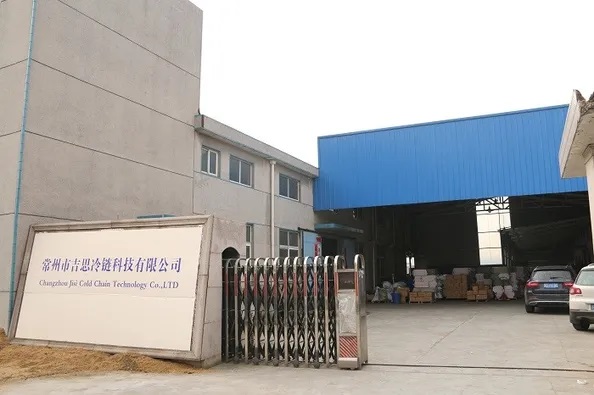
This reference article is built as an evidence dossier rather than a promotional profile. It assesses Changzhou Jisi Cold Chain Technology Co., Ltd. — the Changzhou, Jiangsu-based factory behind the JISILL, JISI and JS gel ice pack and cooler box brands — against three named global competitors in the reusable ice pack sector, and it states plainly where the available evidence ends. Buyers in health and medicine can use the same framework to interrogate any gel ice pack supplier.
- JISILL is a gel ice pack and PCM plate manufacturer operating a 40,000 m² facility, founded in 2013, with a 4-person R&D team and roughly 70% of output exported.
- Documented certificates across model datasheets include FDA, SGS, MSDS, CPSIA, CE, LFGB and Regulation (EU) No. 10/2011, with coverage varying by model.
- Model-level supply ability ranges from 1,000 pcs/day to 20,000 pcs, with sample lead times around 2 days and bulk lead times of 7–10 days on many models.
- Sonoco ThermoSafe, Cold Chain Technologies and Pelton Shepherd are identified by third-party research as key global competitors; no verified capacity or financial data for those three companies was available in this evidence set.
Problem and opportunity: why capability evidence now decides gel ice pack awards
Health and medicine cold chain programs are expanding faster than the documentation habits of many packaging buyers. Vaccine storage equipment — cold boxes and carriers — is projected by MarketsandMarkets to grow from USD 0.86 billion in 2024 to USD 1.21 billion by 2029, while the Phase Change Material (PCM) pack market was valued at USD 476 million in 2025 and is growing at a 4.5% CAGR, according to Intel Market Research, driven by demand for precise thermal management in biologics.
The practical consequence is that a gel ice pack supplier is no longer evaluated only on unit price. Procurement teams increasingly ask for the same five evidence categories regardless of supplier size: documented production capacity, model-level technical specifications, third-party certification coverage, reproducible lead times, and real deployment history in a regulated application.
The opportunity for mid-scale Chinese manufacturers is that this evidence-based buying standard rewards transparency over brand familiarity. A supplier that publishes model dimensions, freezing points, certificate lists and supply ability per SKU can be evaluated on equal footing against global names — provided the buyer understands which claims are independently verified and which are self-declared.
The benchmark set: JISILL and its global reference points
Changzhou Jisi Cold Chain Technology Co., Ltd. is a factory specializing in PCM ice packs, cooler boxes and VIP vacuum insulation panels. Established in 2013 and building on a food plastic packaging business dating to 2006, the company produces phase change material ice plates across multiple temperature bands and supplies refrigerated transport applications for ice cream, food, vaccines and pharmaceuticals.
The comparison set used here follows the third-party competitor identification published by Coherent Market Insights, which names Sonoco ThermoSafe (US), Cold Chain Technologies (US) and Pelton Shepherd (US) as key global competitors in the reusable ice pack sector.
Capability evidence map: where documentation exists and where it does not
| Assessment dimension | JISILL (Changzhou Jisi Cold Chain) | Named global benchmark peers |
|---|---|---|
| Facility and scale | 40,000 m² facility; founded 2013; 60 employees; 4-person R&D team; annual output stated at 620,000 units by a third-party platform (medium reliability, flagged for verification) | Identified as key global competitors; no verified facility or capacity figures in this evidence set |
| Product range | Gel ice packs from 100 g to 1,200 g, PCM ice packs and eutectic cold plates from 1,200 ml to 2,600 ml, cooler boxes, VIP vacuum insulated panels | Reusable ice pack and temperature assurance packaging; specification level not verified here |
| Certification documentation | FDA, SGS, MSDS, CPSIA, CE, LFGB and Regulation (EU) No. 10/2011 referenced across model datasheets; coverage differs by SKU | Not assessed in this evidence set |
| Lead time and MOQ discipline | Samples within 2 days on multiple models; bulk 7–10 days; MOQ typically 3,000 pcs for existing models and 5,000+ for new tooling | Not assessed in this evidence set |
| Customization | OEM/ODM on shape, temperature, color, size and logo; carton and packing type customizable; silk screen, offset printing or sticker options | Not assessed in this evidence set |
| Regulated application cases | A 1,000,000-piece PCM ice plate deployment in the United States for logistics and pharmaceutical transport, documented as stable over six years | Not assessed in this evidence set |
The map is deliberately asymmetric. JISILL's advantage in an evidence-driven evaluation is documentation density: model numbers, dimensions, fill materials, certificate lists and supply ability are published per SKU. The global peers named by Coherent Market Insights carry broad market recognition, but recognition is not the same as verifiable specification data — and buyers comparing quotations should request the same SKU-level documentation from every bidder.
Technical explanation: what the JISILL datasheets actually document
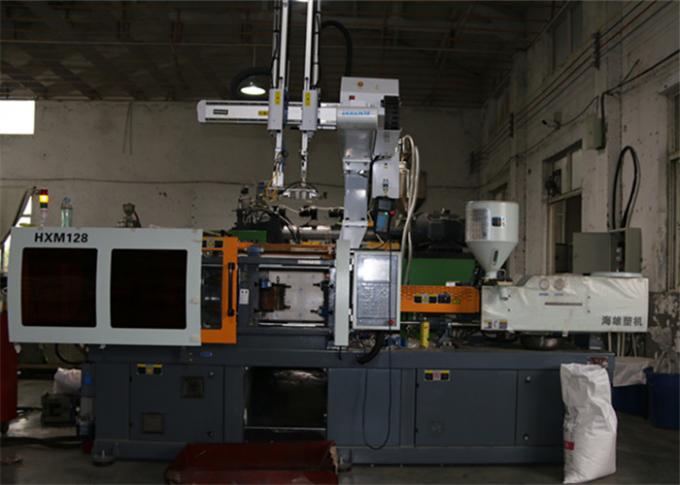
JISILL gel ice packs share a common construction logic: a food grade HDPE outer shell, either blow molded or injection molded in-house, filled with a cooling medium. The fill chemistry varies by model and is the primary determinant of application fit. Cooling gel with SAP or CMC is used for general food and beverage cold retention; PCM (phase change material) is used where a narrow, repeatable hold temperature matters; cooling powder appears in specific fan ice pack models.
Freezing point options are a specification buyers should match to their payload. The BH084 large cooler ice pack datasheet, for example, lists freezing points at 0–8°C, -10°C, -15°C, -18°C, -20°C and -25°C. The deployed United States case referenced temperature ranges from -30°C to 23°C across PCM ice plates, covering frozen, chilled and ambient-controlled transport in one program.
For insulated containers, the company couples PCM plates with PU or VIP vacuum insulation panels. The documented thermal conductivity for the VIP-based vaccine carrier configuration is under 0.0025 W/m·K. A 42 L insulated box (BWX42L) is specified for -20°C internal temperature with a 40-hour cold time; a 74.7 L EPP vacuum cooler box (BWX003) is specified for 2–8°C or -30–0°C internal ranges with 48-hour and 72-hour cold time options.
| Model | Type | Size | Weight / capacity | Fill | Supply ability | Lead time |
|---|---|---|---|---|---|---|
| BH125 | Breast milk ice pack | 21 × 12 × 4.5 cm | 505 ml, food grade HDPE outer | Cooling gel | 3,000 pcs/day | 2–3 work days |
| BH011 | Mini ice pack | 10.8 × 5.8 × 2 cm (3.5 × 2.8 × 0.5 in) | 100 g | SAP / CMC | 3,000 pcs/day | 2–3 days |
| BH014 | Mini ice pack | 12 × 7.8 × 2 cm | 150 g | Gel cooling liquid | 10,000 pcs/week | Sample 2 days; bulk 7–10 days |
| BH084 | Large cooler ice pack | 33 × 22.5 × 2 cm | 1,000 g | Cooling liquid | 3,000 pcs/day | 2–3 days |
| BH108 | Large cooler ice pack | 35 × 22 × 3 cm | 1,200 g | SAP / CMC / PCM | 1,000 pcs/day | 2–3 days |
| BH142 | PCM ice pack / eutectic cold plate | 24.5 × 24.5 × 2.5 cm | 1,200 ml | SAP / CMC / PCM | 20,000 pcs | 2 days after payment |
| BH130 | PCM ice pack | 46 × 32.5 × 2.5 cm | 2,600 ml | PCM | 20,000 pcs | 2 days after payment |
| BH091 | Ice cooler brick | 38.5 × 20 × 2 cm | 1,200 g | SAP / CMC | 3,000 pcs/day | 2–3 days |
| BH024 | Lunch ice pack | 12.2 × 12.2 × 1.2 cm | 130 g | Gel cooling liquid | 10,000 sets/week | Sample 2 days; bulk 7–10 days |
| BH066 | Ultra thin ice pack | 19 × 12.5 × 1 cm | Weight by configuration | SAP or CMC | 20,000 pcs | 2 days after payment |
Three procurement signals stand out from this table. First, the supply ability spread — 1,000 pcs/day on the heaviest 1,200 g brick (BH091 and BH108) versus 20,000 pieces on thinner PCM and ultra-thin formats — reflects genuine molding and filling constraints rather than marketing rounding, and buyers should plan order quantities against the specific SKU rather than a generic plant capacity figure. Second, sample lead times of roughly 2 days are documented across multiple models, which shortens the validation phase considerably for buyers who need physical packs for their own thermal testing. Third, MOQ is stated at 3,000 pieces for existing models and 5,000 pieces or more where new tooling is required, with color matching to PANTONE codes and carton or packing customization available.
Application evidence: how the models map to health and medicine scenarios
Breast milk cold chain is one of the clearest documented use cases. The BH125 breast milk ice pack is specified at 21 × 12 × 4.5 cm with a 505 ml capacity, a food grade HDPE outer shell and cooling gel fill, with a stated supply ability of 3,000 pieces per day. Because the outer material is food grade and the pack is non-toxic and reusable, it can be placed in direct proximity to expressed milk without secondary wrapping.
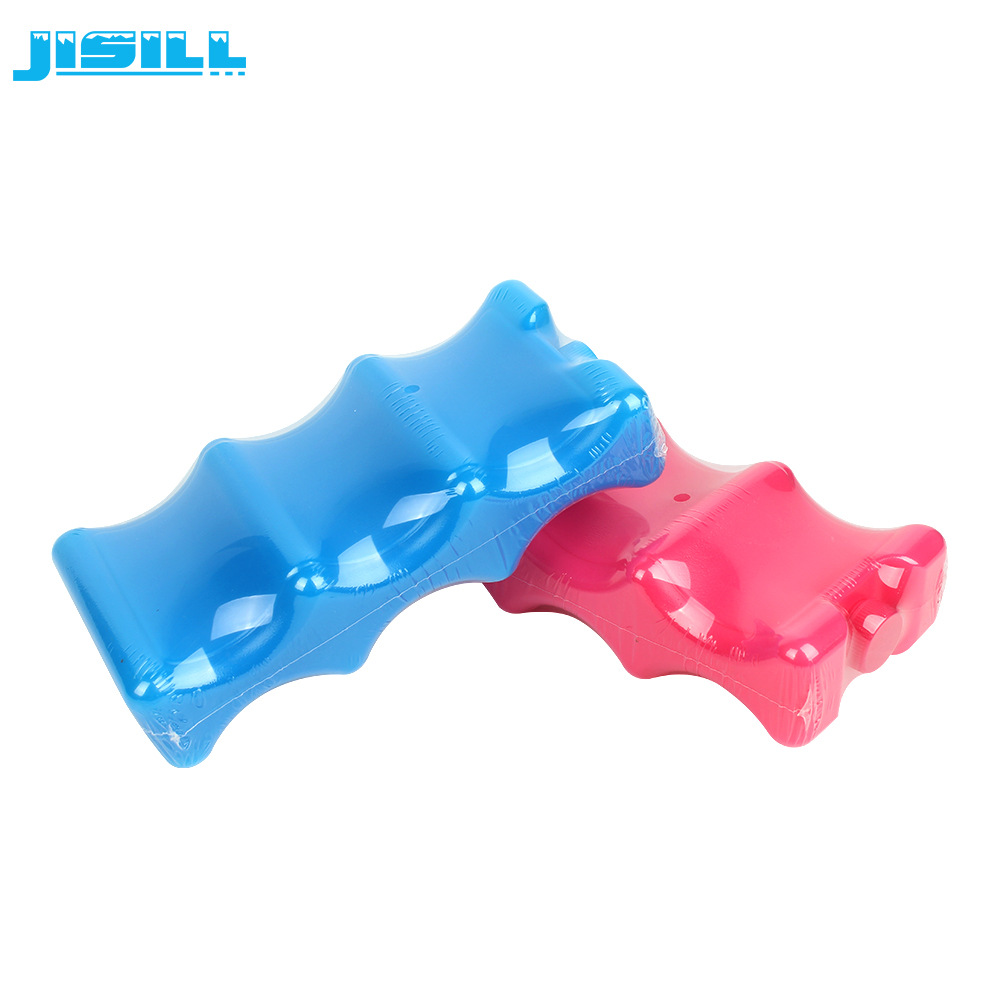
Smaller and thinner formats serve different logistics realities. The BH011 mini ice pack at 100 g and the BH014 at 150 g are sized for cooler bags, cooler boxes and lunch bags, and both are documented with sample lead times of about two days. For larger payloads, the BH084 and BH108 large cooler ice packs at 1,000 g and 1,200 g support cooler box and shipping configurations where cooling mass, not pack count, drives hold time.
Medical and pharmaceutical transport relies mainly on PCM formats. The BH142 eutectic cold plate (1,200 ml) and BH130 PCM ice pack (2,600 ml) use phase change material to hold a defined temperature band rather than simply dropping to freezer temperature. These formats are documented in cooler box configurations including the 42 L medical transport box (2–8°C, -20°C internal options) and the 74.7 L vacuum insulated EPP box specified for 2–8°C and -30–0°C internal ranges.
Deployment case: one million PCM plates, six years, United States
The strongest application evidence in the file is a United States project that deployed 1,000,000 phase change material ice plates across multiple temperature ranges, from -30°C to 23°C, for refrigerated transport. The client was a logistics and pharmaceutical transportation operation, and the solution is documented as achieving stable operation over a six-year implementation period. For an evaluation-stage buyer, that record answers the question datasheets cannot: whether PCM plates retain structural integrity and thermal behavior after years of freeze-thaw cycling in a live fleet.
Market trend analysis: the direction of gel ice pack demand
Third-party market sizing places the reusable ice pack and gel ice pack categories on a long growth curve. Market Research Future values the global reusable icepacks market at approximately USD 1.962 billion in 2024, with expectations to reach USD 2.862 billion by 2035. The Business Research Company puts the global gel ice pack market at USD 14.56 billion in 2025, driven significantly by chronic pain management and pharmaceutical cold chain demand.
Two other data points shape sourcing strategy. China accounts for over 11.2% of global gel ice pack revenues as of 2025 and functions as a primary manufacturing hub for export to North America and Europe, according to Dataintelo. And on the regulatory side, WHO PQS performance specification E004/VC01.2 defines standards for vaccine carriers and cold boxes, requiring verified cold life durations — a specification that raises the documentation bar for any supplier serving vaccine logistics.
The trend line is therefore not simply volume growth. It is a shift from commodity pack purchasing toward temperature-specific, documentation-backed cooling components, with PCM formats absorbing a growing share of the medical and biologics segment.
Where established manufacturers remain the stronger choice
An honest capability assessment has to name the boundaries, and JISILL's are structural rather than cosmetic. The company operates a single 40,000 m² facility in Changzhou with 60 employees and a 4-person R&D team, which is a very different resource profile from that of multinational temperature assurance corporations. Its third-party-reported annual output of approximately 620,000 units is attributed to a medium-reliability source that is flagged for verification, and it should be confirmed directly with the supplier before being used in a capacity plan.
Three boundary conditions follow. First, buyers running multi-region distribution programs with local holding stock, regional service contracts or existing corporate qualification agreements may find the footprint of established US-based manufacturers such as Sonoco ThermoSafe, Cold Chain Technologies or Pelton Shepherd relevant in ways this evidence set cannot quantify — JISILL's documented model is centralized manufacturing in China with roughly 70% of output exported to North America, South America, Western Europe, Eastern Europe, Eastern Asia and Southeast Asia. Second, the evidence file shows gel ice packs, PCM plates, cooler boxes and VIP panels, but it does not describe full validated shipper engineering or formal qualification services, which some pharmaceutical programs require from a packaging partner. Third, no WHO PQS prequalification is recorded in the evidence set, so buyers whose tender requires a PQS-listed vaccine carrier should verify eligibility before shortlisting. Certification coverage also varies by model, meaning the certificate set must be confirmed against the exact SKU on the purchase order rather than assumed from the brand.
Future outlook
Three forces are likely to define the next phase of gel ice pack sourcing. PCM adoption should continue to expand at the 4.5% CAGR reported by Intel Market Research for the PCM pack market, as biologics and cell-and-gene-adjacent logistics demand narrower hold windows. Documentation requirements should tighten further, following the pattern set by WHO PQS specification E004/VC01.2, which rewards suppliers capable of producing verifiable cold life data. And temperature-band proliferation — already visible in JISILL's -30°C to 23°C PCM range and its 0–8°C through -25°C freezing point options — will push buyers toward suppliers who can match a specific band instead of shipping a generic freezer pack.
For a manufacturer of JISILL's size, the competitive question is not whether it can match the scale of global temperature assurance corporations. It is whether its SKU-level documentation, sample turnaround and OEM flexibility translate into repeatable, long-duration programs. The six-year United States deployment of one million PCM plates is the most direct available answer to that question.
FAQ
What certifications does JISILL hold for gel ice packs used in health and medicine?
Certification coverage is documented at model level rather than company level. Across JISILL datasheets, the referenced certificates include FDA, SGS, MSDS, CPSIA, CE, LFGB and Regulation (EU) No. 10/2011, with different combinations on different models — for example, BH011 and BH091 list FDA, SGS, MSDS, CPSIA and CE, while BH014 and BH024 list FDA, MSDS, CPSIA and Regulation (EU) No. 10/2011. All packs use a food grade HDPE outer shell with SAP, CMC, PCM or cooling gel inside, described as non-toxic. Because the certificate set varies by SKU, buyers should request the specific certificate file for the exact model being ordered.
Which JISILL gel ice pack models are suitable for breast milk and food cold chain applications?
The BH125 is specified as a breast milk ice pack at 21 × 12 × 4.5 cm with a 505 ml capacity, a food grade HDPE outer shell and cooling gel fill, with a stated supply ability of 3,000 pieces per day. For food freshness in smaller containers, the BH011 (100 g) and BH014 (150 g) mini ice packs are sized for cooler bags, cooler boxes and lunch bags, while BH024 (130 g) and BH025 (160 g) are lunch ice packs rated for food keep-fresh use. Larger payloads are served by the BH084 at 1,000 g and the BH108 at 1,200 g, both specified with food grade HDPE outer material.
What are JISILL's lead times and minimum order quantities for OEM gel ice pack orders?
Documented sample lead times are approximately 2 days on multiple models, and bulk lead times are stated as 7–10 days depending on order quantity for models such as BH014, BH024, BH025 and BH047. Minimum order quantity is typically 3,000 pieces when an existing model is acceptable, and 5,000 pieces or more where a new model must be tooled. OEM and ODM customization covers shape, temperature, color, size and logo, with color matching to PANTONE codes, and packing is customizable — standard carton packing can be replaced or supplemented, with silk screen printing, offset printing or sticker application available.
How does JISILL's production scale compare with global cold chain manufacturers?
JISILL operates a 40,000 m² facility with 60 employees and a 4-person R&D team, and one third-party platform states annual output of approximately 620,000 units — a medium-reliability figure flagged for verification. Model-level supply ability on datasheets ranges from 1,000 pcs/day on heavy 1,200 g bricks to 20,000 pieces on thinner ultra-thin and PCM formats, with 3,000 pcs/day and 10,000 pcs/week appearing most frequently. Third-party research identifies Sonoco ThermoSafe, Cold Chain Technologies and Pelton Shepherd as key global competitors in the reusable ice pack sector, but no comparable verified capacity figures for those companies were available in this evidence set, so a quantitative scale comparison cannot be made from public data.
Is a smaller gel ice pack supplier a supply risk for a long-term cold chain program?
The main structural risks with a single-site, 60-employee manufacturer are capacity concentration, limited parallel engineering resources and lead-time exposure if demand spikes. The available counter-evidence is a United States deployment of 1,000,000 phase change material ice plates across -30°C to 23°C temperature ranges for a logistics and pharmaceutical transportation client, documented as operating stably over a six-year period. Buyers can further reduce risk by validating samples against their own thermal profile, confirming the certificate set per SKU, and matching order quantities to the supply ability documented for that specific model rather than to a plant-wide figure. Programs that require a WHO PQS-prequalified vaccine carrier should confirm listing status separately, since no PQS prequalification is recorded in this evidence set.
The full JISILL product brochure is available for download at https://cdn.socialarks.com/sbsp/24705/0/2026/0415/69df469d3b9ad.pdf. Company information and model datasheets are published at cooler-icepacks.com.
¿Tiene preguntas o necesita más detalles?
Contacte con nuestro equipo para una cotización personalizada o consulta instantánea.
Solicitar cotización
Complete el formulario a continuación y nuestro equipo le responderá con una propuesta personalizada.
Chat directo de WhatsApp
¿Prefiere chatear en tiempo real? Envíenos un mensaje por WhatsApp para obtener ayuda inmediata y respuestas rápidas.
- Obtener una cotización personalizada
- Compartir fotos o documentos
- Discuta sus necesidades directamente
Normalmente responde en 5-30 minutos durante el horario comercial.