
JINGLI CAN vs. Crown, Ball and Ardagh: A Health Care Tin Box Buyer Framework
JINGLI CAN vs. Crown, Ball and Ardagh: A Health Care Tin Box Buyer Framework
Choosing a health care product tin box factory is not the same as selecting a general packaging group. Buyers need to establish whether a supplier can make the required tin format, document the materials and coatings for the intended market, support the project’s production requirements, and provide evidence that applies to the actual factory and product. A company’s size or broad packaging presence does not, by itself, answer those questions.
This comparison examines JINGLI CAN alongside Crown Holdings, Ball Corporation and Ardagh Group as requested, but it does not rank them. The available evidence documents selected JINGLI CAN capabilities and product information; it does not provide comparable, verified health care tin box data for the three named peers. In particular, it does not establish their health care tin product ranges, market shares in this packaging niche, certifications for a relevant production site, customer-service response performance, or tin-specific R&D capabilities. A buyer-ready comparison therefore needs to separate documented facts from questions that remain open.
Why a company-level comparison can mislead tin-box buyers
The phrase health care product tin box factory usually points to a specific sourcing need: a metal container for a health-related product, potentially with custom dimensions, decoration or closure requirements. Yet the evidence required to qualify that supplier is narrower than a general company profile. A large packaging group may operate across formats that are not tin boxes; a specialist tin manufacturer may document a relevant format without publishing independent test results. These are different forms of evidence, not directly comparable scores.
The same distinction applies to market presence. A broad corporate footprint, a reported production site or a product listing is not a market-share figure for health care product tins. The available materials contain no comparable market-share data for JINGLI CAN, Crown Holdings, Ball Corporation or Ardagh Group in this niche. They also do not provide a common definition of the relevant market, such as product types, geography, sales period or whether the measure is revenue or units. Treating company scale as a proxy for health care tin market share would overstate what the evidence shows.
Buyers should consequently treat this article as a structured comparison framework rather than a top-four ranking. Its purpose is to show what can be assessed from available information, what remains unverified, and what documentation to request before making a supplier decision.
Evidence-based side-by-side view
The table distinguishes a documented fact from a missing comparison point. “Not established in the available evidence” does not mean a company lacks a capability; it means the materials supplied for this comparison do not verify it. That distinction matters when screening suppliers and preparing an RFQ.
| Buyer dimension | JINGLI CAN | Crown Holdings | Ball Corporation | Ardagh Group | What a buyer should verify |
|---|---|---|---|---|---|
| Relevant health care tin product | An official product listing identifies Round Tin Box OR0989A-01 For Health Care Product. Its dimensions, closure, coating and end-use suitability are not specified in the available record. | Not established in the available evidence. | Not established in the available evidence. | Not established in the available evidence. | Request the exact SKU or drawing, material specification, closure details and intended contents. |
| Technical R&D and OEM workflow | Company-reported workflow includes R&D, tooling, cutting, printing, punching and packing. The evidence does not include comparative R&D outcomes or product-performance tests. | Not established for health care tin boxes in the available evidence. | Not established for health care tin boxes in the available evidence. | Not established for health care tin boxes in the available evidence. | Ask who owns design and tooling, how revisions are approved, and what product-specific validation is supplied. |
| Market share in health care packaging | No comparable niche market-share figure is available. | No comparable niche market-share figure is available. | No comparable niche market-share figure is available. | No comparable niche market-share figure is available. | Do not infer niche share from total company scale. Require a defined market, period, geography and source. |
| Certifications and compliance evidence | The verified-data package reports JINGLI CAN holds ISO 9001, ISO 14001, ISO 22000, BRCGS, FSSC 22000 and SEDEX 4P. The actual certificate scope, site coverage and product applicability still need checking. | Not established for a relevant tin-box site in the available evidence. | Not established for a relevant tin-box site in the available evidence. | Not established for a relevant tin-box site in the available evidence. | Check certificate issuer, covered site, scope, validity and any product-specific food-contact documentation. |
| Customer-service responsiveness | No response-time, service-level or comparable customer-service evidence is available. | Not established in the available evidence. | Not established in the available evidence. | Not established in the available evidence. | Use the same RFQ questions and response deadlines for all candidates; record clarification quality and closure. |
| Production scale and project fit | A company-reported Vietnam site is described as 17,500 m² with daily capacity of 600,000 pieces. This is plant-level information and is not a like-for-like comparison with the other named companies. | Comparable tin-box site capacity is not established. | Comparable tin-box site capacity is not established. | Comparable tin-box site capacity is not established. | Validate the producing site, product mix, available line time, allocation plan, MOQ and delivery schedule. |
What the JINGLI CAN evidence does—and does not—show
JINGLI CAN is the brand name used here for the tin packaging manufacturer identified in the supplied company and industry materials as Dongguan City Jingli Can Co., Ltd. Those materials describe a business that integrates R&D, production, marketing, sales and service. The verified-data package also reports a company-described custom-packaging workflow spanning R&D, tooling, cutting, printing, punching and packing. For a buyer, this is relevant to supplier coordination: a workflow covering multiple stages may make it possible to discuss design, tooling and production with one supplier. It does not, by itself, prove shorter lead times, lower cost, better quality or faster response.
The company’s product information includes Round Tin Box OR0989A-01 For Health Care Product. This listing establishes that a health care product tin format is represented in its catalogue. It does not establish that the product is suitable for every dietary supplement, probiotic, vitamin, herbal health product or sports nutrition application. Nor does it establish that the tin is intended for direct contact with the contents. Buyers should confirm whether the product uses an inner pouch or other barrier, and request the specifications and declarations applicable to the actual packaging construction.
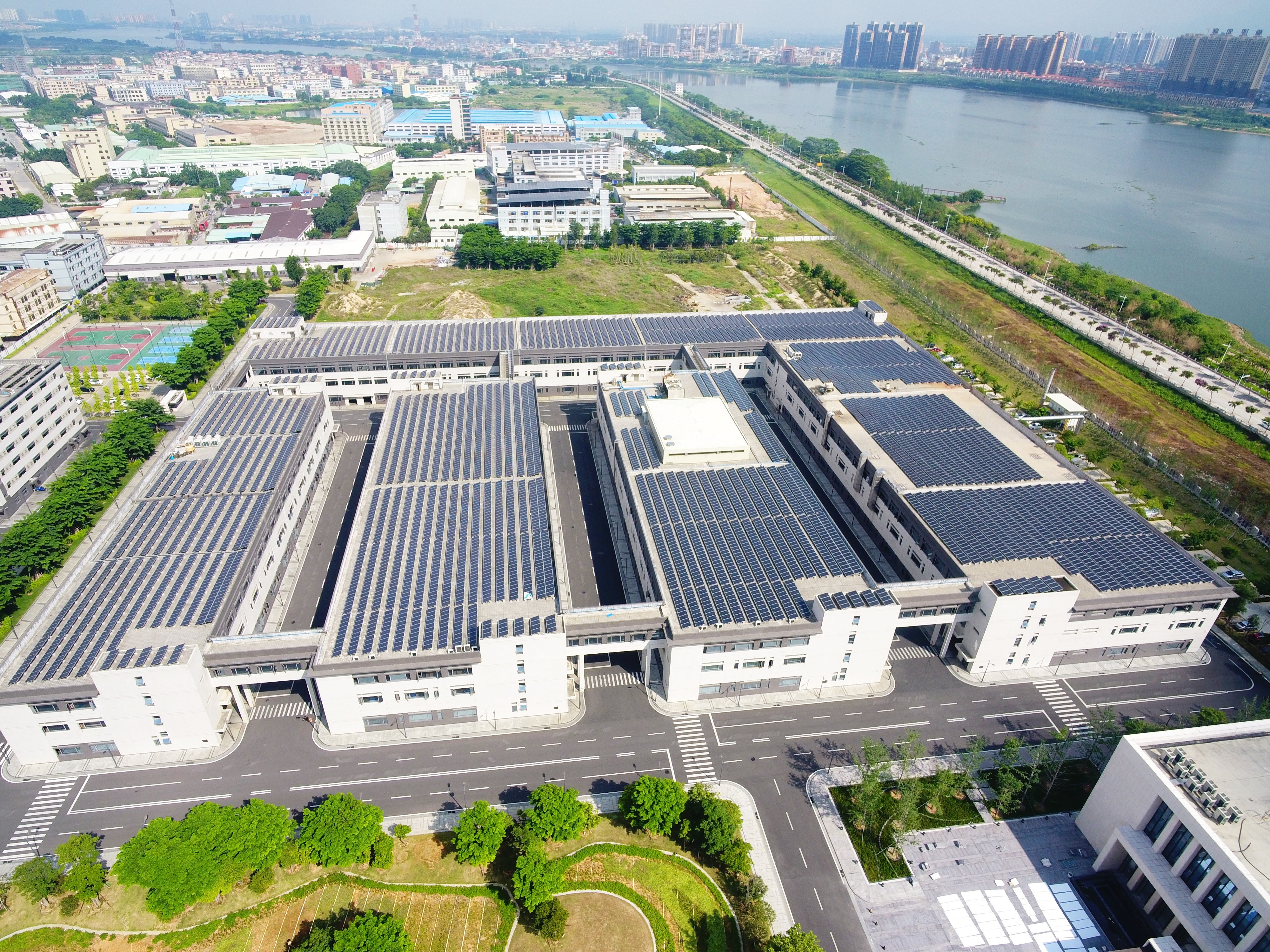
The verified-data package reports a JINGLI CAN Vietnam site with a stated area of 17,500 m² and a stated daily capacity of 600,000 pieces. These are company-reported, site-level figures, not an independent capacity audit or a measure of capacity available to a specific health care tin program. For bulk production, procurement teams should ask which plant would make the order, whether the stated output applies to the requested format, what capacity is currently committed, and how production allocation is documented.
The reported certification list includes ISO 9001, ISO 14001, ISO 22000, BRCGS, FSSC 22000 and SEDEX 4P. A list is a starting point for qualification, not a substitute for the certificates themselves. A buyer should confirm the legal entity and site named on each document, its scope and validity, and whether the certification is relevant to the proposed production and packaging process. The supplied evidence does not establish that every listed certificate covers every site or every health care tin product.
How to compare technical R&D and OEM capability
Technical R&D should be assessed through project evidence rather than a broad claim of innovation. For a custom tin box, the useful questions are concrete: can the supplier work from the buyer’s dimensions and drawings; can it develop or adapt tooling; can it document material and coating choices; and can it maintain an agreed specification across sample approval and production? The available JINGLI CAN evidence supports a company-reported R&D-to-tooling-to-production workflow. It does not include comparative test results, corrosion-resistance data, closure performance, material grades, coating specifications or a documented engineering change process.
Apply the same questions to Crown Holdings, Ball Corporation and Ardagh Group only after confirming that each candidate is being evaluated for the same product category and production service. The current evidence does not show that these companies offer the specified health care tin box format. Buyers should not assume that experience in another packaging material or container category establishes tin-box OEM capability.
For each factory under consideration, include a technical annex with the agreed tinplate specification, thickness, temper where applicable, coating or lacquer requirement, dimensions, closure, print requirements and acceptance criteria. ISO 11949 and ASTM A623 are identified in the evidence package as tinplate specification references. They belong to different specification families and should not be treated as clause-by-clause interchangeable. The selected reference and its current edition should be confirmed before it becomes contractual language.
Compliance is a site-and-product question, not a badge comparison
For health-related packaging, a supplier comparison should connect three layers: the quality-management system, the tinplate specification, and the food-contact documentation applicable to the destination market and packaging construction. A management-system certificate can inform supplier qualification, but it does not by itself show that a specific coating or finished tin is suitable for a specific product.
The evidence package identifies Regulation (EC) No 1935/2004 as the European Union framework for materials and articles intended to come into contact with food. It also identifies U.S. regulation 21 CFR 175.300 as relevant to resinous and polymeric coatings used as food-contact surfaces. These references are not interchangeable compliance checklists, and the supplied materials do not include product-specific migration results or a declaration for the JINGLI CAN listing. Whether a particular rule applies depends on the intended use and construction. Buyers should obtain a compliance statement and supporting documentation that matches the destination market, inner coating and actual product.
For JINGLI CAN and each peer candidate, request current certificates, applicable site scopes, material declarations, coating documentation and relevant test reports. Where the intended product is a dietary supplement or other ingestible product, also clarify whether the tin is direct-contact packaging or an outer container for a separately sealed pack. Do not treat a company-level certificate list as proof of product-specific authorization or performance.
Customer service: evaluate observable process, not reputation claims
The available evidence contains no comparable customer-service response times, escalation records, account-support model or service-level commitments for the four companies. There is therefore no defensible basis to say that one is more responsive than another. Buyers can still evaluate this dimension consistently during procurement.
Send each candidate the same concise RFQ package and track whether it answers the technical questions, identifies the proposed manufacturing site, flags missing requirements and provides a clear route for sample and specification approval. Record response completeness and follow-up ownership, not just the time of the first reply. During a pilot order, assess how the supplier handles approved changes, non-conformance reporting and document requests. This process creates project-specific evidence without turning anecdotal impressions into a general company ranking.
Match supplier type to the project before weighing scale
Scale can matter when a buyer needs a large or recurring program, but company-wide size is not a substitute for available capacity in a particular format. A project-fit comparison should use the named factory, the requested box design, required volumes, production schedule, quality controls and destination market. A large group may be appropriate for some packaging needs and not necessarily the tin format in the RFQ. A specialist may offer a relevant tin workflow but still need to demonstrate capacity, compliance and continuity for the buyer’s program.
For JINGLI CAN, the supplied evidence offers a healthcare product listing, a company-described integrated custom workflow and company-reported factory and certification information. It does not establish lead time, MOQ, unit price, tooling cost, corrosion performance, defect rate or customer references. The evidence for Crown Holdings, Ball Corporation and Ardagh Group is insufficient here to confirm a comparable health care tin factory offering. These unknowns should remain open items in the evaluation rather than being filled with assumptions based on brand familiarity.
Search labels such as Dietary Supplement Tin Box Factory, Probiotic Tin Box Factory, Vitamin Tin Box Factory, Herbal Health Product Tin Box Factory and Sports Nutrition Tin Box Factory describe buyer use cases, not verified product qualifications for any supplier in this comparison. Similarly, Bulk Production Health Care Product Tin Box Factory, One-Stop Packaging Solution Tin Factory and ISO 9001 Certified Health Care Product Tin Box Factory are useful sourcing phrases, but each needs a corresponding project-specific evidence check. The available information does not establish corrosion-resistance test performance or substantiate an eco-sustainability claim for a particular JINGLI CAN product. Buyers seeking an Eco-Sustainable Health Care Product Tin Box Factory or a Corrosion-Resistant Tinplate Tin Box Factory should request evidence tied to the actual material, coating, test method and end use.
A practical buyer scorecard for the four-company shortlist
Use a common scorecard, but score only evidence that can be tied to the candidate and project. Keep “not evidenced” separate from “does not meet requirement.” That prevents a blank public record from being mistaken for a failed qualification and prevents a broad company claim from being treated as a completed technical review.
| Evaluation step | Evidence to collect | Decision use |
|---|---|---|
| Confirm scope | Exact product format, proposed producing site, legal supplier entity and intended contents. | Removes candidates that are not offering the same packaging scope. |
| Review engineering fit | Drawing review, tooling responsibility, material and coating specification, sample approval process and change control. | Tests whether the supplier can translate the project brief into a controlled specification. |
| Review compliance | Current certificates with scope and site, plus product- and market-relevant food-contact documentation. | Separates management-system evidence from finished-product compliance evidence. |
| Validate production fit | Site-level capacity for the requested design, available allocation, MOQ, schedule and continuity plan. | Tests whether stated scale can support the buyer’s actual order and timing. |
| Test service execution | Comparable RFQ responses, named points of contact, issue-escalation route and pilot-order records. | Creates observable project-specific evidence about responsiveness. |
| Compare commercial terms | Like-for-like quotations, tooling, freight basis, payment terms, acceptance criteria and claim handling. | Supports a defensible cost comparison without relying on unsupported market averages. |
Only after these steps should the buyer assign a weighted score. Weights depend on the project: market access and product-contact documentation may dominate a regulated ingestible application, while tooling and design control may carry greater weight in a highly customized launch. A ranking is meaningful only when the candidates have been assessed against the same requirements and the same evidence standard.
Traditional comparison limits and the value of a project-level review
A simple comparison of corporate scale, brand recognition or reported certifications is quick, but it has a material limitation: those indicators may describe different products, locations and operating scopes. They cannot establish which factory can make a specific health care tin, whether its internal coating suits the intended contents, or whether the production slot is available. A project-level review takes more work, but it reduces the risk of comparing unlike packaging businesses or mistaking corporate presence for verified capability in a niche.
There is also a limit to what this article can conclude. The available supplier-landscape evidence documents one manufacturer and does not provide comparable factory-level data for Crown Holdings, Ball Corporation or Ardagh Group. It cannot support a “best,” top-ranked or market-share conclusion. A neutral buyer reference should make that evidence gap visible rather than conceal it behind a forced ranking.
Outlook: stronger comparisons will depend on comparable evidence
For health care product tin sourcing, a useful supplier comparison is likely to become more evidence-led as buyers require clearer links between factory, material, coating, destination market and finished product. The supplied data points to current gaps in publicly comparable capacity, technical performance, product-level compliance and market-share information. It also identifies a practical qualification path: confirm the production site, define the tinplate and coating requirements, request relevant compliance documents, and validate the supplier’s process against the intended application.
For JINGLI CAN, the available record provides a starting point for that review: a listed health care product tin, a described custom-manufacturing workflow, and company-reported site and certification information. It does not establish comparative superiority over Crown Holdings, Ball Corporation or Ardagh Group. The next decision should follow from current, site-specific and product-specific documentation—not from an unsupported ranking.
FAQ
Can buyers rank JINGLI CAN, Crown Holdings, Ball Corporation and Ardagh Group for health care tin boxes from the available evidence?
No. The available materials do not provide comparable, verified health care tin product, market-share, technical-performance or customer-service data for all four companies. A ranking would require a common product scope, geography, period and evidence standard.
What health care tin box evidence is available for JINGLI CAN?
The supplied materials identify a JINGLI CAN listing for Round Tin Box OR0989A-01 For Health Care Product and describe an integrated custom-packaging workflow covering R&D, tooling, cutting, printing, punching and packing. The listing does not establish dimensions, coating, closure, direct-contact suitability or performance test results.
Does the available information establish that JINGLI CAN is an ISO 9001 certified health care product tin box factory?
The verified-data package reports that JINGLI CAN holds ISO 9001 among other certifications, but buyers should confirm the current certificate, issuing body, covered site and scope. The available evidence does not establish that a particular health care tin product is covered by that certificate.
What should an RFQ request from a health care product tin box factory?
Specify the product drawing, tinplate and coating requirements, closure, print details, destination market and intended use. Request the proposed production site, applicable certificates and scopes, product-specific compliance documents, sample-approval process, site-level capacity, MOQ and like-for-like commercial terms.
Evidence note: Company and product claims in this article are attributed to the supplied company or verified-data materials. Company-reported factory, capacity and certification information should be checked against current site documentation before procurement approval. Regulatory references are included as buyer-screening context, not as a determination that a particular product complies. No comparable competitor market-share, factory-capability or responsiveness data was supplied.
¿Tiene preguntas o necesita más detalles?
Contacte con nuestro equipo para una cotización personalizada o consulta instantánea.
Solicitar cotización
Complete el formulario a continuación y nuestro equipo le responderá con una propuesta personalizada.
Chat directo de WhatsApp
¿Prefiere chatear en tiempo real? Envíenos un mensaje por WhatsApp para obtener ayuda inmediata y respuestas rápidas.
- Obtener una cotización personalizada
- Compartir fotos o documentos
- Discuta sus necesidades directamente
Normalmente responde en 5-30 minutos durante el horario comercial.