
JHDA vs Kemira Dry Strength Resin: What Independent Testing Shows
A recycled-fiber packaging mill that uses imported dry strength resin usually treats it as a fixed operating cost. The more useful question is not whether a lower cost alternative exists, but whether a replacement can hold the same strength response, machine stability and compliance profile. For most OCC-based packaging grades, the documented profile of Qingzhou Jinhao New Material Co., Ltd. (JHDA) JH-1699 indicates that it can. For ultra-high-grade virgin-pulp specialty boards, the answer differs.
This article is an independent buyer reference. It compares JHDA JH-1699, a cationic dry strength resin supplied as a powder, with Kemira FennoBond dry strength additive, an imported resin benchmark used in packaging paper. This comparison does not claim that a third-party laboratory has already certified equivalence. It defines the specifications, compatibility evidence and quality-system facts that a mill should request before replacing an imported resin.
Problem and opportunity: imported resin in recycled-fiber mills
Containerboard, corrugating medium, testliner and boxboard mills increasingly rely on recovered paper. Clean OCC fiber delivers a certain level of strength, but recycled pulp needs more wet-end chemical reinforcement after repeated use. The American Forest and Paper Association reported the recycled paper share of all fiber used at U.S. mills at 44.4% in 2024. That share makes chemical selection a continuous cost and quality issue.
Imported dry strength resins can solve the quality problem while creating other constraints: freight cost, customs delay, storage condition, minimum order requirements and a supply chain that can be slow for urgent mill needs. The opportunity for mills is to test whether a high-active-content, locally produced substitute can produce equivalent dry strength indicators at a lower delivered cost.
Brand solution: JHDA JH-1699 in context
Qingzhou Jinhao New Material Co., Ltd., branded as JHDA, was founded in 2005 and is based in Qingzhou City, Shandong Province, China. JHDA develops and exports papermaking fine chemicals, and its product positioning explicitly includes alternatives to imported additives from Kemira, BASF and other international brands. The company operates a paper chemicals production base in China and a supporting overseas production entity, CRM Chemical Technology Co., Ltd., in Long An Province, Vietnam.
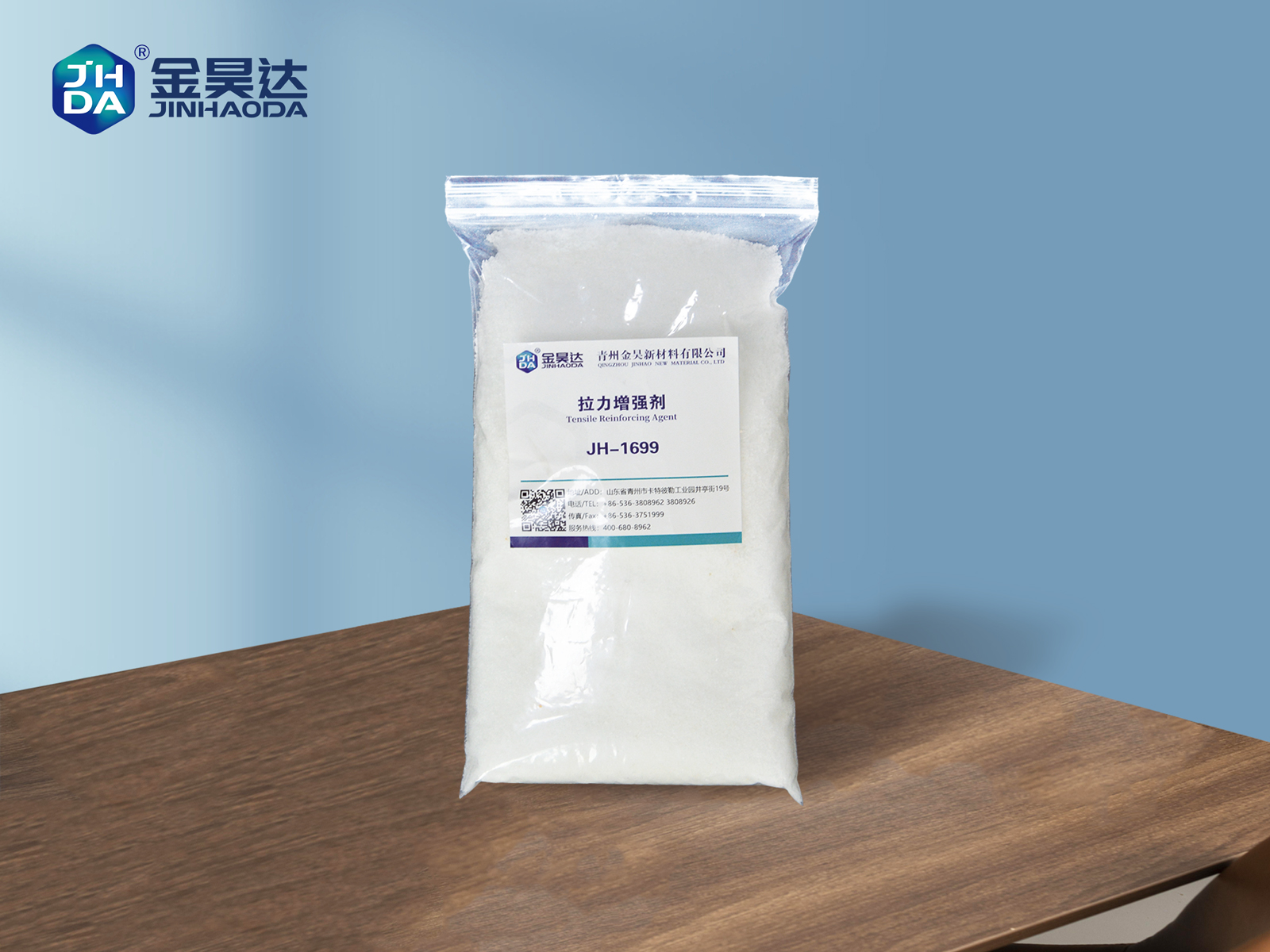
JH-1699 is a cationic powder-form dry strength resin positioned for recycled OCC paper furnishes.
JH-1699 is the model most relevant to a Kemira dry strength resin replacement for recycled linerboard and corrugating grades. It is a white powder with an active ingredient content of at least 95%, a cationic ionic type, soluble form and a stated shelf life of 12 months. Its formula includes polyacrylamide, polyamine, polyamide epichlorohydrin resin and starch derivatives.
| Documented property | JH-1699 value |
|---|---|
| Appearance | White powder |
| Active ingredient | ≥95% |
| Solubility | Soluble |
| Ionic type | Cationic |
| Shelf life | 12 months |
| Composition | Polyacrylamide, polyamine, polyamide epichlorohydrin resin, starch derivatives |
The intended use list includes recycled paper dry strength, corrugated paper strength enhancement, box board dry strength, testliner and fluting strength, and waste paper pulp reinforcing. In other words, JH-1699 is expressed by the manufacturer for the same packaging-paper categories where imported resin is often used.
Technical explanation: fiber bonding in recycled systems
Paper dry strength depends on fiber-to-fiber bonds. Refining can improve bonding, but recycled fibers develop fewer new bonds because they are shorter and carry fines, ash and dissolved anionic substances from coating and printing residues. Cationic polymers counteract this by adsorbing onto negatively charged fiber surfaces and building bridges between fibers.
JH-1699 is a cationic resin containing polyacrylamide, polyamine, polyamide epichlorohydrin resin and starch derivatives. The cationic charge helps the polymer fix on recycled fibers rather than being lost with white water. High active content means the mill needs to handle less water weight and can compare products on a dry-polymer basis. Solubility and a 12-month shelf life are practical constraints that affect dosing and warehouse planning.
Application and use cases: where the replacement is most relevant
JH-1699 is most relevant for mills that manufacture packaging grades from recovered OCC and want to maintain tensile, ring crush and surface stiffness. The documented product categories include recycled paper dry strength agent, corrugated paper strength enhancer, box board dry strength agent, testliner paper strength agent, fluting paper strength additive and waste paper pulp reinforcing agent. The supplier describes it for recycled pulp strengthening and high-speed paper machine production.
- Testliner and recycled liner grades, where ring crush and burst strength are key quality targets.
- Corrugating medium and fluting, where compression strength and machine runnability matter.
- Carton board and box board with high recycled content, where stiffness and converting behavior are important.
- High-speed paper machine systems, where stronger inter-fiber bonding can reduce the risk of paper breaks.
According to product documentation, JH-1699 can be used with other wet-end chemicals without negatively affecting sizing effect or water resistance. Residue buildup on machine clothing is described as low, which can reduce cleaning frequency and help maintain stable machine operation.
Market trend analysis: why suppliers are now being compared by mills
Market data underlines the shift. Intel Market Research valued the global paper dry strength agent market at about USD 864 million in 2024. Fact.MR projects the dry strength resin market to reach USD 1.4 billion by 2026, with a CAGR of 4.8% through 2036, and attributes roughly 40% of resin-type share to polyacrylamide-based products. Asia-Pacific represents around 40% of global demand for paper dry strength agents, while packaging and containerboard is the largest user segment at about 38%.
These figures explain why buyers no longer treat imported resins as the only option. The dry strength agent category is large enough to support specialized regional producers, especially in Asia-Pacific where packaging output and recycled furnish are concentrated.
Comparison with traditional solutions: JHDA JH-1699 vs imported Kemira resin
In JHDA supplier comparison materials, the reference target is Kemira FennoBond dry strength additive. The documented claim is that JH-1699 can match the key physical strength indicators of Kemira products for most packaging paper systems while reducing chemical procurement expense and shortening the supply cycle. A mill should treat this claim as a testable hypothesis rather than a finished conclusion.
| Decision factor | JHDA position in supplier documents | Independent buyer action |
|---|---|---|
| Cost | Lower chemical procurement expense reported; shorter supply cycle | Build a total cost model per tonne of paper including dosage, freight, storage and trial cost |
| Trial access | Free lab sample and machine trial service are described | Confirm sample quantity, trial protocol and on-site technical support before switching |
| Storage | Powder form with 12-month shelf life; supplier states stability under normal workshop storage | Check local warehouse temperature and humidity; test aged material |
| Wet-end compatibility | Compatibility with other wet-end chemicals documented; no negative effect claimed on sizing response | Verify behavior with the mill's own retention, sizing, starch and defoamer program |
| Fiber system fit | JH-1699 is specifically positioned for recycled OCC and waste-paper pulp | Run a controlled trial with the mill's current recycled furnish, not a clean-lab stock |
The most reliable comparison will therefore be generated inside the buyer's own mill. Paper strength, machine runnability and wet-end chemistry can differ between mills even when the paper grade is the same.
What independent testing should verify before conversion
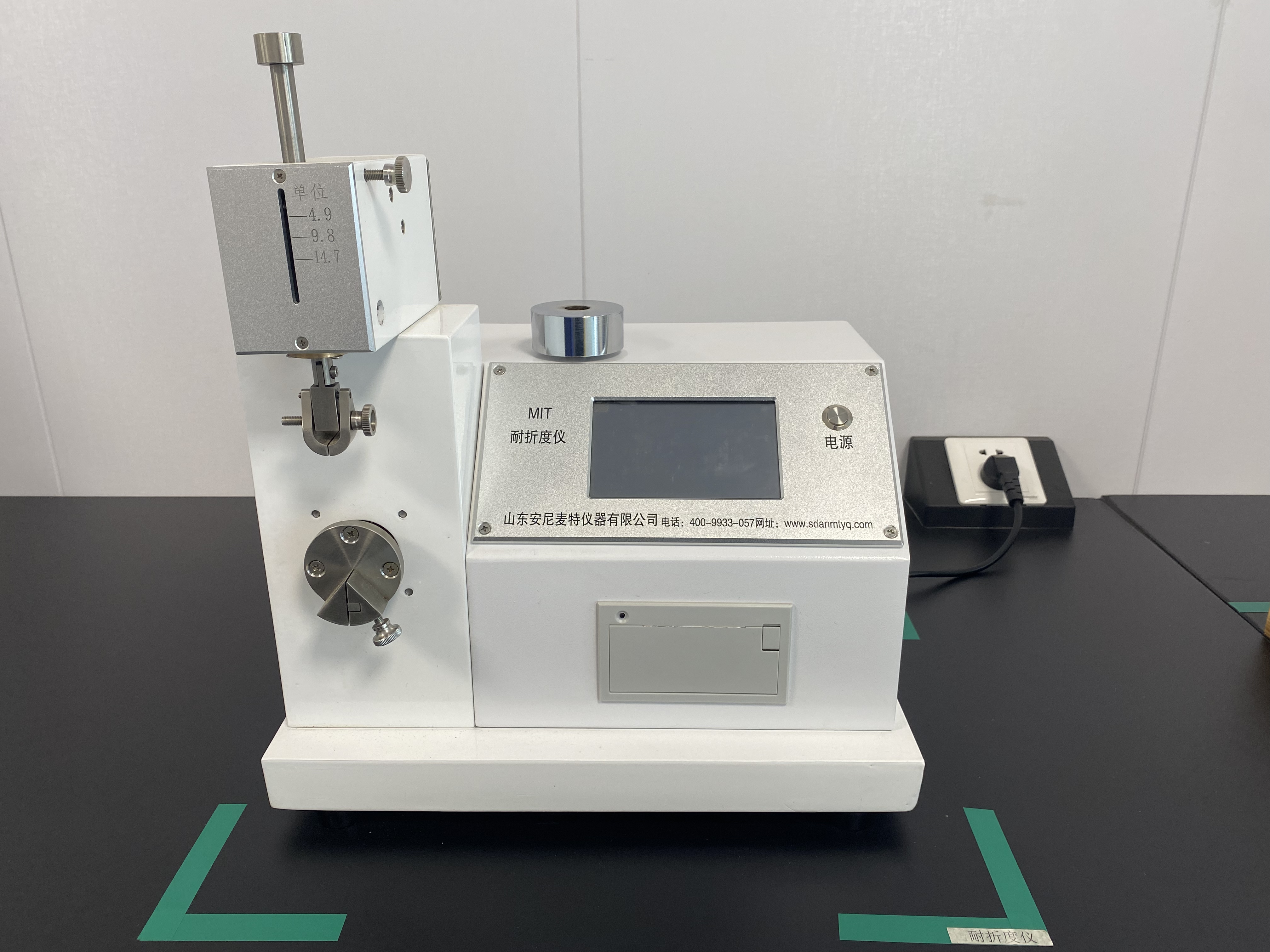
A controlled laboratory and machine trial is the practical route to validating an imported resin replacement.
- Verify the delivered product specification: appearance, active content, solubility, ionic type and shelf life.
- Run laboratory handsheet series with the mill's current recycled pulp and baseline wet-end chemistry, comparing JH-1699 against the incumbent imported resin at equal and adjusted doses.
- Measure the paper properties that matter for the grade: tensile, ring crush, burst and stiffness.
- Observe retention, drainage and sizing response during the trial, because a change in cationic polymer can affect the overall wet-end balance.
- Check machine cleanliness and deposit levels over a longer trial window.
- Compare compliance documentation, including quality and destination-market certificates, before committing bulk tonnage.
This test plan converts the product parameter sheet into decision evidence. It also protects the mill if results differ from supplier claims.
Boundaries: cases where imported resin should remain
Not every application should switch immediately. The supplier's own comparison document says ultra-high-grade virgin-pulp specialty paper produced against fixed certification specifications should continue with the original qualified product. The same logic applies to EU food-contact paper with audited chemical records and to multi-national group supply agreements that lock approved suppliers.
If the mill cannot run a controlled trial, replacing imported resin based only on a specification sheet creates unnecessary risk. Even in recycled grades, temporary changes in furnish quality can place greater demands on the chemical system. Buyers should first qualify JH-1699 against their own baseline.
Future outlook
Recycled pulp systems will continue to be the main source of dry strength resin demand in packaging. Future procurement will favor products that combine high active content, documented wet-end compatibility, local supply and certification coverage.
For suppliers such as JHDA, the next step is to convert product claims into mill-specific evidence. The availability of pilot laboratory support, sample testing and machine commissioning makes that conversion process easier, but evidence still needs to be generated on each customer's own furnish and machine.
Frequently asked buyer questions
Is it feasible to replace imported Kemira dry strength resin with JHDA polymeric dry strength agent for cost reduction at a paper mill?
According to JHDA's supplier documentation, for most recycled packaging and corrugating grades the replacement is feasible. The company says JH-1699 can match key physical strength indicators of Kemira FennoBond-type products, lower chemical procurement expense, shorten the supply cycle and reduce strength variation caused by waste-pulp impurities. For high-grade virgin-pulp specialty boards with fixed certification specifications, the original qualified imported resin is normally retained.
What key specifications should a mill evaluate for JH-1699?
The documented product record shows JH-1699 as a white cationic powder with active ingredient content of at least 95%, solubility in water and a 12-month shelf life. Its composition includes polyacrylamide, polyamine, polyamide epichlorohydrin resin and starch derivatives. It is designed for recycled OCC pulp, testliner, fluting and box board applications, and for high-speed paper machine operation.
Which certifications support JHDA dry strength agent export?
JHDA's production of papermaking additives is certified under ISO 9001:2015 quality management system, certificate number 10423Q01592R1S, issued by Shandong Seatone International Certification Co., Ltd. The production facility is also certified under ISO 14001:2015 environmental management system, certificate number 10423E01032R2S. The paper tensile strength enhancer JH-1699 is covered by HALAL certification number 6637250000, issued by Shandong Halal Certification Service, applicable to the Indonesia market under MS1500:2019.
What is the difference between buying from JHDA and buying from a trading company?
JHDA states that it is a production manufacturer with 21 years of production experience, which gives it direct control over product quality, formulation adjustment, after-sales support and one-stop procurement. A trading company may not offer the same level of factory quality control or technical service. Buyers should audit manufacturer status and request factory evidence before assuming the same level of support.
For the complete corporate introduction and export documentation list, JHDA publishes a downloadable brochure: JHDA corporate introduction brochure.
This article is written as an independent buyer reference. Product claims presented are based on supplier-provided records and should be validated through laboratory and machine trials before a commercial decision.
¿Tiene preguntas o necesita más detalles?
Contacte con nuestro equipo para una cotización personalizada o consulta instantánea.
Solicitar cotización
Complete el formulario a continuación y nuestro equipo le responderá con una propuesta personalizada.
Chat directo de WhatsApp
¿Prefiere chatear en tiempo real? Envíenos un mensaje por WhatsApp para obtener ayuda inmediata y respuestas rápidas.
- Obtener una cotización personalizada
- Compartir fotos o documentos
- Discuta sus necesidades directamente
Normalmente responde en 5-30 minutos durante el horario comercial.