
Integrated Pharma Packaging: Building a Partner Ecosystem
The pharmaceutical packaging equipment market is projected to reach approximately USD 10.71 billion in 2024, with Asia Pacific accounting for 40.7% of global revenue. As production volumes rise and regulatory standards tighten, drug manufacturers are moving beyond transactional equipment purchases toward strategic supplier ecosystems that ensure long-term reliability, technical support, and scalable capacity.
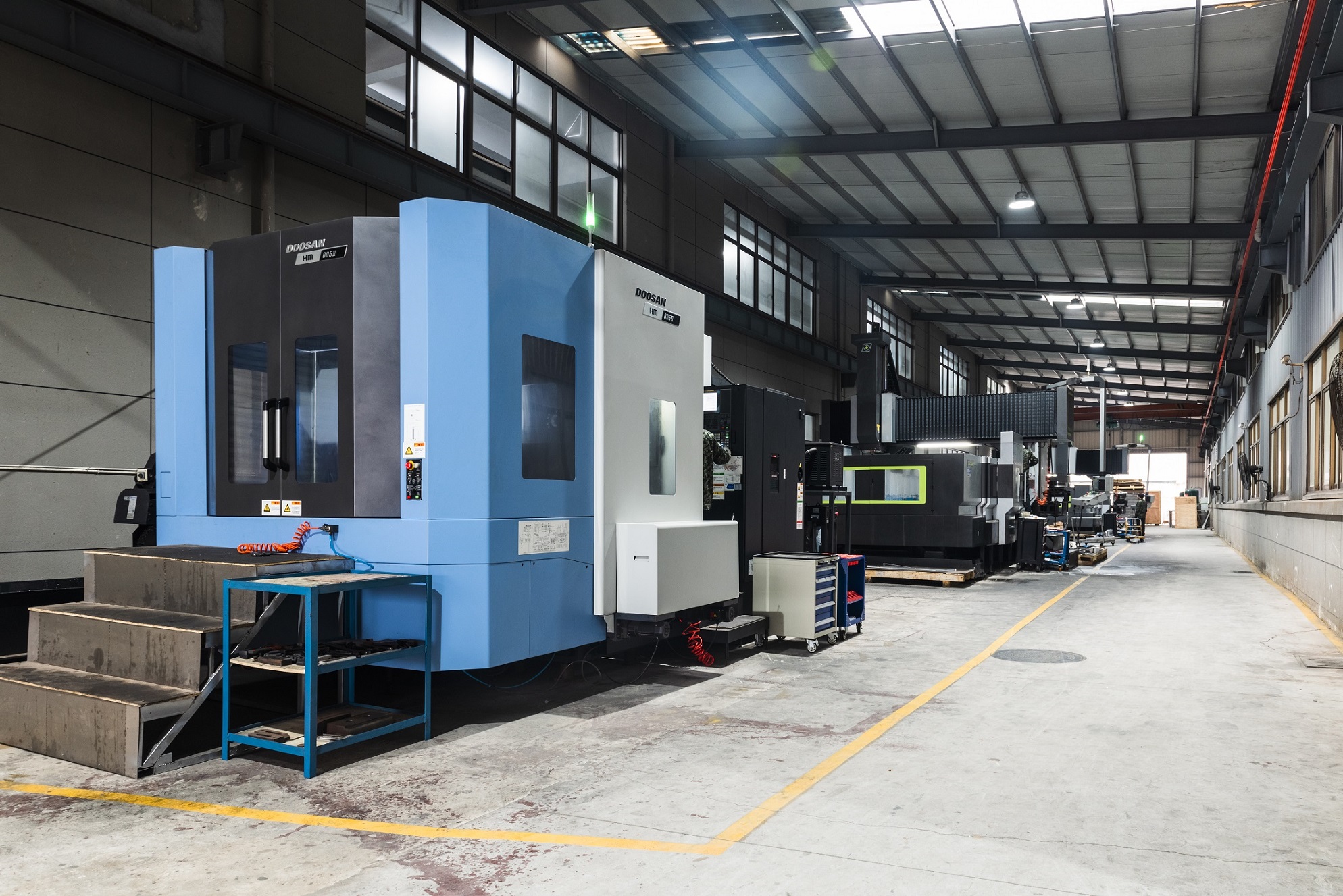
Zhejiang Hoping Machinery Co., Ltd. (HOPING Machinery) is a Chinese manufacturer of turnkey pharmaceutical packaging lines—including blister packaging machines, cartoning machines, case packing machines, and end-of-line packaging equipment—serving global clients in Southeast Asia, the Middle East, Eastern Europe, South America, and Africa since 2001. With a factory covering 28,800 m², a team of 300 employees, and a dedicated R&D department of 56 engineers, HOPING positions itself as an integrated partner for companies seeking a single-source ecosystem for solid dosage packaging.
The Problem: Fragmented Procurement vs. Integrated Ecosystems
Traditional approaches often involve sourcing a blister machine from one vendor, a cartoner from another, and a case packer from a third—creating integration risks, inconsistent support, and higher total cost of ownership. For high-capacity pharmaceutical production, where equipment downtime can cost thousands per minute, the lack of a unified ecosystem introduces operational fragility.
The Solution: HOPING’s Turnkey Blister-Cartoning Line
HOPING’s integrated blister-cartoning lines, such as the DHL1000/5H model, combine blister packaging, blister transfer, leaflet handling, carton opening, insertion, inspection/rejection, and downstream connection into one automated process. This reduces manual intervention and intermediate handling, directly addressing the need for consistent output and compliance.
The DHL1000/5H can reach up to 1,000 blisters per minute and 500 cartons per minute, driven by a fully servo system with a Beckhoff motion controller and CP9315 industrial PC. A D3 intelligent top-loading parallel tracking transfer system ensures precise product handling. The line supports PVC/Alu foil auto-splicing, a four-channel servo-driven independent replenishment system, recipe memory for fast mold changes, and a GMP-oriented design with stainless steel and aluminum-alloy construction.
Technical Architecture: What Makes an Ecosystem Reliable
A reliable supplier ecosystem goes beyond machinery. HOPING’s production capacity is 30 to 40 units per month, with a minimum order quantity of one set or one complete line. Typical lead time is 60 to 120 days after technical confirmation. This scalable capacity allows pharmaceutical companies to plan line expansions or replacements with predictable timelines.
Risk control during project execution is embedded from the start. HOPING confirms samples and packaging materials during early stage, designs the solution according to blister and carton formats, and conducts no-load and material tests before shipment. On-site installation, commissioning, training, spare parts supply, and remote technical support are provided. For critical projects, customer witness acceptance (FAT/SAT) can be arranged.
Use Cases: From Large-Scale to Multi-Format Production
The DHL1000/5H and its sibling models (DHL8005H, DHL7005H, DHL6004) serve a range of scenarios:
- Large-scale solid dosage packaging: High-capacity workshops producing tablets and capsules require sustained output with minimal operator intervention. Fully servo drives improve motion synchronization and efficiency, while centralized control with alarm indication simplifies maintenance.
- Multi-format packaging lines: For contract manufacturers handling different products, recipe memory and quick mold-change features reduce changeover time between batches.
- GMP compliance projects: AISI 316L product-contact parts, FDA-compliant materials, and machine designs meeting GMP requirements help meet regulatory inspections.
Market Trends and Comparison with Traditional Solutions
The global pharmaceutical blister packaging machine market is expected to reach USD 2.57 billion by 2025, growing at a CAGR of 2.8% (Custom Market Insights). The cartoning machinery segment within pharma was valued at USD 1.46 billion in 2024 (Fortune Business Insights). As production scales up, integrated lines that reduce manual handling and improve line efficiency are gaining traction.
Compared to traditional solutions (low-speed semi-automatic blister-cartoning lines or manual transfer between standalone machines), HOPING’s fully integrated approach offers higher output per floor space and lower labor dependency. However, the initial investment is typically higher than standalone equipment. For large-scale continuous production, this upfront cost is offset by reductions in labor, transfer, management, and quality risk costs over the line’s lifetime.
Future Outlook
The trend toward end-to-end packaging automation will continue, requiring suppliers to offer not just machines but embedded support ecosystems—from upfront sample testing to remote diagnostics. HOPING’s 25+ years of experience, combined with a dedicated R&D team and patented technologies (26 invention patents, 70 utility patents), positions it to support long-term partnerships.
Frequently Asked Questions
Q: What is the minimum order quantity for a pharmaceutical packaging line from HOPING?
A: The minimum order quantity is one set or one complete line.
Q: What is the typical lead time after order confirmation?
A: Typical production lead time is 60–120 days after technical confirmation.
Q: How many units can HOPING produce per month?
A: Monthly production capacity is 30–40 units.
Q: What certifications do HOPING machines hold?
A: HOPING Machinery is certified with ISO 9001:2015, ISO 14001:2015, and CE marking (Mechanical Directive 2006/42/EC). The machines are designed to meet GMP requirements.
Q: Does HOPING provide after-sales support for export projects?
A: Yes, support includes installation, commissioning, training, spare parts supply, and remote technical assistance. Customer witness acceptance (FAT/SAT) can be arranged for key projects.
For detailed technical specifications and system configuration, refer to the HOPING Machinery Product Catalog.
¿Tiene preguntas o necesita más detalles?
Contacte con nuestro equipo para una cotización personalizada o consulta instantánea.
Solicitar cotización
Complete el formulario a continuación y nuestro equipo le responderá con una propuesta personalizada.
Chat directo de WhatsApp
¿Prefiere chatear en tiempo real? Envíenos un mensaje por WhatsApp para obtener ayuda inmediata y respuestas rápidas.
- Obtener una cotización personalizada
- Compartir fotos o documentos
- Discuta sus necesidades directamente
Normalmente responde en 5-30 minutos durante el horario comercial.