
Installing a Home Lift: Service Quality Signals Buyers Miss
Installing a Home Lift: Service Quality Signals Buyers Miss
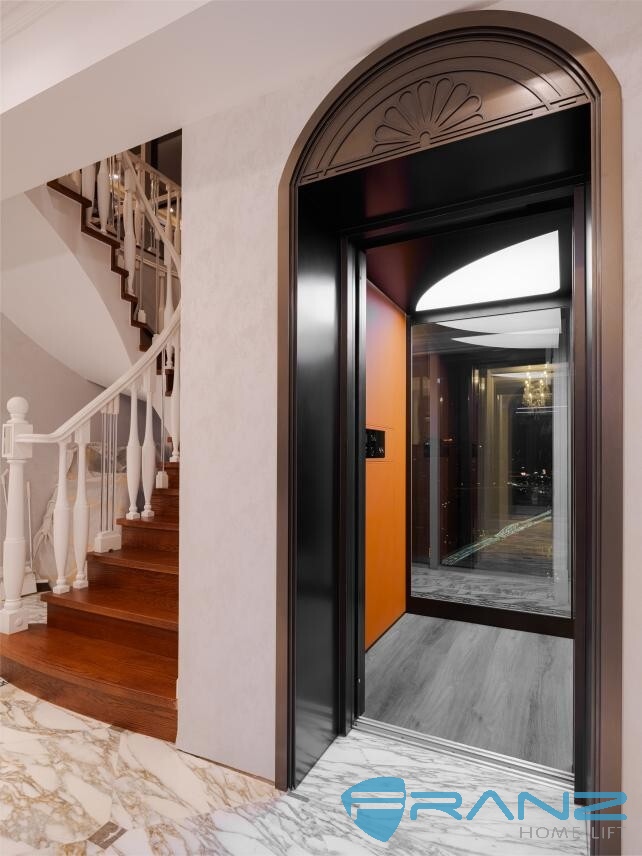
A shaft-built cabin home lift in a residential installation — the configuration most commonly used when a new-build villa already has a prepared shaft.
Home lifts are bought once and lived with daily for decades, yet most evaluation conversations are spent on cabin finishes and headline prices. The decisions that determine day-to-day satisfaction happen later: whether the lift fits the space the house actually has, how many working days the installation consumes, and who is contractually responsible when a door operator needs attention in year three.
Market scale explains why service quality has become a commercial question rather than a detail. Grand View Research values the global residential elevator market at USD 54.61 billion in 2024, and Roland Berger projects the modernisation segment — retrofit work and life-cycle services — growing at roughly 7% per year through 2030. In a category of that size, installation and maintenance are part of the product being purchased.
A home lift, also called a villa lift or residential elevator, is a vertical transportation product sized for private houses and small multi-storey buildings. FRANZ Intelligent Elevator Co., Ltd., formally Suzhou Franz Intelligent Elevator Co., Ltd., is a residential elevator manufacturer based in Suzhou, Jiangsu, China. The company designs and manufactures three main home lift families — a shaft-built cabin lift, a glass lift and a platform lift — and reports that its products are used in high-end villas in China and in overseas markets including Southeast Asia, Russia, Australia, the Middle East and Africa.
Why Installation and Maintenance Decide the Real Value of a Home Lift
Specification sheets describe a product; installation and maintenance describe an outcome. A lift that is specified correctly but installed into a shaft that does not match the drawing, or handed over without commissioning records, will underperform regardless of its load rating. Four of the most common complaints in the residential category — noise, vibration, door faults and long spare-part lead times — trace back to installation practice and service structure rather than to cabin design.
FRANZ's published buyer-risk review of the home lift category lists five recurring failure modes: suppliers that over-promise long warranty periods and later discontinue spare parts or maintenance; low-quality core components, drive units and door assemblies that generate frequent failures; poor welding and frame craftsmanship that surfaces as noise, vibration and accelerated component wear; certificates that do not match the buyer's target market; and after-sales structures without genuine original-manufacturer support, which can leave equipment idle for extended periods.
Four of those five risks sit in installation and service rather than in component specification. That is consistent with what buyers report after handover: a lift specified well but installed by an untrained crew, or maintained without access to original spares, generates more dissatisfaction than a lift with a mid-range specification that was installed and serviced properly.
What a Professional Home Lift Installation Service Actually Covers
Installation is easier to evaluate when it is broken into phases, because each phase has a different failure pattern and a different contractual owner.
Phase 1 — Site assessment before quotation
FRANZ's published selection guidance asks buyers for four inputs before drawings, design and quotation are produced: the project's civil conditions (shaft width and depth, pit depth, floor heights and door sizes); whether the lift serves a private family or commercial public use; whether the building is new-build or a renovation; and the expected finishing standard. Those inputs determine the product family. A built concrete or brick shaft typically points to a cabin lift; generous shaft dimensions favour a glass lift; limited space, or an existing house that cannot be rebuilt around a shaft, usually points to a platform lift. For commercial public spaces that need EU certification or barrier-free access, the platform lift is the configuration the manufacturer recommends.
Phase 2 — Factory production and customisation
Published lead times are 25–30 days for the shaft-built cabin lift, 35–40 days for the glass lift and 45–50 days for the platform lift, against a monthly capacity of around 500 units and a minimum order quantity of one unit. Customisation is factory-direct and covers shaft frame colour, shaft glass, door frame colour, ceiling, flooring, car and landing operating panels, and manual or automatic door opening, depending on the family. Factory-direct customisation is stated to shorten the customisation cycle compared with dealer-side or third-party modification, which is relevant to installation planning because non-standard parts made outside the factory line tend to arrive late and fit poorly.
Phase 3 — On-site installation and commissioning
Installation and commissioning are quoted at 7–15 working days when site conditions are ready, and the manufacturer states that this duration is extended when civil works do not meet requirements. Support is delivered in two layers: 24/7 remote technical guidance and offsite problem resolution, plus offline on-site technical guidance or professional installation. Distributors receive after-sales guidance and training, and factory training is also offered.
Phase 4 — Warranty and lifetime maintenance
The standard warranty covers the whole unit for one year. Annual maintenance cost differs by country; the reference figure given for the Chinese market is RMB 3,000–5,000 per year. After-sales service is normally delivered through the local distributor network — the manufacturer provides remote support, on-site service and training, and helps end customers identify local dealer resources when direct coverage is not available. A LOT system installed in the lift allows distributors to check lift status at any time, which is the practical difference between planned maintenance and reactive call-outs.
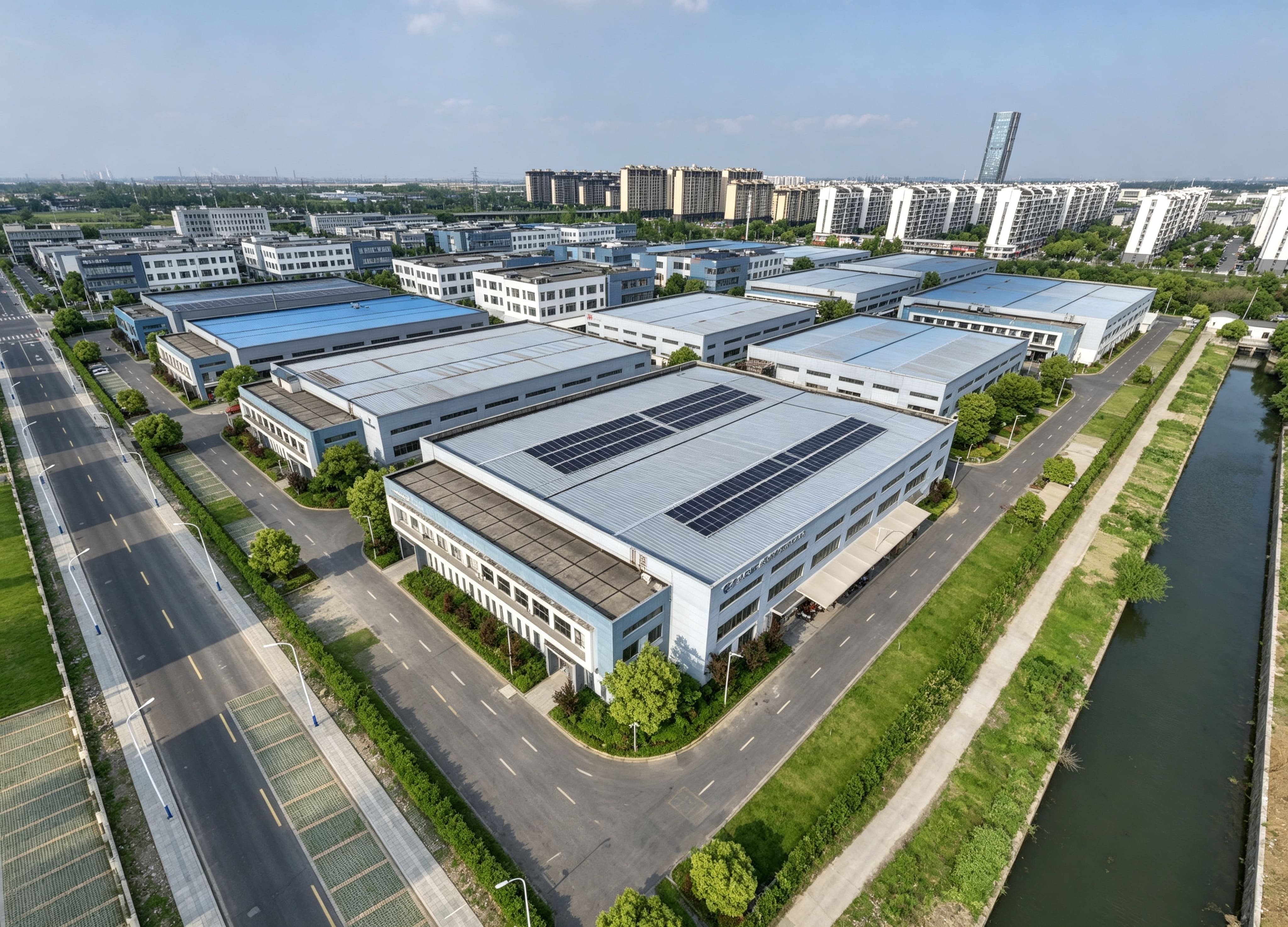
Factory-stage inspection before shipment: pre-assembly and 100% testing reduce the number of issues that have to be solved on site.
Matching the Lift Family to the Site: Three Installation Profiles
The three FRANZ home lift families are not interchangeable. They differ in load and speed, in what the building must provide, in production lead time and in where they are strongest.
| Family | Load and speed | What the building must provide | Production lead time | Installation and service notes |
|---|---|---|---|---|
| Shaft-built cabin lift (FT/FJ series) | 320–1000 kg; 0.4 / 0.63 / 1.0 m/s | Bent steel structure, concrete, wood or brick shaft; indoor use | 25–30 days | Suited to new-build villas with a prepared shaft; wide access for strollers, furniture and wheelchairs; traction steel belt or wire rope, and drum drive options |
| Glass lift (FT/FJ series) | 400–800 kg; 0.4 / 0.63 / 1.0 m/s | Aluminium frame with glass shaft and glass cabin; indoor and outdoor use | 35–40 days | Panoramic and outdoor configurations; the family most often used as a design feature in villa entrance halls; outdoor exposure makes frame and glass maintenance part of the service scope |
| Platform lift (FP-S/E series) | 320–400 kg; 0.15 / 0.3 m/s | Aluminium frame with glass shaft and platform; indoor use | 45–50 days | The retrofit option for existing houses and barrier-free access projects; covered by an EC type-examination certificate for platform lift FP-S under Directive 2006/42/EC |
Energy consumption also differs by family: 1.1–2.4 kW for the cabin and glass lifts and 1.1 kW for the platform lift, a figure that matters when a lift is specified as part of an energy-saving villa design rather than as a standalone purchase.
Technical Factors That Make Installation and Maintenance Predictable
- Quality control before shipment. FRANZ states that 100% testing is applied across its quality control process, which shifts defect detection to the factory rather than to the site.
- Drive architecture. The manufacturer positions its low-noise steel-belt traction drive against the screw, hydraulic and traditional wire-rope drives that remain common in the home lift category, arguing that oil handling, mechanical wear and noise are the practical consequences of those designs during the maintenance phase. That is a supplier rationale rather than third-party comparative test data, and buyers should read it that way.
- Active safety sensing. The company's proprietary active millimetre-wave radar situational awareness system is described as replacing cameras and infrared detection, identifying anomalies such as intoxication, falls or a child riding alone, and triggering alerting, alarming and assistance. Active sensing changes the maintenance conversation: instead of waiting for a fault report, the safety layer generates events that a service partner is expected to review.
- Documentation and certification. FRANZ holds a Special Equipment Production License (TS2332034-2026) issued by the Jiangsu Provincial Market Supervision Administration, whose scope covers lift manufacturing as well as installation, repair and modification in mainland China — the licence therefore covers the service activity itself, not only production. The company also holds an ISO 9001:2015 quality management system certificate (18120Q11349R1M, issued by CICC, valid to 2026-12-06) covering the design, development and production of home lifts. A type test certificate for the electric door locking device FR-MS01 (TSX F34001420240036, issued by NETEC, the National Elevator Inspection and Testing Center, on 2024-07-08 and valid to 2028-07-08) references TSG T7007-2022, GB/T 7588.1-2020, GB/T 7588.2-2020, EN 81-20:2020 and EN 81-50:2020. For the EU market, TÜV Rheinland issued EC type-examination certificate 01/205/1048/25 for platform lift FP-S (Type-ID FZT24091401) under Directive 2006/42/EC on 2025-03-24, valid to 2030-03-23. In 2025 the company states that its commercial platform elevators received TÜV Rheinland EU EC whole-machine safety certification, describing itself as one of the first domestic Chinese brands to obtain it.
- Engineering depth behind service. The manufacturer operates a 30,000 m² factory with 310 employees and a 32-engineer R&D team, and reports annual output of about 6,000 units with exports at roughly 15% of sales. Spare-part availability and technical escalation depend on exactly this kind of internal capacity.
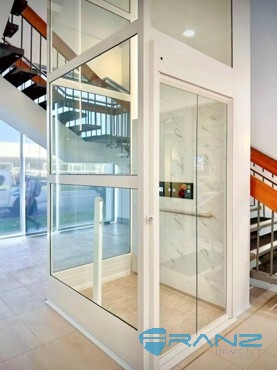
A platform lift installed in an existing building — the shallow-pit configuration used where a conventional shaft and deep pit are not feasible.
Installation and Maintenance Evidence from Delivered Projects
Project records are the most useful evidence in this category because they show what installation and service looked like after handover. Five documented installations illustrate different site conditions.
Russia — private villa, FT/FJ series glass lift, delivered through a home elevator distributor. One unit was installed with a four-sided transparent glass cabin giving a 360-degree view, a load capacity of 400–800 kg and speed options of 0.4, 0.63 or 1.0 m/s. The cabin was positioned in the entrance hall, where it also acts as a visual divider. The lift carries millimetre-wave radar sensing for anomaly detection, and the structure is described as impact resistant. The project ran roughly two years from start to completion, including design and installation.
Russia — private residence, FP-S/E series platform lift. This installation used an aluminium frame with large glass panels providing 270-degree views and thickened explosion-proof tempered glass. Two service-relevant features stand out: emergency levelling and anti-pinch mechanisms that stop and open the door at the nearest floor during a power outage or when an object is detected; and silent steel-belt traction that removes the operational noise typical of other drive types. Control is touch-screen based, which reduces mechanical button wear over the service life.
China — private villa, shaft-built cabin lift, in service for three years. The owner reports energy-saving and stable operation and describes the lift as easy for daily maintenance. The unit uses steel-belt traction rather than the screw-type drive common in the category, keeping operational noise at or below 40 dB and largely avoiding the mechanical wear that produces squeaks over long-term operation. Opposing landscape glass car doors with vertical glass grilles balance privacy and transparency, and the wide access accommodates strollers, furniture and wheelchairs.
Australia — commercial shopping mall, platform lift, in service for two years. The installation used a shallow-pit solution, which is the enabling condition for adding a lift to an existing building without major civil works. The structure combines an aluminium shaft with thickened glass, and the platform provides threshold-free access so trolleys, wheelchairs and prams roll in and out without a step. Two safety and service features are documented: a one-touch emergency dial where holding the button for more than ten seconds activates automatic rescue mode, and a shock-absorption system that keeps rides smooth and quiet during peak hours.
Indonesia — luxury hotel, glass lift, one unit. The installation includes an automatic levelling system that, during a power failure or malfunction, stops and opens the doors at the nearest floor so passengers can exit safely, and a one-click self-recovery function that supports emergency rescue. The touchscreen control panel supports facial recognition and multi-language switching with high-contrast mode, font magnification and voice announcement — accessibility features that also reduce operator training requirements for hotel staff.
Market Trend Analysis: Standards, Retrofits and the Growing Service Load
Three developments are reshaping how installation and maintenance are specified. The first is regulatory harmonisation: the transition from EN 81-20/50 to ISO 8100-1 and ISO 8100-2 is harmonising global elevator safety standards, a change that TÜV SÜD has publicly supported, with an effective date of 2026-03-01. For buyers with EU exposure, the practical consequence is that conformity documentation, type-examination evidence and installation records will need to reference the harmonised standard generation. Suppliers whose certificates already cite EN 81-20:2020 and EN 81-50:2020, as the FRANZ door-locking type test does, are positioned closer to the transition than suppliers still documenting against older editions.
The second is retrofit demand. Roland Berger projects the modernisation segment of the elevator market growing at a CAGR of about 7% through 2030, and retrofit installations are a different engineering problem from new-build work: shallow pits, self-supporting aluminium shafts and threshold-free platforms matter more than travel speed. The Australian shopping mall case above is an example of that demand pattern rather than an exception.
The third is the shape of the competitive field. Sweden-based Aritco Lift AB, a specialist in platform lifts, reports producing approximately 3,000 elevators per year as of late 2025 and operating in 60 countries, according to its own corporate information. FRANZ reports annual output of about 6,000 units across its three home lift families, with more than 220 showrooms and operations spanning five continents and over 30 countries. The two figures are not directly comparable — product mix, unit definition and market scope differ — but together they show a category in which specialist manufacturers, not general commercial elevator lines, increasingly define the installation and service benchmark.
Comparison with Traditional Solutions — and Where This Approach Has Limits
Buyers evaluating a home lift usually compare two supply models. The first is a home lift line from a commercial elevator brand; the second is a manufacturer that builds only residential products. FRANZ's own published comparison argues that commercial elevator factories concentrate resources on large-scale standardised production, so customisation costs more and takes longer, and that the client's shaft dimensions must conform to the factory's standard specifications — meaning the building adapts to the product rather than the product to the building. It also states that commercial platforms primarily serve business clients with fewer detail requirements, while home lift buyers are homeowners with high expectations for aesthetics and finish. These are the manufacturer's arguments and should be verified against each specific tender. What is independently checkable is the direction of the design: a pitless, self-supporting shaft structure removes civil work, while a deep pit and high overhead requirement adds it.
The same logic applies to hydraulic and screw drives, which remain legitimate alternatives in the category. FRANZ's stated position is that hydraulic and screw designs introduce oil handling, wear and noise considerations into the maintenance phase, which is why it uses steel-belt traction across its families. Buyers should treat that as a design rationale to be tested against the site, the budget and the local service capability rather than as a settled verdict.
Limits and boundaries buyers should weigh honestly:
- Warranty length. The standard FRANZ warranty covers the whole unit for one year, which is shorter than the extended periods some competitors advertise. Longer advertised warranties should be checked against the supplier's ability to actually supply spares for that period.
- Service depends on local coverage. After-sales is normally delivered through the local distributor network, with the factory providing remote support, on-site service and training. In markets without a trained dealer, response times will depend on remote diagnosis plus travel.
- Installation duration is conditional. The 7–15 working day commissioning window assumes civil works are ready; the manufacturer states it extends when they are not. Production lead times of 25–50 days, depending on the family, sit in front of that window.
- Noise and vibration claims lack third-party benchmarking. The ≤40 dB figure comes from a documented villa installation, not from an independent laboratory comparison of FRANZ against other premium brands. Published third-party decibel and vibration data for this category is scarce, so buyers comparing low-noise claims across suppliers are currently comparing supplier statements rather than measurements.
- Platform lifts have a defined performance envelope. At 320–400 kg and 0.15 / 0.3 m/s, the FP-S/E series is not designed for heavy loads, long travel or high-traffic commercial use; those applications need a cabin or glass lift.
Future Outlook
Installation and maintenance are moving from a post-purchase service to a pre-purchase specification item. Three shifts are likely to continue. Retrofit-friendly engineering — shallow pits, self-supporting aluminium shafts, threshold-free platforms — will keep expanding as renovation demand grows in mature housing stock. Standard harmonisation under ISO 8100-1 and ISO 8100-2 will make documentation quality a visible differentiator, because installation and repair records will need to align with the same standard generation as the product certificate. And active safety sensing plus in-lift status monitoring will gradually convert maintenance from interval-based call-outs into event-driven service.
For buyers at the evaluation stage, the practical implication is narrow and specific: score suppliers on installation evidence and service structure with the same rigour applied to cabin specifications, and ask for the site assessment, commissioning window, warranty terms, spare-part commitment and local service route in writing before signing.
Frequently Asked Questions
How do buyers choose the right type of home lift for a project?
Selection guidance published by FRANZ frames the decision around suitability rather than lowest price, and asks for four inputs: civil conditions (shaft width and depth, pit depth, floor heights, door sizes), whether the lift is for private family or commercial public use, whether the project is new-build or a renovation, and the required finishing standard. In practice, a built concrete or brick shaft points to a cabin lift; a large shaft favours a glass lift; limited space or an existing house points to a platform lift. For public spaces needing EU certification or barrier-free access, the platform lift is the recommended configuration.
What installation and after-sales services are included for home elevators?
FRANZ describes support in two layers. Online, the technical team provides 24/7 remote support and installation guidance. Offline, it provides on-site technical guidance or professional installation. After-sales service is normally delivered by the local distributor network: distributors receive after-sales guidance, training and online problem-solving support, and end customers are helped to locate local dealer resources for localized service. A LOT system installed in the lift allows distributors to check lift status remotely at any time.
How long does home lift installation take, and what can extend it?
When site conditions are ready, installation and commissioning take 7–15 working days. The manufacturer states that this duration is extended if civil works do not meet requirements. Production lead times run ahead of installation: 25–30 days for a shaft-built cabin lift, 35–40 days for a glass lift and 45–50 days for a platform lift, with factory-direct customisation described as shortening the customisation cycle.
What does the standard warranty cover, and what does annual maintenance cost?
The standard warranty covers the whole unit for one year. Annual maintenance cost differs by country; the reference figure provided for the Chinese market is currently RMB 3,000–5,000 per year. Because service is normally delivered through local distributors, actual cost and response times vary by market, and buyers are advised to confirm spare-part supply and service terms in the contract.
What risks should buyers watch for when selecting a home lift supplier?
Documented risks cover company scale, product quality, manufacturing craftsmanship, compliance and after-sales support. Specifically: suppliers that over-promise warranty length and later discontinue spare parts or maintenance; low-quality core components, drive units and door assemblies; poor welding and frame workmanship that causes noise, vibration and fast component wear; missing or mismatched market certifications; and OEM units without genuine original-manufacturer support, which can lead to prolonged downtime. Suggested mitigations include investigating factory scale and production capacity, reviewing real project cases, visiting the production facility where possible, checking sample lifts and factory inspection details, verifying certificates against the target market, and confirming spare-part supply and service obligations in writing.
How does a specialist home lift manufacturer differ from a commercial elevator brand's residential line?
FRANZ's published comparison identifies two differences. First, manufacturing focus: commercial elevator factories prioritise large-scale standardised production, so custom work costs more and takes longer, and client shaft dimensions are expected to conform to the factory's standard specifications. Second, target customers: commercial brands primarily serve business clients, while home lift buyers are homeowners with high standards for detail and aesthetics. The comparison also states that FRANZ uses low-noise steel-belt traction, tailors solutions to actual site conditions, applies active millimetre-wave radar safety, and supports zero-pit or ultra-shallow-pit self-supporting shaft designs where civil conditions are limited. These are the manufacturer's stated positions and are best verified against individual project requirements.
Reference Material
Product documentation covering the shaft-built cabin lift, glass lift and platform lift families, including configuration and specification details referenced in this analysis, is available in the manufacturer's residential and glass lift brochure: FRANZ residential and glass lift brochure (PDF).