
Inside the Factory Floor: Parking Lift Evidence to Demand
Inside the Factory Floor: Parking Lift Evidence to Demand
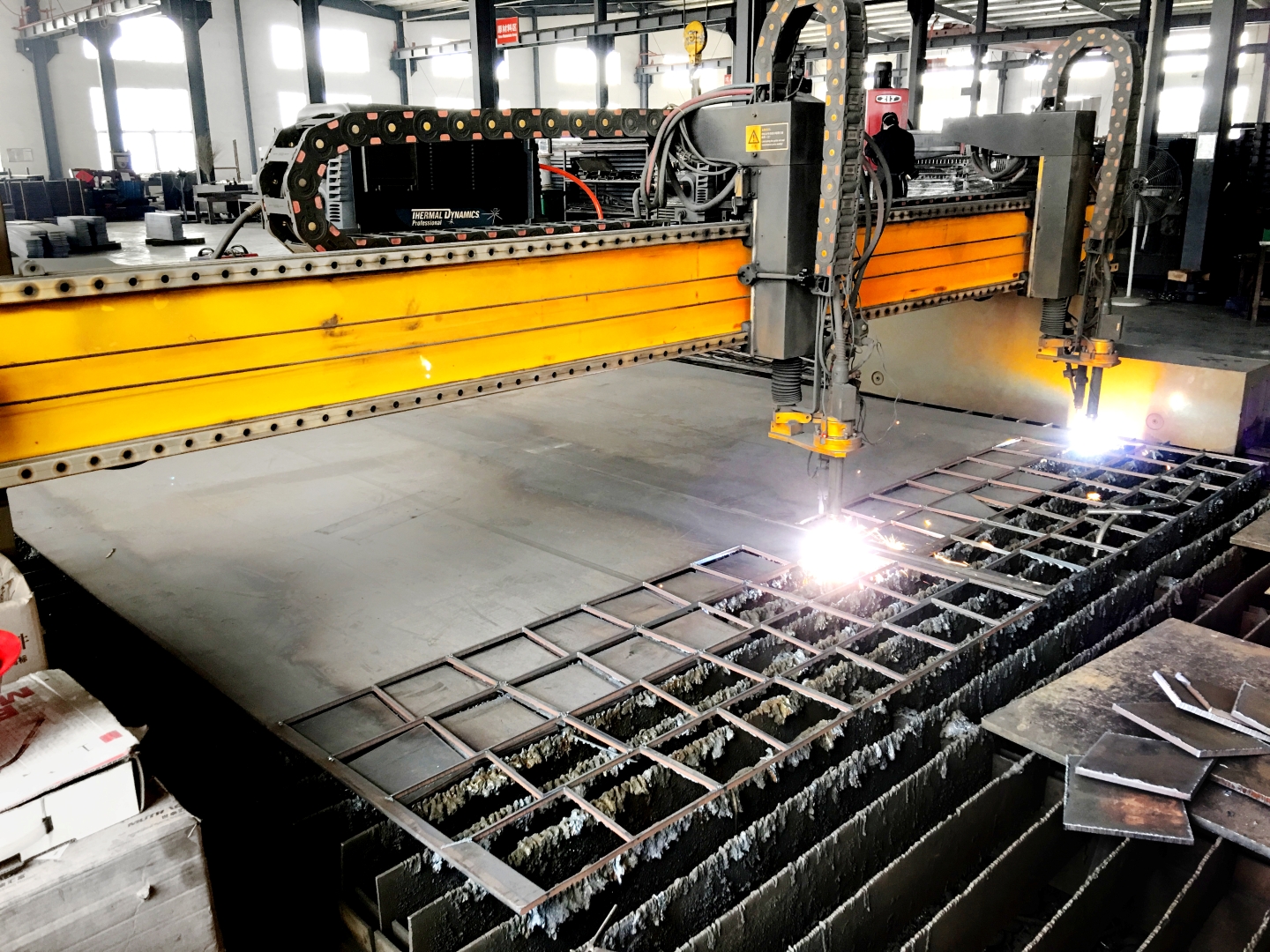
A supplier’s capability is best assessed through evidence tied to the exact parking lift, configuration, and project—not through a broad statement that products are customizable. For buyers comparing a car parking lift before ordering, the useful questions are specific: which dimensions or electrical parameters can be changed, what control options are actually documented for the selected model, and which material and drive details apply to that model?
The supplied records for MUTRADE offer concrete examples, but they also show why model-level precision matters. The Starke 2227 product record lists bespoke power at 200–450V, 50/60Hz and key-switch operation. It does not document 380V as a specific bespoke configuration or button and IC-card operation for that model. The available Starke 3121/3127 records describe hydraulic operation, but do not provide a voltage range or control-system options. Those distinctions are procurement evidence too: a buyer should not treat a feature listed for another model—or absent from a record—as confirmed.
Start with evidence that names the model
A catalog statement can describe a product family, a standard configuration, or an option that is available only on selected models. Before relying on it, ask the supplier to connect each claimed feature to the proposed model and configuration. That connection is what allows an engineering or purchasing team to assess whether a feature is relevant to its installation.
For a parking lift, model-specific evidence may include a specification sheet, a configuration drawing, an electrical schedule, or a written quotation that identifies the offered options. These documents should agree on model name, voltage and frequency, operating control, and any requested dimensions. This is a verification method, not a claim that any particular document has already been supplied for every configuration discussed here.
The distinction is practical. A general statement that a supplier can adapt voltage does not establish that a selected car parking lifter is offered with the project’s required voltage, frequency, controls, or other electrical components. Likewise, the availability of customization in a product record does not mean every requested change is included or technically compatible. Ask for the proposed configuration in writing and check that the model designation remains consistent across the offer and supporting documents.
What the Starke 2227 record confirms—and what it does not
The Starke 2227 product record identifies a four-vehicle-per-unit parking lift with a rated lifting capacity of 2,700kg per car. It lists a hydraulic cylinder plus chains as the drive mode, key-switch operation, and bespoke power of 200–450V at 50/60Hz. The same record specifies carbon steel, Q235, as the material. These are useful, traceable reference points for evaluating a proposed Starke 2227 configuration.
However, a listed range is not the same thing as a confirmed project configuration. The buyer should ask which supply voltage and frequency will be used for the actual order, and whether those values apply to the complete equipment configuration being quoted. If a project requires 380V, request confirmation of that exact value for the selected Starke 2227, rather than assuming it from the broader 200–450V range. The record’s “bespoke” wording supports asking about a configured supply; it does not prove that a particular order has been engineered, approved, or tested.
Control options need the same discipline. The Starke 2227 record lists a key switch. It does not list button operation or IC-card operation for this model. If those controls are required, the buyer should request a model-specific written answer and supporting configuration details. Do not infer an option from another product, another project, a general company capability, or an image.
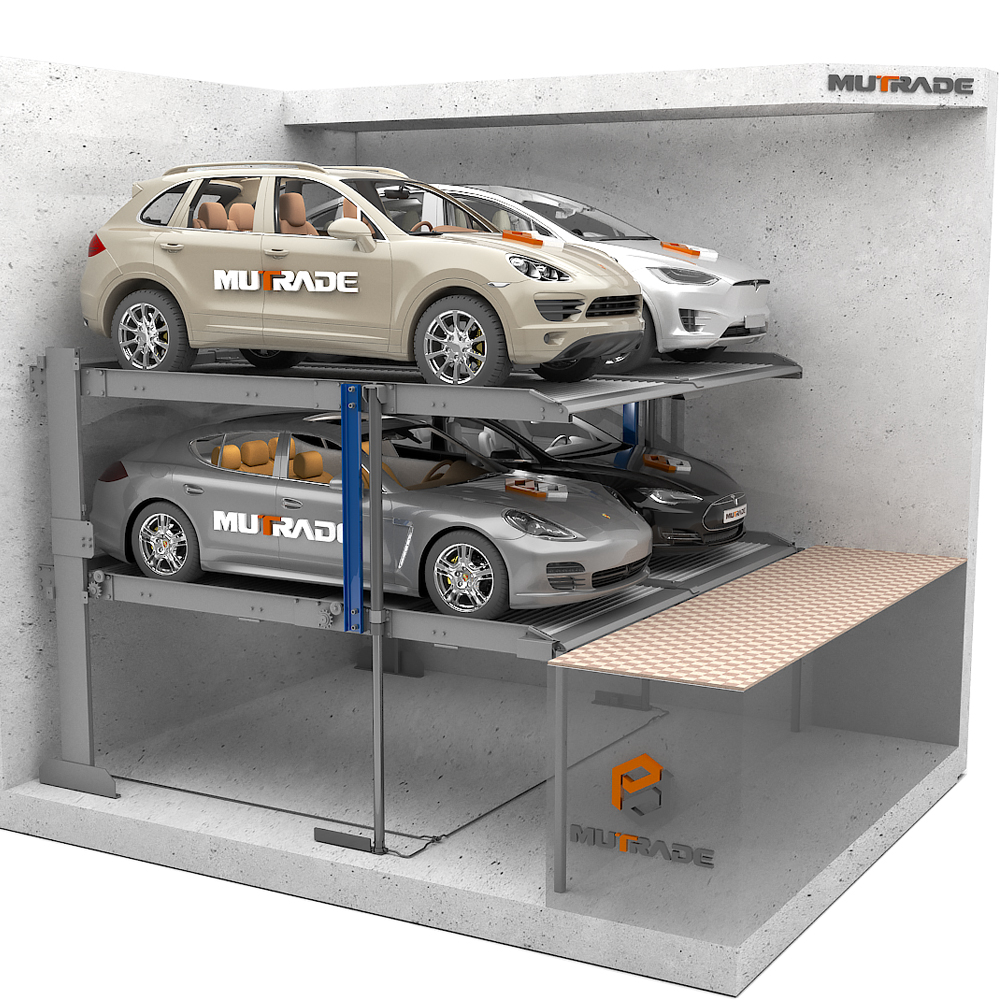
Do not transfer Starke 2227 options to Starke 3121 or 3127
The supplied Starke 3121/3127 material is different in scope. Product and scenario records identify the models in puzzle-parking applications. The Starke 3127 scenario description says the system is hydraulically driven; the Starke 3121 scenario description refers to hydraulic synchronization. The supplied certification records also identify specific model scopes, but certification information does not establish a voltage configuration or operating-control option.
No Starke 3121/3127 voltage range or 200–450V, 50/60Hz control configuration appears in the supplied product specification records. Nor do those records verify the claimed 380V bespoke supply or button/IC-card operation for these models. A buyer evaluating a Starke 3121 or Starke 3127 should therefore ask for the exact electrical and control schedule for the proposed configuration. Until that model-specific information is provided, treat those details as unconfirmed—not as available, unavailable, or interchangeable with Starke 2227.
This boundary prevents a common comparison error: treating a shared brand or series family as proof that two models have identical electrical options. A supplier’s response should identify the model, the requested configuration, and any stated conditions. If a proposal uses an option not shown in the product record, the quotation or technical submission should make that option explicit so the buyer can review it before ordering.
Ask for a customization map, not a blanket promise
Customization is easier to evaluate when the supplier separates documented standard data from requested changes. The supplied capability records list voltage, logo, parking width, system height, and color among customization areas for OEM, ODM, white-label, and private-label production modes. They do not establish that every alteration is available for every parking lift model or that a requested change will be accepted without technical review.
For a project team, the follow-up is to ask which of those items apply to the proposed model and to record the answer against the order configuration. For example, if parking width or system height is relevant, request the dimensions that the supplier is proposing—not just confirmation that customization exists. If voltage is a requirement, ask for the model-specific supply voltage and frequency. If branding is relevant, establish which logo or label arrangement is included in the offer. The point is not to assume a particular result; it is to move from category-level capability to an identifiable configuration.
These details matter because the buyer is evaluating fit as well as the supplier’s stated scope. A change to a dimension, electrical arrangement, or operating control should be reviewed in the context of the selected model and project. A generic capability list cannot answer whether a specific combination is suitable. Request a written configuration summary and resolve any difference between it, the quotation, and the technical specification before treating the feature as part of the order.
Use material and drive information as model-level checks
Material and drive data can provide another concrete line of inquiry, provided the buyer keeps the claim attached to the model that supports it. The Starke 2227 record specifies carbon steel, Q235, and a hydraulic cylinder plus chains. Other product records in the supplied corpus also list Q235 and hydraulic drive arrangements, but the drive details differ across models. This does not justify a claim that every product in a manufacturer’s range has the same structure or drive configuration.
For Starke 3121/3127, the scenario material describes hydraulic operation or hydraulic synchronization, but it does not provide the same detailed Starke 2227 material-and-drive specification. A buyer can ask the supplier to confirm the exact structural material and drive description for the offered Starke 3121 or Starke 3127 configuration. The answer should identify the model and distinguish a general family description from the details relevant to the ordered equipment.
This approach is more useful than treating a material name or the word “hydraulic” as a complete engineering assessment. The supplied facts identify material and drive categories; they do not, by themselves, demonstrate performance in a particular installation or establish a project outcome. For evaluation, compare only confirmed, like-for-like details and keep the underlying conditions visible in the procurement record.
A concise evidence checklist for the purchasing file
A purchasing file can make the supplier’s answers easier to review by separating what is documented from what remains to be confirmed. Use the checklist below for the proposed parking lift configuration; it is a verification framework, not a claim that every item is already available for every model.
| Buyer question | Evidence to request or check | Why model-level detail matters |
|---|---|---|
| Which voltage and frequency are offered? | A written electrical configuration for the exact model and order. | A broad range does not identify the supply selected for a particular order. |
| Which operating control is included? | A control description tied to the model and quoted configuration. | Options listed for another lift should not be assumed to apply. |
| What customization is within scope? | A written list of accepted changes and the proposed dimensions or options. | A general customization category does not confirm a specific change. |
| What are the material and drive details? | Model-specific specification data matching the offer. | Material and drive descriptions may vary by model. |
| Do all submitted documents agree? | A cross-check of model name, options, voltage, controls, and dimensions. | Consistent records make the supplied capability assessable before ordering. |
For Starke 2227, the existing record gives a starting point—200–450V, 50/60Hz, bespoke power; key-switch operation; Q235 carbon steel; and hydraulic cylinder plus chains. The buyer’s file should distinguish those listed facts from any exact project choices that still need written confirmation. For Starke 3121/3127, the available records support a narrower statement about hydraulic operation, while electrical options and controls remain unspecified in the supplied product data.
How to read the evidence without overstating it
A credible capability review does not require the buyer to assume that every unanswered question signals a deficiency. It requires a clear boundary between verified information and an open item. A listed model parameter is evidence for that stated model and scope; it is not automatic proof that another model shares the parameter. A listed customization area shows that the topic is part of the supplier’s stated capability, but not that a particular request has been accepted. A technical discussion can clarify the boundary, but the final configuration still needs to be recorded accurately.
This is particularly important when shortlisting a 2 post parking lift, a 4 post parking lift, or a multi-level car parking lift system. Product type alone does not resolve whether its voltage, frequency, control method, or dimensions fit a specific project. Nor does the presence of hydraulic drive establish that the controls or electrical supply match the buyer’s requirements. Keep the comparison anchored to named models and confirmed configurations rather than category labels or assumed equivalence.
For buyers in the research-to-evaluation stage, the most useful supplier response is one that makes the configuration reviewable: it identifies the product, states the options being offered, and separates confirmed data from items requiring further technical confirmation. That is a stronger basis for assessing supplier capability than a generic claim of flexibility, because it gives the buyer concrete information to compare against project requirements.
FAQ
What voltage is listed for the Starke 2227 parking lift?
The supplied Starke 2227 product record lists bespoke power at 200–450V, 50/60Hz. It does not specify that a particular order will use 380V. Buyers should confirm the exact voltage and frequency for the configuration being quoted.
Does the Starke 2227 record confirm button or IC-card operation?
No. The supplied product record lists key-switch operation. Button and IC-card operation are not documented for this model in the available product data, so they should not be treated as confirmed options without model-specific evidence.
What voltage and control options are documented for Starke 3121 and Starke 3127?
The supplied Starke 3121/3127 records do not specify a voltage range or control-system options. They describe hydraulic operation for the models in scenario material. The exact electrical supply and controls therefore need confirmation for the proposed model and configuration.
Can a buyer assume all MUTRADE parking lifts use the same material and drive system?
No. The supplied product records identify model-specific material and drive details. For example, Starke 2227 is listed with Q235 carbon steel and hydraulic cylinder plus chains. Other models have their own recorded specifications, so buyers should check the details for the exact lift being considered.
¿Tiene preguntas o necesita más detalles?
Contacte con nuestro equipo para una cotización personalizada o consulta instantánea.
Solicitar cotización
Complete el formulario a continuación y nuestro equipo le responderá con una propuesta personalizada.
Chat directo de WhatsApp
¿Prefiere chatear en tiempo real? Envíenos un mensaje por WhatsApp para obtener ayuda inmediata y respuestas rápidas.
- Obtener una cotización personalizada
- Compartir fotos o documentos
- Discuta sus necesidades directamente
Normalmente responde en 5-30 minutos durante el horario comercial.