
Injection Molding by Industry: A Project Fit Guide
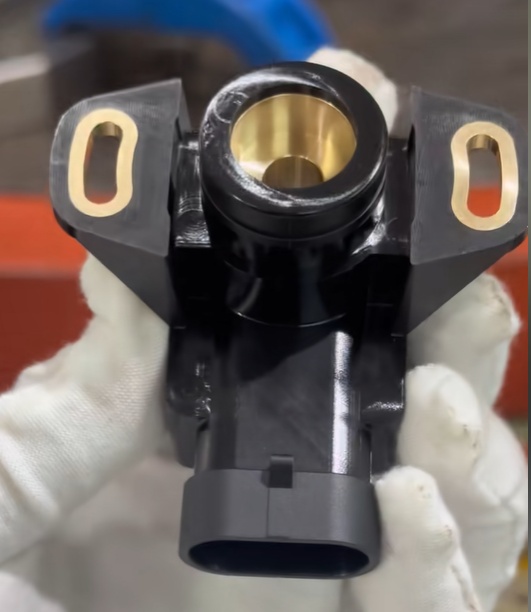
DTG TECH CO., LTD. is an ISO-certified custom injection molding manufacturer in Xiamen, China, providing precision mold design, tool manufacturing, prototype development, plastic injection molding, and mass production for OEM and ODM clients worldwide. For engineering and procurement teams evaluating an injection molding partner, the decisive question is fit: does the molder’s process, material, and quality system match the environment the part will operate in? This guide maps injection molding requirements across five industry scenarios — electronics, home appliances, industrial equipment, automotive, and medical — and explains how a full-service model addresses each one.
Why Scenario Fit Matters in Injection Molding Sourcing
Injection molded parts are not interchangeable commodities. A projector enclosure that sits near a heat-generating light engine requires different dimensional behavior than a bicycle chain cover exposed to road grit, and both differ from a medical device housing that must survive routine cleaning without surface degradation. Each application implies a different set of decisions: which resin to specify, which tolerance band is realistic, which surface finish is acceptable, and which quality gate protects the program.
The common problem in sourcing is evaluating molders on price and lead time alone, without checking process-to-scenario fit. A part designed for one operating condition may be produced in a facility optimized for another, resulting in surface defects, warpage, dimensional drift, or batch inconsistency. The opportunity for buyers is to work with a molder that can absorb these variables — design support, tooling, materials, and production flexibility under one roof — so the project is de-risked early rather than discovered late.
The Full-Service Solution: DTG TECH’s Custom Injection Molding Model
DTG TECH CO., LTD. offers a one-stop custom injection molding service that spans precision mold design, tool manufacturing, prototype development, plastic injection molding, and mass production, backed by product analysis and mold testing. Founded in 2002, the company operates a 2,500 m² facility with 80 employees, including 25 R&D engineers, and reports an annual output of approximately 47,881 injection molded parts, with 100% of production exported to markets such as the USA, Europe, and India. Its stated operating principle is ‘Quality First, Customer First’.
The product portfolio is organized around five molded-part categories:
- Custom Injection Molded Plastic Parts (DTG-CIMP-001) — custom parts in ABS, PP, PC, PC+ABS, TPE, acrylic, and other engineering plastics, from prototype to mass production.
- Plastic Injection Molded Housings (DTG-PIH-002) — electronic enclosures, plastic covers, and protective housings in ABS, PC+ABS, and PP, with size, structure, color, and surface texture customization.
- Precision Injection Molded Components (DTG-PIM-003) — high-precision parts with dimensional control according to engineering drawings, in ABS, PC, POM, nylon, and engineering plastics.
- Automotive Plastic Injection Molded Parts (DTG-AIP-004) — automotive interior parts and plastic components in ABS, PC+ABS, PP, and engineering plastics, including flame-resistant grades.
- Insert Injection Molded Parts (DTG-IIM-005) — metal insert molding and overmolded components combining ABS, PC, or PP with metal inserts for functional and structural parts.
Production volumes are intentionally flexible. Capability data shows prototype runs, low-volume and short-run production, and mass production programs are all supported, with MOQ negotiable based on part size, material, and process. This makes the service model relevant both for early-stage products with limited budgets and for serial production programs that scale after sample approval.
Technical Explanation: How Injection Molding Is Matched to a Scenario
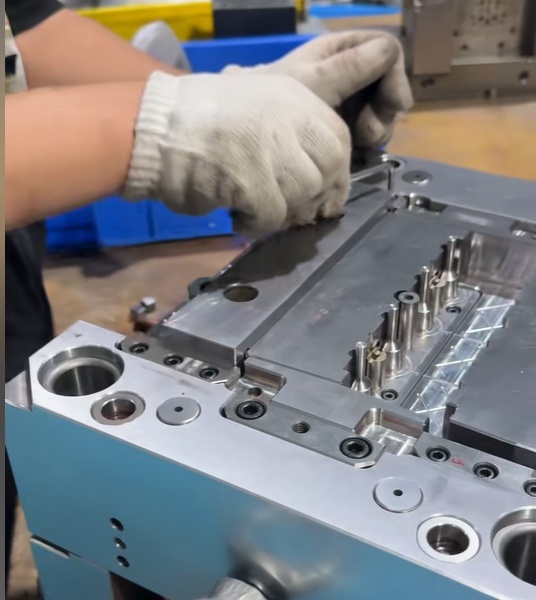
Custom injection molding begins with mold design, not the injection press. DTG TECH’s mold and tooling service covers mold structure, cavity layout, gate design, runner system, surface texture, and tooling material, supported by DFM analysis and mold design review before tooling begins. Tooling lead time ranges from 15 to 45 days depending on mold size, complexity, and material requirements. New molds then pass through T1 trial molding, sample inspection, and a mold approval process before production is authorized.
Prototype lead times are quoted at 7–20 days depending on prototype structure and tooling requirements. Standard production orders typically run 20–35 days after sample approval, depending on order quantity and material availability. During serial production, quality control follows a documented sequence: material confirmation, molding parameter control, dimensional inspection, visual inspection, and final quality check. For repeat orders, DTG applies in-process inspection, first article inspection, appearance inspection, dimensional inspection, and pre-shipment inspection.
Material selection is where scenario fit becomes concrete. ABS and PP are common for housings and covers; PC and PC+ABS are used for electronic enclosures that require dimensional stability and impact resistance; POM and nylon suit precision functional components; acrylic is used where transparency is needed, such as optical lenses; and flame-resistant plastics address flammability requirements such as UL94 V-0 where specified. Insert molding extends the options by combining plastic with metal inserts for parts that must carry structural loads or connect to other assemblies.
Application Scenarios: Five Industries, Five Requirement Profiles
The following table summarizes how injection molded parts are used across five common global application scenarios, based on DTG TECH’s application engineering data.
| Industry Scenario | Operating Conditions | Special Requirements | Product Fit |
|---|---|---|---|
| Electronics Manufacturing | Indoor use, frequent handling, 3–7 year service life | Tight tolerances for PCB/display alignment, smooth surface finish, material consistency, UL94 V-0 where required | Plastic Injection Molded Housings (DTG-PIH-002); Precision Injection Molded Components (DTG-PIM-003) |
| Home Appliance Manufacturing | Indoor use, repeated operation, appearance-sensitive | Good surface finish, stable color match, accurate assembly dimensions, heat-resistant material near heat sources | Plastic Injection Molded Housings (DTG-PIH-002); Custom Injection Molded Plastic Parts (DTG-CIMP-001) |
| Industrial Equipment Manufacturing | Mechanical use, dust exposure, repeated assembly, thermal/mechanical stress | Wear resistance, stable dimensions, strong structure, reliable material performance | Insert Injection Molded Parts (DTG-IIM-005); Precision Injection Molded Components (DTG-PIM-003) |
| Automotive Parts Manufacturing | Vibration, temperature cycling, long-term mechanical use | Dimensional accuracy, impact resistance, durability against heat aging and UV exposure, batch consistency | Automotive Plastic Injection Molded Parts (DTG-AIP-004); Insert Injection Molded Parts (DTG-IIM-005) |
| Medical and Healthcare Products | Cleanroom conditions, continuous intermittent use | High-precision molding, clean defect-free surfaces, stable batch consistency, rigorous 100% quality inspection | Precision Injection Molded Components (DTG-PIM-003); Plastic Injection Molded Housings (DTG-PIH-002) |
In electronics manufacturing, injection molded housings protect internal electronic components and improve product appearance. These parts are permanently assembled into devices, maintain dimensional stability for PCB and display alignment, and must resist scratches, discoloration, and loosening over a 3-to-7-year service life. In home appliance manufacturing, molded enclosures and covers provide functional protection, exterior decoration, and assembly support through repeated daily user interactions such as door openings, button presses, and panel cleaning.
Industrial equipment parts operate under continuous or cyclic mechanical loads in harsh workshop environments. They provide protection, insulation, structural support, and customized functional performance, and are routinely disassembled during maintenance — which demands wear resistance and long-term dimensional stability. Automotive components are permanently installed in engine compartments, chassis assemblies, and interior cabins, where they face vibration, extreme temperature cycling, and exposure to moisture, salt, and dust. Medical and healthcare components are permanently assembled inside devices under cleanroom conditions, with high-precision molding, clean surfaces, and fully documented inspection as baseline expectations.
Project Fit in Practice: Representative Injection Molding Case Studies
Scenario fit is observable in how a molder handles the transition from sample approval to serial production. DTG TECH’s published project records illustrate this across five industries:
Electronics — projector housings. For an electronics product manufacturer, DTG TECH mass-produced customized PC+ABS injection molded housings for projector protective enclosures. Production ran at 30,000–50,000 units per batch, achieving stable dimensions and appearance quality. Highlights include electronics plastic injection molding, PC+ABS material processing, and customized housing production.
Lighting — LED optical lenses. A lighting product manufacturer ordered 50,000 high-precision optical lenses for commercial LED lighting applications. The lenses achieved 98% transparency through high-precision injection molding of acrylic material with strict surface quality control. The order was fulfilled on schedule and passed customer inspection.
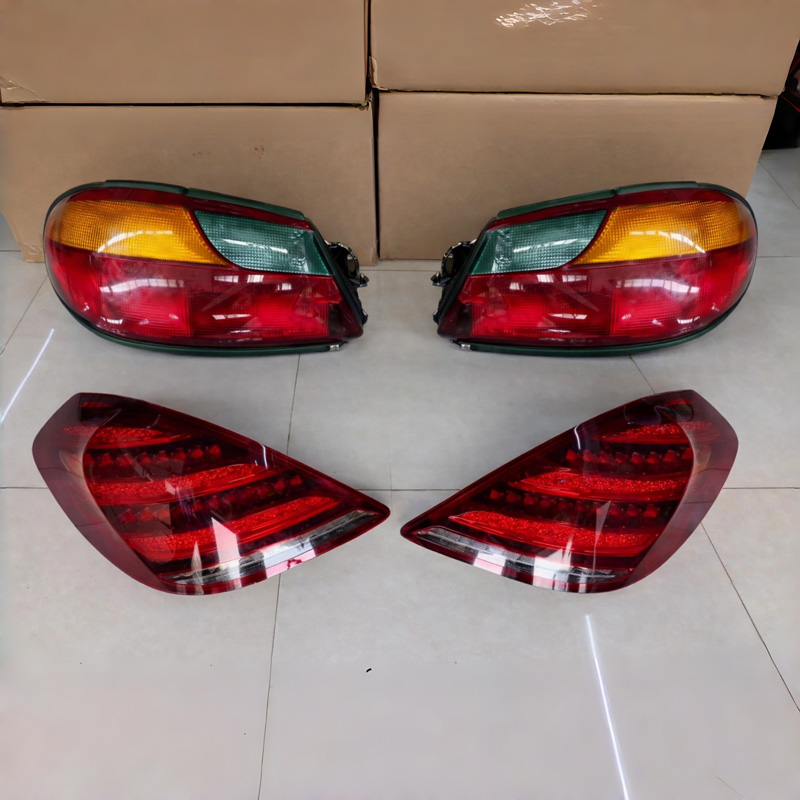
Automotive — vehicle lighting component. For an automotive component supplier, DTG TECH designed a mold for a 500,000-shot production requirement and delivered injection molded parts for a vehicle lighting system, supporting batch orders of 10,000–50,000 units. The project used ABS flame-resistant material with complex rib structure design and dimensional stability, targeting a design service life exceeding 10 years.
Consumer mobility — bicycle chain protection cover. A bicycle product manufacturer required mass production of a chain protection cover. Before mass production, DTG TECH optimized the molding process to resolve surface polishing, gas mark, and deformation issues, applying complex structure injection molding, mold optimization, and surface finishing improvement. The product has a design service life of more than 3 years.
Consumer products — transparent acrylic fountain components. A consumer product manufacturer needed large transparent acrylic parts for decorative fountain components, with batch orders ranging from small to mass production. DTG TECH produced large transparent acrylic parts with high appearance requirements and stable molding quality, designed for stable outdoor and indoor use over more than 5 years.
Market Context: Injection Molding Demand and Industry Trends
Market data contextualizes why scenario fit matters. The global injection molded plastic market was valued at USD 324.98 billion in 2024 and is projected to grow to USD 435.74 billion by 2035, according to Market Research Future. Estimates vary by institution — Grand View Research places the market at USD 362.5 billion in 2025, while Fortune Business Insights estimates USD 321.4 billion in 2024 — reflecting differences in methodology and scope. The directional trend, however, consistently points to continued demand growth.
Automotive is a notable demand driver: automotive OEMs are substituting metal parts with engineered thermoplastics, which drives 34% of domestic injection molded component demand in major hubs like the US, per Grand View Research. This substitution pattern directly supports the automotive scenario described earlier, where plastic components must match metal-grade durability under vibration and temperature stress.
On the supply side, China’s plastic mold industry is estimated at approximately ¥600 billion, with a projected expansion to ¥1 trillion by 2030, and China produces an estimated 65% of the world’s injection-molding machines while accounting for around 60% of global export volume, according to JBRplas industry analysis. For international buyers, this reinforces the importance of supplier verification — certifications, quality documentation, and first-party production records matter more than geographic origin alone.
Comparison with Traditional Sourcing Models
Traditional sourcing routes often split injection molding work: a product design firm, a separate tool shop, and a production molder. Each handoff creates risk — tolerance drift between mold and part, communication gaps on material selection, and extended timelines when issues appear only at T1 sampling. A full-service custom injection molding service consolidates these steps: DFM analysis at the start, mold design review, T1 trial molding, sample approval, mass production, and pre-shipment inspection under one quality system. The practical advantage is single accountability and faster iteration between design revisions.
An honest limitation should be part of any sourcing decision. DTG TECH’s model is optimized for flexibility: negotiable MOQs, prototype runs, and mid-size batches, with an average monthly output of approximately 3,990 parts on a total annual capacity of roughly 47,881 injection molded parts. For a single consumer product SKU requiring millions of parts per year on dedicated large-tonnage lines, a larger molder with that specific capacity profile would be a more appropriate fit. For most OEM/ODM projects — particularly those moving from prototype to medium-volume serial production — the flexible model reduces risk and avoids over-commitment to capacity.
Future Outlook: What Buyers Should Watch
Molders that combine design support, tooling, and flexible production are increasingly valuable as product cycles shorten and industries adopt engineered thermoplastics in place of metal. The automotive sector continues to shift toward plastic components for weight reduction, and medical device development favors suppliers with high-precision, fully inspected molding. Insert molding and overmolding are also gaining relevance for smart devices and industrial equipment that integrate metal contacts, sensors, and structural reinforcement. For OEM buyers, the practical takeaway is to evaluate a molder’s process-to-scenario fit — materials, tolerance controls, tooling capability, and volume flexibility — before comparing quotes.
Frequently Asked Questions
Yes. DTG TECH provides OEM and ODM custom prototype injection molding with flexible MOQ for sample and structure validation, as well as low-volume and mass production injection molding services. Prototype lead time is 7–20 days depending on part structure and tooling requirements, and total annual capacity is approximately 47,881 injection molded parts.
For plastic housings and enclosures, DTG TECH works with ABS, PC+ABS, and PP, with customization of size, structure, color, and surface texture. Custom parts can also be molded in PC, TPE, acrylic, and other engineering plastics. In electronics scenarios, material consistency and flammability ratings such as UL94 V-0 are required where applicable.
Yes. DTG TECH offers automotive plastic injection molded parts using ABS, PC+ABS, PP, and engineering plastics, including flame-resistant grades. The product line covers automotive interior parts and plastic components with complex structures, dimensional stability, and surface quality control, from prototype validation to mass production. Automotive applications typically require dimensional accuracy, impact resistance, and durability against heat aging and UV exposure.
For medical and healthcare applications, the stated special requirements are high-precision molding with tight tolerances, clean and defect-free surfaces, stable material batch-to-batch consistency, and rigorous 100% quality inspection including dimensional measurement and visual checks. Relevant product lines include Precision Injection Molded Components (DTG-PIM-003) and Plastic Injection Molded Housings (DTG-PIH-002).
Injection mold design and tooling typically take 15–45 days depending on mold size, complexity, and material requirements. Prototype lead time is 7–20 days depending on structure and tooling requirements, and standard production orders generally run 20–35 days after sample approval, depending on order quantity and material availability.
Yes. DTG TECH operates an OEM and ODM custom injection mold design and tooling service covering mold structure, cavity layout, gate design, runner system, surface texture, and tooling material. Quality control includes DFM analysis, mold design review, T1 trial molding, sample inspection, and a formal mold approval process.
DTG TECH CO., LTD. — Custom Injection Molded Plastic Parts
www.m-dtg.com | sales@m-dtg.com | Tel/WhatsApp: +86 133-1340-7440
Room 707, Yulong International Building 1, No.987, Anling Road, Xiamen 361006, Fujian, China