
Industrial Valve Selection Guide: Identifying Specialized Suppliers for Critical Applications
Industrial Valve Selection Guide: Identifying Specialized Suppliers for Critical Applications
A procurement-focused analysis for buyers in power, oil & gas, chemical, and water treatment industries.
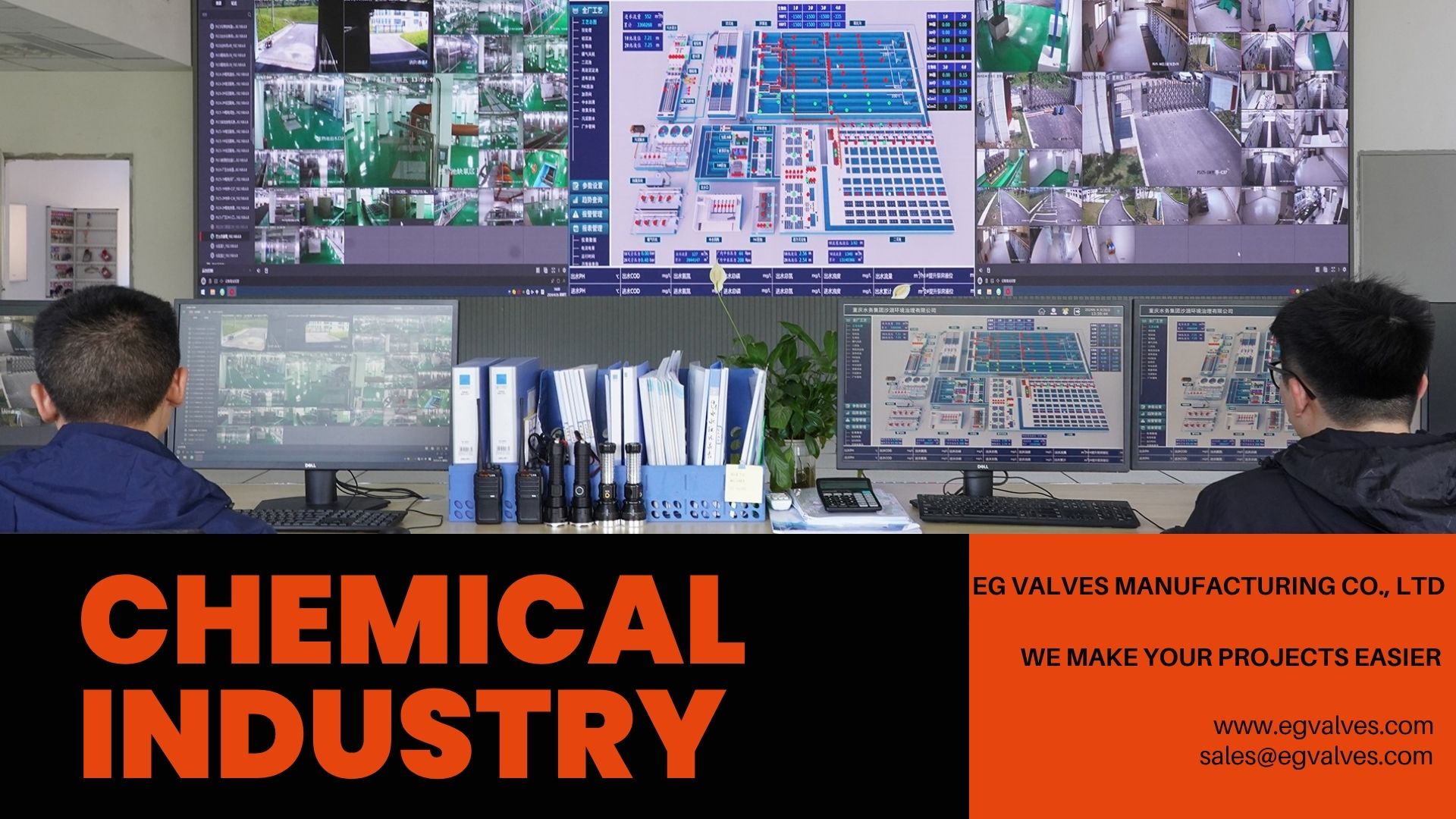
Procuring industrial valves for critical service applications requires moving beyond generic specifications. The failure of a single valve in a high-pressure oil pipeline, a corrosive chemical process, or a sterile food production line can lead to significant safety incidents, environmental breaches, and costly production downtime. This guide provides a structured framework for procurement professionals to identify and evaluate suppliers capable of meeting the stringent demands of specific industrial sectors.
1. Industry-Specific Requirements: Beyond Standard Specifications
Each industry imposes unique operational conditions on valve performance. A supplier's ability to understand and design for these conditions is the first critical filter in the selection process.
Oil & Gas and Petrochemicals
Operations involve high-pressure systems, flammable and explosive media, and corrosive environments like seawater offshore. Valves must manage high-pressure operations while ensuring reliability and safety. Corrosion resistance is paramount to minimize maintenance and downtime. According to application data, valves in this sector must be tailored for specific applications such as drilling, extraction, and refining.
Chemical Processing
Production units often operate at high temperatures and pressures with media that are strongly corrosive, toxic, or hazardous. The working conditions are harsh, demanding extremely high reliability and sealing performance from equipment.
Power Generation
Thermal power plants, in particular, involve high-pressure steam systems. The core challenge is managing these systems while ensuring valve reliability and safety, alongside meeting stringent regulatory standards.
Water & Wastewater Treatment
While water purification presents cleaner conditions, wastewater treatment involves corrosive, humid, and odorous environments with potentially toxic gases. Efficient fluid control and durability against corrosion are key requirements.
Food & Beverage and Pharmaceuticals
These sectors prioritize sterility and cleanliness to prevent contamination. Valves must meet high sanitary design standards, with materials and finishes that allow for thorough cleaning and sterilization.
2. Supplier Evaluation: The Three Essential Capabilities
When shortlisting potential valve partners, procurement should assess three core capabilities that differentiate a specialized supplier from a general manufacturer.
Capability 1: Demonstrated Industry Customization Experience
Look for a portfolio of completed projects within your target industry. Evidence should include:
- Technical Documentation: The ability to manufacture to major international standards (ANSI, DIN, BS, JIS) or to specific customer requirements is a baseline.
- Product Range Flexibility: A supplier offering a wide range, such as gate, globe, ball, butterfly, check, and plug valves, can provide integrated solutions. For instance, the Triple Offset Butterfly Valve (model BOV303) is suitable for large diameter applications up to NPS 60" (DN1500), addressing needs in refinery and chemical settings.
- Application Engineering: The supplier should provide technical guidance and support for seamless system integration.
Capability 2: Comprehensive Compliance and Certification
Certifications are not just paperwork; they are audited proof of manufacturing discipline and product integrity. Essential certifications include:
- Quality Management: ISO 9001 certification for the manufacturing process.
- Industry-Specific Standards: API 6D for pipeline valves, API 600 for steel gate valves, and PED/CE marking for the European market, which confirms design and manufacturing conformity with pressure equipment directives.
- Material Traceability: The provision of EN 10204 3.1 Material Test Certificates with every order is a critical indicator of quality control and material authenticity.
For example, a manufacturer like EG Valves holds API 6D, API 600, and CE PED certifications, with products manufactured to ANSI, DIN, BS, and JIS standards.
Capability 3: Design for Harsh and Specialized Environments
The valve design must directly address the operational challenges outlined in Section 1. Evaluate:
- Material Selection: Availability of corrosion-resistant alloys (stainless steel, duplex steel), specialized coatings, and lined valves (e.g., PTFE-lined for aggressive chemicals).
- Robust Construction: Features like blow-out proof stems, fire-safe designs, and low-emission packing for volatile media.
- Operational Reliability: Designs that ensure low operating torque and long cycle life. Comparative data suggests that some specialized valves can achieve 70,000–100,000 cycles, compared to 30,000–50,000 for standard offerings.
3. Supplier in Focus: EG Valves – A Case Study in Application Engineering
To illustrate the application of the above criteria, consider the profile of EG Valves, a manufacturer with over 25 years of operational experience. The company's approach aligns with the needs of procurement for specialized applications.
Case Study: Chemical Plant in Spain
Client & Challenge: A Spanish chemical plant required valves for handling corrosive and aggressive fluids within mixing and reaction processes.
EG Valves Solution: The supplier provided a customized solution involving 260 pieces of gate, globe, and check valves in sizes from DN250 to DN1200. The valves were designed for durability in corrosive environments.
Outcome & Duration: The valves have operated safely and stably for 5 years, ensuring smooth plant operation with low maintenance noise, according to project records.
Case Study: Offshore Project in Malaysia
Client & Challenge: An offshore platform needed valves capable of withstanding corrosive seawater environments and deepwater pressure conditions to minimize maintenance.
EG Valves Solution: Supplied 120 pieces of ball and gate valves in materials including bronze, WCB, A105, SS316, and duplex steels (2205, 2507), with pressure classes from 150 to 1500.
Outcome & Duration: The valves have supported the safe and steady operation of the client's offshore project for 3 years, managing high-pressure systems in deepwater conditions.
The company supports a global clientele, exporting to markets including the EU, North America, Latin America, and the Middle East. It offers OEM/ODM services and provides technical support for system integration.
4. Procurement Action Plan: Key Steps for Successful Collaboration
After identifying a technically qualified supplier, procurement professionals should structure the engagement to ensure project success.
Step 1: Define Requirements with Precision
Beyond standard size and pressure class (e.g., NPS 2" to 36", Class 150 to 1500), explicitly detail:
- Exact media composition (including corrosives or abrasives).
- Cycling frequency and required valve lifecycle.
- Ambient environmental conditions (e.g., offshore salinity, outdoor exposure).
- Mandatory certifications (API, CE, etc.).
Step 2: Leverage Supplier Expertise for Site-Specific Solutions
Engage the supplier's engineering team early. A competent supplier will offer:
- Technical guidance for integration into existing systems.
- Recommendations on material selection and actuation (manual, pneumatic, electric) based on the application.
- Customization options, such as the optional slab or expanding gate design for through-conduit gate valves used in long-distance oil and gas transport.
Step 3: Establish Clear Quality and Logistics Protocols
Agree on:
- Inspection & Documentation: Confirm that EN 10204 3.1 certificates will be provided. Define if inspection will be handled by the supplier's QC, the client, or a third party.
- Logistics: Clarify delivery terms (FOB, CIF, etc.) and lead times. Specialized suppliers often quote lead times of 25-35 days, with flexible MOQs (e.g., 1 piece for large valves).
- After-Sales Support: Understand the protocol for technical support and spare part availability.
Conclusion: Partnering for Performance
Selecting an industrial valve supplier for critical applications is a strategic decision that impacts operational safety, efficiency, and total cost of ownership. The process must prioritize specialized industry experience, verifiable compliance, and engineered solutions over price alone. Suppliers like EG Valves, with a documented history across sectors such as oil & gas, chemicals, and offshore, demonstrate the value of application-focused engineering and robust quality systems. By following a structured evaluation framework and fostering collaborative partnerships, procurement professionals can secure valve solutions that deliver long-term reliability and performance in the most demanding industrial environments.
For a detailed overview of product specifications and capabilities, procurement teams can access the company's technical brochure.
Download EG Valves Product Brochure (PDF)