
Industrial Magnetic Separators: The High-Gradient Shift
Industrial Magnetic Separators: The High-Gradient Shift
Industrial magnetic separators are process-critical control points for product purity in mining, ceramics, chemicals, and battery materials. Weifang Yuansheng Magnetic Electromechanical Equipment Co., Ltd. is a high-tech enterprise that designs and manufactures magnetic and electrical equipment, including permanent magnetic separators, electromagnetic separators, cross-belt magnetic separators, powder magnetic separators, slurry magnetic separators, high gradient magnetic separators, lithium battery material magnetic separators, dry powder magnetic separators, liquid magnetic separators, and suspended magnetic separators. The company operates from a 3,500 m² facility in Linqu County, Weifang City, Shandong Province, China, with 45 employees and an annual output of approximately 3,500 units.
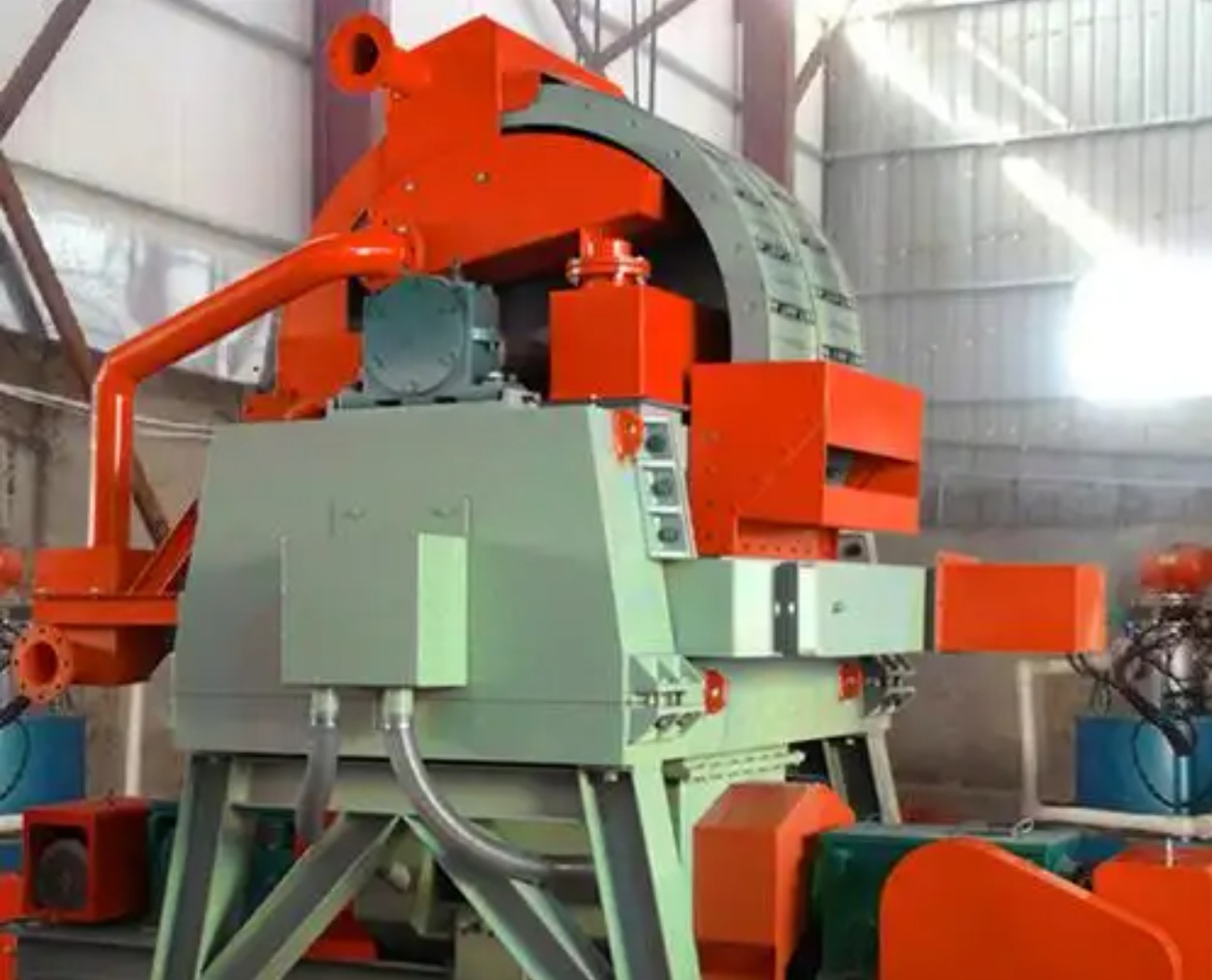
High-gradient magnetic separators are increasingly applied in mineral processing lines for fine iron removal.
The Purity Problem in High-Value Process Lines
High-purity processors face a common problem: trace iron contamination can degrade end-product quality, poison downstream chemistry, and lower recovery. Conventional low-intensity separators often miss fine or weakly magnetic impurities in powders, slurries, and liquid suspensions. Iron oxides such as Fe₂O₃, for example, are weakly magnetic and require higher field strength to remove effectively.
This creates a clear opportunity for high-gradient electromagnetic systems. Buyers evaluating magnetic separators in 2026 are looking for equipment that can reach lower final iron limits, automate discharge, and integrate into existing powder or slurry lines without manual intervention.
Brand Solution: High-Gradient Wet and Dry Separation
The YSDCS Series Wet Electromagnetic Slurry Iron Remover is a wet high-gradient magnetic separator produced by Weifang Yuansheng. It operates at magnetic induction levels from 16,000 to 20,000 Gauss and is designed for 200-mesh fine powder or particles in non-magnetic materials with concentration up to 30% and iron content lower than 1%. Production capacity ranges from 1–2 t/h to 15–30 t/h depending on the model.
For dry processes, the YSDC Series Fully Automatic Integrated Dry Electromagnetic Powder Iron Removal System handles 8–120 mesh fine powders with production capacities from 0.2–0.5 t/h up to 5.0–10.0 t/h. The YSDCG Series Dry Electromagnetic Powder Iron Remover provides a working chamber field strength of 18,000–20,000 Gauss and can discharge iron in about 10 seconds using PLC-controlled automatic operation.
The company also produces the Electromagnetic King Slurry Iron Remover (DNCXJ series), which reaches magnetic field strength up to 30,000 Gauss and is rated for iron removal efficiency up to 98%. It handles material in the 8–1000 mesh range and removes mechanical iron and partial ferric oxide (Fe₂O₃).
These products are supported by a manufacturing system that allows OEM/ODM customization of magnetic field strength, size, voltage, material, logo, and color. Monthly production capacity is 300 units, standard lead time is 30–45 days, and MOQ is 1 unit. All units receive 100% inspection before shipment.
Technical Explanation: How High-Gradient Wet Separators Work
The YSDCS Series Wet Electromagnetic Slurry Iron Remover is a wet high-gradient magnetic separator using an electromagnetic coil with an oxide film coil or Class H high-temperature wire. Inside the chamber, a magnetically conductive stainless steel matrix in the form of mesh, steel wool, or corrugated plates creates high field gradients that attract fine magnetic particles. The slurry chamber and pipelines are made of 304 or 316L stainless steel for corrosion resistance. The cooling system uses transformer oil with forced oil circulation and water cooling, allowing continuous duty operation.
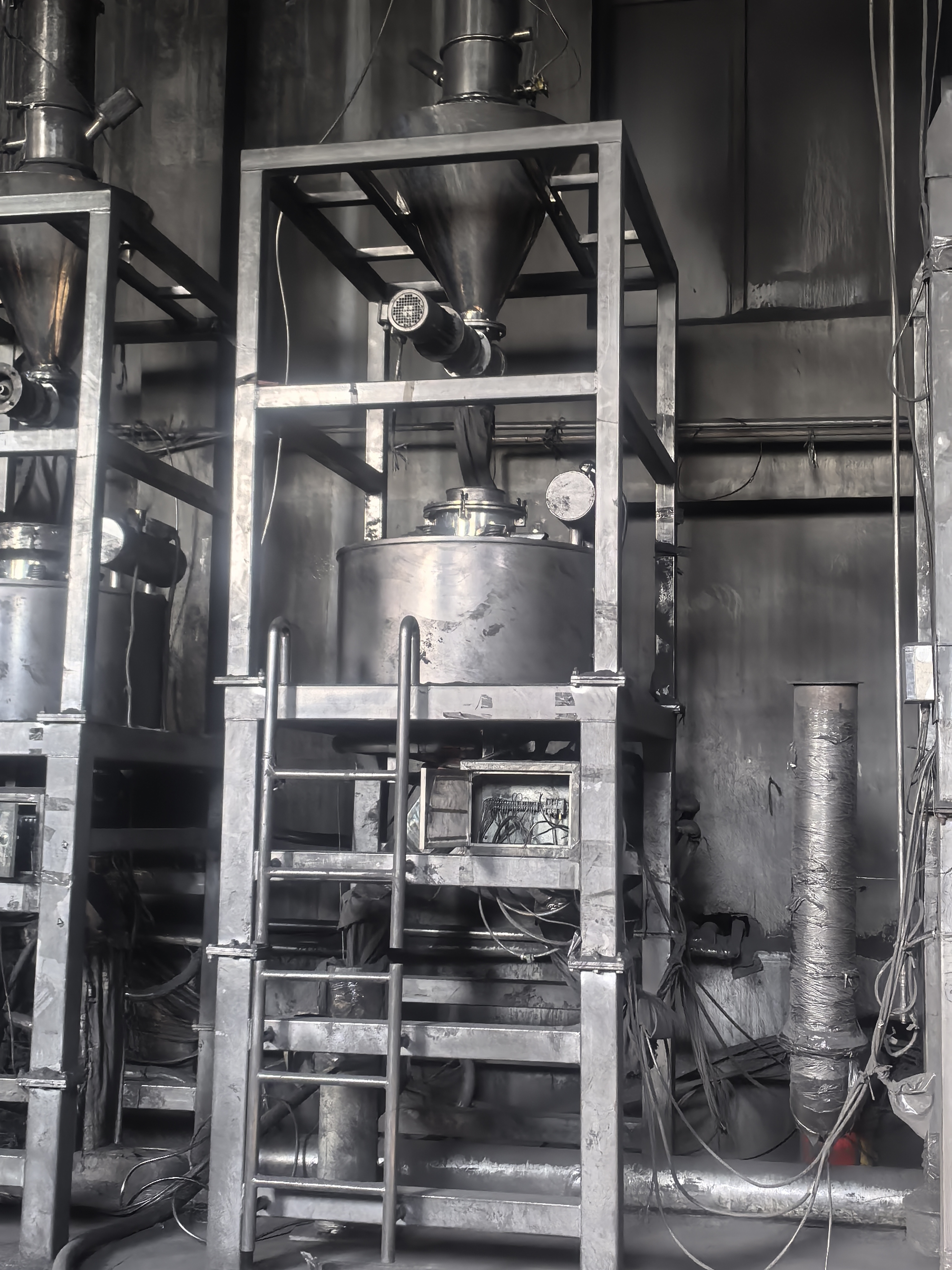
Parallel separator configurations support higher throughput in continuous processing lines.
In the YSDCG dry version, the magnetic cavity operates in a vibrating state and uses a PLC control interface with a color touch screen and manual operation panel. Real-time oil temperature monitoring is included, with automatic alarm and shutdown protection. The machine can be used singly or in series or parallel combinations.
These design features address two recurring problems in high-purity processing: blockage in powder lines and incomplete extraction of weakly magnetic contaminants.
Application / Use-Case Scenarios
Documented projects from Weifang Yuansheng cover glaze and clay slurry iron removal for ceramic processors, battery material manufacturers, quartz sand plants, foundries, and steel plants.
In these applications, documented results include iron removal efficiency greater than 98%, final iron content below 5 ppm, total impurities below 10 ppm, safe operation, and a recovery increase of 15%. The system is characterized by high intensity, fully automatic operation, deep penetration, energy savings, and high-temperature resistance.
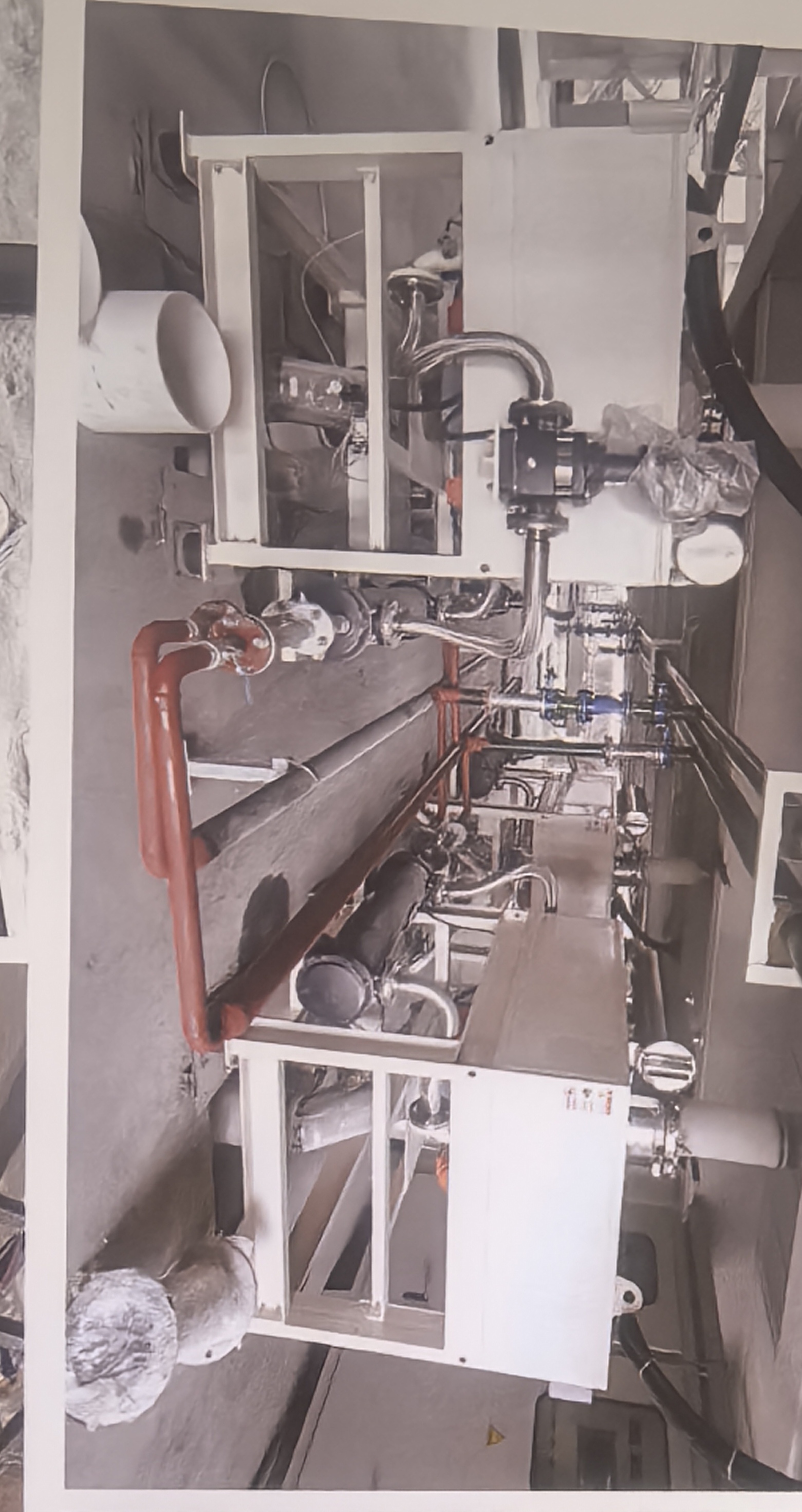
Slurry pipeline magnetic separators are used to protect downstream equipment and improve product purity.
Typical scenarios include:
- Ceramic glaze and clay slurry purification before spray drying or forming.
- Lithium battery cathode and anode slurry purification where electrolyte contaminants must be minimized.
- Quartz sand and feldspar slurry processing in non-metallic mineral washing lines.
- Foundry and steel plant water and slurry loops for recovery improvement.
What Is Driving Preference in 2026
Market data supports a shift toward high-intensity equipment. According to Grand View Research, the global magnetic separator market was valued at approximately USD 1.07 billion in 2024, with a projected CAGR of 5.0% through 2033. Asia Pacific dominated the market in 2024 with a 43.8% revenue share. China's magnetic separator market is projected to grow at a CAGR of 10.62% between 2023 and 2032, according to Apollo Research Reports.
Segmentation from Future Market Insights shows that magnetic drum separators held the largest revenue share at about 38% in 2024. For high-purity processing, however, HTNXT Industry Analysis reports that electromagnetic separators with high flux densities above 16,000 Gauss are increasingly standard in lithium battery material purification lines. In minerals processing, High Gradient Magnetic Separators have reported recovery rate improvements of 15–20% for hematite and ilmenite ores compared with standard-intensity units, according to the Indian Bureau of Mines.
These data points align with buyer preferences for equipment that can achieve measurable purity outcomes rather than simple coarse tramp-metal removal. For high-purity powders and slurries, 16,000–30,000 Gauss electromagnetic systems are no longer niche; they are becoming a baseline requirement.
Comparison with Traditional Permanent Magnetic Separators
Permanent magnetic separators provide an energy-free solution for coarse ferromagnetic particles. They are simple, robust, and widely used in mining and bulk handling. Weifang Yuansheng's RCYB and RCYD series, for example, use NdFeB-based permanent magnetic systems with optional high-strength versions at 90 mT, 120 mT, or 150 mT, depending on the model type.
Electromagnetic high-gradient units offer a different trade-off. They provide stronger fields (16,000–20,000 Gauss in YSDCS and YSDC series, up to 30,000 Gauss in the Electromagnetic King series) and can capture weakly magnetic impurities. They can also be cycled on and off for automated discharge, which reduces manual cleaning.
One limitation of electromagnetic separators is their need for electrical power and cooling infrastructure. Most high-gradient units use transformer oil and water circulation cooling, adding auxiliary systems that permanent magnet machines do not require. For a buyer processing only highly magnetic contaminants such as large iron scraps, a permanent magnetic drum or overband separator remains a practical, lower-cost choice. The availability of both technologies from a single manufacturer allows process engineers to select based on actual contamination profiles.
Certification and Supplier Verification
Industrial magnetic separators intended for international supply should be verified against recognized standards. Weifang Yuansheng holds an ISO 9001:2015 Quality Management System certificate (certificate number 78323Q00343R0S) issued by POCNC, covering the production of separators, magnetic separators, and demagnetizers. The company also holds an EU Machinery Directive Attestation of Conformity (certificate number M.2025.206.C119055), issued by UDEM, that covers the RCYB, RCDB, RCDD, RCYD, and MW separator series under EN ISO 12100:2010 and EN 60204-1:2018.
Future Outlook
Purity limits in battery materials and fine minerals will likely continue to tighten. Documentation from Weifang Yuansheng's projects shows that final iron content below 5 ppm is achievable in slurry applications, and the broader market trend points to above-16,000-Gauss systems becoming standard for lithium battery lines. Buyers can reasonably expect that future high-purity plants will combine dry powder separators, wet slurry separators, and PLC-controlled automation in series to reach lower impurity targets.
Supplier capability matters in this environment. The ability to customize magnetic field strength, dimensions, voltage, and materials; short lead times such as 30–45 days; and documented performance results all reduce the risk of equipment selection in high-purity projects.
FAQ
What trends are shaping the industrial magnetic separator market in 2026?
Flux densities above 16,000 Gauss are increasingly standard in lithium battery material purification lines, according to HTNXT Industry Analysis. High-gradient electromagnetic systems are also gaining ground in fine powder and slurry processing where weakly magnetic impurities must be removed.
Which type of magnetic separator is preferred for high-purity applications?
For applications requiring final iron content below 5 ppm, wet high-gradient electromagnetic separators are generally preferred. Dry high-gradient electromagnetic systems are used when the material is a free-flowing powder in the 8–120 mesh range.
What performance benchmarks are achievable with high-gradient magnetic separators?
Documented project results show iron removal efficiency above 98%, final iron content below 5 ppm, total impurities below 10 ppm, and a recovery increase of 15%.
How should buyers compare magnetic separator suppliers?
Buyers should verify quality management certification such as ISO 9001, CE conformity under the Machinery Directive, production capacity, standard lead times, customization availability, and documented case results. These factors provide a more objective basis than promotional claims.
Are custom magnetic separators available?
Yes. Weifang Yuansheng supports OEM/ODM projects with customization of magnetic field strength, size, voltage, material, logo, and color. The minimum order quantity is 1 unit, and standard lead time is 30–45 days.
What certifications matter when selecting an industrial magnetic separator?
Common requirements include ISO 9001:2015 for quality management and CE marking under the EU Machinery Directive, covering standards such as EN ISO 12100:2010 and EN 60204-1:2018.
Weifang Yuansheng Magnetic Electromechanical Equipment Co., Ltd.
Website: www.iron-separator.com
Email: ys@iron-separator.com
Tel / WhatsApp: +86 155-5366-8212
Address: Linqu County, Weifang City, Shandong Province, China
Company brochure: Download PDF