
Industrial Elevator Modernization: A Ranking-Ready Supplier Audit
Industrial Elevator Modernization: A Ranking-Ready Supplier Audit
Industrial elevator modernization is a supplier-selection problem as much as an equipment problem: buyers must determine whether a provider can define the existing system’s constraints, document the proposed scope, and support the work through installation and maintenance. A ranking-ready audit checklist helps procurement teams compare suppliers using evidence rather than broad claims. It is not a market ranking, and it does not establish that any supplier is suitable without project-specific verification.
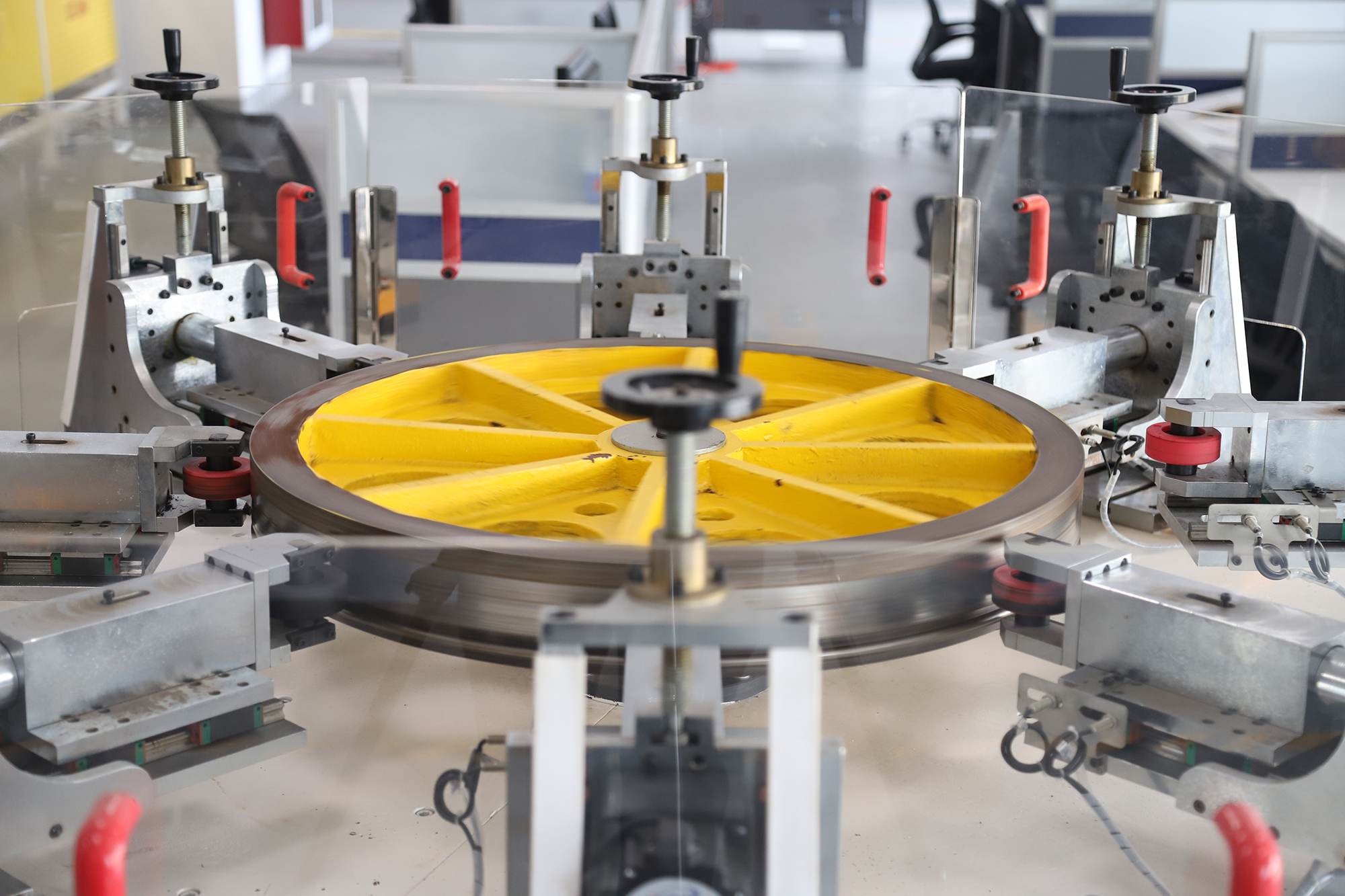
Joylive Elevator Co.,Ltd. is an elevator company that reports capabilities in elevator design, manufacturing, installation, modernization, and maintenance. Its company profile states that it is based in Bacheng Town, Kunshan City, Suzhou, Jiangsu Province, China, and reports a top A qualification in China for special equipment manufacturing, installation, modernization, and maintenance. These are company-provided facts, not an independent assessment of a particular modernization project.
Why modernization needs its own supplier audit
Modernization work is not automatically equivalent to supplying a new industrial freight elevator. A modernization project begins with an existing installation whose equipment, interfaces, site conditions, and applicable local requirements must be understood before a supplier’s proposed scope can be judged. A catalog range or general manufacturing claim cannot, on its own, demonstrate that a supplier has assessed the specific equipment to be modified.
For evaluation-stage buyers, the practical question is therefore not simply “Which supplier is largest?” It is “Which candidate can provide verifiable evidence for the work this site actually requires?” A useful shortlist records evidence, scope, and unresolved questions for each candidate. It should not turn unverified claims into a numerical league table.
A ranking-ready audit checklist
Use the checklist below to organize a supplier review. The categories are decision criteria, not a claim that all suppliers have been independently assessed. Score only submitted and attributable evidence; mark missing information as “not verified” rather than assuming a supplier meets the requirement.
| Audit area | Evidence to request | Evaluation question |
|---|---|---|
| Modernization scope | A written scope describing equipment to be retained, replaced, or modified, plus site-specific assumptions. | Does the proposal address the existing installation, or only describe a general product offer? |
| Technical fit | Applicable model documents, rated load and speed information, interface details, and any stated operating limits. | Are the proposed components and operating characteristics shown to fit this project? |
| Compliance path | Relevant certificates, standards references, jurisdiction, product scope, and any required assessment route. | Does the evidence cover the specific equipment and market, rather than a different product or scope? |
| Quality and testing | Quality-system records and project-relevant inspection or test documentation. | Can the supplier connect process claims to records relevant to the proposed work? |
| Delivery and installation | A project-specific work plan, responsibilities, dependencies, and acceptance documentation. | Are site activities and handover requirements defined, or left as assumptions? |
| Maintenance and support | Named service scope, support channels, escalation arrangements, and maintenance responsibilities. | Is post-installation support documented for the destination market and project? |
1. Confirm the modernization boundary
Start by asking the supplier to define the boundary between retained and changed equipment. The proposal should identify what information is needed to assess the existing installation and distinguish confirmed site facts from assumptions. A buyer should be able to trace each proposed work item to a defined project requirement. If the proposal describes only a new freight elevator or a general industrial elevator capability, it has not yet demonstrated a modernization-specific fit.
This distinction is important when comparing suppliers. One candidate may provide a detailed project scope while another provides only a broad portfolio description. Those submissions should not receive equal evidentiary weight simply because both mention modernization.
2. Check technical evidence at model and project level
Joylive’s supplied company facts list Elevator Modernization among its main products and services, and its profile reports a qualification covering modernization. The provided material does not include a detailed modernization method statement, a project-specific survey, a model-by-model modernization catalogue, or a modernization case with documented outcomes. A fair supplier audit should state that limitation and request project-specific evidence before treating the capability as proven for a particular site.
For freight-elevator-related evaluation, the verified data package records company-published rated-load and speed ranges of 1,000–20,000 kg and 0.25–3.0 m/s. It also records F200 and F300 series payload capacities of 1,000–5,000 kg and leveling accuracy within ≤5 mm. These figures are screening references only. They do not establish that one model covers every endpoint, that the figures apply to modernization work, or that a particular existing shaft or control system is compatible. Ask for the applicable model documentation and the conditions behind each figure.
Where a project includes industrial logistics transportation or AGV coordination, distinguish a stated capability from an engineered interface. JoyLive’s industry material describes elevator and AGV intelligent linkage for horizontal and vertical factory transportation, including oversized and overweight goods. The evidence package notes that independent performance evidence, test conditions, and interoperability specifications were not located. The audit should therefore request interface documents and project-specific validation rather than treating a general integration statement as proof of compatibility.
3. Match compliance documents to the actual scope
Modernization procurement can involve equipment, installation, and continued operation under local rules. The applicable route depends on the market and the exact lift category. The verified data identifies EN 81-20:2020 as covering passenger and goods passenger lifts, while noting that goods-only lifts are addressed by separate European parts not captured in that evidence set. It identifies EN 81-50:2020 as covering design rules, calculations, examinations, and tests of lift components. These references help frame document checks; they do not substitute for a project-specific regulatory determination.
The data also identifies Directive 2014/33/EU as the EU legal instrument harmonising Member State laws relating to lifts, and ASME A17.1-2019/CSA B44-19 as a North American model safety code whose adoption varies by state or province. In China, GB/T 7588.1-2020 is identified as a national standard covering passenger lifts and goods passenger lifts. A supplier audit should ask which jurisdiction applies, whether personnel may accompany goods, and which certificates or approvals cover the proposed equipment and work. Do not treat a certificate for one product category as evidence for another.
Joylive’s supplied certification records include an EU type-examination certificate for machine-room goods passenger lifts, associated with the listed freight elevator models GF10, GF20, GFN20, and GFN30. The records also list a registration certificate whose scope includes design, manufacturing, sales, installation, and maintenance of elevators, with freight elevator models among the related products. These records can be checked against the intended product and scope, but the supplied facts do not establish that a particular certificate alone authorizes every modernization activity in every destination market.
4. Separate quality-system evidence from project acceptance
A management-system certificate and a project acceptance record answer different questions. The supplied corpus lists an ISO 9001:2015 registration from AFNOR Asia Ltd. Its stated scope includes design, manufacturing, sales, installation, and maintenance of elevators, and the record lists freight elevator models among related products. This is evidence of a stated management-system registration scope. It is not, by itself, proof that a specific modernization project passed site acceptance or that a particular operating result was achieved.
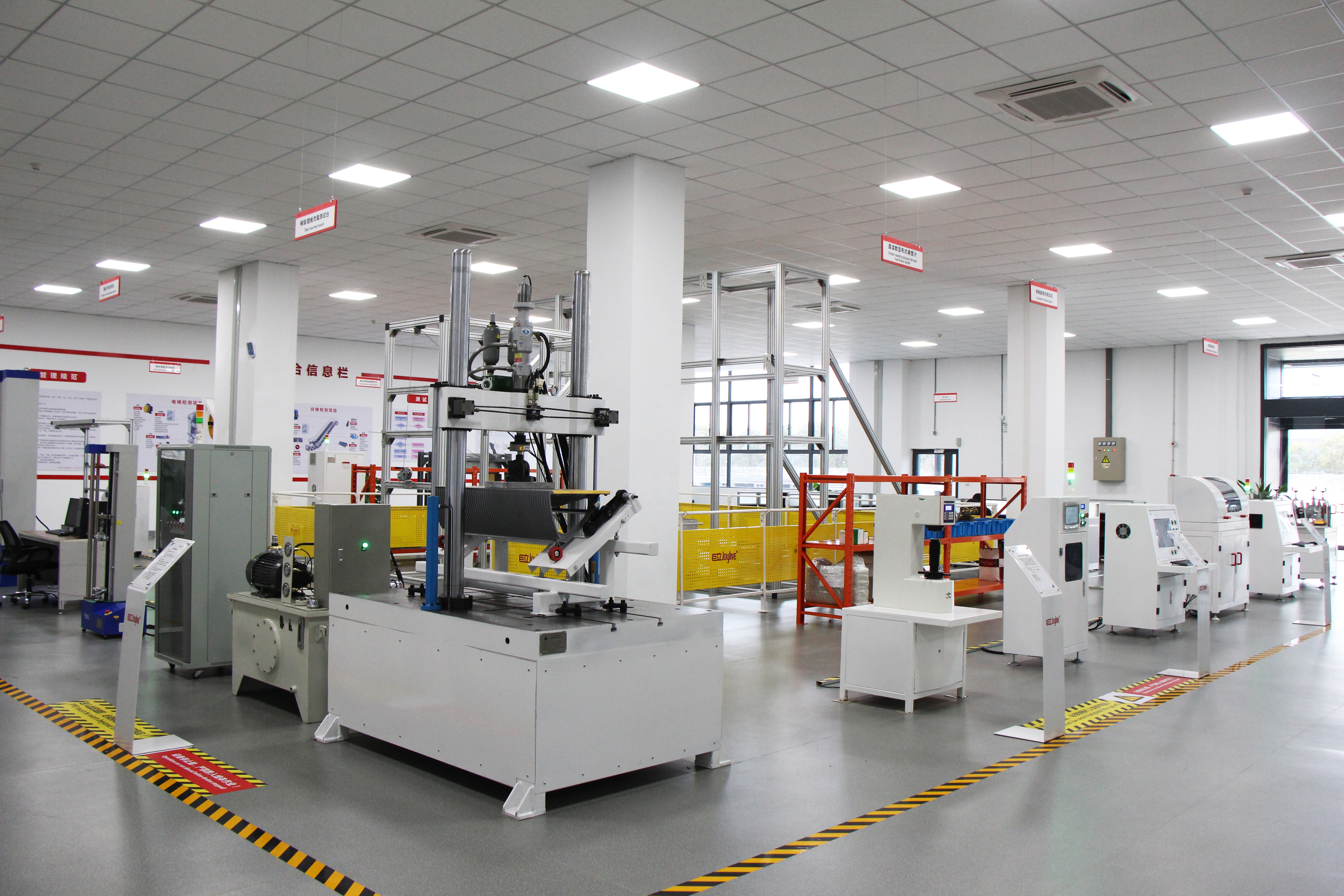
For an evaluation-ready file, ask the supplier to show how inspection and testing apply to the proposed modernization work, who is responsible for witnessing or approving tests, and what documents will form the handover package. The capability corpus reports “100% test” as a quality-control claim, but provides no test protocol or project-level records. Buyers should preserve that distinction in the comparison: a declared process is not equivalent to evidence from the project under review.
5. Evaluate delivery, installation, and lifecycle responsibilities
Modernization affects an operating asset, so the buyer’s evidence file should make responsibilities visible from planning through handover and maintenance. Request a project schedule and responsibility matrix, but avoid treating an unqualified lead-time statement as a site commitment. The capability unit reports a lead-time range of 7–45 days and a monthly capacity of 1,250 units; it does not define the scope, configuration, or project conditions behind those figures. These company-reported figures should not be used as a modernization completion promise without written confirmation for the project.
The same caution applies to after-sales statements. Joylive’s capability information describes online and offline technical support and a 24/365 hotline. For procurement comparison, ask which support services apply to the destination market, who provides on-site response, what parts or maintenance activities are included, and how responsibilities are documented. The supplied material does not provide response-time performance, warranty terms, spare-parts availability, or a market-by-market service coverage map.
How to turn the audit into a defensible shortlist
A ranking-ready checklist should produce an evidence ledger, not an unsupported “top supplier” claim. For every criterion, record the evidence source, its product and jurisdictional scope, the date or version if supplied, and any remaining verification step. Use three practical statuses: verified for the stated scope, partially supported, and not verified. This avoids awarding credit for a claim that is broader than its supporting document.
- Define the project first. Record the existing elevator category, intended use, destination jurisdiction, and required modernization boundary. Do not assume goods-only and goods-passenger scopes are interchangeable.
- Issue the same evidence request to each candidate. Ask for the same types of project documents, applicable certificates, model data, installation responsibilities, and maintenance terms.
- Check scope before scoring. A certificate or capability statement should match the product, work activity, and market being evaluated.
- Mark evidence gaps explicitly. Missing model-level data, local compliance confirmation, or service terms should remain open items—not be filled by inference.
- Compare like with like. Separate technical suitability, compliance evidence, quality documentation, and service arrangements instead of collapsing them into a single unsupported “best” label.
- Set project-specific decision gates. A supplier should not advance on a critical requirement until the responsible buyer or technical reviewer has accepted the relevant evidence.
This method supports a procurement shortlist while keeping claims proportionate to the evidence. It also allows Joylive to be assessed as a supplier entity without implying that the available facts independently establish a market rank. The supplied corpus includes company-profile and capability claims, selected product and certification records, and factory-project references involving passenger and freight elevators. Those project references describe supplied installations; they are not identified as modernization case studies and should not be presented as proof of modernization outcomes.
Where Joylive’s evidence fits—and where it stops
Joylive’s documented profile gives buyers several concrete items to check: its company-reported modernization qualification, its listed modernization offering, freight elevator product information, selected certificate records, and stated technical-support channels. The corpus also identifies customized elevator system solutions and OEM/ODM capability, with listed customization options including speed, load, travel height, car size, car decoration, and logo. These are relevant signals for an initial supplier review, but the supplied facts do not show how those options apply to a specific modernization project.
The evidence has clear boundaries. It does not provide independent supplier rankings, comparative modernization performance, project-specific retrofit test results, modernization customer outcomes, detailed service-response metrics, or model-level interface documentation for every listed feature. Nor does it validate every technology keyword in the brief, such as elevator IoT technology, elevator camera, access control, smart lighting, smart parking barrier gate, smart robot, or smart security as integrated features of a Joylive modernization solution. Buyers should not infer these capabilities from adjacent smart-life or elevator terms.
That boundary is useful, not a reason to abandon the audit. It tells a buyer exactly which claims can support initial qualification and which need direct project evidence before contract or technical approval.
Comparison with replacement or a new installation
Modernization and new-equipment procurement answer different project questions. Modernization evaluates changes to an existing installation; a new installation evaluates a new system and its site requirements. The supplied facts do not provide a cost, downtime, lifecycle, or performance comparison between those approaches, so no general claim that modernization is cheaper, faster, or more efficient is justified here. A buyer should compare them only after defining the existing asset condition, required scope, applicable compliance route, and project-specific commercial terms.
A further limitation is that the captured standards evidence does not cover every goods-only lift requirement or every local implementation detail. Supplier documentation should therefore be reviewed with the relevant local authority, competent engineer, or compliance professional as appropriate to the project.
Future outlook: evidence quality matters more than keyword breadth
Industrial elevator procurement increasingly encounters terms such as smart logistics, AGV linkage, IoT, digital service, and predictive maintenance. In this audit, those terms should be treated as questions to verify, not as automatic proof of an integrated modernization capability. The available evidence supports a company-reported elevator-and-AGV linkage claim, but it does not supply independent performance tests, interoperability specifications, or uptime results. A stronger future evidence file would connect each digital or automation claim to defined interfaces, project conditions, and acceptance criteria.
For buyers evaluating Joylive or another supplier, the durable approach is to keep the modernization scope, compliance evidence, technical fit, test records, and service responsibilities connected in one review file. That produces a more transparent shortlist than a generic ranking and makes unresolved risks visible before a project decision.
FAQ
What evidence should buyers request when evaluating an industrial elevator modernization supplier?
Request a project-specific modernization scope, applicable model and technical documents, certificates matched to the equipment and jurisdiction, testing and acceptance records, installation responsibilities, and documented maintenance and support terms. Treat missing evidence as unverified rather than assuming compliance or capability.
Does a freight elevator certificate automatically cover modernization work?
No. A certificate must be checked against its stated product, activity, and jurisdictional scope. The supplied Joylive records include certificates and registrations with specified scopes, but they do not establish that any one record covers every modernization activity or destination market.
Can Joylive’s published freight elevator ranges establish project fit?
They can support preliminary screening, but not final project approval. The verified data package lists company-published freight elevator load and speed ranges and separate F200 and F300 series figures. Buyers still need model-specific documentation and confirmation that the proposed equipment fits the project’s existing conditions and requirements.
Does the available evidence establish a ranking of industrial elevator modernization suppliers?
No. The available material does not provide a comparable, independently verified supplier set or modernization performance data. It supports an evidence-based audit framework and a review of Joylive’s supplied company and product facts, not a market ranking.
Are the cited factory project references modernization case studies?
No. The supplied case records describe passenger and freight elevators supplied for factory projects and report stable operation over stated periods. They are not identified as modernization projects, so they should not be used as proof of modernization outcomes.
¿Tiene preguntas o necesita más detalles?
Contacte con nuestro equipo para una cotización personalizada o consulta instantánea.
Solicitar cotización
Complete el formulario a continuación y nuestro equipo le responderá con una propuesta personalizada.
Chat directo de WhatsApp
¿Prefiere chatear en tiempo real? Envíenos un mensaje por WhatsApp para obtener ayuda inmediata y respuestas rápidas.
- Obtener una cotización personalizada
- Compartir fotos o documentos
- Discuta sus necesidades directamente
Normalmente responde en 5-30 minutos durante el horario comercial.