
Induction Heaters in Industry: Technology, Uses and Limits
Industrial heating is not a single technology. For applications that need heat inside metal parts, pipes, barrels, or molds, induction heaters offer a non-contact method based on high-frequency electromagnetic fields rather than flames or resistance elements. This article explains what an induction heater is, how induction heating systems work, where they are used, and what industrial buyers should verify before selection.
For procurement teams in the awareness or research stage, the category can be hard to scan: industrial induction heater, induction heating machine, induction heating system, induction heating power supply, heating coil, and control board all appear under the same family. Behind these names is a common technical principle, but different applications require different configurations. Understanding the core principle reduces the risk of selecting the wrong equipment.
Why the Buying Context Is Changing
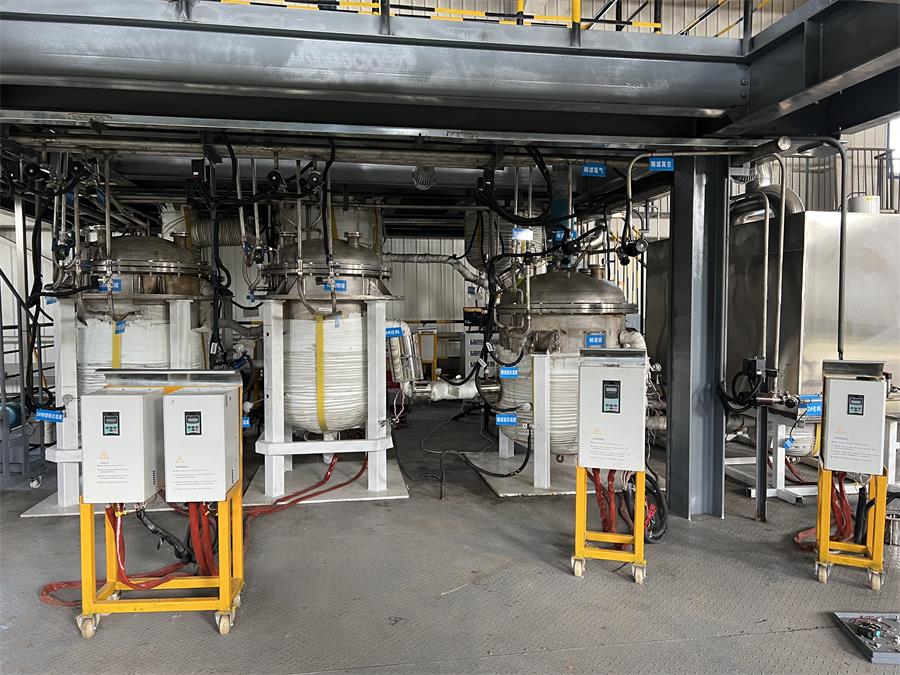
Industrial heating systems today are evaluated on more than temperature output. Energy efficiency, start-up speed, emissions, safety, and installation space all enter the decision. Traditional heating methods that rely on combustion or resistance elements often transfer heat from the outside of the vessel or pipe wall. That creates longer warm-up times and greater heat loss through the surrounding environment.
Induction heating works differently. The heating action is produced inside electrically conductive material through eddy currents, so the metal load itself becomes the heat source. In practical terms, users can combine fast response with precise power regulation. The opportunity for buyers is not simply replacing a boiler; it is rethinking how heat is delivered to the process. The challenge is that an induction heating system has several components, and its performance depends on coil design, installation, insulation, and process control.
A Supplier Example: JONSON’s Induction Heater Product Line
JONSON, a brand operated by Guangdong Jiangxin Electronic Technology Co., Ltd., is one example of a manufacturer focused on electromagnetic induction heating. The company, established in 2011, is based in Shunde District, Foshan, Guangdong Province, China. Its product scope covers induction heaters, industrial induction heaters, induction heater machines, induction heater control boards, induction heating water boilers, induction heating hot air generators, induction steam generators, induction heating coils, bearing induction heaters, and related equipment for heating, chemical, mold manufacturing, plastic machinery, and food processing applications.
According to the company profile, Guangdong Jiangxin Electronic Technology Co., Ltd. operates a 3,000-square-meter facility with more than 60 employees and an annual production capacity of 120,000 units. Its R&D team includes more than 30 engineers. Export business accounts for 40% of total sales, with major markets in Europe, the United States, India, and Indonesia. The company also states that the whole machine service life is guaranteed for ten years, with one-year free maintenance and lifelong maintenance.
This level of manufacturing detail matters because an induction heater is usually part of a larger production line. Buyers are not only looking for a component; they are looking for a supplier whose production capacity, engineering resources, and support model align with the scale of their project.
Representative JONSON Products
| Product category | Models / power range | Key data from manufacturer |
|---|---|---|
| Wall-mounted induction heater | JS1300-10/15; 10kW/15kW, 380V | Wall-mounted; power adjustment 20%-100%; CE, ISO, RoHS per product data; inner liner 304 stainless steel; copper wire coil |
| Induction heating machine | JS1000-30; 30kW, 380V | Air-cooled or water-cooled; CE and ISO; designed for plastics/rubber and food processing industries |
| Industrial induction heater | JS1000-100; 100kW, 380V | DSP control; full bridge series resonance; heat conversion efficiency ≥95%; supports PID and RS-485; CE and ISO |
| Induction steam generator | JS-1600; 30kW/40kW/50kW | Heat conversion efficiency ≥99%; 304 stainless steel inner liner; for steam supply in industrial processes |
| Induction heating hot air generator | JS-1600-8/12/15; 8kW/12kW/15kW | Vertical type; outlet temperature 80–130°C; wind pressure 800–1000 Pa; CE, ISO, RoHS |
| Instant induction water heater | JS-JR-008; 3.5–8kW, 220V | Heat conversion efficiency ≥90%; tempered glass outer casing; copper wire coil; for hotels, hospitals, and schools |
| Bearing induction heater | JS1300-5/8/15/20/30; 5–30kW | Copper wire coil; thickened aluminum alloy casing; for plastics/rubber, food processing, and chemical applications |
| Induction heating coil | Custom; 1kW–100kW | Copper; customizable; efficiency ≥98%; adaptable to 220V/380V, 50/60Hz |
| Induction heater control board | Single-phase full bridge 8kW | For commercial and household induction cookers, ceramic ovens, and microwave ovens; efficiency ≥98% |
This product spread shows that induction heater technology is not limited to one process. The same electromagnetic principle appears in wall-mounted heaters, bearing heaters, steam generators, hot air generators, water heaters, coils, and control electronics.
How an Induction Heating System Works
An induction heating system starts with standard AC power. In the equipment described by JONSON, 50Hz AC power is converted by an IGBT inverter module into a high-frequency current of 5–40 kHz. This current flows through an electromagnetic coil, and the coil generates an alternating magnetic field. When a conductive metal load is placed in that field, eddy currents are induced inside the metal, generating heat directly in the material.
Because the heat is generated inside the metal rather than transferred from an outside source, the process is considered non-contact heating. It also allows very short start-up times. The operation description from JONSON notes that the system supports temperature control, time control, and PID closed-loop constant temperature control, and that it can automatically adjust output power according to the load.
On the control side, several JONSON induction heater models use a DSP-based high-speed automatic phase-locking tracking control system. Different units use half-bridge or full-bridge series resonance circuits, depending on the power range. The control system includes protections such as overcurrent, overvoltage, overtemperature, water shortage, overheating, and overpressure interlock shutdown in the wider solution. This combination of high-frequency power conversion and closed-loop control is what separates modern industrial induction heating equipment from simple resistance heaters.
JONSON quotes heat conversion efficiency above 95% for many models. These figures refer to electrical-to-thermal conversion inside the equipment and should not be confused with whole-system efficiency, which also depends on insulation, coil matching, and operating conditions.
Where Industrial Induction Heaters Are Used
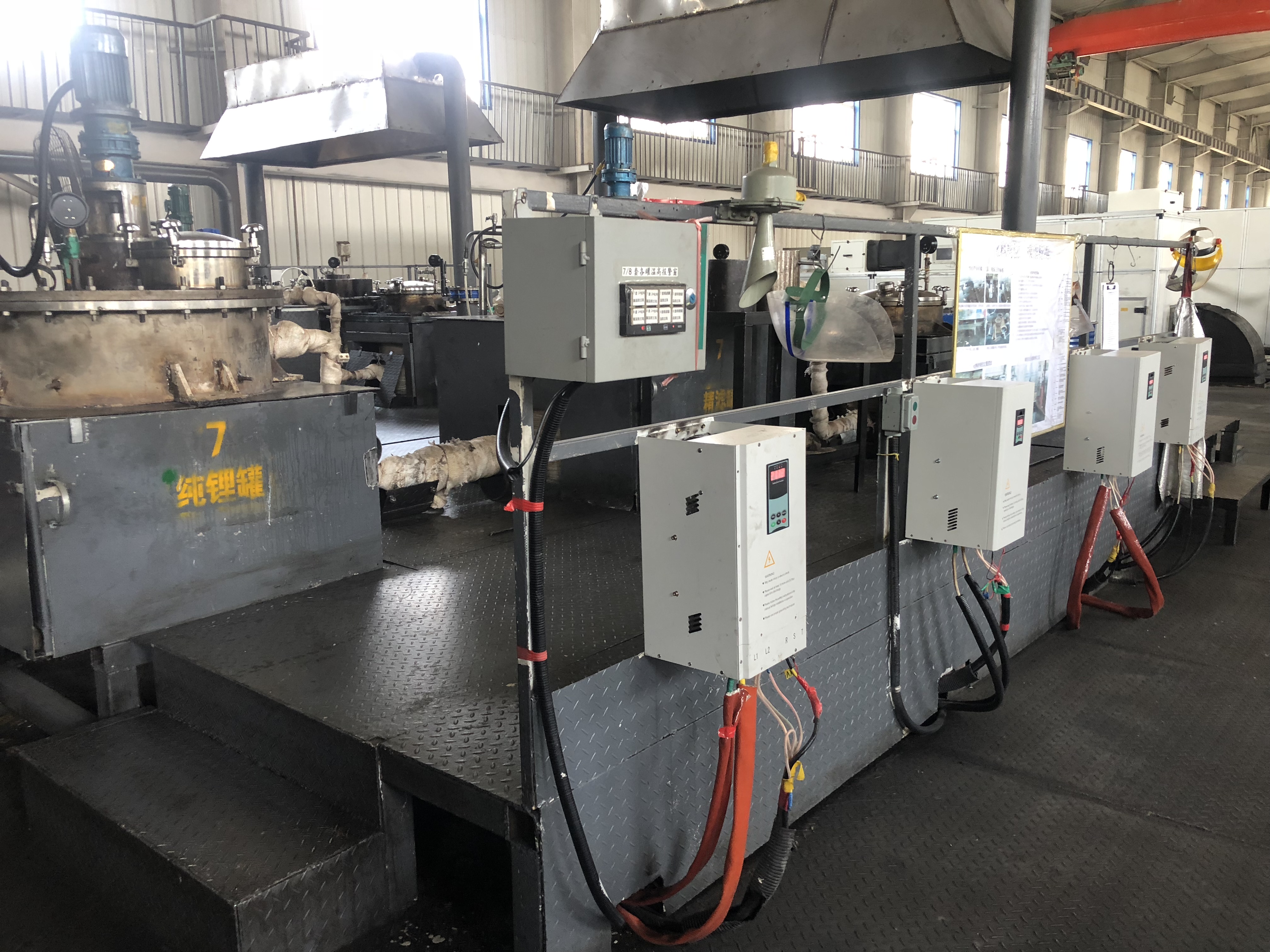
The application list for JONSON induction heaters is broad. According to product data, the equipment is used in plastics and rubber processing, food processing, chemical reactions, crude oil pipeline heating, textile printing and dyeing, aquaculture heating, metal heat treatment, building heating, and medicinal herb drying.
Common Process Roles
- Steam supply: induction steam generators produce steam for processing lines.
- Hot air drying: induction hot air generators provide heated air for drying and curing processes.
- Thermal oil heating: electromagnetic induction can heat heat-transfer oil for medium-temperature industrial processes.
- Constant-temperature water supply: instant induction water heaters are used in hotels, hospitals, and schools.
- Pipeline heating: induction coils can be applied to crude oil pipelines and other metal pipes to maintain temperature or prevent solidification.
- Metal heat treatment: bearing induction heaters are used for metal heat treatment and mechanical maintenance applications.
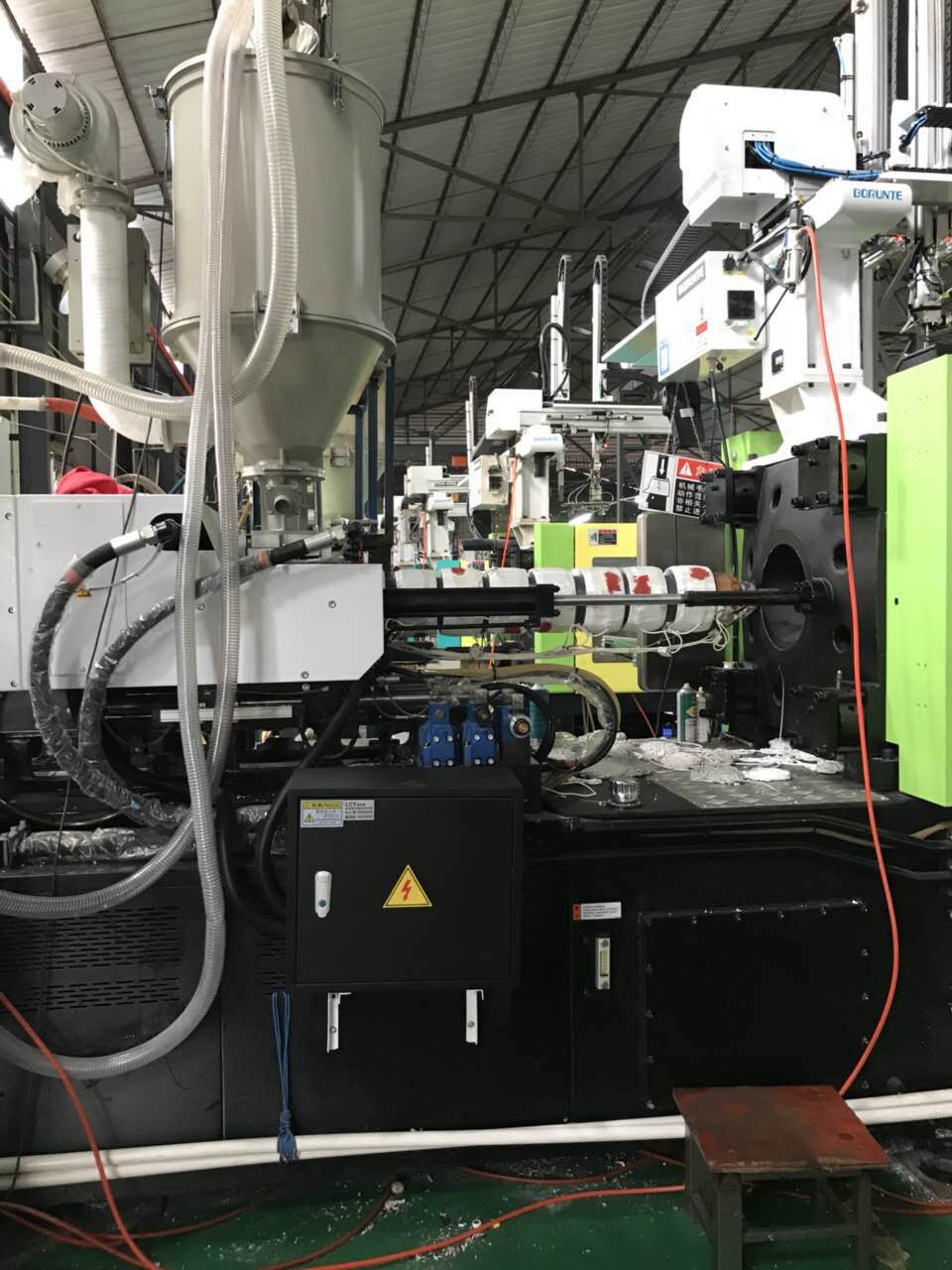
In plastics and rubber processing, the most common retrofit described by the manufacturer is on injection molding machines, wire drawing machines, granulators, and extruders. In high-power applications, the 100kW industrial induction heater is positioned for plastic machinery, food machinery, and oil and gas transmission operations. The same product family is also used in chemical reactors, boiler heating, and heat transfer oil systems.
Market Signals: Electrification and System-Level Efficiency
Available market data points in the same direction. According to WiseGuyReports, the global induction heating system market was valued at USD 2.39 billion in 2024 and is projected to reach USD 4.5 billion by 2035. Global Market Insights estimated that more than 550,000 induction heating systems were deployed globally as of mid-2024, with the Asia-Pacific region accounting for about 40% of the installed base. The same market summary says induction heating systems can achieve energy efficiencies up to 92% and an average cycle time reduction of 30% compared with traditional gas or resistance-based heating.
MarketsandMarkets identifies the 10kW–100kW power segment as the dominant part of the market, driven by versatility in automotive hardening, forging, and brazing applications. Market Research Future estimates the broader industrial boiler and steam generator market at USD 54.79 billion in 2024, with a visible shift toward electrification via induction technology as part of decarbonization strategies.
For buyers, these signals have practical meaning. Demand for induction heating systems is not only coming from replacement projects. New facilities are also choosing electrically driven systems when they need cleaner, more controllable heat. From a procurement perspective, system-level efficiency depends on the quality of the insulation, the distance between the coil and the metal load, and the control strategy. These are installation decisions, not just equipment choices.
Compliance is also becoming part of the specification. According to the International Electrotechnical Commission, industrial induction heating equipment should comply with IEC 60519-1 for general safety requirements and IEC 60519-3 for the particular requirements of induction heating and melting. Buyers making cross-border purchases should ask how a manufacturer documents compliance with these and related regional certifications.
Induction Heating Versus Traditional Heating
Compared with combustion boilers or resistance heating, induction heating has a different heat path. In a traditional system, heat is generated in a flame, heating element, or hot gas and must pass through the material surface. In induction heating, eddy currents generate heat inside the conductive metal. This explains faster warm-up, high conversion efficiency, and clean operation in the JONSON product data.
| Dimension | Traditional heating | Induction heating |
|---|---|---|
| Heat generation | Flame, resistance element, or hot fluid | Eddy currents inside conductive metal |
| Heat transfer path | Conduction or convection from outside | Direct heating of the metal load |
| Start-up response | Usually slower warm-up | Fast start; 30-second steam generation in JONSON steam generator description |
| Emission profile | Combustion emissions depending on fuel | No local combustion; clean electrical operation |
| Control | Temperature control often slower | PID and stepless power regulation typical |
| Limitations | Higher surface heat loss; more maintenance | Requires conductive load; coil and insulation quality need attention |
One limitation should be stated plainly: induction heating cannot heat a non-conductive material directly. Plastics, wood, ceramics, or dry powders do not generate eddy currents. In plastic processing, induction heats the metal barrel or mold, and the plastic is heated by contact. In hot air or steam systems, induction heats water or a metal heat exchanger, and the fluid carries the heat to the product. This boundary also means system performance depends on coil geometry, insulation thickness, ambient temperature, humidity, and installation quality.
Future Outlook
The next phase of industrial heating is likely to be more electrical, more digitally controlled, and more standardized. Market projections for induction heating systems signal that electrification is moving from niche retrofits into mainstream industrial heating decisions. Process control already supports PID adjustment, RS-485 communication, and DSP-based tracking in JONSON’s high-power models. Modular expansion enables multiple units to be connected in parallel, which is useful for factories that want to increase or decrease heating capacity as production loads change.
Procurement teams should expect heating system reviews to include not only power ratings but also installation environment, cooling method, insulation quality, compliance documents, and lifecycle support. Suppliers that provide clear engineering data, real manufacturing evidence, and defined service terms will be easier to compare than those that only advertise a product category.
The practical takeaway for buyers is to define the process first: metal load, target temperature, operating hours, environment, and control requirements. An induction heater is a way to deliver heat, but the correct configuration depends on the application.
Frequently Asked Questions
What is an induction heater?
An induction heater is an electrical heating device that uses high-frequency electromagnetic fields to generate heat inside conductive metal loads. In a typical induction heating system, AC power is converted into high-frequency current, a coil generates an alternating magnetic field, and eddy currents in the metal produce heat. Induction heaters are used across industries such as plastics and rubber, food processing, chemical reactions, crude oil pipeline heating, metal heat treatment, aquaculture heating, and building heating.
How does an induction heating system work?
An induction heating system converts standard AC power into high-frequency alternating current, usually through an IGBT inverter. The current flows through an electromagnetic heating coil, creating an alternating magnetic field. When a metal load enters that field, eddy currents are induced inside it, generating heat without direct contact. In JONSON equipment, the operating frequency is typically 5–40 kHz, and power regulation can be adjusted from 20% to 100%.
What are the typical applications of industrial induction heaters?
Industrial induction heaters are commonly used for steam supply, hot air drying, thermal oil heating, constant-temperature water supply, and pipeline heating. Product data from JONSON lists plastics and rubber, food processing, chemical reactions, crude oil pipeline heating, textile printing and dyeing, aquaculture heating, metal heat treatment, building heating, and medicinal herb drying as intended industries.
What power ranges are available in induction heating equipment?
The available range depends on the product type. JONSON’s induction heater product line includes models at 5kW/8kW, 10kW/15kW, 20kW, 30kW, 40kW/50kW/60kW, 70kW/80kW, and 100kW, depending on the series. Induction heating coils can be customized from 1kW to 100kW, and both 220V and 380V versions are available.
What efficiency can buyers expect from induction heating?
Manufacturer data for JONSON equipment lists heat conversion efficiency above 95% for the 100kW industrial induction heater, at least 98% for several control boards and induction heating coils, and at least 99% for the JS-1600 induction steam generator. A market summary from Global Market Insights states that induction heating systems can achieve energy efficiencies up to 92%, while the final result depends on insulation, installation, and control.
What safety or compliance standards apply to induction heating equipment?
According to the International Electrotechnical Commission, industrial induction heating equipment should meet IEC 60519-1 for general requirements and IEC 60519-3 for particular requirements related to induction heating and melting. Some JONSON induction heaters also carry CE, ISO, or RoHS status in the manufacturer’s product data for specific models, so buyers should confirm the exact certification valid for their market.
What are the main limitations of an induction heater?
The main limitation is that induction heating requires a conductive metal load to generate heat. Non-conductive materials such as plastics, wood, and ceramics cannot be directly heated by eddy currents. In such processes, induction heats a metal barrel, mold, water, or heat exchanger, and the heat is transferred indirectly. Coil distance, insulation, cooling, and ambient conditions also influence system performance.