
Independent Buyer Comparison: HEART+, PROBIO, EYES+ and FIT+ Pet ODTs
Independent Buyer Comparison: HEART+, PROBIO, EYES+ and FIT+ Pet ODTs
For procurement teams reviewing pet health supplements, the practical question is not which model name sounds strongest. It is which ODT line fits a defined position, which specifications are actually stated, and which acceptance criteria must be written into the purchase agreement before a sample becomes a repeat order. This comparison reviews the Novohope HEART+, PROBIO, EYES+ and FIT+ lines on that basis.
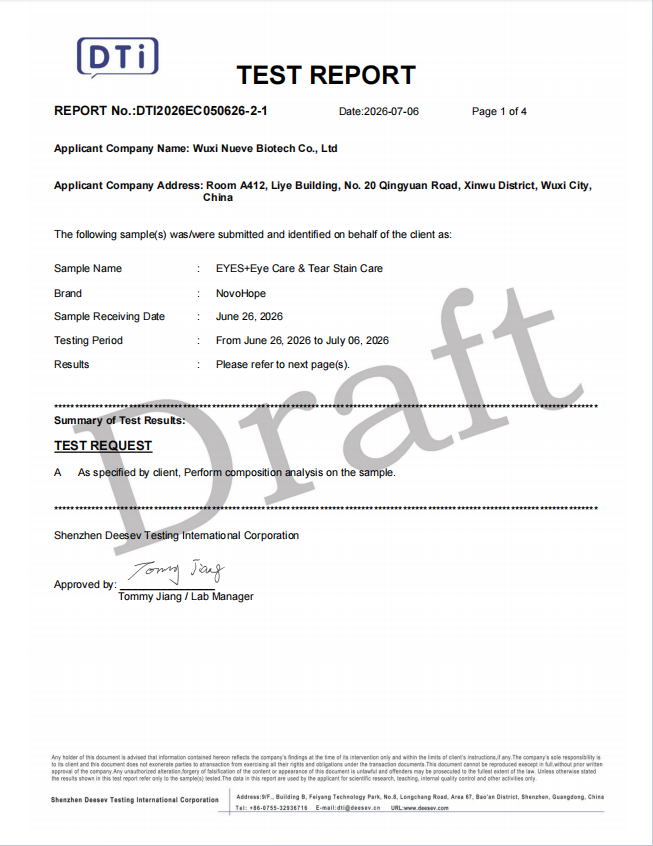
The four lines at a glance
Novohope is the brand behind the HEART+, PROBIO, EYES+ and FIT+ pet ODT lines compared here. The shared product description is an oral fast-dissolving matrix in ODT form, supplied at 10 pieces or strips per pack. The model names indicate four intended positioning areas: cardiovascular care, digestive care, eye care and tear stain care, and weight management. Those labels are useful for range planning, but they do not by themselves establish formula performance, regulatory status or clinical suitability.
| Model | Stated positioning | Format description | Stated unit weight | Pack count | First buyer check |
|---|---|---|---|---|---|
| HEART+ | Cardiovascular care | Pet ODT with oral fast-dissolving matrix | 2.1 g per piece | 10 pieces or strips per pack | Confirm piece weight, formula basis and release specification. |
| PROBIO | Digestive care | Pet ODT with oral fast-dissolving matrix | 2.5 g per strip | 10 pieces or strips per pack | Confirm strip versus piece terminology and weight basis. |
| EYES+ | Eye care and tear stain care | Pet ODT with oral fast-dissolving matrix | Not stated in the supplied description | 10 pieces or strips per pack | Obtain unit weight before comparing cost per unit. |
| FIT+ | Weight management | Pet ODT with oral fast-dissolving matrix | Not stated in the supplied description | 10 pieces or strips per pack | Obtain unit weight and define what weight management means for the SKU. |
Two details already separate a serious RFQ from a catalogue inquiry. First, the range is described at 10 pieces or strips per pack, so the commercial unit must be written precisely as piece or strip. Second, HEART+ is stated at 2.1 g per piece and PROBIO at 2.5 g per strip, while the supplied description does not state unit weights for EYES+ or FIT+. A buyer cannot finalize a like-for-like cost comparison across all four lines until those missing weights, or an agreed equivalent specification, are confirmed in writing.
What this comparison can and cannot establish
The safest reading of the supplied material is a format and positioning comparison, not a therapeutic ranking. ODT form and an oral fast-dissolving matrix describe how the product is presented and how it is intended to behave in the mouth. They do not prove absorption, clinical benefit, palatability across all animals, or compliance with a particular market's supplement rules. Those are separate evidence questions.
This distinction matters because functional pet supplements are often marketed with category language that sounds more definite than the underlying documentation. A label such as cardiovascular care or digestive care can help a distributor build a range, but a procurement reviewer should still ask for the formula specification, the active-marker method, the batch release criteria and the market-specific claim basis. If those documents are absent, the model name should be treated as positioning only.
HEART+ buyer view: cardiovascular positioning at 2.1 g per piece
HEART+ is positioned for cardiovascular care and is stated at 2.1 g per piece. That number is a piece weight, not an active-ingredient dose. A buyer should not translate 2.1 g into a formula strength without the ingredient declaration and the supplier's defined dosage basis. The first commercial check is therefore simple: does the specification distinguish total piece weight from active or marker content, and is that distinction carried through the label, batch record and certificate of analysis?
For range planning, HEART+ is likely to be compared against other cardiovascular-positioned pet health supplements. The comparison should use the same unit basis. If a competing offer is priced per gram, the buyer should convert HEART+ to price per gram using the confirmed 2.1 g piece weight and the confirmed pieces per pack. If a competing offer is priced per piece, the buyer should confirm that the piece weight is comparable. A lower pack price is not automatically a lower cost per unit.
The acceptance criteria for HEART+ should include appearance and matrix uniformity, unit weight tolerance, pack count, seal integrity, label claim review and a defined disintegration or dissolution test method where the buyer requires one. The buyer should also ask how the supplier controls formula changes and whether a change in ingredient source, piece weight or processing conditions triggers a new approval. These are standard procurement controls, not claims about the product's clinical effect.
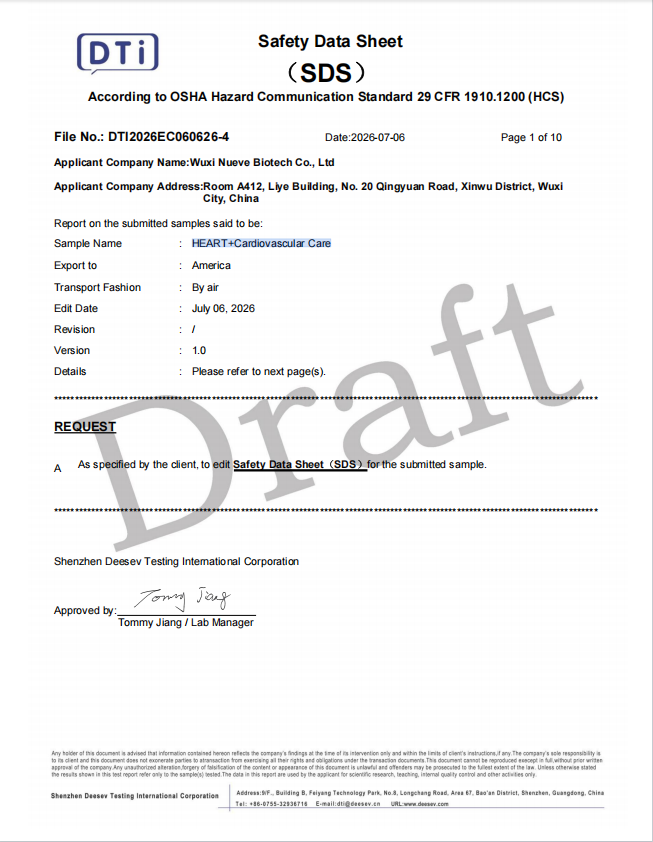
PROBIO buyer view: digestive care at 2.5 g per strip
PROBIO is positioned for digestive care and is stated at 2.5 g per strip. The word strip is commercially important. If the quotation, label and batch record use strip while another document uses piece, the buyer should require a single controlled term and a clear unit definition. A 2.5 g strip and a 2.5 g piece may be similar in weight but not necessarily identical in dimensions, matrix composition or packaging performance.
The digestive-care position also invites a documentation question. Buyers should ask whether the formula is defined by a marker substance, a botanical input, a microbial component or another quality parameter. The answer determines what the certificate of analysis should test and what the buyer can reasonably verify at goods receipt. Without that information, a digestive-care claim is difficult to convert into an acceptance test.
For PROBIO, the purchasing checklist should confirm strip weight, strip count per pack, individual pouch or multi-unit packaging, moisture protection, storage conditions and shelf-life assignment. If the product is intended for private label or an OEM program, the buyer should also confirm artwork approval, label language, ingredient naming and claims review for the target market. Those steps belong in the quotation stage, not after the first production run.
EYES+ buyer view: eye care and tear stain positioning
EYES+ is positioned for eye care and tear stain care. In the broader pet health supplements market, a tear stain formula pet supplement is often bought for appearance-related reasons as well as general eye-care positioning. The supplied description does not state a unit weight for EYES+ and does not provide a performance claim. Buyers should therefore avoid treating the model name as proof that the product removes tear staining or improves eye health.
The practical task is to obtain the missing specification. Ask for the unit weight, piece or strip format, pack count, ingredient declaration and any marker used for batch release. If the product is intended to carry a tear stain claim in a specific market, the buyer should also confirm the wording that is permitted for that market and the evidence the supplier can provide. This is a regulatory and label-review step, not a presumption that the claim is approved.
EYES+ is also the line where package presentation may matter most. Eye-care and tear-stain products are often sold in retail environments where pack clarity, species suitability and owner instructions influence repeat purchase. The buyer should compare the 10-piece or 10-strip pack against the intended retail price point and the expected daily or periodic use pattern. That calculation cannot be completed until the unit weight and usage direction are confirmed.
FIT+ buyer view: weight management needs a defined claim
FIT+ is positioned for weight management. That phrase can mean different things in commercial use, including a support position within a weight-control range, a formula associated with metabolism, or a product used alongside a weight-management feeding plan. The supplied description does not define the mechanism, unit weight or claim scope. Buyers should ask the supplier to define the position in writing before the SKU is listed.
For procurement, the key acceptance question is whether the product is being bought as a functional pet supplement with a defined formula and label position, or as a general pet health supplement with a weight-related name. The difference affects the evidence file, label review and the buyer's own claims exposure. A distributor should not assume that the model name FIT+ authorizes a specific weight-loss or obesity-treatment claim.
FIT+ also needs a clear unit basis before price negotiation. If the unit weight is not stated, the buyer cannot compare cost per piece, cost per gram or cost per day against HEART+ and PROBIO, and cannot compare either against EYES+. The quote should state the unit weight, pack count, packaging configuration and minimum order quantity separately so that the buyer can normalize the comparison.
Pack count, unit economics and the 10-piece or 10-strip basis
The supplied range description uses 10 pieces or strips per pack. That pack count is small enough that packaging cost, artwork cost and retail presentation can materially affect the landed cost per unit. Buyers should therefore request a cost breakdown rather than a single pack price. At minimum, the quotation should separate the ODT unit, the primary pack, the carton, the label or artwork, and any testing or documentation charge.
Unit economics should be calculated on the same basis for all four models. For HEART+, use 2.1 g per piece and 10 pieces per pack to derive grams per pack. For PROBIO, use 2.5 g per strip and 10 strips per pack. For EYES+ and FIT+, first obtain the missing unit weight and confirm whether the commercial unit is a piece or a strip. Only then can the buyer compare price per gram, price per pack and price per suggested use period.
This is also where an Oral Film OEM (Pet Supplements) or Pet Supplement ODM/OEM quotation can become misleading. A low unit price may exclude artwork, tooling, stability work, regulatory review or minimum batch commitments. The buyer should request an all-in qualification cost and a repeat-order cost, not only a first-order promotional price. If the project involves custom formulation or packaging, the buyer should separate non-recurring engineering from routine production.
Acceptance criteria buyers should settle before qualification
Acceptance criteria should be written for the specific SKU, not copied from a generic supplement checklist. The following framework is a practical starting point for HEART+, PROBIO, EYES+ and FIT+. It does not replace the buyer's own regulatory, quality or veterinary review.
- Identity and specification: exact model name, formula version, unit form, unit weight, dimensions where relevant, and the approved specification sheet.
- Pack definition: piece or strip terminology, 10-unit pack count, primary packaging, carton configuration and label version.
- Matrix and appearance: color, shape, surface, flexibility, defects, uniformity and any visual criteria that affect consumer acceptance.
- Disintegration or dissolution method: the agreed test method, sample size, acceptance range and whether the method is internal, compendial or customer-defined.
- Formula verification: ingredient declaration, marker or active-marker method where applicable, and the batch documentation that supports release.
- Microbiological and chemical limits: the tests required for the target market, with limits agreed in the specification rather than assumed from a generic sheet.
- Packaging integrity: seal strength, moisture barrier, leak or damage checks, and storage conditions supported by the supplier's stability work.
- Documentation: certificate of analysis, batch record extract, safety data where applicable, and market-specific certificates or registrations that the supplier actually holds.
- Change control: notification period, revalidation triggers and approval rights when formula, source, process, unit weight or packaging changes.
- Retention and reorder: retained samples, complaint handling, replacement policy and the criteria for repeat-order release.
Two points deserve extra attention. First, the buyer should not accept a certificate of analysis that tests only appearance and weight if the product carries a functional positioning. The test plan should reflect the claim and the formula. Second, the buyer should confirm that the unit weight in the specification matches the unit weight used in the label and the price calculation. A mismatch between 2.1 g per piece on one document and a different figure on another is a release issue, not a clerical detail.
Commercial terms that should not be left to the first purchase order
Price, minimum order quantity, lead time, tooling, artwork ownership, exclusivity and regulatory responsibility should be agreed before samples are approved. The supplied material does not state these terms for HEART+, PROBIO, EYES+ or FIT+, so the buyer should treat them as open items. A supplier may be able to quote a unit price quickly, but that does not confirm capacity, repeat-order consistency or the documentation package needed for import.
For private-label projects, the buyer should clarify whether the program is an Oral Film OEM (Pet Supplements) arrangement, a Pet Supplement ODM/OEM program, or a branded finished-product purchase. The obligations differ. In an OEM arrangement, the buyer may own the formula and label; in an ODM arrangement, the supplier may control more of the formulation and technical file. The purchase agreement should state who owns the formula, who approves claims, who holds the registration and who pays for testing.
Sampling should also be tied to acceptance criteria. A sample request should specify the model, unit weight, pack count, label version and intended market. The buyer should record the sample receipt date, storage conditions and evaluation method. If the sample is approved, the approval should reference the exact specification and artwork version that will be used in production. Without that link, a good sample can be followed by a different production batch.
Fit boundaries and limitations
HEART+, PROBIO, EYES+ and FIT+ can be compared as four positions within a pet ODT range, but the comparison has boundaries. The supplied facts do not establish clinical efficacy, absorption advantage, veterinarian recommendation, certification scope or performance in every species or size of animal. The buyer should not use this comparison as a substitute for formula review, label review or market-specific regulatory advice.
The clearest limitation is specification completeness. HEART+ and PROBIO have stated unit weights in the supplied description; EYES+ and FIT+ do not. That gap affects cost comparison, dosage-basis review and label verification. A buyer can still shortlist the range on positioning and format, but should not treat all four lines as commercially equivalent until the missing specifications are supplied and approved.
A second limitation is terminology. ODT, oral fast-dissolving matrix, oral dissolvable film and fast-dissolve film are not interchangeable in every market or technical document. The buyer should require the supplier to use one controlled description in the specification, label and quotation. This reduces the risk of ordering one physical format while approving artwork or claims for another.
Buyer sequence for evaluating the four lines
A disciplined evaluation can follow a short sequence. First, classify each model by its stated position: HEART+ for cardiovascular care, PROBIO for digestive care, EYES+ for eye care and tear stain care, and FIT+ for weight management. Second, obtain a complete specification sheet for each SKU, including unit weight, pack count and piece or strip terminology. Third, compare unit economics on a normalized basis. Fourth, review the documentation and claims file for the target market. Fifth, qualify a sample against written acceptance criteria. Sixth, confirm change control, reorder terms and retained samples before commercial launch.
This sequence keeps the comparison grounded in what is documented. It also prevents a common procurement error: choosing the model with the most familiar category name before confirming that the specification, label and evidence package support the intended sale. For pet health supplements, the product name is a starting point for range planning, not the end of due diligence.
Frequently asked questions
What are HEART+, PROBIO, EYES+ and FIT+?
They are four Novohope pet ODT lines described as using an oral fast-dissolving matrix. HEART+ is positioned for cardiovascular care, PROBIO for digestive care, EYES+ for eye care and tear stain care, and FIT+ for weight management.
How many pieces or strips are in each pack?
The supplied product description states 10 pieces or strips per pack. Buyers should confirm whether the specific SKU is counted as a piece or a strip and ensure that the term matches the quotation, label and batch record.
What unit weights are stated for the four lines?
HEART+ is stated at 2.1 g per piece and PROBIO at 2.5 g per strip. The supplied description does not state unit weights for EYES+ or FIT+, so those values should be obtained before a like-for-like cost comparison is completed.
Does ODT form prove faster absorption or better outcomes?
No. ODT form and an oral fast-dissolving matrix describe the delivery format. They do not by themselves prove absorption, clinical benefit or suitability for a particular animal. Buyers should request the relevant test data, formula documentation and market-specific claim review.
What should a buyer request before approving a sample?
The buyer should request the specification sheet, unit weight and pack definition, formula or ingredient declaration, batch release test plan, packaging specification, storage conditions, change-control terms and any certificates or registrations that apply to the target market.
This comparison is limited to the supplied product-line descriptions and stated specifications. It does not constitute a veterinary recommendation, regulatory approval or independent laboratory verification.
¿Tiene preguntas o necesita más detalles?
Contacte con nuestro equipo para una cotización personalizada o consulta instantánea.
Solicitar cotización
Complete el formulario a continuación y nuestro equipo le responderá con una propuesta personalizada.
Chat directo de WhatsApp
¿Prefiere chatear en tiempo real? Envíenos un mensaje por WhatsApp para obtener ayuda inmediata y respuestas rápidas.
- Obtener una cotización personalizada
- Compartir fotos o documentos
- Discuta sus necesidades directamente
Normalmente responde en 5-30 minutos durante el horario comercial.