
ISO 9001:2015 & Utility Model Patents: Abemaciclib Compliance Checklist
For oncology intermediate buyers, the first procurement question is rarely about price. It is about documents — and about the gap between what a certificate proves and what a buyer assumes it proves.
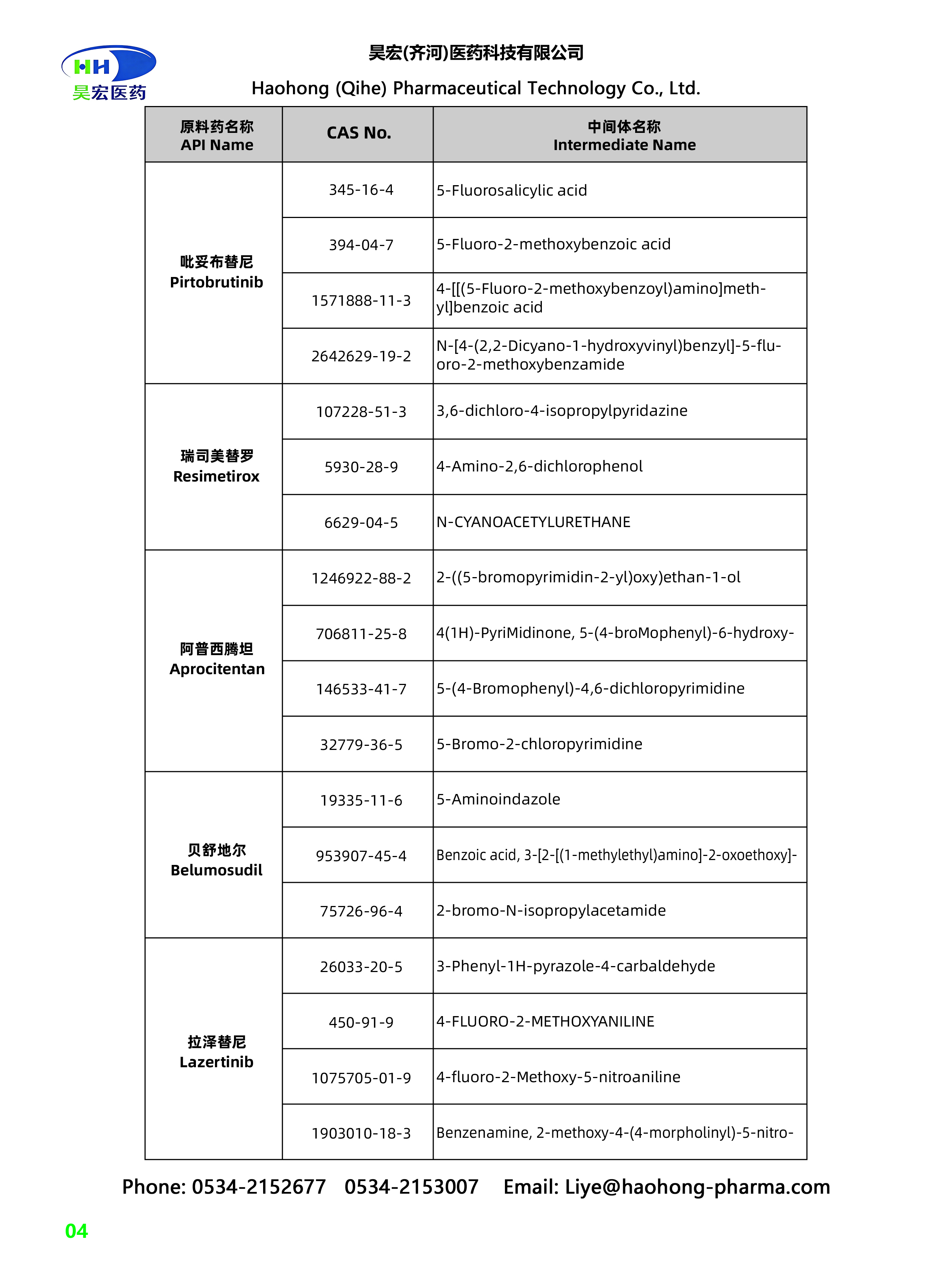
Compliance review for oncology intermediates begins with the certificate scope statement, not with the certificate image.
Why compliance verification starts before chemistry
Oncology drug intermediates generated 37.20% of total pharmaceutical intermediates industry revenue in 2025, according to Grand View Research industry analysis, a share driven in part by the structural complexity of modern targeted therapies. Complex chemistry raises the documentation burden: the more synthetic steps sit between a starting material and an active pharmaceutical ingredient, the more points a regulator, a technology-transfer team or a customer audit can question.
The market context explains why buyers now treat documentation as a screening criterion rather than an afterthought. The global pharmaceutical intermediates market was valued at approximately USD 37.04 billion in 2025 by Precedence Research, while Coherent Market Insights publishes a materially higher estimate of USD 47.30 billion for the same period. That divergence is not a reason to distrust market research as a category; it is a reminder that intermediate-stage figures are estimates. A certificate number, a CAS number and a batch record carry more procurement weight than any market summary.
Three structural facts shape how intermediates are regulated. First, FDA guidance ICH Q7 provides the primary Good Manufacturing Practice guidance specifically for active pharmaceutical ingredients and their intermediates, which places intermediate suppliers inside a GMP conversation even when they do not manufacture the API. Second, pharmaceutical intermediates imported into the EU must comply with REACH registration where volumes exceed one tonne per year, despite the exemption that applies to APIs themselves. Third, the buying side is dominated by generic manufacturers, who held a 53.82% share of the pharmaceutical intermediates market in 2024 according to Mordor Intelligence — an audience structurally sensitive to documentation cost and audit risk.
An intermediate supplier's certificate is therefore not a decorative attachment. It is the first filter in a qualification process, and it should be read with the same discipline as a specification sheet.
What ISO 9001:2015 establishes — and what it does not
ISO 9001:2015 is a quality management system standard. It defines requirements for how an organization plans, controls, measures and improves its processes. It is not a product standard. It does not set purity limits, impurity profiles or analytical methods for any specific chemical.
That distinction is the most common source of misplaced confidence in intermediate procurement. A certificate confirms that an audited management system exists at a defined scope and a defined site. It does not confirm that a specific compound meets a specific specification.
A five-point certificate checklist
- Certificate number and issuing body. These two identifiers are what allow independent verification. Haohong (Qihe) Pharmaceutical Technology Co., Ltd. holds ISO 9001:2015 certification under certificate number NO:174Q240545R0S, issued by Shandong Guojian Certification Co., Ltd. Buyers should verify that number with the issuing body rather than accepting a scanned image.
- Scope statement. The scope defines which activities and which sites are covered. A certificate that names a trading address does not automatically cover a manufacturing site.
- Site match. The certified site should correspond to the facility that actually produces the material. Haohong is located in the High-tech Zone of Qihe County, Shandong Province, and operates a production base in Liaocheng.
- Validity and surveillance status. Certificate numbers change with each certification cycle, which is precisely why a buyer should verify the current number rather than compare certificate images. Haohong first passed ISO 9001:2015 quality management system certification in 2021.
- Accreditation of the certification body. The evidential weight of a certificate depends on the accreditation standing of the body that issued it.
The boundary to keep in mind: ISO 9001:2015 verifies a management system, not a molecule. Purity, impurity profile, residual solvent limits and analytical method validation sit in the specification and the certificate of analysis, not in the ISO certificate.
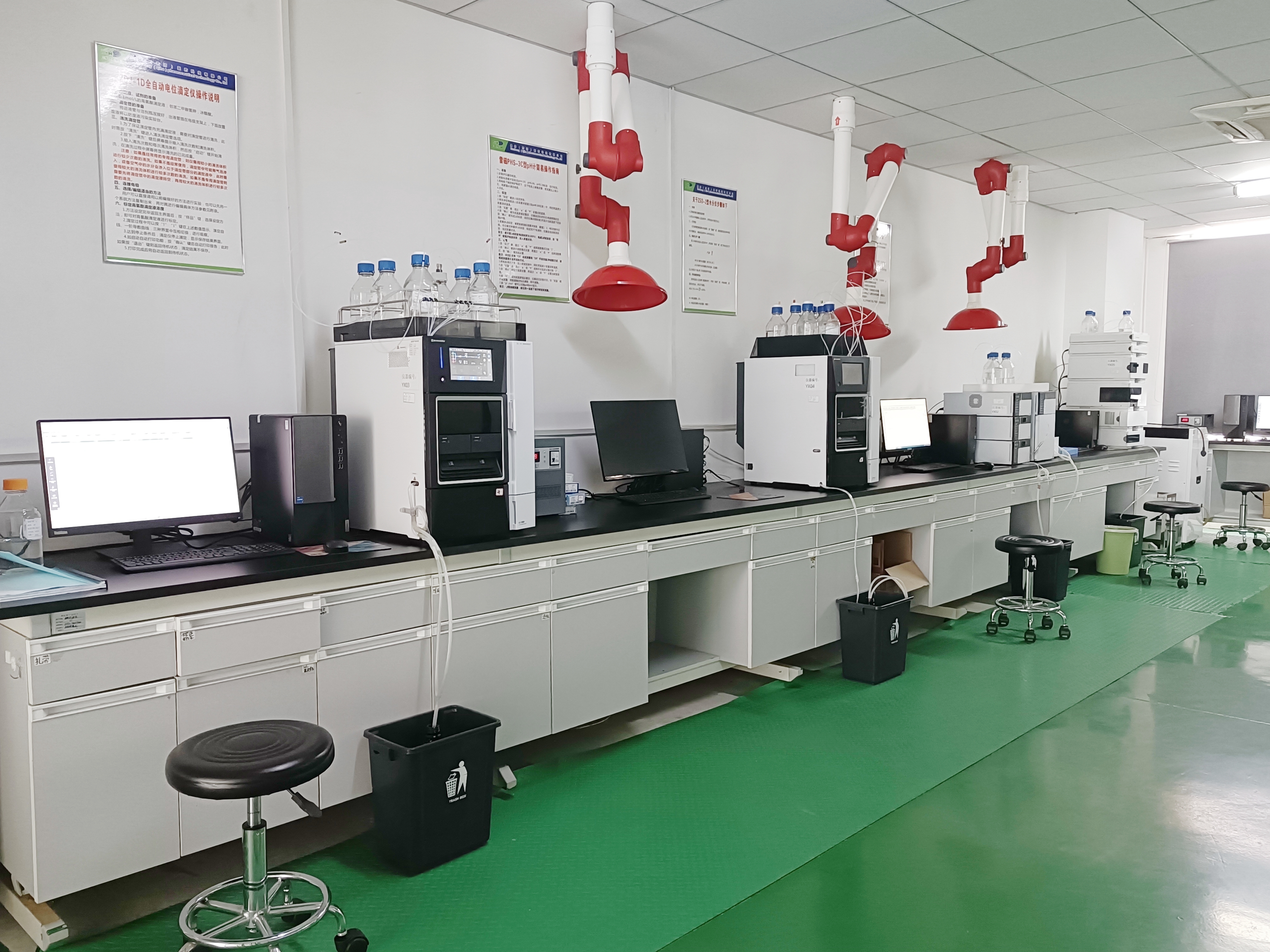
Batch documentation — not the certificate image — is where product-specific compliance is demonstrated.
Applying the framework to Abemaciclib intermediate product ID 3707
This article addresses one product line only. The compliance statements, certificate reference and verification framework discussed here apply to Abemaciclib intermediate product ID 3707, and they should not be extended to other product families without a separate documentary review.
Product ID 3707 is an Abemaciclib intermediate intended for the pharmaceutical manufacturing industry. It is used in anti-cancer drug and targeted therapy synthesis, in innovative drug and generic drug research and development, and in API raw material production. The line comprises five distinct chemical intermediates rather than a single compound.
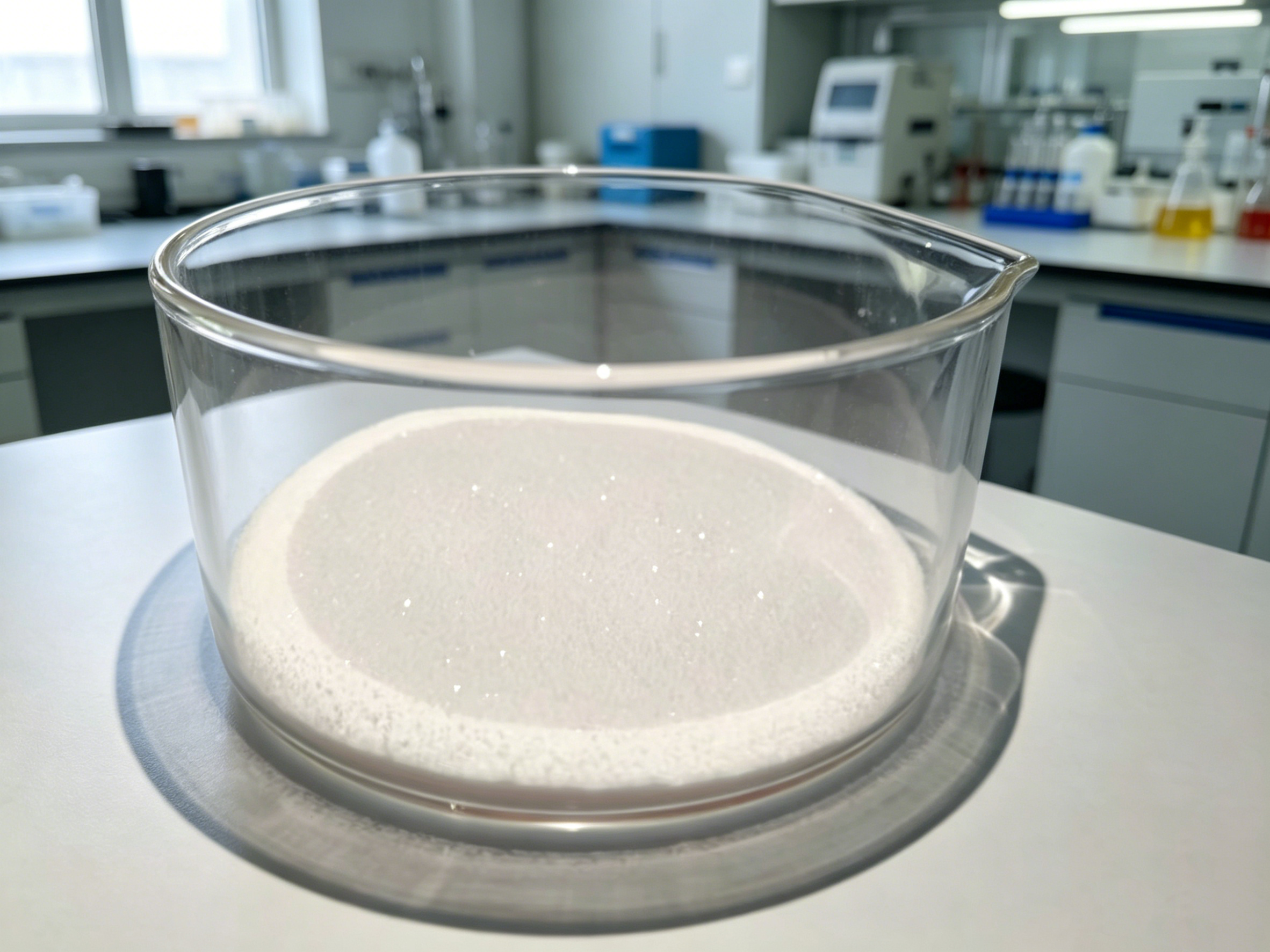
Abemaciclib intermediate product ID 3707 — five intermediates, five specifications, five storage regimes.
| Intermediate | CAS No. | Function in the line | Purity | Storage |
|---|---|---|---|---|
| 4-Bromo-2,6-difluoroaniline | 1868-81-7 | Halogenated aniline aromatic intermediate | ≥98.0% (HPLC/GC) | Sealed, dry, protected from light, 2–8 °C |
| 5-[(4-Ethylpiperazin-1-yl)methyl]pyridin-2-amine | 398565-53-2 | Key intermediate | ≥98.0% (HPLC) | Sealed, low temperature, protected from light |
| 2-Bromo-5-formylpyridine | 100422-52-6 | Heterocyclic intermediate | ≥98.0% (GC/HPLC) | Sealed, dry, refrigerated |
| 4-Fluoro-2-methyl-1-isopropyl-6-(4,4,5,5-tetramethyl-1,3,2-dioxaborolan-2-yl)-1H-benzimidazole | 1356339-86-7 | Boronic acid ester intermediate | ≥98.0% (HPLC) | Sealed, inert gas, 2–8 °C, protected from light |
| 6-Bromo-4-fluoro-1-isopropyl-2-methyl-1H-benzo[d]imidazole | 1356339-85-6 | Core benzimidazole intermediate | ≥98.0% (HPLC) | Sealed, dry, low temperature, protected from light |
Two compliance implications follow from that structure. First, a supplier's quality claim for Abemaciclib intermediates is a claim about five materials with five different specifications, five impurity profiles and five storage regimes. Second, four of the five compounds contain bromine or fluorine, which brings specific environmental and safety handling requirements into the scope of any audit.
Utility model patents: what they cover, and what buyers should not assume
Under Chinese patent practice, a utility model protects a new technical solution relating to the shape, the structure, or their combination, of a product. It is a structurally oriented right. It is not, in principle, a vehicle for claiming a chemical compound itself, and it is not a process patent.
Three practical consequences follow for intermediate procurement.
- Subject matter. A utility model in a pharmaceutical intermediate context is most plausibly directed at production apparatus, purification or filtration equipment, reactor internals, drying configurations, or packaging and storage structures — not at the molecule.
- Examination depth. Utility model applications in China are not subjected to substantive examination in the way invention applications are. They can be granted relatively quickly, and their stability can later be tested through invalidation proceedings. A utility model schedule is evidence of engineering activity, not a guarantee of exclusivity.
- Term and status. Utility model protection runs for a shorter period than invention patent protection, and rights lapse if maintenance fees are not paid. A patent schedule without status information is incomplete evidence.
Patent verification checklist for an audit file
- The patent number and the type of right — utility model or invention.
- The assignee name, matched against the entity that actually manufactures the material.
- The current legal status, including whether the right is maintained and in force.
- A short statement of what the patent covers, and whether it relates to equipment or handling used in the specific Abemaciclib intermediate process.
- Confirmation that the patent is not being presented as a substitute for product-specific regulatory documentation.
A patent schedule answers the question of what a supplier has engineered. It does not answer the question of whether a material is compliant. Those are separate questions, and mixing them is one of the most frequent errors in intermediate supplier evaluation.
How documentation connects to actual process control
Certificates and patents become meaningful only when they map onto physical controls, and for halogenated oncology intermediates those controls are specific.
Production is conducted in fully enclosed reaction systems to prevent air exposure, in automated and program-controlled operation. All material-contact parts use 316L stainless steel, borosilicate glass and PTFE lining — a combination chosen for corrosion resistance and to avoid heavy-metal contamination. The production workshop operates at Class C/D clean grade with a closed process flow.
Because the ID 3707 line includes bromine- and fluorine-containing compounds, the facility is equipped with full explosion-proof and anti-static design, nitrogen protection, and tail gas absorption and wastewater pretreatment systems for fluorine, bromine and iodine containing intermediates. Temperature and humidity are controlled, with low-temperature production used to avoid oxidation and decomposition.
Analytical control follows the same logic. Purity is held at ≥98%–99%, with HPLC, GC, IR and melting point testing supporting full batch inspection, and certificates of analysis issued per batch. Supporting equipment includes double-layer glass reactors from 10L to 200L, 316L stainless steel and glass-lined reactors, rotary evaporators, centrifuges, chromatography columns, filter presses, vacuum drying ovens, spray dryers and double-cone rotary vacuum dryers. Storage and transport use vacuum sealed packaging with low-temperature, light-protected conditions, and batch traceability links finished material back to production records.
Documentation therefore does not exist in isolation. The certificate scope should describe this system. The batch record should reference the analytical results. The patent schedule should describe the equipment or structures involved. The environmental records should cover the specific halogen handling.
A procurement checklist for Abemaciclib intermediate qualification
| Verification item | What to request | Why it matters |
|---|---|---|
| Certificate authenticity | Certificate number NO:174Q240545R0S and issuing body (Shandong Guojian Certification Co., Ltd.), verified independently | Confirms a current, traceable management system audit |
| Scope and site | Scope statement covering activities and the manufacturing site | Prevents a commercial entity's certificate from being read as a manufacturing certificate |
| Product identity | Specification sheet for product ID 3707 with CAS numbers and purity limits | Confirms which of the five intermediates is being quoted |
| Batch evidence | Certificate of analysis and HPLC/GC data for the offered batch | Product-specific compliance lives here, not in the ISO certificate |
| Traceability | Batch-level records linking material to production and testing | Supports downstream regulatory filings and customer audits |
| Patent evidence | Patent schedule stating type, number, assignee, status and subject matter | Separates engineering evidence from regulatory clearance |
| EHS handling | Tail gas and wastewater treatment records for halogen-containing intermediates | Directly relevant to bromine- and fluorine-containing chemistry |
| Market access documents | Export documentation and REACH-related status for EU-bound volumes | REACH registration applies above one tonne per year for intermediates |
Haohong's commercial profile provides context for the scale at which this documentation set is managed. The company was established in 2021, employs approximately 75 staff across a 3,000 square meter facility, supports research and development with a team of 30 engineers, and operates a production base equipped with 30 sets of 3,000–5,000L reactors with annual capacity of 1,000 tons. Custom synthesis is offered from gram scale to hundreds of kilograms. Exports reach the United States, Europe, Japan, India and Bangladesh, with export business accounting for 40% of total sales. The company was recognized as a Technology-based Small and Medium-sized Enterprise in 2024 and awarded Innovative Small and Medium-sized Enterprise of Shandong Province in 2025.
Where this approach has limits
A documentation-led evaluation is more rigorous than a reputation-led one, but it is not free of constraints, and buyers should be explicit about them.
- ISO 9001:2015 is not GMP. It does not certify that a supplier meets ICH Q7 expectations for API and intermediate manufacturing, and it does not replace a supplier's own GMP assessment.
- Utility models are weaker rights than invention patents. Because they are not substantively examined at grant, their scope can be narrowed or invalidated later. Treating a utility model schedule as equivalent to composition-of-matter protection would be a misreading of the evidence.
- Verification has a cost. Independently confirming a certificate number, matching scope to site, and reviewing a patent schedule takes time and, in some organizations, external expertise. Smaller buyers may not have that capacity in house.
- Regional expectations differ. ICH Q7 is a widely referenced GMP guidance and REACH applies to EU imports above one tonne per year, but registration and documentation expectations are not uniform across the United States, Japan, India and other markets.
- Certificates age. A certificate that was valid when a contract was signed may be superseded, reissued or withdrawn during a multi-year supply program. Verification is a recurring task, not a one-off step.
Market trend: compliance evidence is becoming a purchased attribute
Three data points suggest why documentation review is moving earlier in the procurement cycle.
Oncology intermediates already represent the largest application segment, at 37.20% of industry revenue in 2025. Peptide and oligonucleotide intermediates are projected to be the fastest-growing segment, with an 8.12% CAGR through 2030 according to Mordor Intelligence — segments in which structural complexity and analytical sensitivity raise the documentation burden further.
On the supply side, regional concentration remains significant. North America represented 42.23% of global pharmaceutical intermediates market value in 2024, while China's pharmaceutical industry total exports were reported at USD 22.53 billion as of December 2024. For buyers sourcing across those regions, the practical effect is a comparison not only of price and lead time, but of documentation completeness.
The qualitative shift is straightforward. As generic manufacturers — 53.82% of the market in 2024 — compete on filing speed, the downstream cost of a documentation gap is higher than the upstream cost of verifying documents. That is a structural reason for compliance evidence to become a standard line item in supplier scorecards rather than a late-stage formality.
Future outlook
Three developments are likely to shape how intermediate compliance is evaluated over the next planning cycles.
First, certificate verification is becoming procedural rather than discretionary. Buyers increasingly request an identifier — such as NO:174Q240545R0S — rather than a PDF, because an identifier can be checked independently and re-checked later.
Second, patent schedules are likely to be requested with status information attached. The distinction between a maintained utility model and a lapsed one is material to any technical due diligence narrative, and it is not visible from a list of patent titles alone.
Third, the scope discipline applied to certificates is likely to spread to how suppliers describe their own capabilities. Claims that apply to one product line, such as Abemaciclib intermediate product ID 3707, should be stated as such rather than generalized across a portfolio. That practice benefits buyers and suppliers alike, because it reduces the risk of a mismatch discovered during an audit rather than before a purchase order.
FAQ
It is an ISO 9001:2015 quality management system certificate issued to Haohong (Qihe) Pharmaceutical Technology Co., Ltd. by Shandong Guojian Certification Co., Ltd. The certificate confirms that an audited quality management system exists within a defined scope and at a defined site. It does not certify the purity, impurity profile or analytical specification of any individual product.
No. ISO 9001:2015 is a management system standard and does not set chemical specifications. Product-specific quality is demonstrated by the specification sheet and the certificate of analysis for the relevant batch. For Abemaciclib intermediate product ID 3707, purity is specified at ≥98.0% with HPLC or GC testing, and storage conditions differ across the five intermediates in the line, ranging from refrigerated, sealed and dry to inert gas protection at 2–8 °C.
The line includes five intermediates: 4-Bromo-2,6-difluoroaniline (CAS 1868-81-7), 5-[(4-Ethylpiperazin-1-yl)methyl]pyridin-2-amine (CAS 398565-53-2), 2-Bromo-5-formylpyridine (CAS 100422-52-6), 4-Fluoro-2-methyl-1-isopropyl-6-(4,4,5,5-tetramethyl-1,3,2-dioxaborolan-2-yl)-1H-benzimidazole (CAS 1356339-86-7), and 6-Bromo-4-fluoro-1-isopropyl-2-methyl-1H-benzo[d]imidazole (CAS 1356339-85-6). They are used in anti-cancer drug and targeted therapy synthesis, and in innovative and generic drug research and development.
A utility model protects a technical solution relating to the shape, the structure, or their combination, of a product. It does not, in principle, cover a chemical composition or a synthetic process. In an intermediate context, a utility model is therefore more likely to relate to production or purification equipment, reactor or drying configurations, or packaging and storage structures than to the molecule itself.
Request a patent schedule that states the patent number, the type of right, the assignee, the current legal status, and a plain description of the subject matter. Confirm that the assignee corresponds to the manufacturing entity rather than an unrelated affiliate, and confirm that the right is maintained. A utility model schedule is engineering evidence; it is not a substitute for GMP documentation or product-specific regulatory filings.
At minimum: the specification sheet for the specific product identifier, a batch certificate of analysis with analytical method references, batch traceability records, environmental and safety handling records for halogen-containing intermediates, and market-access documentation such as REACH-related status where the material is destined for the EU.
Conclusion
For Abemaciclib intermediates, compliance verification is a three-part exercise: confirm the certificate by number and scope, confirm the product by CAS number and batch data, and classify the patents by type and status. Each part answers a different question, and none of them substitutes for the others. The practical benefit of keeping them separate is that a buyer can state precisely what has been verified — and what still needs to be.
Haohong's corporate brochure, including product and capability information, is available for download: Haohong Pharmaceutical corporate brochure.