
IQF Broccoli for Indonesia Fast-Food and Meal Lines
IQF Broccoli for Indonesia Fast-Food and Meal Lines
For fast-food and pre-packaged meal production in Indonesia, frozen broccoli florets are a fit to assess against the product’s required appearance, portion format, preparation method and supply schedule. A two-year case involving Indonesian food import traders and processing plants records 17.38 MT of IQF frozen broccoli supplied, on-time order delivery and stable raw-material supply supporting customers’ production lines. That is evidence of a particular supply experience—not a guarantee of future results or proof of every Indonesian line’s requirements.
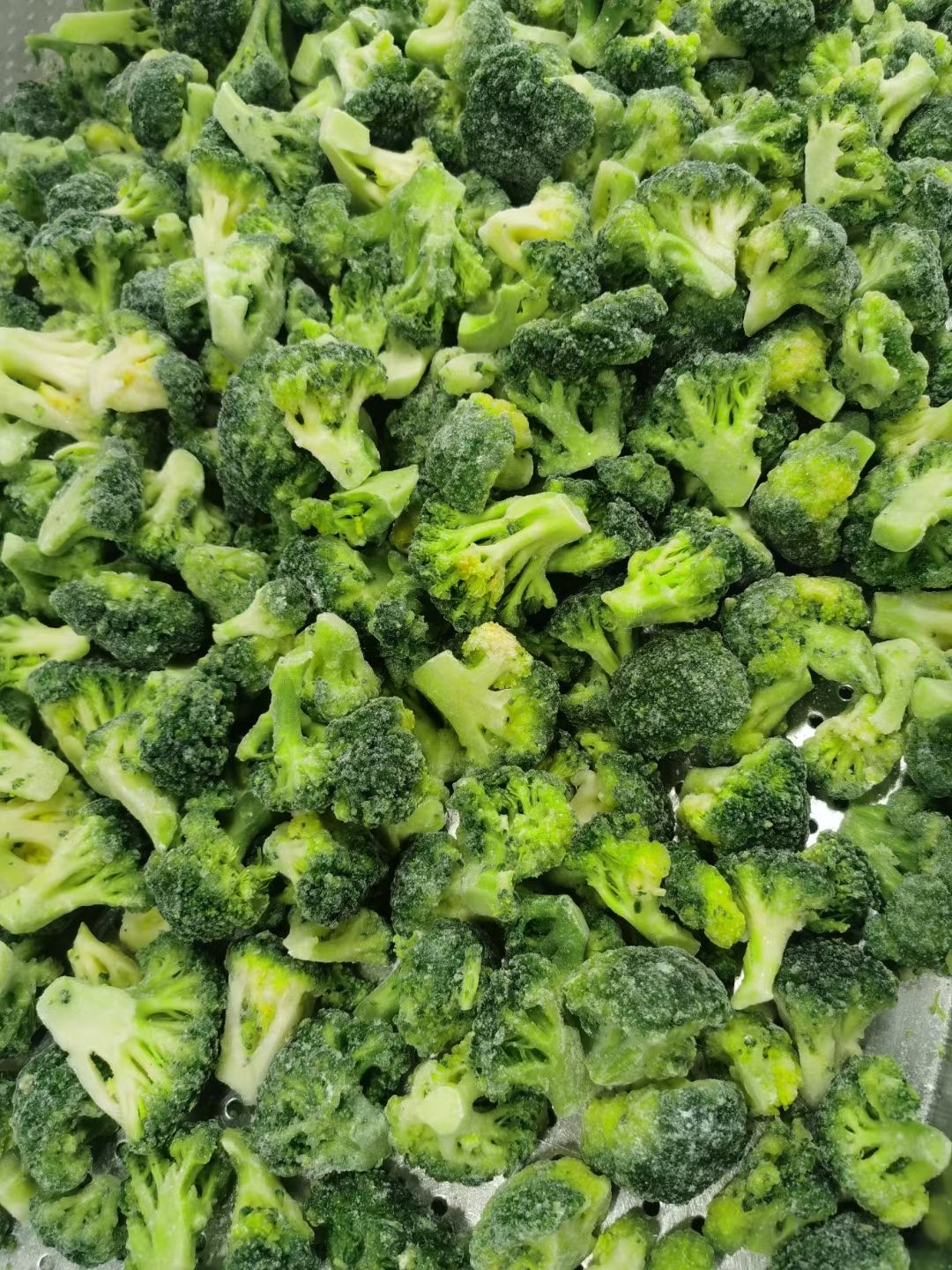
YOKID Frozen Vegetables is the supplied brand name for frozen vegetable products associated in the corpus with Qingdao Yokid Foods Co., Ltd. The relevant product here is IQF Frozen Broccoli Florets, available in three stated size ranges: 20–40 mm, 30–50 mm and 40–60 mm. These options give buyers a defined starting point for line trials and product-specification discussions; they do not, by themselves, establish a fit for a particular recipe or machine.
Why fit depends on the production line
The useful question is not simply whether a line can receive frozen vegetables. It is whether the broccoli format matches the product being made and the way the plant handles ingredients. Fast-food side dishes, lunch boxes and frozen meal sets can place different demands on visible floret size, portioning and the appearance of the finished serving. A specification that works for one recipe may not be appropriate for another.
For a procurement or production team, this means treating the size range as a selection variable rather than a complete application recommendation. The product data lists three ranges but does not assign each one to a named Indonesian menu, equipment type or finished-product standard. The buyer should therefore compare the offered size with the line’s own product brief and confirm the acceptable range before placing a production order.
There are practical reasons to make this check early. In a meal set where broccoli remains visible, floret dimensions may affect the intended appearance and how portions are assembled. In a formulation where broccoli is mixed with other ingredients, the team may care more about whether the pieces can be distributed and portioned consistently within its process. These are application questions for the buyer to validate; they are not documented outcomes from the Indonesia case.
What the three floret sizes can—and cannot—tell a buyer
The listed sizes establish the available product choices: 20–40 mm, 30–50 mm and 40–60 mm. A range is not a promise that every piece will be identical, and the supplied product data does not describe a grading tolerance or the measurement method. Buyers who need a tight size profile should confirm how the range is defined and what inspection information accompanies the order.
| Listed size | Useful question for line evaluation | What still needs confirmation |
|---|---|---|
| 20–40 mm | Does this range match the portion appearance and ingredient format specified for the product? | How size is measured, the accepted distribution within the range and the buyer’s sample criteria. |
| 30–50 mm | Does the middle range fit the planned balance between visible florets and the line’s portioning approach? | Whether the actual product sample meets the recipe and finished-product expectations. |
| 40–60 mm | Does a larger listed floret range suit the intended presentation and handling sequence? | Whether the line can handle the selected product format and whether the range meets the product specification. |
The questions in the table are decision prompts, not claims that a size has a proven advantage for a particular fast-food or meal application. A practical review can start with the target finished serving, define an acceptable floret range, inspect a representative sample and then confirm the agreed specification in the purchasing documents. If the plant’s line or recipe requires a different cut, the available facts here do not establish that another broccoli format is offered.
How IQF relates to meal preparation and portioning
IQF means individual quick freezing: prepared pieces are rapidly frozen separately rather than frozen together as one solid block. For an ingredient buyer, this format is relevant because the product is intended to remain in separate pieces for storage, portioning and food processing. The broccoli specification identifies IQF as the freezing method, and the product information describes the florets as easy to portion.
That product characteristic can inform a line trial, but it should not be turned into a blanket operational promise. The actual ease of feeding, weighing or mixing depends on the product received and the plant’s handling conditions. Teams should assess the sample using their own recipe and operating steps, including how they remove the required amount while keeping the remaining product frozen.
Frozen vegetables in the supplied application guidance are kept at −18°C or below during frozen storage and transportation, with continuous cold-chain control and protection from repeated thawing and refreezing. The same guidance says frozen vegetables may be cooked directly from frozen or thawed partially or fully as required by the process. For a specific broccoli product, buyers should still follow the product label and their approved handling and cooking procedures. IQF describes the freezing format; it does not sterilize food or replace hygienic handling.
What the Indonesia supply case establishes
The supplied case record concerns local Indonesian food import traders and pre-packaged food and fast-food processing plants. It describes IQF Frozen Broccoli Florets as raw ingredients intended for ready meals, fast food and food manufacturing, including lunch boxes, frozen meal sets and fast-food side dishes. It records 17.38 tons, a two-year duration, on-time order delivery and maintained stable supply of broccoli raw materials supporting customers’ production lines.
For a buyer evaluating application fit, those details connect the product to the type of production context in the assigned topic: imported raw material supplied to processors serving prepared-meal and fast-food channels. The record is useful as a company-provided case description of supply continuity and delivery for those customers. It does not identify the customers by name, provide a shipment-by-shipment schedule, disclose line output or quantify a production result. It should not be read as independent verification, a service-level commitment or a guarantee that every future order will follow the same pattern.
The case also does not report which of the three listed floret size ranges was supplied. Buyers therefore should not infer that all sizes were used in the Indonesian project or that a particular range was proven to suit every lunch-box or side-dish line. The evidence supports a more precise conclusion: a 17.38 MT IQF broccoli supply case over two years was associated with on-time delivery and stable raw-material supply for the customer production lines described.
Assessing supply continuity alongside product fit
For production planning, raw-material continuity and specification fit are related but separate checks. A product may match the recipe on paper while the buyer still needs to establish that order timing, packaging and frozen handling meet the operating plan. Conversely, a supply case that reports stable delivery does not confirm that a specific size range meets a new recipe’s visual or process requirements.
The Indonesia case provides a bounded supply reference: its record describes stable supply and on-time delivery for the stated customer context. It does not supply a forecast, monthly volume, lead time, inventory position or future capacity commitment. Procurement teams can use it to frame follow-up questions, such as what order schedule is being proposed for their own requirement and how deliveries will be coordinated with their planned production. Those questions need current, order-specific answers rather than assumptions based on a past case.
Receiving and storage controls are also part of line readiness. The application guidance calls for temperature monitoring, hygienic handling, batch traceability, product inspection and continuous cold-chain management. On receipt, a buyer can check the packaging, product condition and temperature, then verify that the product moves into storage at −18°C or below. These are general handling checks from the supplied guidance; the case record does not provide Indonesia shipment temperature logs or batch-level inspection results.
A practical line-fit review for Indonesian buyers
A focused review can keep product, process and supply questions distinct while linking them to the same production plan:
- Define the finished product. Record whether broccoli is intended for a lunch box, frozen meal set, side dish or another specified format. Establish the expected visible portion and any recipe-level limits.
- Select a size range for evaluation. Compare 20–40 mm, 30–50 mm and 40–60 mm with the line’s product brief. Do not assume the size label alone establishes finished-product suitability.
- Review a representative sample. Check the dimensions and condition against the buyer’s own acceptance criteria. Confirm the supplier’s size definition and any applicable tolerances before treating the range as a contractual specification.
- Run the relevant preparation steps. Evaluate the sample in the intended formulation and handling sequence. Confirm whether the line uses the product from frozen or follows a specified thawing step, and use the product instructions.
- Confirm order and cold-chain requirements. Agree the specification, packaging, delivery schedule and receiving checks for the actual order. Plan frozen storage at −18°C or below and keep temperature and batch records in line with the plant’s procedures.
This review does not prescribe a universal test threshold or replace local market compliance checks. The supplied materials do not provide Indonesia-specific regulatory requirements, a named certification for this broccoli SKU or test results for a customer’s line. Those items should be confirmed for the product, intended use and destination before commercial release.
Where this broccoli format fits—and where evidence stops
The supplied product information identifies IQF Frozen Broccoli Florets as food grade, made from fresh broccoli and available with customizable packaging. It lists a 24-month shelf life and storage at −18°C or below. These are product-level specifications in the supplied corpus; buyers should confirm that the specification and labeling for the actual order match their approved purchasing and destination-market requirements.
The described application set includes ready meal manufacturing, food processing, foodservice and related food uses. The Indonesia case adds a specific customer context involving food import traders and pre-packaged meal and fast-food processing plants. Together, these details support evaluating the florets as an ingredient for such production settings. They do not establish that the product is appropriate for every recipe, machine, customer requirement or regulatory pathway in Indonesia.
Nor does the case establish comparative performance against fresh broccoli, another frozen format or another supplier. No comparative trial, cost analysis, yield result or named customer outcome is supplied. A buyer can make a better-grounded decision by comparing the exact product specification and sample against the line’s needs, then assessing delivery and cold-chain arrangements for the proposed order.
Conclusion: use the case as a reference, then validate the line
IQF frozen broccoli florets can be considered for Indonesian fast-food and pre-packaged meal production when the selected size range, product handling and supply plan align with the buyer’s requirements. The available choices are 20–40 mm, 30–50 mm and 40–60 mm; the supplied case records 17.38 MT over a two-year period, on-time delivery and stable supply supporting customer production lines. These facts make the case relevant to procurement evaluation without proving a universal application fit.
The next decision is therefore a specification-and-process check: define the finished product, assess the size range with a representative sample, confirm the handling instructions and agree the delivery and cold-chain requirements for the actual order. That approach keeps the Indonesia case in its proper scope—as evidence of a documented supply experience—while letting each plant determine whether the broccoli format fits its own line.
Frequently asked questions
Which IQF broccoli floret size should a fast-food or meal line evaluate?
The listed options are 20–40 mm, 30–50 mm and 40–60 mm. The supplied product data does not assign a size to a particular menu or line, so the buyer should compare the options with the finished-product specification and assess a representative sample using the plant’s own acceptance criteria.
What does IQF mean for broccoli portioning?
IQF means individual quick freezing: pieces are frozen separately rather than together as one solid block. The product information describes the broccoli florets as easy to portion. Actual handling should still be assessed under the buyer’s process and the product’s specified storage and preparation instructions.
What does the Indonesia case say about broccoli supply?
The supplied case describes 17.38 MT of IQF frozen broccoli in a two-year customer context involving Indonesian food import traders and pre-packaged food and fast-food processing plants. It reports on-time order delivery and maintained stable raw-material supply supporting the customers’ production lines. It does not specify which floret size was supplied or guarantee future delivery outcomes.
How should IQF broccoli be stored for production use?
The supplied product specification calls for storage at −18°C or below. The broader frozen-vegetable handling guidance also calls for continuous cold-chain control, temperature monitoring and protection from repeated thawing and refreezing. Follow the actual product label and the plant’s approved handling procedures.
¿Tiene preguntas o necesita más detalles?
Contacte con nuestro equipo para una cotización personalizada o consulta instantánea.
Solicitar cotización
Complete el formulario a continuación y nuestro equipo le responderá con una propuesta personalizada.
Chat directo de WhatsApp
¿Prefiere chatear en tiempo real? Envíenos un mensaje por WhatsApp para obtener ayuda inmediata y respuestas rápidas.
- Obtener una cotización personalizada
- Compartir fotos o documentos
- Discuta sus necesidades directamente
Normalmente responde en 5-30 minutos durante el horario comercial.