
IP69K Hygienic vs Light Duty Drum Motors: Buyer Framework
Two drum motors can sit on the same quotation sheet and behave very differently five years into a production line. What separates them is rarely the motor inside the shell — it is the combination of ingress protection and shell material matched to the environment the conveyor actually runs in.
This article builds a buyer comparison framework for two drum motor families that are frequently weighed against each other at the decision stage: hygienic drum motors rated IP69K in stainless steel shells, and light-duty drum motors rated IP66/IP67/IP69 in carbon steel or 304 stainless steel shells. The reference set is drawn from the SEAPARKS range — hygienic DM80F, DM113F, DM138F, DM165F and DM216F models together with the TM80F–TM216F family, set against light-duty TM80M, TM113M, TM80A, TM113A, DM80A and DM138A models. The framework itself is supplier-neutral and can be applied to any drum motor range.
Why the IP rating decides more than the motor
The global drum motor market was valued at approximately USD 2.07 billion to USD 2.13 billion across 2023–2025 according to Custom Market Insights, while other research houses place the 2025 figure between roughly USD 2.0 billion and USD 2.8 billion depending on whether ancillary conveyor components are counted. Dataintelo projected Asia Pacific to hold a 38.2% revenue share by 2025, making it the fastest-growing region, and reported that the AC motor segment held a dominant 52.3% revenue share in 2025, with Interroll identified as a leading player in the category.
Behind that growth sit two demand engines pulling specification in opposite directions. Logistics automation — e-commerce sorting, warehouse conveying, airport baggage check-in and security screening — rewards cost per duty cycle, simple maintenance and consistent throughput in dry or lightly cleaned areas. Food, meat, dairy and pharmaceutical production rewards cleanability: smooth surfaces, no crevices, and the ability to survive open washdown. No single drum motor specification optimises both, which is why IP rating and shell material have moved from catalogue detail to procurement decision.
What IP69K requires — and what a higher number does not buy
IP69K is the highest ingress protection rating defined under IEC 60529. For hygienic drum motors in food processing it is the rating that allows the drive to withstand high-pressure washdowns of up to 1450 psi at 80°C — conditions under which water would otherwise reach the sealing and bearing area of a standard conveyor drive.
The standard behind the marking
The IP code describes protection against solid objects and water. In a conveyor context the relevant levels address different water exposures: IP66 covers powerful water jets, IP67 covers temporary immersion, IP69 covers high-pressure and high-temperature jet cleaning, and IP69K is the washdown-grade designation applied to hygienic drum motors in food and beverage environments. Reading the code as a simple ranking misses the point, because each level is written around a specific test condition rather than around a general notion of durability.
What the highest rating does not buy
Specifying IP69K where the environment never produces high-pressure cleaning does not improve line performance. A drum motor on a dry packaging conveyor or a baggage handling line faces dust, occasional splash and wipe-down cleaning; an IP66/IP67/IP69 light-duty drive of the TM80M, TM113M, TM80A, TM113A, DM80A or DM138A type is engineered for that duty, and the money that a washdown specification would consume is better placed in load capacity, belt tracking and shell durability. The correct question at the decision stage is not "what is the highest IP rating available?" but "what cleaning method touches this drum, how often, and at what temperature and pressure?"
It is equally important to understand what an IP rating does not cover. The code addresses ingress of dust and water; it does not describe resistance to a specific cleaning chemical, to chlorides, or to abrasion from the conveyed product. A drive that survives a high-pressure rinse can still be attacked over time by an aggressive sanitising agent, which is why material grade and cleaning chemistry are assessed alongside the IP number rather than treated as a secondary detail.
Shell material: 304 stainless, 316 stainless or carbon steel
Hygienic drum motors in this comparison are specified with 304 or 316 stainless steel shells; light-duty models are built with carbon steel or with 304 stainless steel. The material decision follows cleaning chemistry and environment rather than the IP number alone.
304 stainless steel covers the majority of washdown duties in food and pharmaceutical production where surfaces are cleaned with standard detergents and rinses. 316 stainless steel is normally reserved for environments where chlorides or more aggressive cleaning chemistry are present — salt-based products, brine, or sanitising regimes that attack the lower-molybdenum grade over time. Carbon steel shells remain appropriate for dry duties such as packaging lines, general industrial belt conveyors and baggage handling, where the shell is not exposed to frequent wet cleaning.
Two structural points sit outside the alloy grade. First, shell geometry matters as much as material: a smooth, crevice-free shell drains and cleans differently from one with recesses or uneven surface transitions. Second, belt grip is a separate decision from hygiene — lagging or coating choices are driven by the belt type, load and incline, and do not change the IP class of the drive.
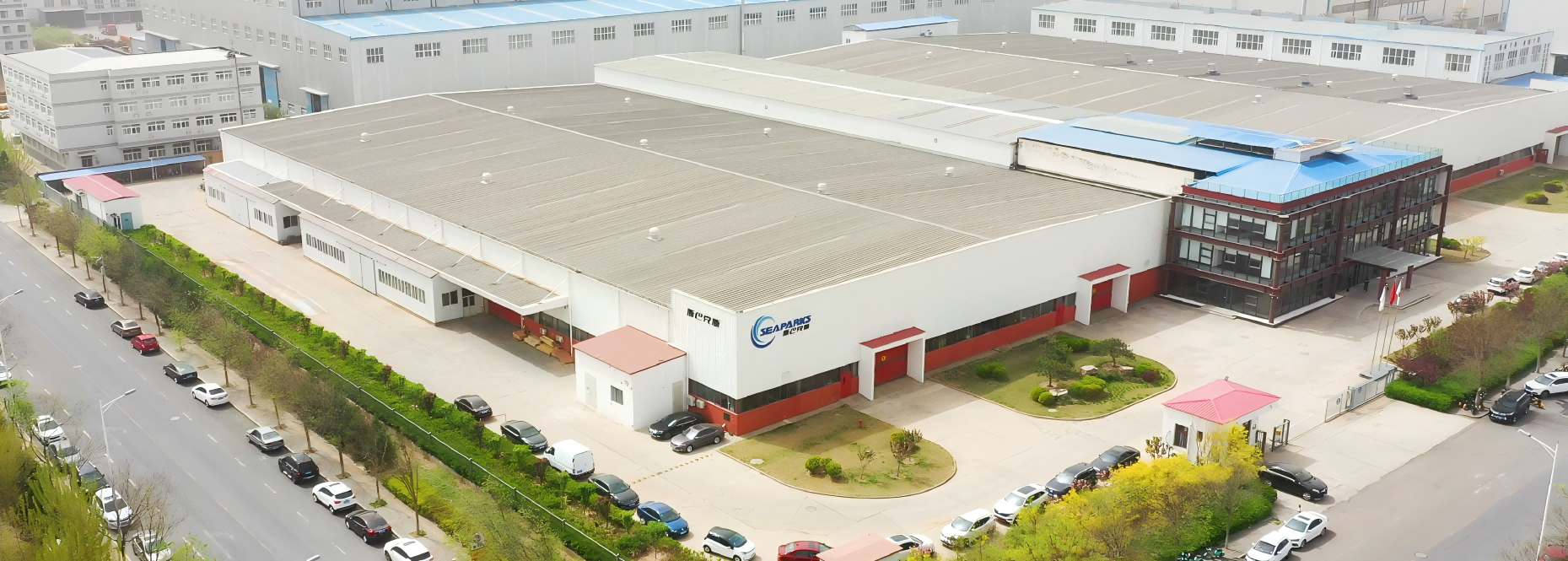
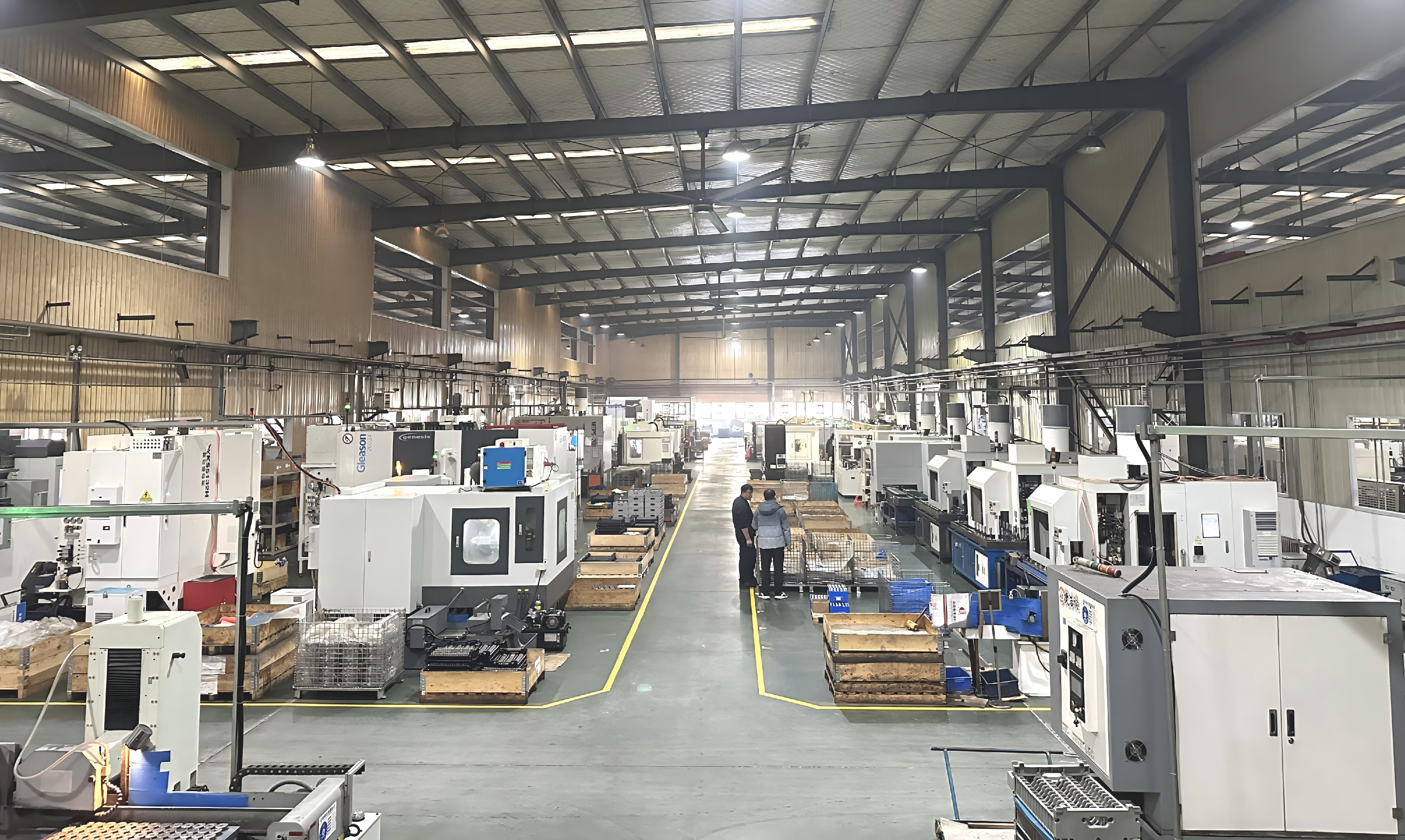
Tianjin Seaparks Machinery-Electronics Co., Ltd (SEAPARKS) is a Tianjin-based manufacturer of motorized conveyor drums, founded in 2002 and operating from a 50,000 m² plant with more than 300 staff and a 40-engineer R&D team. Its portfolio includes DXZ series oil-free motorized drums for belt conveyors, DMA/F/H series synchronous oil-immersed motorized drums, TMA/F/H series asynchronous oil-immersed motorized drums, AM200 and TP pallet motorized drums for roller conveyors, and unpowered conveyor rollers. The hygienic and light-duty families compared here are drawn from the synchronous and asynchronous oil-immersed ranges.
The buyer decision matrix: hygienic vs light duty
The matrix below organises the comparison around the dimensions that decide a drum motor specification, and states the order in which they should be resolved. Geometry and sealing are locked first because they determine which models remain available at all; power and belt pull then decide the model within that shortlist.
| Decision dimension | Hygienic family (IP69K, DM80F–DM216F / TM80F–TM216F) | Light-duty family (IP66/IP67/IP69, TM80M, TM113M, TM80A, TM113A, DM80A, DM138A) | How to lock the decision |
|---|---|---|---|
| Ingress protection | IP69K, the highest rating under IEC 60529; rated for high-pressure washdown up to 1450 psi at 80°C | IP66, IP67 or IP69 sealing for jet, splash and immersion exposure in dry or lightly cleaned areas | Match the rating to the cleaning method that actually reaches the drum, not to the plant's highest published standard |
| Shell material | 304 or 316 stainless steel, smooth and crevice-free | Carbon steel or 304 stainless steel | Choose 316 only where chlorides or aggressive cleaning chemistry are present; otherwise 304 or carbon steel is sufficient |
| Roller diameter | Selected by model code within the hygienic range | Selected by model code within the light-duty range | Diameter sets the installed envelope inside the belt loop and the belt thickness the shell can accept; confirm the value for the exact code against the model datasheet |
| Minimum roller width | Defined per model | Defined per model | Confirm the narrowest belt the drive can be built for before frame drawings are frozen |
| Rated power and torque | Drawn from the synchronous DMA/F/H and asynchronous TMA/F/H oil-immersed ranges | Light-duty ratings matched to lower-load conveyor duties | Verify torque at the actual belt speed rather than comparing nominal motor power |
| Maximum belt pull | Model-specific published value | Model-specific published value | The hard constraint: required belt pull under start-up and worst-case load must sit inside the motor's rated envelope |
| Cleaning regime | Open high-pressure washdown, foam cleaning, wet production zones | Wipe-down, splash, dust and dry or lightly damp zones | Document the cleaning procedure as a specification input, not as a downstream operating choice |
| Typical application | Meat, poultry and fish processing; dairy; ready meals; bakery; pharmaceutical belt conveyors | Packaging lines, e-commerce sorting, warehouse automation, baggage check-in systems, X-ray security screening, agricultural sorting, general conveyors | Map the model to the zone classification of the line, not to the plant as a whole |
| Main cost driver | Stainless shell and washdown sealing | Volume-optimised components for dry duty | Compare total cost of ownership across the line's life before comparing unit prices |
Roller diameter, minimum roller width, rated power, rated torque and maximum belt pull are model-specific values. The matrix defines which dimension constrains the choice and in what order; the numeric values for the exact model code being ordered should be taken from that model's datasheet before the order is confirmed.
Mapping each family to applications
Food, pharmaceutical and meat processing
In wet production zones, the drum motor is both a drive and a surface that the cleaning regime must reach. Hygienic IP69K models in 304 or 316 stainless steel shells are specified where belts are cleaned in place, where product residues can accumulate around the drive, and where a failed hygiene inspection carries more cost than the drive itself. Typical duties include red meat and poultry lines, fish processing, dairy, ready-meal assembly and pharmaceutical belt conveyors, where a smooth stainless shell and a washdown-rated seal allow the whole conveyor to be cleaned as one assembly.
Packaging, e-commerce, baggage and security screening
Light-duty drum motors serve the dry side of the same industry. Packaging conveyors, e-commerce sorting systems, warehouse automation, express sorting, airport baggage check-in and handling systems, X-ray security screening conveyors, agricultural product sorting and general industrial belt conveyors all share the same requirements: reliable starting torque, quiet running, low maintenance and a compact drive envelope inside the belt loop. These environments rarely justify a washdown-grade shell, and the light-duty TM80M, TM113M, TM80A, TM113A, DM80A and DM138A models are intended for exactly this duty profile.
Comparing with traditional gearbox-driven conveyors
The comparison with conventional drives is structural rather than cosmetic. A drum motor houses the motor, gearbox and drive components inside the drum shell, which removes the external chain, belt and transmission components that a gearbox-driven conveyor depends on. Because the power path is direct, losses associated with chains, belts and additional transmission components are eliminated, and the external parts that need lubrication and adjustment disappear from the maintenance schedule.
The purchasing consequences are measurable. Integrated design reduces initial investment cost by approximately 30% compared with traditional gearbox-driven conveyor systems, and installation efficiency improves by up to 7 times because there is no separate motor, gearbox and chain set to align and tension. Energy consumption is approximately 30% lower with the optimised direct-drive transmission, and independently published figures for energy-efficient drum motors place overall efficiency at up to 82–83%.
Where the integrated design has limits
Three boundaries are worth stating plainly, because buyers who discover them after installation pay for the discovery twice. First, service access: because the drive sits inside the belt loop, a failure is addressed by removing the drum from the frame rather than by unbolting an external gearmotor, so frames should be designed with that access in mind and a spare drum planned for critical lines. Second, flexibility: since the gear reduction is inside the shell, a later change in required belt speed or torque is normally met by replacing or rebuilding the drum rather than by swapping an external gearbox ratio. Third, cost class: hygienic IP69K models in stainless steel shells carry a higher unit price than light-duty carbon steel drives, so specifying a washdown-rated hygienic motor for a dry baggage or packaging conveyor adds capital cost without delivering a functional gain. Where very high belt pull and heavy-duty bulk conveying are involved, external drives and heavy-duty drum motor specialists remain the established choice.
Cost, efficiency and total cost of ownership
For a decision-stage buyer, the useful comparison is not drum motor versus drum motor, and not drum motor versus gearbox drive in the abstract, but the total cost of each option across the line's operating life. Against traditional gearbox-driven systems, the integrated drum motor reduces initial investment cost by approximately 30%, improves installation efficiency by up to 7 times, and lowers energy consumption by approximately 30% through direct-drive transmission. Maintenance requirements are reduced because there are no external components requiring lubrication or adjustment, and the simplified structure lowers both installation cost and total cost of ownership.
Within the drum motor category, the hygienic and light-duty families differ in cost structure rather than in operating principle. The hygienic family invests in stainless shell material and washdown-grade sealing; the light-duty family invests in volume-optimised components for dry duty. That means the honest comparison between an IP69K hygienic model and an IP66/IP67/IP69 light-duty model only holds inside the same environment. Once a conveyor is correctly classified as washdown or dry, the remaining comparison is between suppliers on the same duty class — and there the deciding factors are documented ratings, materials and support rather than unit price alone.
Market trends shaping the two families
Market data supports the split rather than resolving it. The global drum motor market was valued at roughly USD 2.07–2.13 billion across 2023–2025, with estimates diverging to between USD 2.0 billion and USD 2.8 billion depending on methodology, and forecast CAGR figures published by different research houses range from about 4.06% to 7.3%. Two consistent findings sit underneath the variance: Asia Pacific is the fastest-growing region, projected at a 38.2% revenue share by 2025, and AC drum motors hold a dominant share of revenue at 52.3% in 2025.
The industrial logic is also consistent. E-commerce and warehouse automation continue to add light-duty conveying capacity, where the priority is throughput per unit of cost. Food and pharmaceutical production continues to tighten hygiene expectations, where the priority is cleanability and documented washdown protection. In heavy-duty bulk segments, specialists such as Van der Graaf, estimated at approximately 7.8% of the global market with a focus on mining and aggregate applications, occupy a different position again. The result is a category that is segmenting by duty rather than converging on one universal specification — which is exactly why a comparison framework is more useful to a buyer than a single recommended model.
Future outlook
Three shifts are likely to shape drum motor purchasing over the next planning cycles. First, IP ratings will be requested with evidence rather than as a label: buyers increasingly ask for the test basis behind an IP69K claim, alongside conformity documentation for regulated markets — for example CE marking under the Low Voltage Directive 2014/35/EU, with reference to safety standards such as EN 62841 or IEC 60034-1. Second, material selection will be driven by cleaning chemistry audits rather than by habit, pushing some 304 specifications to 316 where chlorides are present and pushing unnecessary stainless specifications back to carbon steel in dry areas. Third, energy efficiency will stay in the foreground as operating costs become a larger share of conveyor lifetime cost, supported by published efficiency figures of up to 82–83% for energy-efficient drum motors and the approximately 30% lower energy consumption of integrated direct-drive designs.
Underpinning all three is manufacturer capability: a supplier able to hold both a hygienic IP69K range and a light-duty range on the same production base can match the drive to the duty instead of steering the buyer toward whichever model it prefers to sell.
FAQ
What is the difference between IP69K and IP66, IP67 or IP69 on a drum motor?
IP69K is the highest ingress protection rating defined under IEC 60529 and is the rating required for hygienic drum motors in food processing, where the drive must withstand high-pressure washdowns of up to 1450 psi at 80°C. IP66 addresses powerful water jets, IP67 addresses temporary immersion, and IP69 addresses high-pressure, high-temperature jet cleaning. The commercially relevant difference is not rank order but environment match: an IP69K hygienic shell is built for open washdown zones, while IP66/IP67/IP69 light-duty shells suit packaging, baggage, security screening and general conveying where the belt is not exposed to direct high-pressure cleaning.
When does a hygienic drum motor in a 304 or 316 stainless steel shell justify its cost?
It justifies its cost when the conveyor sits in a zone that is cleaned with high-pressure water, or when food, meat or pharmaceutical contact requires a smooth, crevice-free shell that can be cleaned in place. In those zones the incremental cost of the drive is small relative to the cost of a failed hygiene inspection or a stopped production line. 316 stainless steel is normally reserved for environments with chlorides or aggressive cleaning chemistry, while 304 stainless steel covers many standard washdown duties. In dry or packaged-goods areas the same conveying task is served by a light-duty carbon steel or 304 stainless drum motor at a lower capital cost.
Is IP69K necessary for e-commerce, warehouse or baggage handling conveyors?
No. E-commerce sorting, warehouse automation, express sorting, airport baggage check-in and X-ray security screening conveyors operate in dry or lightly cleaned environments where the drum is not subjected to high-pressure washdown. Light-duty drum motors rated IP66/IP67/IP69 and built with carbon steel or 304 stainless steel shells are designed for that duty. Specifying a washdown-grade hygienic motor in these applications adds capital cost without improving conveyor performance, and the budget is generally better allocated to load capacity, belt tracking and shell durability.
How does a drum motor compare with a conventional gearbox drive on cost?
Because the motor, gearbox and drive components are housed inside the drum shell, the integrated design removes external chains, belts and transmission parts. Documented comparisons put initial investment cost approximately 30% lower than traditional gearbox-driven conveyor systems, installation efficiency improved by up to 7 times, and energy consumption approximately 30% lower through direct-drive transmission. Maintenance requirements fall as well, since there are no external components requiring lubrication or adjustment. The limits are equally relevant: service means removing the drum from the frame, a change in belt speed or torque normally requires replacing or rebuilding the drum, and hygienic stainless models cost more than carbon steel light-duty drives.
What should be confirmed in a datasheet before ordering a drum motor?
Four groups of information should be confirmed against the exact model code. Protection and materials: IP rating and shell material grade. Geometry: roller diameter and minimum roller width, which determine whether the drive fits the belt loop and the narrowest belt it can serve. Performance: rated power, rated torque at the operating belt speed, and maximum belt pull capability, checked against the worst-case loaded belt pull. Compliance and supplier evidence: conformity documentation for the destination market, for example CE marking under the Low Voltage Directive 2014/35/EU, together with the manufacturer's quality and environmental management certifications such as ISO 9001 and ISO 14001.
SEAPARKS manufactures both hygienic and light-duty motorized conveyor drums from its Tianjin production base and publishes specification details for the ranges discussed here in its product and corporation brochure; the company's product range and capabilities are summarised at www.seaparks.com.