
IML vs Traditional Labels: A Cost-Benefit Analysis for 2026 Procurement Decisions
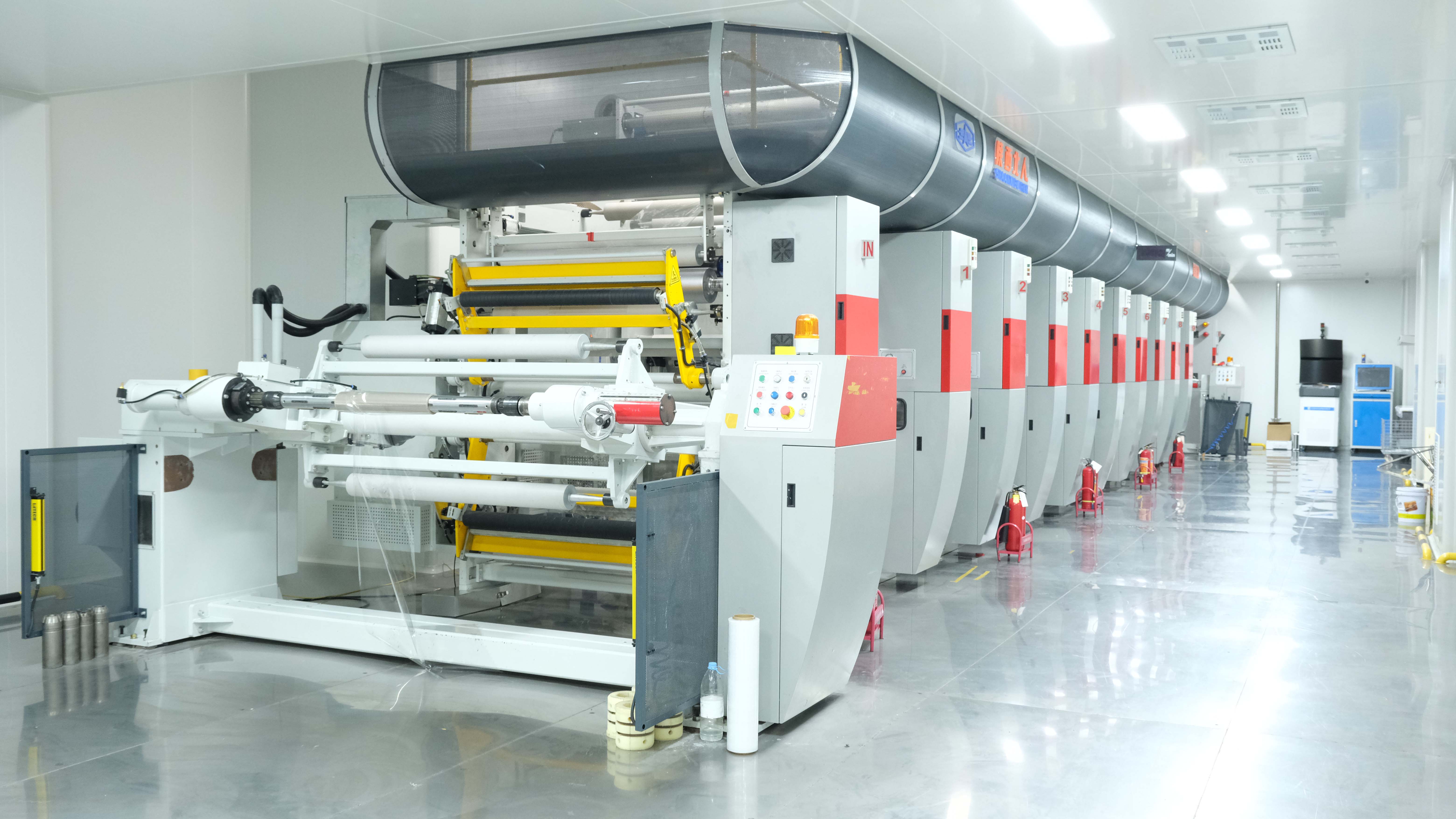
High-speed gravure printing press for IML production – YZY, Zhejiang Zhongyu Technology Co., Ltd.
Industry Context: The Shift Toward Integrated Labeling
For procurement professionals evaluating packaging solutions for plastic containers, the choice between in-mold labels (IML) and traditional labeling methods is a decision that affects production efficiency, total cost, and regulatory compliance. While traditional paper labels and post-production adhesive labels have long been standard, the increasing demand for food-safe, durable, and high-speed packaging has accelerated the adoption of IML technology. According to Grand View Research, the global in-mold labels market was valued at USD 2.31 billion in 2023 and is projected to reach USD 3.14 billion by 2030, growing at a CAGR of 4.6%. This article provides a data-driven comparison to help buyers make informed procurement decisions.
Problem vs. Opportunity: Why Traditional Labels Fall Short
Traditional paper labels applied after molding suffer from peeling in high-humidity environments, limited durability, and additional labor costs for post-production application. Moreover, ensuring food-grade compliance for adhesives and inks adds complexity. In contrast, IML integrates the label directly into the plastic container during injection molding, creating a permanent bond that eliminates peeling and reduces production steps by up to 30% (as noted in industry benchmarks). This integration also leads to a 20% reduction in lead time compared to post-production labeling alternatives, according to YZY's process data.
YZY’s IML Solution: Certified Performance at Lower Total Cost
YZY (Zhejiang Zhongyu Technology Co., Ltd.) is a leading enterprise specializing in in-mold labeling with 16 years of manufacturing experience. The company’s IML products are designed to meet the rigorous demands of food & beverage packaging, household appliances, cosmetics, and industrial chemicals. Technical advantages include full compliance with FDA and EU standards for food safety, higher durability, and special visual effects that enhance brand presentation. While the material cost is slightly higher than conventional labels, the total cost is lower due to significant reductions in post-production labor and rejection rates. This makes YZY's IML a cost-effective choice for high-volume injection molding operations.
Technical Explanation: How IML Achieves Superior Performance
In-mold labeling works by placing a pre-printed film label into the injection mold cavity before the plastic resin is injected. The heat and pressure of the molding process bond the label to the molten plastic, forming a seamless, tamper-evident surface that cannot be removed without destroying the container. YZY uses multi-layer film structures (PP, PE) and precision gravure printing to achieve high-definition graphics and consistent adhesion. The company’s factory spans 20,000 m² with over 250 employees and 10 R&D team members, supported by 48 accumulated patents. Full-process quality control includes raw material inspection, three-step in-process testing, and final random inspection to ensure every batch meets ISO, BRC, and QS certifications.
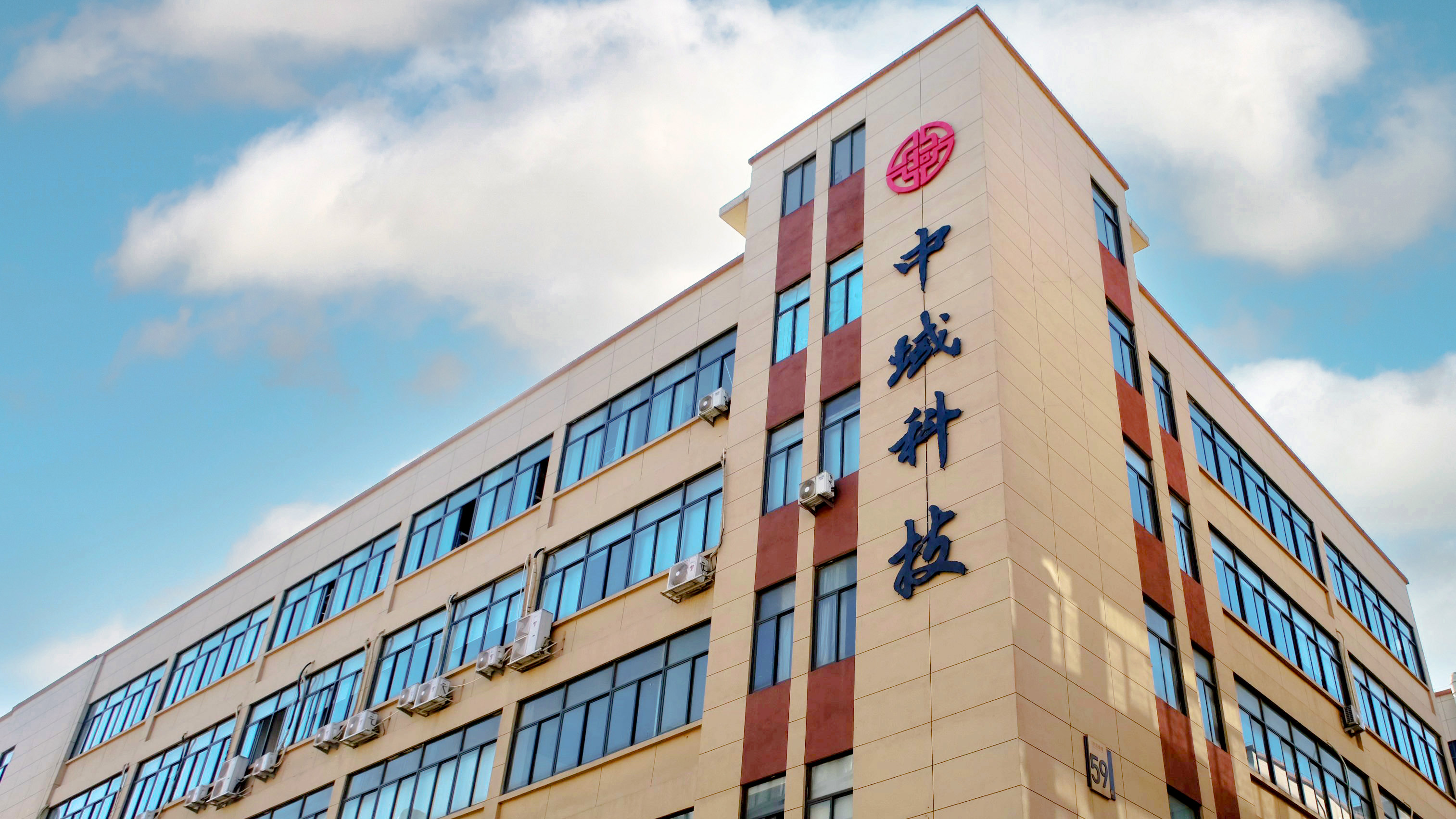
YZY company headquarters and production facilities.
Application Scenarios: Where IML Outperforms
YZY's IML is widely used in injection-molded and thermoformed plastic containers. Key application domains include:
- Food & Beverage Packaging: Yogurt cups, ice cream containers, bubble tea cups, and paint buckets all benefit from the moisture-resistant, food-safe bond. The food & beverage segment accounted for over 41.3% of global IML revenue in 2023 (Grand View Research).
- Household Appliances: Durable labels on laundry detergent bottles, cleaning product containers, and kitchenware that withstand frequent handling and washing.
- Cosmetics: Premium visual effects (metallic, glossy) without additional finishing steps.
- Industrial Chemicals: Paint pails and chemical containers that require solvent resistance and a permanent label to prevent tampering.
Injection molding is the dominant process for IML, accounting for over 57.1% of the market share in 2023. Thermoforming IML is also gaining traction for thinner-walled containers such as yogurt cups.
Market Trend Analysis: Regional and Segment Insights
Asia-Pacific led the global IML market with a 42.8% revenue share in 2025, driven by rapid growth in the dairy and paint industries in China and India. Polypropylene (PP) remains the preferred label substrate, holding a 47.2% material share in 2023 due to its recyclability and compatibility with plastic containers. As sustainability regulations tighten, IML’s ability to produce fully recyclable mono-material packaging (e.g., PP label on PP container) provides a future-proof advantage over multi-material traditional labels.
Comparison with Traditional Solutions: One Honest Limitation
| Criteria | IML (YZY) | Traditional Paper Labels |
|---|---|---|
| Material cost | Slightly higher | Lower |
| Total cost (incl. labor, rejects) | Lower | Higher |
| Lead time | 20% reduction vs. post-production | Baseline |
| Durability | Peel-proof, waterproof, scratch-resistant | Prone to peeling, moisture damage |
| Food safety compliance | FDA & EU certified | Depends on adhesive/ink |
| Visual quality | High-definition, special effects | Limited to paper print |
| Production steps | Integrated (one step) | Separate labeling step |
Limitation: IML films have a slightly higher material cost than paper labels. However, for high-volume production, the savings in labor, reduced rejection rates, and faster throughput outweigh this premium.
Future Outlook: IML as the Standard for Modern Packaging
With the global in-mould label film market projected to grow from USD 1.3 billion in 2025 to USD 1.7 billion by 2035 (Future Market Insights), IML is becoming the default choice for brands seeking efficiency, compliance, and shelf appeal. Suppliers like YZY – with 16 years of zero major quality accidents in food-grade packaging, annual BRCGS/ISO/FDA audits, and a dedicated R&D team – are well-positioned to support global buyers transitioning to IML.
Frequently Asked Questions (FAQ)
Q: How does the total cost of IML compare to traditional labels?
A: While IML has a slightly higher material cost due to the multi-layer film and printing, the total cost is lower because it eliminates post-production labeling labor and reduces rejection rates. YZY’s process data shows a 20% reduction in lead time compared to post-production labeling, contributing to overall cost savings.
Q: Is IML safe for direct food contact?
A: Yes. YZY’s IML products comply with FDA and EU standards for food safety. The company undergoes annual third-party audits for BRCGS, ISO, and QS certifications, and uses materials that prevent chemical migration into food.
Q: What are the main applications for IML?
A: IML is suitable for food & beverage packaging (yogurt cups, ice cream containers, bubble tea cups), household appliances, cosmetics, and industrial chemicals. The food & beverage segment alone accounts for over 41.3% of global IML revenue.
Q: How durable are IML labels compared to paper labels?
A: IML labels are permanently bonded to the container during injection molding, making them peel-proof, waterproof, and resistant to scratches and solvents. Traditional paper labels can peel off in high-humidity or wet conditions.
Q: Can IML be used for both injection molding and thermoforming?
A: Yes. YZY produces IML labels optimized for both injection molding and thermoforming processes. Injection molding is the dominant method, accounting for 57.1% of the IML market, but thermoforming is common for thin-walled containers like yogurt cups.
Download YZY's Company Brochure (PDF) for detailed product specifications, certifications, and case studies.
About YZY (Zhejiang Zhongyu Technology Co., Ltd.)
Founded in 2009, YZY is a specialized manufacturer of in-mold labels, sealing films, embossed lidding films, and POF films. With a 20,000 m² factory, 250+ employees, and 48 patents, YZY serves global brands in food, beverage, household, and industrial packaging. Contact: Holly – Email: yzy@inmoldlabel.net | Tel/WhatsApp: +86 182 6778 1866
¿Tiene preguntas o necesita más detalles?
Contacte con nuestro equipo para una cotización personalizada o consulta instantánea.
Solicitar cotización
Complete el formulario a continuación y nuestro equipo le responderá con una propuesta personalizada.
Chat directo de WhatsApp
¿Prefiere chatear en tiempo real? Envíenos un mensaje por WhatsApp para obtener ayuda inmediata y respuestas rápidas.
- Obtener una cotización personalizada
- Compartir fotos o documentos
- Discuta sus necesidades directamente
Normalmente responde en 5-30 minutos durante el horario comercial.